Methane, a colorless and odorless hydrocarbon, has emerged as one of the most significant hurdles and opportunities in the global effort to mitigate the climate crisis. While carbon dioxide (CO2) often dominates the conversation regarding greenhouse gas emissions, methane (CH4) is responsible for approximately one-third of current global heating. Composed of one carbon atom and four hydrogen atoms, this potent gas is the primary component of natural gas, which currently facilitates roughly 25 percent of the world’s electricity generation. However, its warming potential is vastly higher than that of CO2, particularly in the short term, making its reduction a critical priority for scientists and policymakers aiming to limit global temperature rises to 1.5 degrees Celsius above pre-industrial levels.
The Scientific Profile and Potency of Methane
To understand the urgency surrounding methane, one must look at its atmospheric behavior and chemical potency. Methane is significantly more effective at trapping heat than carbon dioxide. Over a 20-year period, methane is estimated to be 86 times more potent than CO2 per unit of mass. Over a 100-year horizon, this figure settles to approximately 28 times more potent. The distinction is vital for climate strategy: while CO2 can persist in the atmosphere for centuries, methane has a relatively short lifespan of about 12 years before it breaks down into water vapor and carbon dioxide.

This shorter lifespan presents a unique "lever" for climate action. Because methane leaves the atmosphere quickly, a rapid reduction in emissions could lead to a near-immediate slowdown in the rate of global warming. The Global Methane Assessment suggests that curbing methane is likely the most effective strategy to decrease warming over the next two decades. Current data from the World Meteorological Organization (WMO) shows that atmospheric methane concentrations reached 1,934 parts per billion (ppb) in 2023, a staggering 265 percent increase over pre-industrial levels.
A Chronology of Rising Emissions and Global Policy
The trajectory of methane emissions has followed the expansion of industrialization, intensive agriculture, and fossil fuel extraction.
- Pre-1750: Methane levels remained relatively stable at around 700 ppb.
- 1800s–1900s: The Industrial Revolution and the expansion of global livestock populations began a steady upward trend.
- 2016: The United States lifted its ban on liquefied natural gas (LNG) exports, marking a shift in global energy trade that prioritized gas as a "bridge fuel."
- 2020–2021: Scientists recorded an "exceptional surge" in methane emissions, particularly from tropical wetlands and the oil and gas sector, despite the global economic slowdown caused by the pandemic.
- 2021 (COP26): The Global Methane Pledge was launched in Glasgow, with over 100 countries initially committing to a 30 percent reduction in methane emissions by 2030.
- 2023–2024: Methane levels hit record highs, with satellite data revealing massive "super-emitter" events in Turkmenistan, the United States, and the Middle East.
Primary Sources of Methane: Human and Natural
Methane emissions are categorized into human-caused (anthropogenic) sources, which account for roughly 60 percent of emissions, and natural sources, which account for the remaining 40 percent.

Agriculture: The Leading Contributor
Agriculture is responsible for approximately 40 percent of human-caused methane. The majority of this stems from livestock, specifically ruminants like cows and sheep. Through a process called enteric fermentation, microbes in the animals’ digestive systems produce methane, which is then released primarily through burping. Manure management, particularly in large-scale pig and dairy farms, also contributes significantly. Furthermore, rice cultivation accounts for about 8 percent of anthropogenic methane, as flooded paddies provide an anaerobic environment perfect for methane-producing archaea.
The Fossil Fuel Industry
The extraction, processing, and distribution of fossil fuels contribute 35 percent of human-caused methane. In oil and gas operations, methane is often intentionally vented or flared when infrastructure is insufficient to capture it. Leaks in pipelines and wellheads are also pervasive. Coal mining is another major source; methane trapped in coal seams is released during the mining process or leaks from abandoned mines.
Waste Management
Landfills and wastewater treatment plants contribute 20 percent of emissions. As organic waste decomposes in oxygen-poor environments, methane is generated. In many developing nations, rapid urbanization and population growth are expected to drive waste-related methane emissions up by 13 million metric tons per year by 2030.

Natural Feedbacks and Wetlands
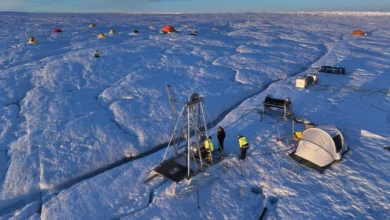
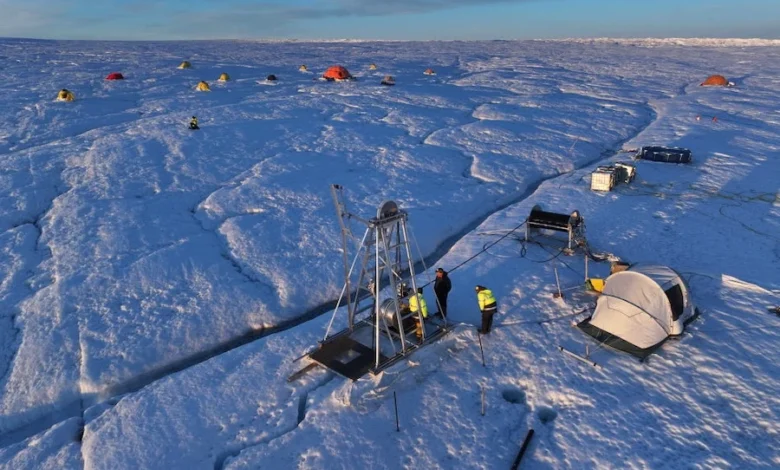
Wetlands are the largest natural source of methane. However, the climate crisis is turning these natural systems into a dangerous feedback loop. As temperatures rise and rainfall patterns shift, tropical wetlands are expanding, and Arctic permafrost is thawing. This "wetland methane feedback" releases stored carbon and methane, further accelerating warming.
Advanced Measurement: From the Ground to Space
Historically, methane emissions were measured using "bottom-up" methods—calculating emissions based on the number of cattle or the average leak rate of a valve. However, recent "top-down" measurements involving satellites and high-altitude aircraft have revealed that bottom-up estimates often undercount emissions.
A study published in Science found that U.S. oil and gas methane emissions were 60 percent higher than Environmental Protection Agency (EPA) estimates. Satellite technology, such as the GHGSat and the Environmental Defense Fund’s MethaneSAT, can now identify "super-emitters"—single facilities or leaks that release massive quantities of gas. In 2022, researchers identified over 1,000 such incidents. One leak in Turkmenistan spewed methane at a rate equivalent to the total hourly emissions of the entire nation of France.

The "Bridge Fuel" Myth and the LNG Debate
For years, the energy industry promoted natural gas (primarily methane) as a "bridge fuel" because it produces less CO2 when burned than coal. However, this narrative is increasingly scrutinized. Scientific analysis indicates that if as little as 0.2 percent of methane leaks during the production and transport of LNG, its climate impact becomes equal to or worse than coal.
Recent studies suggest that when accounting for the entire lifecycle—extraction, liquefaction, shipping, and regasification—LNG may have a 33 percent greater global warming potential over 20 years than coal. Despite this, LNG infrastructure continues to expand globally. Critics, including environmentalist Bill McKibben, argue that the current build-out of LNG terminals could "lock in" decades of greenhouse gas emissions, potentially neutralizing the progress made in renewable energy sectors.
Public Health and Environmental Impacts
Methane’s impact extends beyond temperature rise. It is a primary precursor to ground-level ozone (smog). Unlike the protective ozone layer in the stratosphere, ground-level ozone is a toxic air pollutant. It causes respiratory issues, triggers asthma attacks, and is responsible for approximately 500,000 premature deaths annually.

Furthermore, ozone is detrimental to agriculture, damaging plant tissues and reducing crop yields. Experts estimate that every million metric tons of methane reduced could prevent 1,430 annual deaths from respiratory and heart diseases and save 145,000 metric tons of essential crops like wheat and rice.
Strategies for Mitigation
Achieving the 34 percent reduction in methane emissions required by 2030, as outlined by the Intergovernmental Panel on Climate Change (IPCC), requires a multi-pronged approach:
- Fossil Fuel Sector Fixes: The International Energy Agency (IEA) asserts that 70 percent of methane emissions from oil and gas could be eliminated using existing technology, with 40 percent of these cuts costing nothing because the captured gas can be sold.
- Agricultural Innovation: Introducing seaweed supplements or chemical inhibitors like 3-NOP into cattle feed can reduce enteric methane by up to 82 percent. In rice farming, "Alternate Wetting and Drying" techniques can cut emissions by 45 percent.
- Waste Diversion: Implementing circular economy models that divert organic waste from landfills to composting or biogas digesters can significantly lower waste-sector emissions.
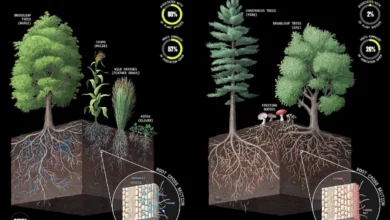
- Nature-Based Solutions: Protecting forests is vital, as recent research indicates that tree bark contains methanotrophs—microorganisms that naturally consume methane from the air.
Broader Implications and the Path Forward
The battle against methane is a race against time. The Global Methane Pledge, now signed by 159 nations, represents a significant diplomatic achievement, yet implementation remains inconsistent. As of 2023, only 13 percent of global methane emissions were covered by enforceable national policies.

The transition away from methane-heavy energy systems requires not just technological fixes but a shift in global dietary habits and waste management. While individual actions—such as reducing meat consumption, composting, and switching to electric appliances—are beneficial, systemic change is paramount. This includes holding fossil fuel companies accountable for leaks and halting the expansion of high-emission infrastructure.
The takeaway for the global community is clear: methane is a dangerous accelerant of the climate crisis, but it is also our most immediate opportunity to slow the warming of the planet. Urgent, transparent, and data-driven action over the next decade will determine whether the world can stay within the safety limits of the Paris Agreement or if methane-driven feedback loops will push the climate toward irreversible tipping points.