Time Capsule of Automotive History The CitroMuseum Collection of Henri Fradet and the Preservation of Post-War Citroën Heritage

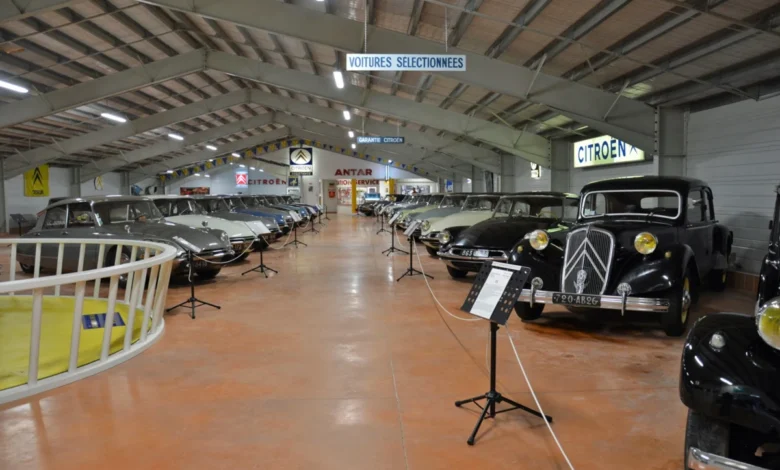
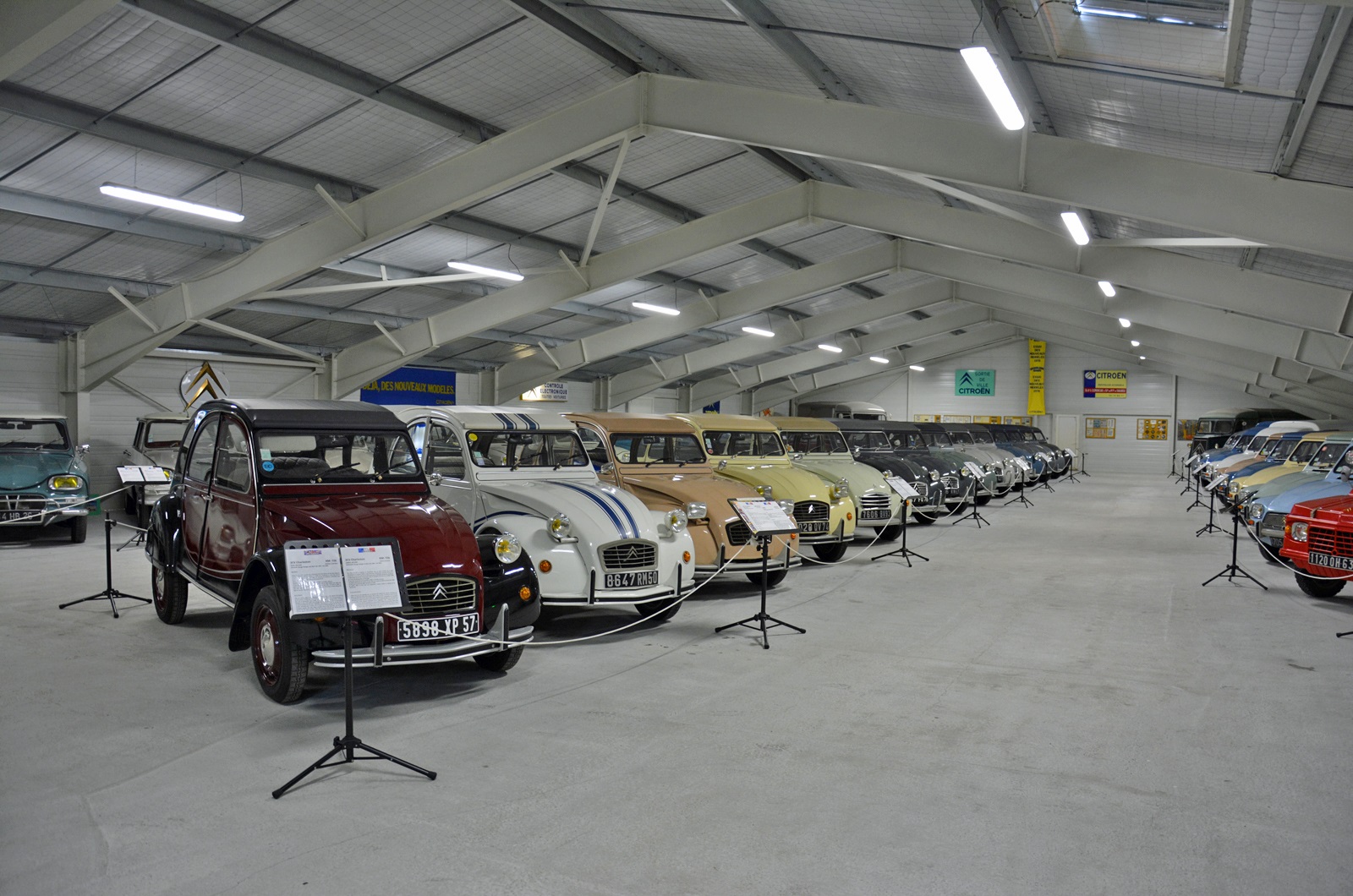
Nestled in the picturesque commune of Castellane, within the Alpes-de-Haute-Provence region of southern France, lies a collection that rivals the official archives of one of the world’s most innovative automakers. Known as the CitroMuseum, this private institution is the result of four decades of meticulous curation by French enthusiast Henri Fradet. Unlike many automotive museums that prioritize gleaming, over-restored showpieces, Fradet has dedicated his life to a different philosophy: the preservation of the "survivor." His collection of over 120 post-war Citroën models consists almost exclusively of low-mileage, unrestored vehicles that remain in the exact condition they left the factory, offering an unparalleled look at the materials, assembly techniques, and engineering nuances of 20th-century French motoring.
The Philosophy of Originality and the Founder’s Vision
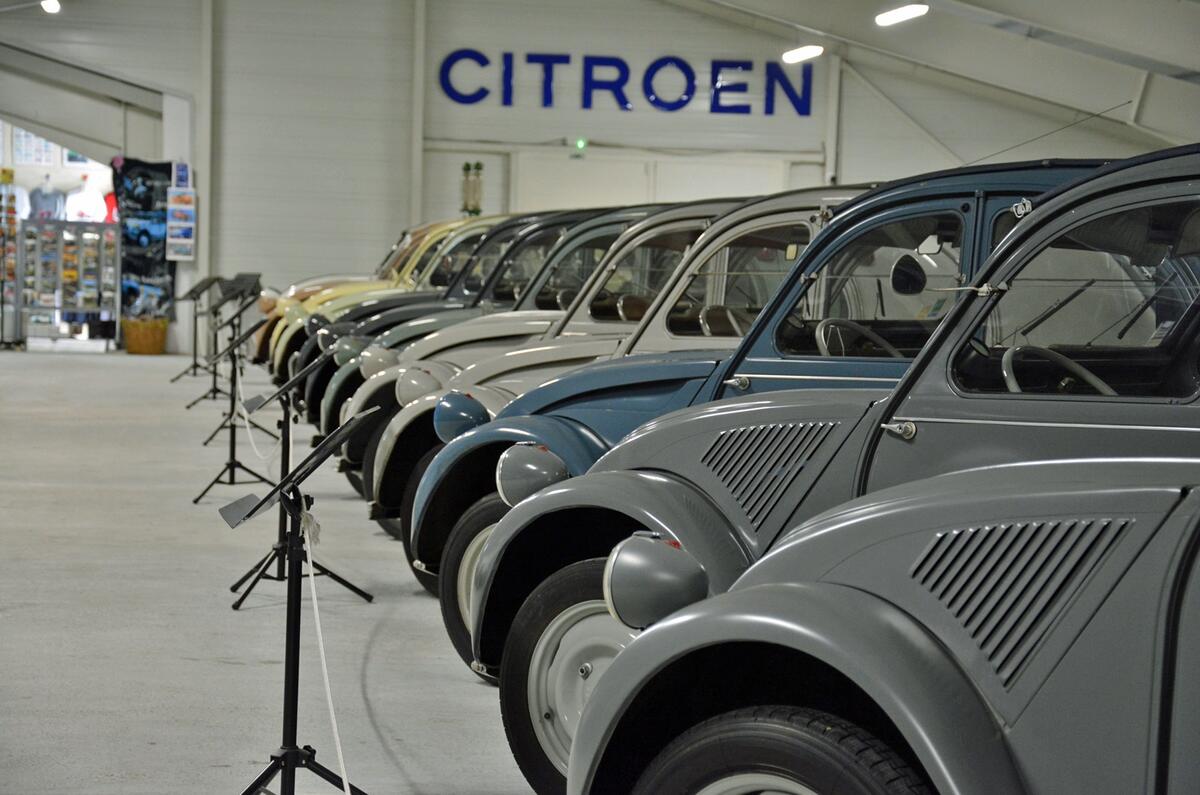
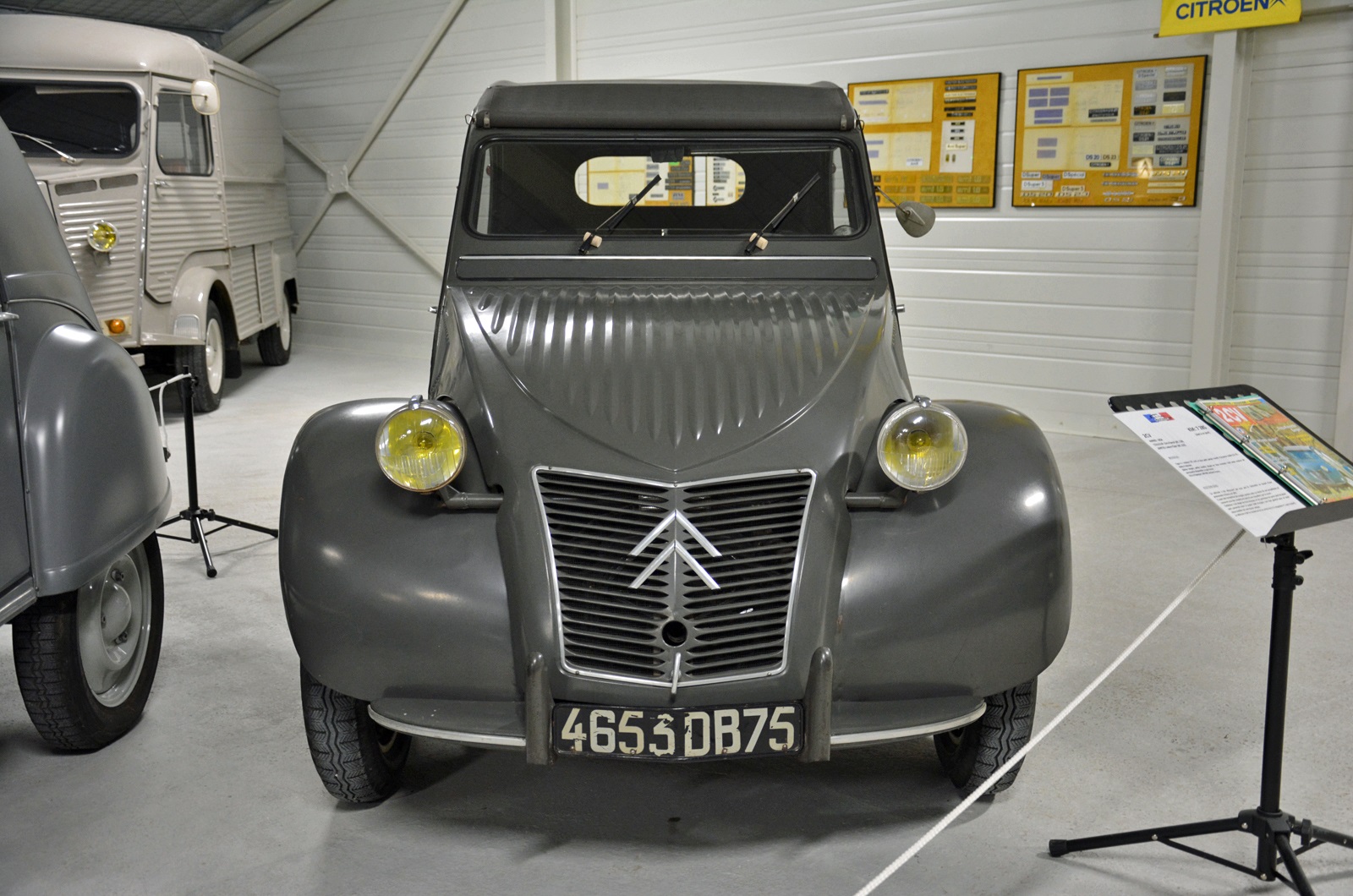
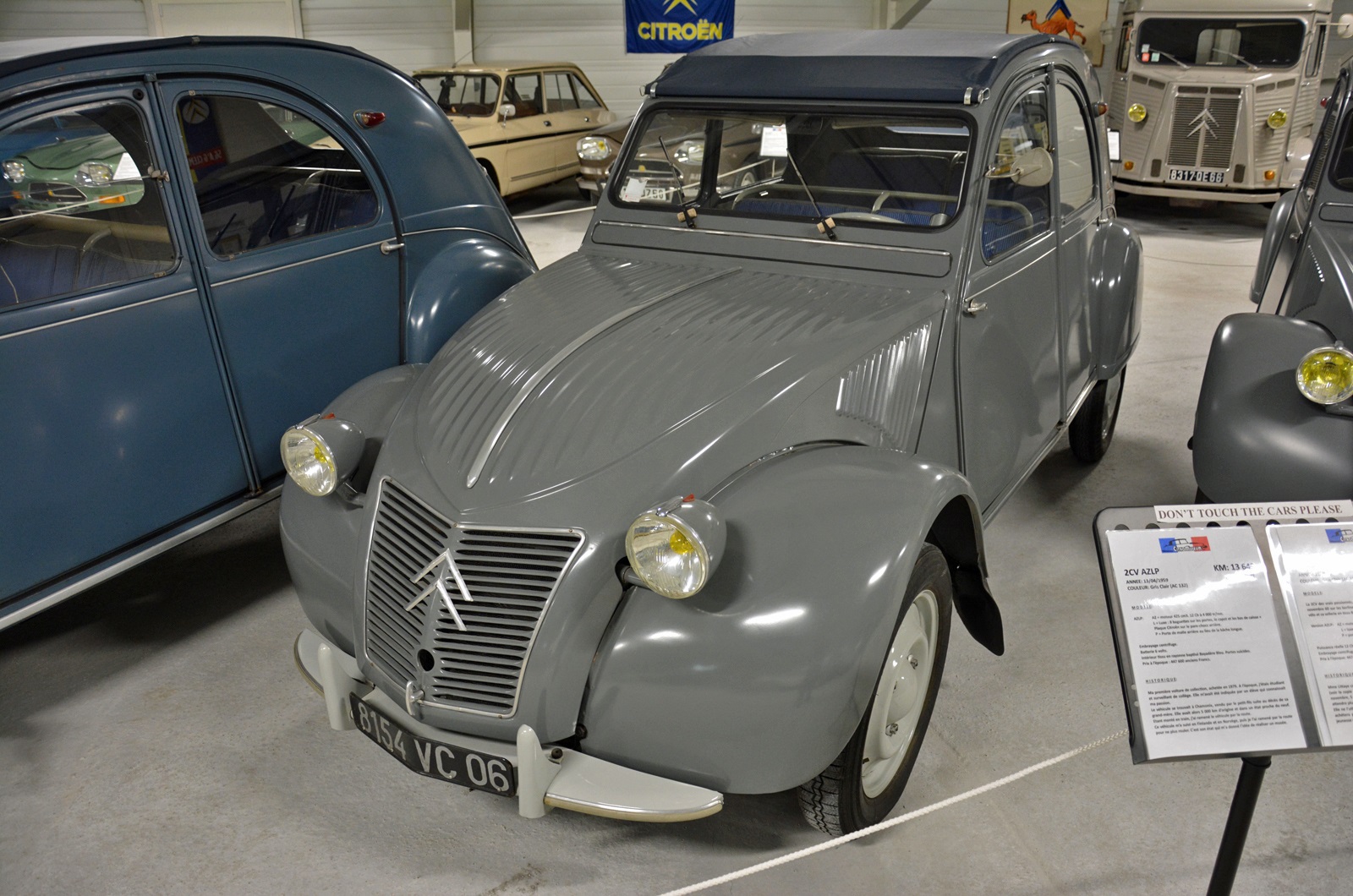
Henri Fradet’s journey into the world of high-level collecting began in 1979 with the purchase of a 1959 Citroën 2CV AZLP. At the time, the car had covered only 5,000 kilometers. As Fradet maintained the vehicle, he became enamored with the "time-capsule" quality of its original paint, upholstery, and mechanical components. This single acquisition sparked a forty-year odyssey across France to track down the finest remaining examples of the marque’s post-war output.

The CitroMuseum, which opened to the public in the early 2000s, is structured to provide a chronological and thematic narrative of Citroën’s evolution. Fradet’s criteria for acquisition are stringent: he seeks out cars with documented low mileage, original paint, and no history of major restoration. This approach serves a vital historical purpose, as restored cars often lose the specific factory markings, textures, and "patina" that tell the true story of a vehicle’s manufacture.
The Three Chambers of Citroën History
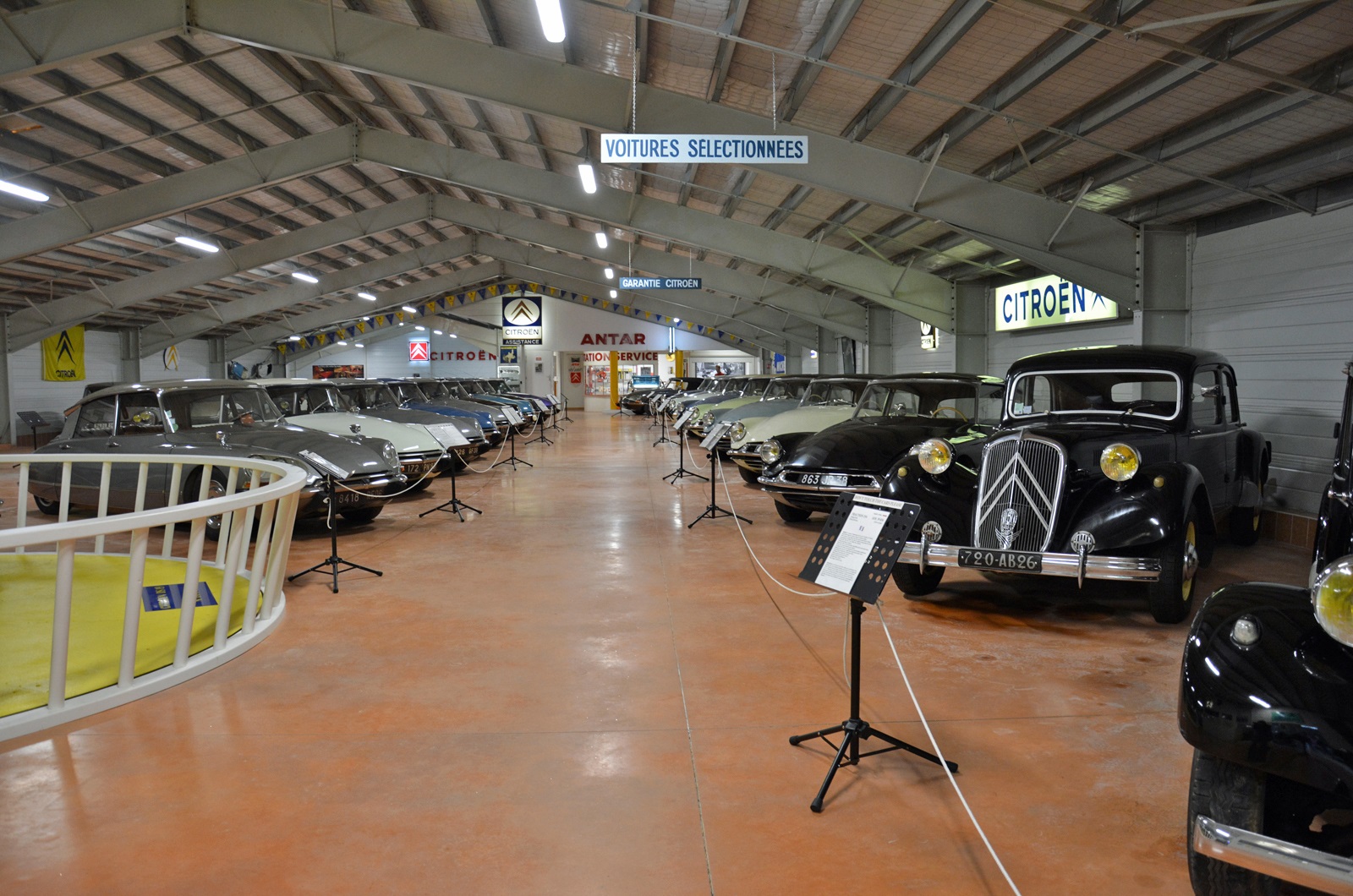
The museum is architecturally and thematically divided into three distinct wings, each representing a different epoch of the company’s engineering and design philosophy.
Chamber One: The Icons of Prestige and Innovation
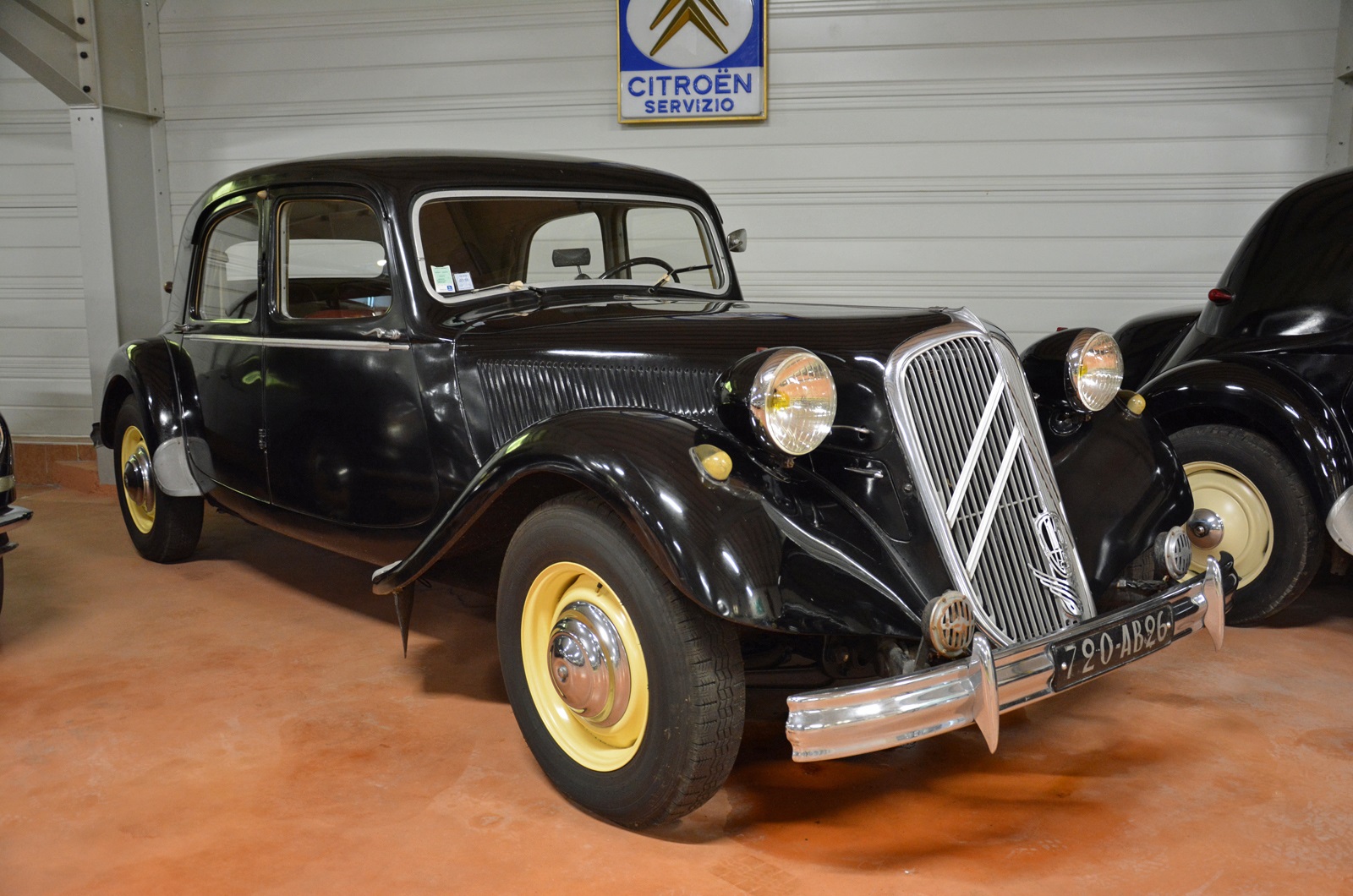
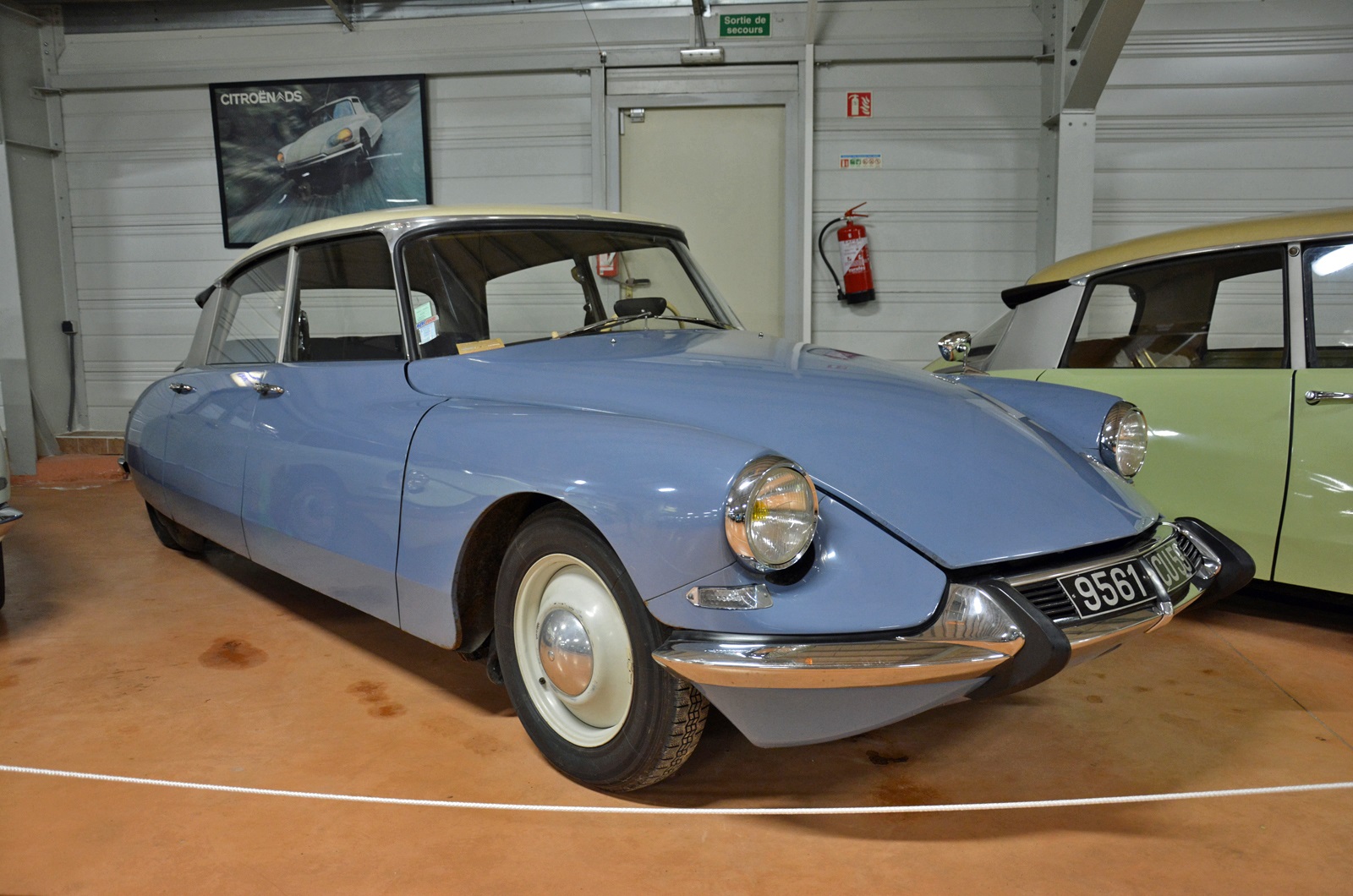
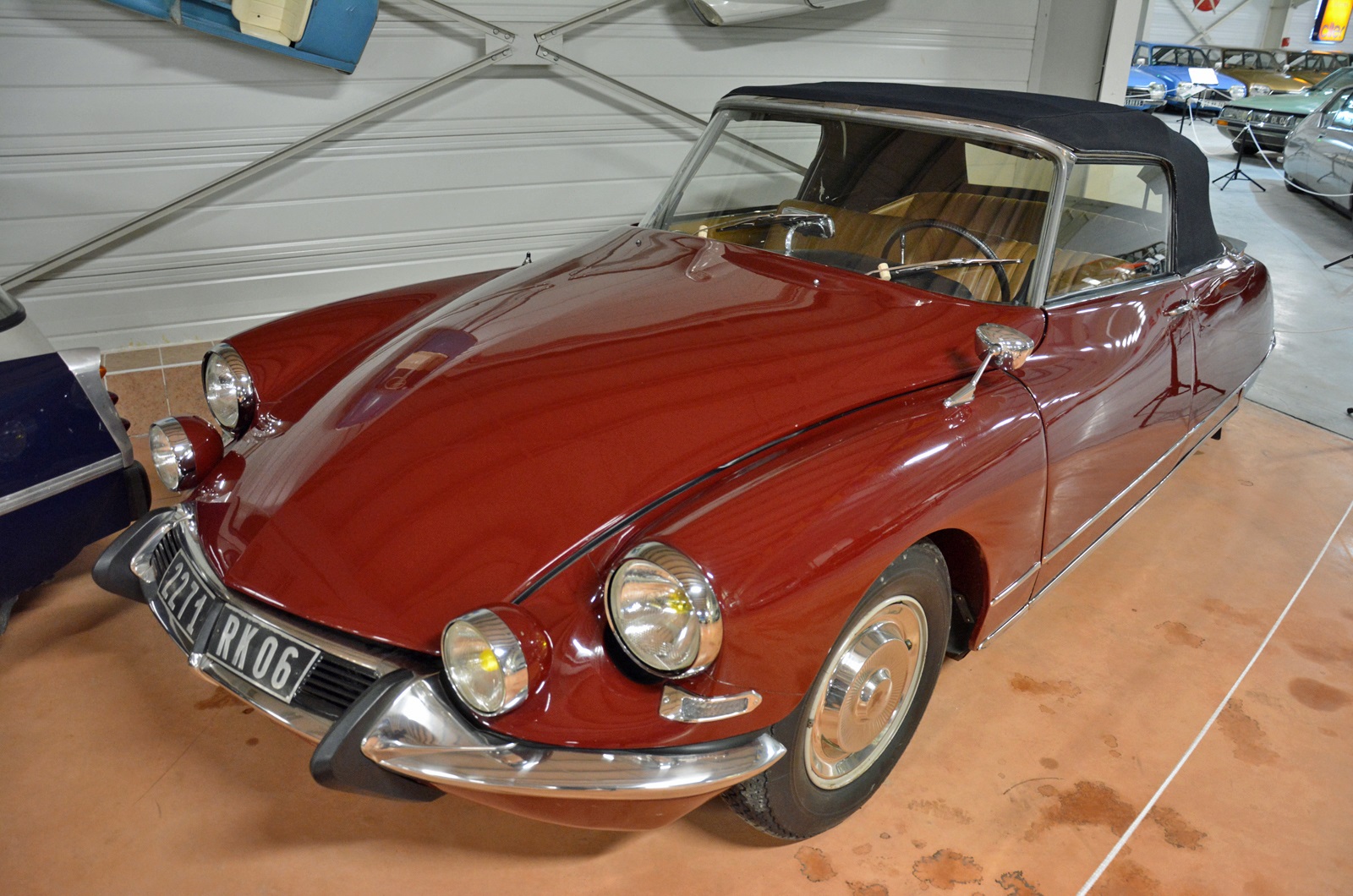
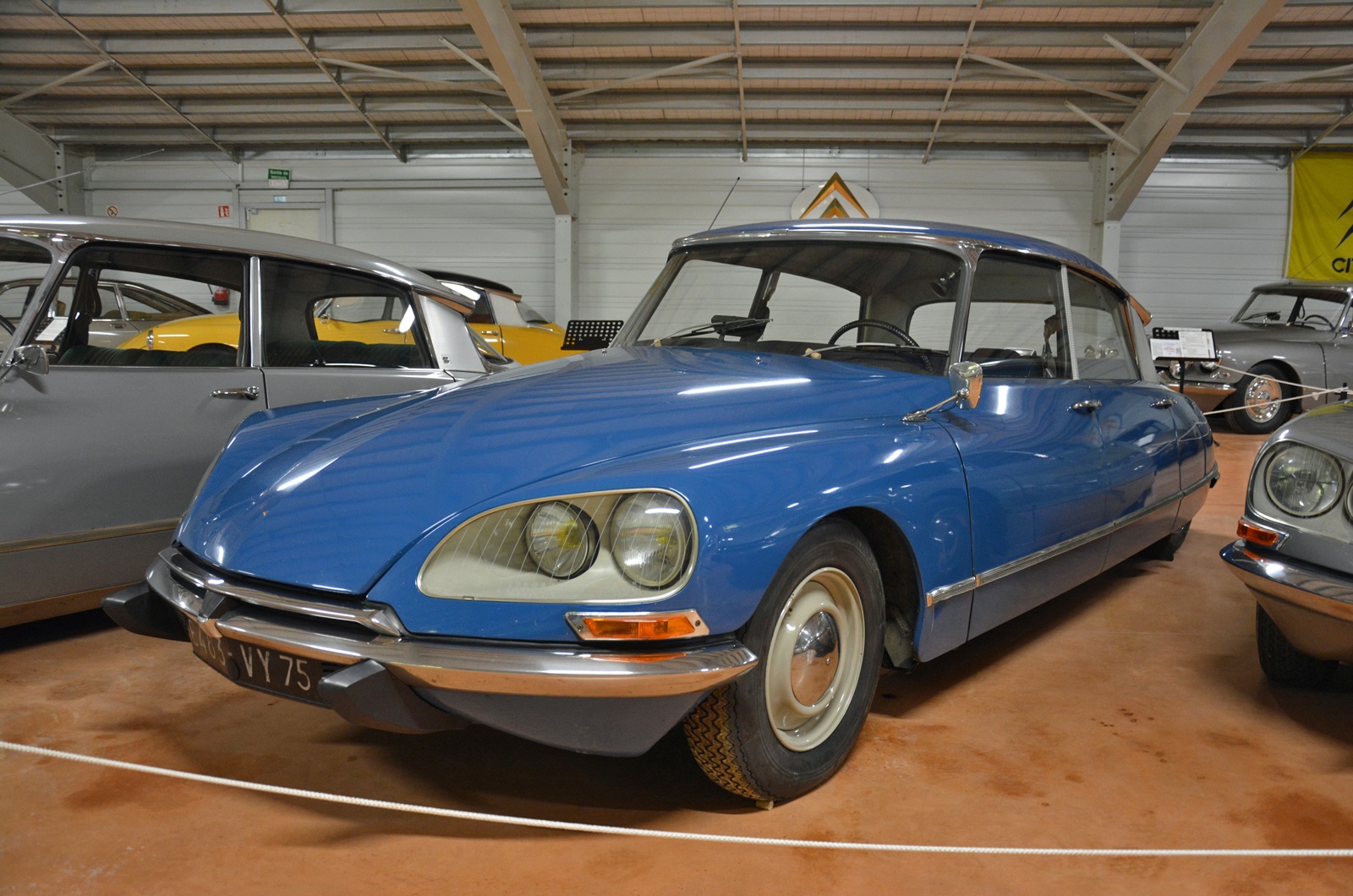
The first section focuses on the Traction Avant and the revolutionary DS and ID series. While the Traction Avant was introduced in 1934, its production continued until 1957, making it a cornerstone of the post-war French landscape. The museum’s 1952 Traction 15/6 is a standout, powered by a 2.9-liter straight-six engine. With only 40,000 kilometers from new, it represents the pinnacle of the model’s development.
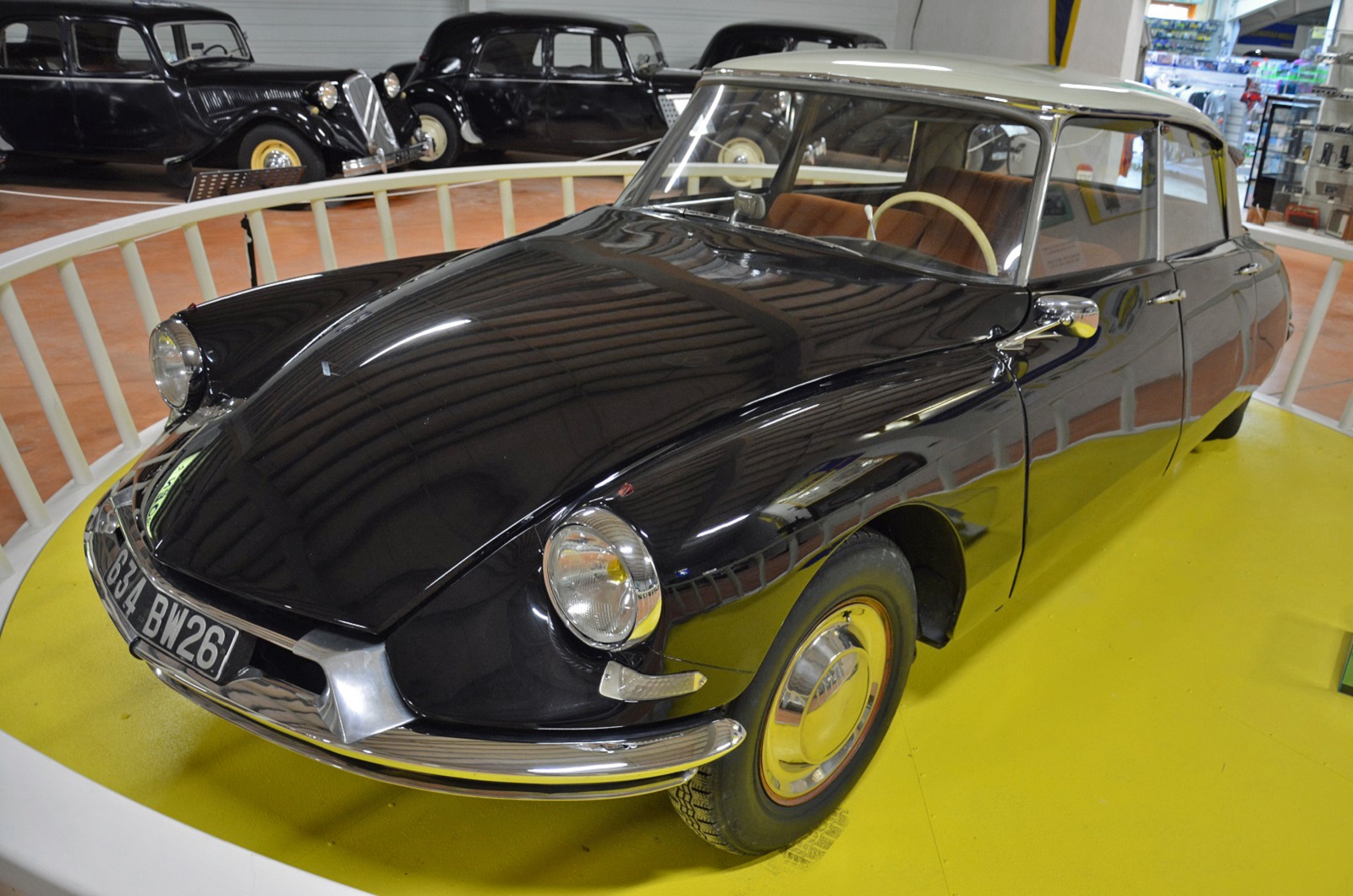
The centerpiece of this wing, and perhaps the entire museum, is a black 1955 Citroën DS, bearing chassis number 32. This vehicle is recognized as the 14th DS ever sold and is the oldest surviving series-produced example in the world. In 1955, Citroën produced only 175 DS units, all largely hand-built before mass production commenced in early 1956. This car’s survival is a statistical anomaly; most early demonstrators were returned to the factory and destroyed. Its presence in Castellane allows historians to study the earliest iterations of the hydropneumatic suspension system that would redefine automotive comfort.
Chamber Two: The People’s Cars and the "Ugly Duckling"
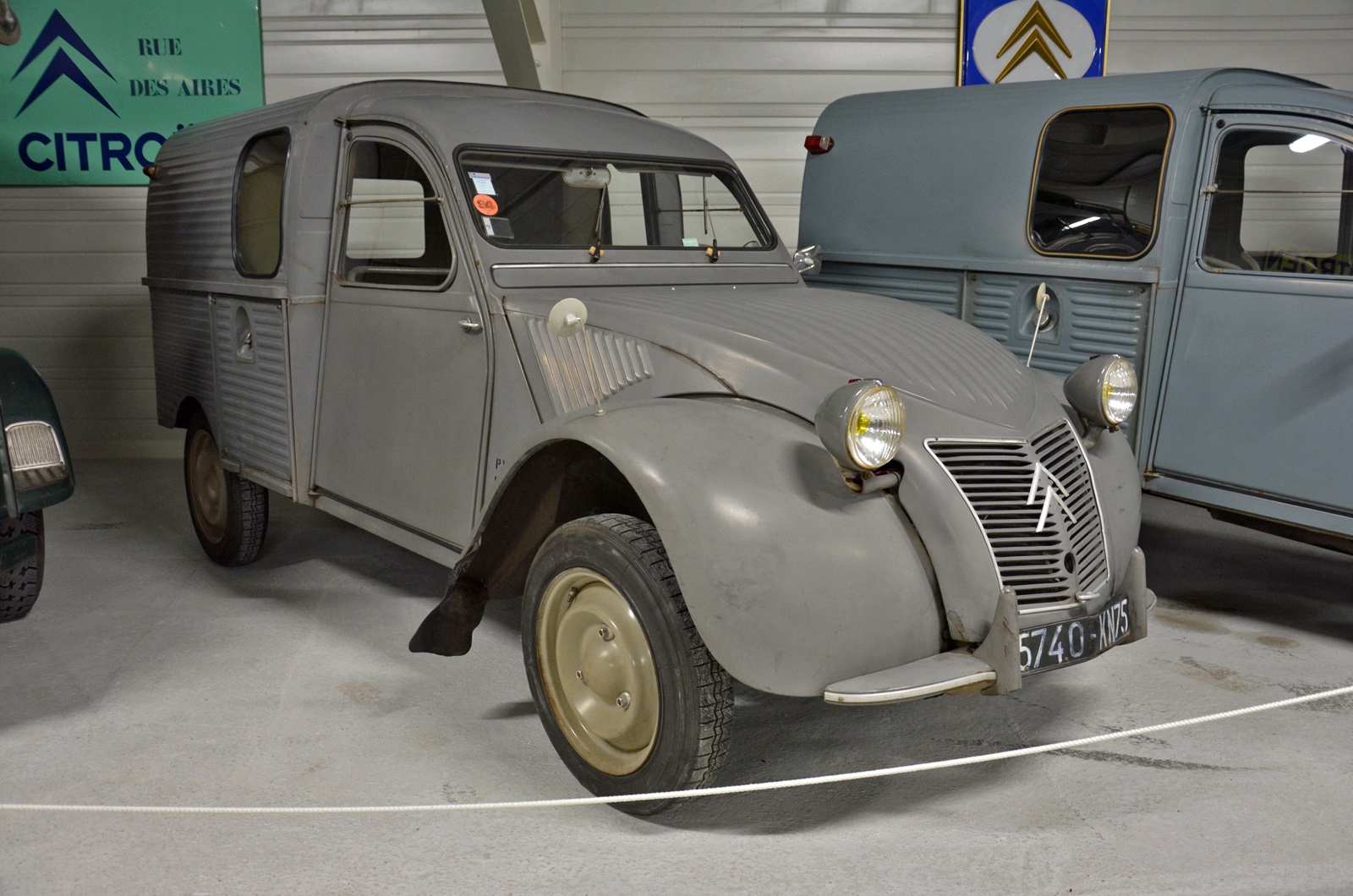
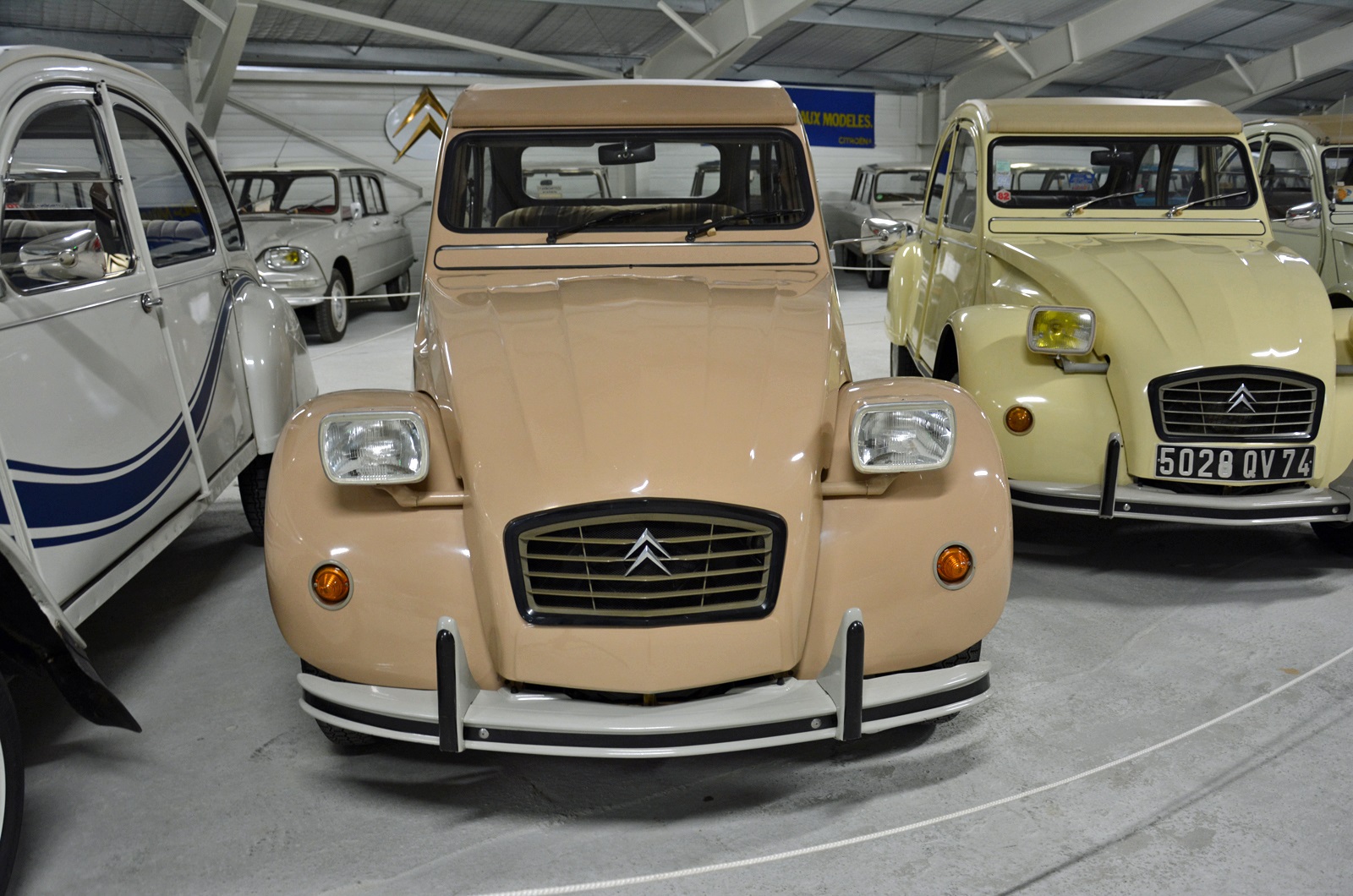
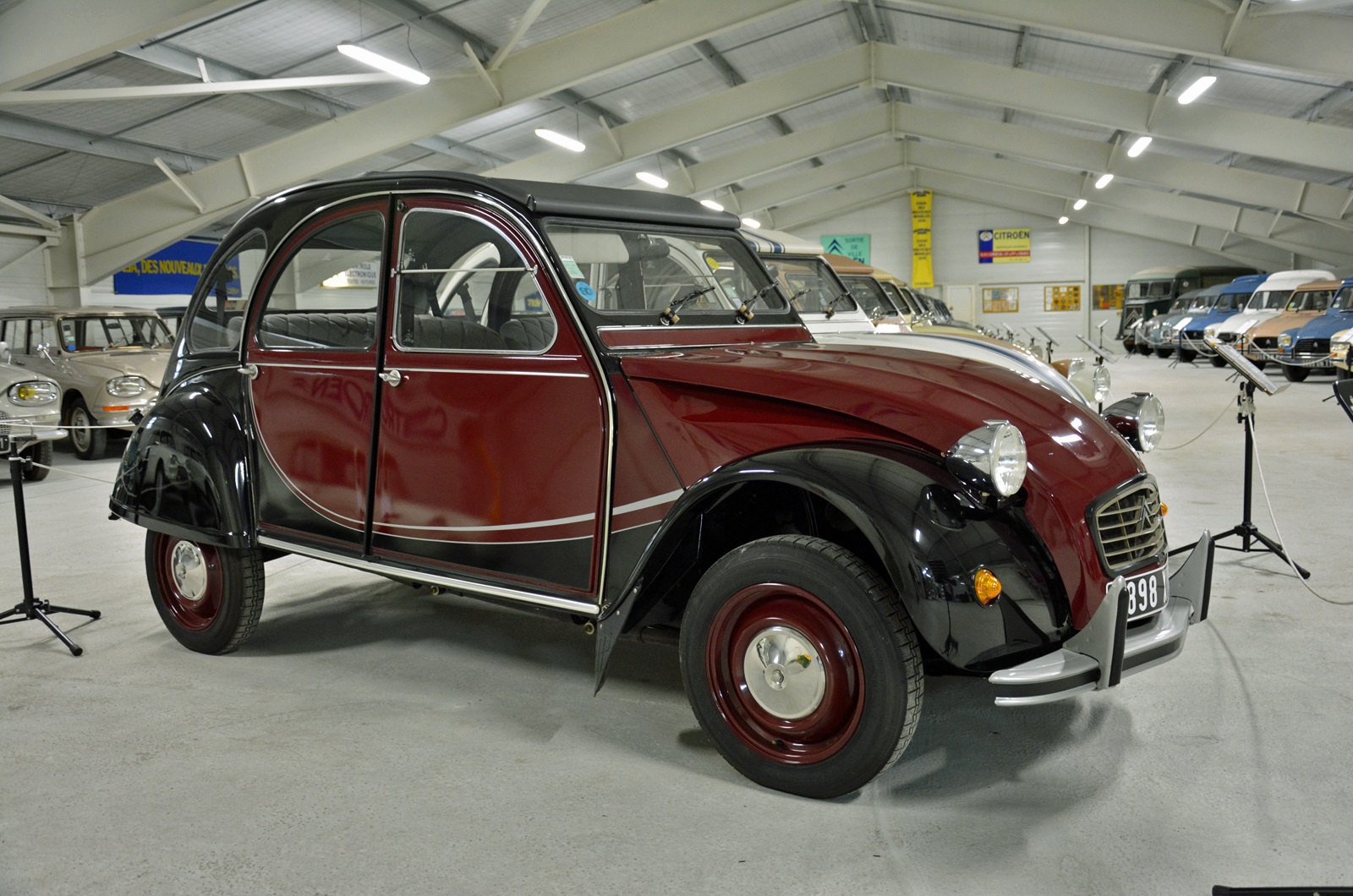
The second wing is dedicated to the 2CV and its numerous derivatives, including the Ami, Dyane, and Mehari. For decades, the 2CV was viewed as a disposable utilitarian tool. Consequently, finding original, low-mileage examples is exceptionally difficult. Fradet’s collection includes a 1954 2CV A that has covered just 7,300 kilometers in 65 years. Remarkably, the protective brown paper applied to the door panels at the factory remains intact.
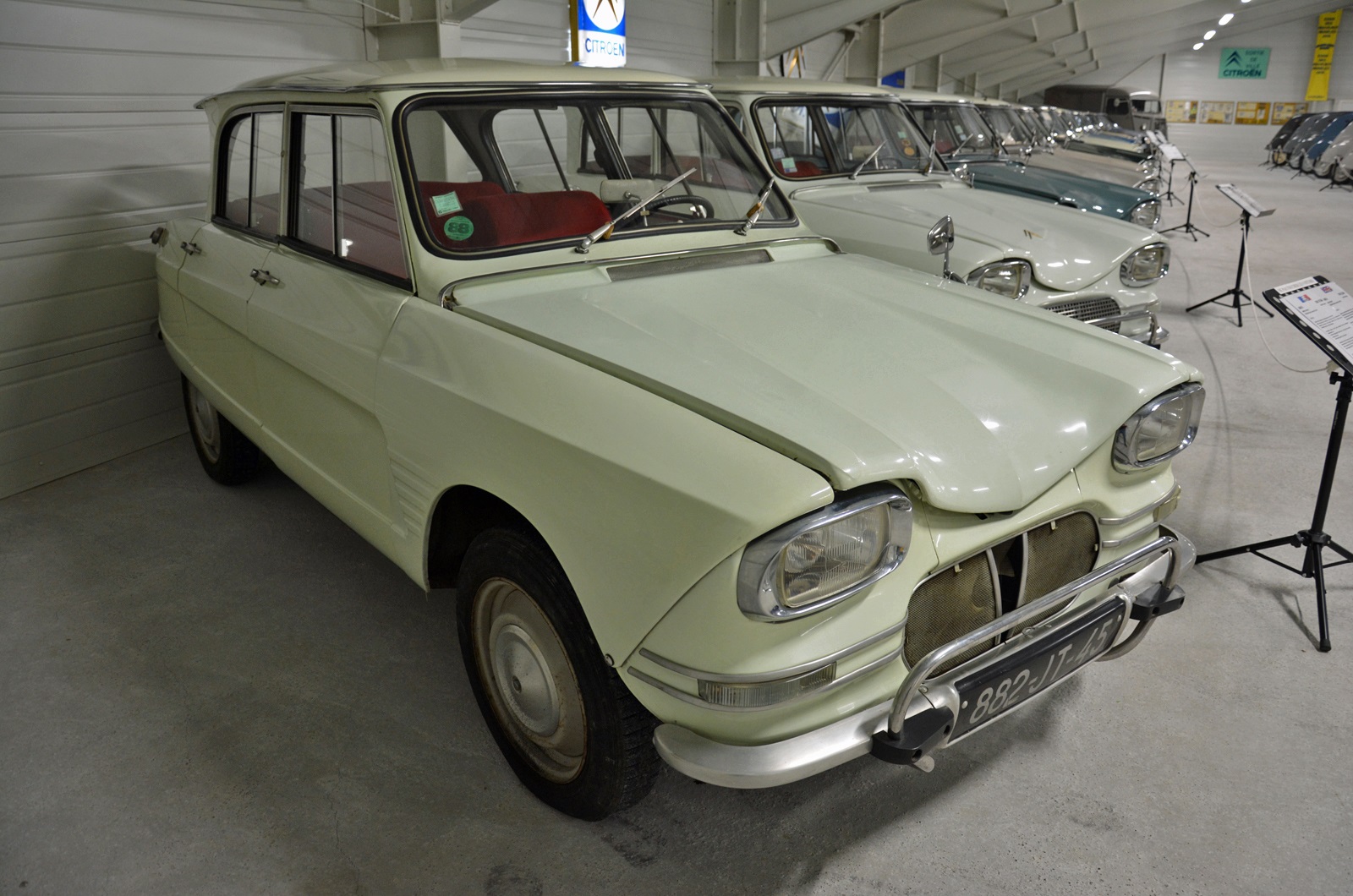
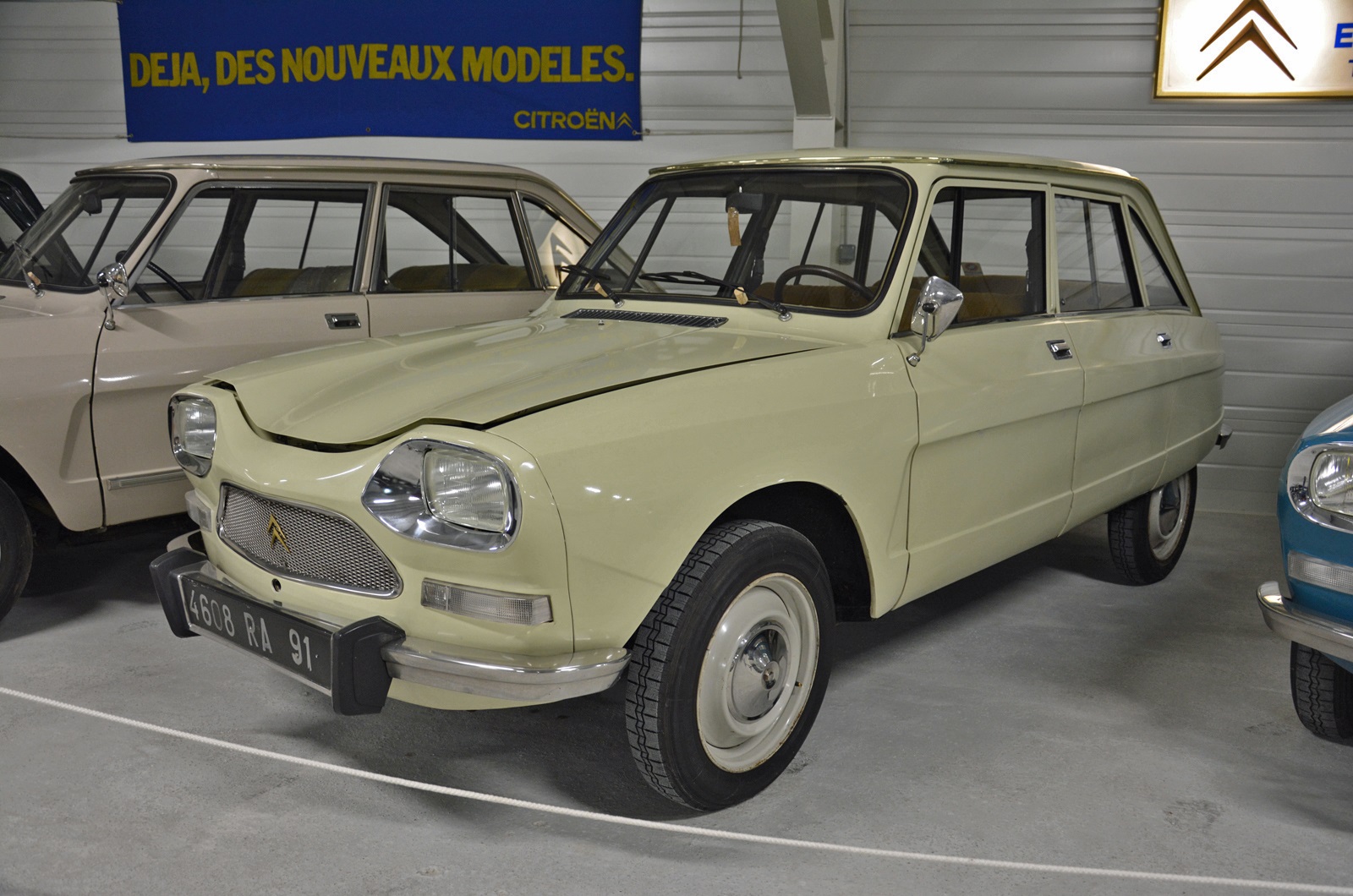
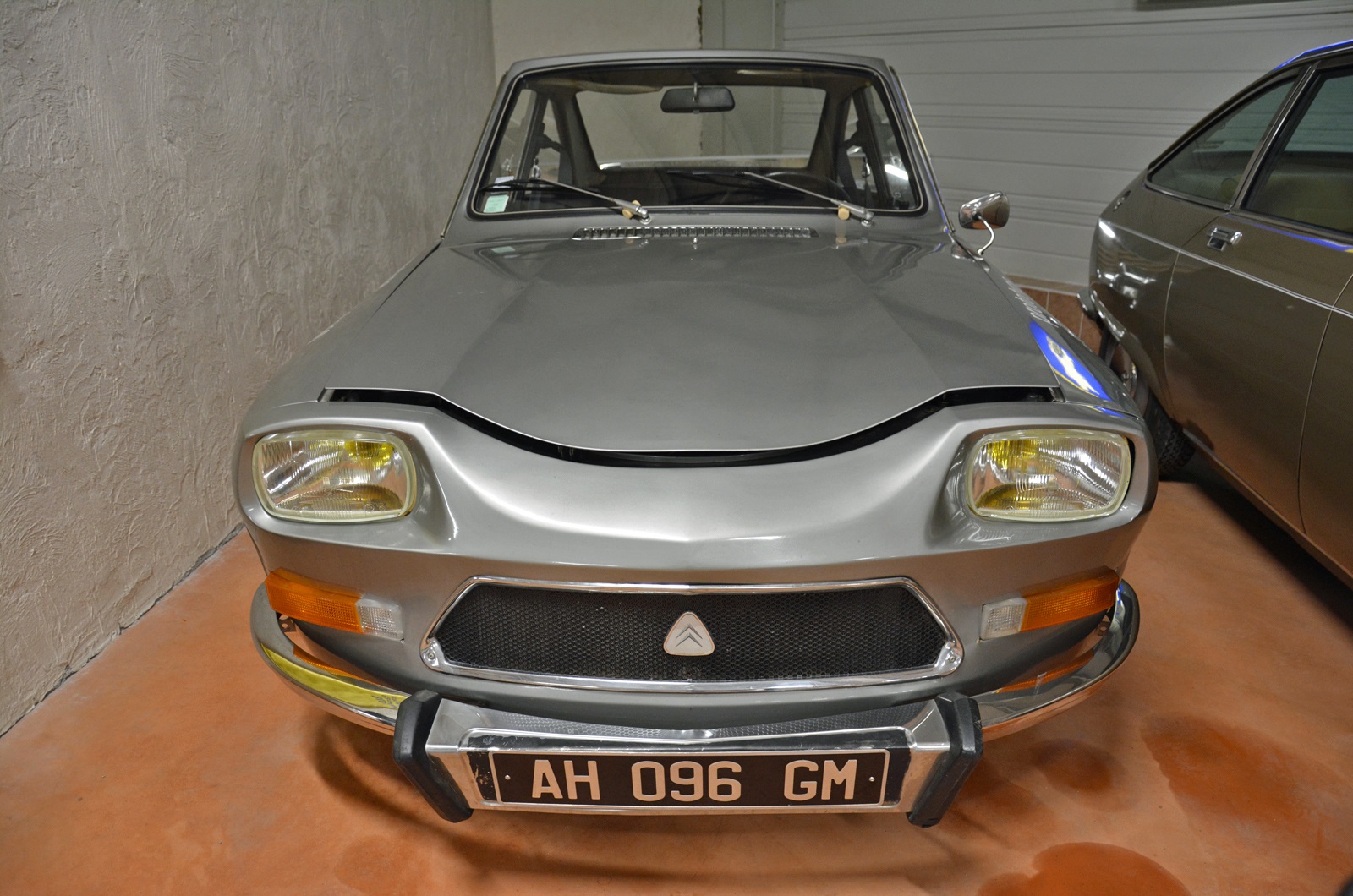
This section also highlights the Ami 6, famous for its reverse-raked "Z" rear window line, and the Ami 8. A particularly rare inclusion is the M35, a rotary-powered experimental coupe. Between 1969 and 1971, Citroën produced only 267 M35s to test Wankel engine technology with its most loyal customers. Most were eventually bought back and scrapped by Citroën to avoid long-term parts liability, making the museum’s running example a significant piece of industrial history.
Chamber Three: The Modern Classics and the PSA Era
The most recent addition to the museum houses cars from the 1970s through the 1990s. This era covers the transition of Citroën from an independent innovator to a part of the PSA Group (Peugeot Société Anonyme). Highlights include the GS and GSA, the CX, and newer models like the BX, XM, and AX.
Among the notable exhibits is a 1984 GSA with only 41 kilometers on the odometer. This car sat unregistered in a Spanish dealership for decades, ignored by buyers who favored the then-new BX. This wing also features the GS Birotor, another attempt at rotary power that was thwarted by the 1973 oil crisis. Only 847 were produced, and like the M35, Citroën attempted to destroy the production run. The museum’s example is one of the few survivors that escaped the factory’s reclamation efforts.
Engineering Milestones and Technical Context
The CitroMuseum is not merely a display of aesthetics; it is a catalog of Citroën’s technical audacity. Throughout the mid-20th century, the company pioneered several technologies that are now standard or sought-after in the automotive world:
- Hydropneumatic Suspension: Introduced on the 15H and perfected on the DS, this system replaced traditional springs with nitrogen-filled spheres and hydraulic fluid. It allowed for self-leveling ride height and legendary ride quality.
- Front-Wheel Drive (Traction Avant): While not the first, Citroën was the first to mass-produce the layout in a unibody frame, significantly lowering the center of gravity and improving handling.
- Aerodynamics: The DS and CX models were designed with a focus on drag coefficients long before the industry at large adopted wind-tunnel testing as a standard practice.
- Rotary Engines: The M35 and GS Birotor projects showcased Citroën’s willingness to invest in alternative propulsion, even when it proved commercially unviable.
The Human Element: Stories of Preservation
The provenance of the cars in the CitroMuseum often involves unique human stories that explain their low mileage. Many vehicles were purchased by elderly drivers who became too intimidated by modern traffic shortly after their purchase, or by families who kept a car as a sentimental memento of a deceased relative.
For instance, the museum’s 1995 Citroën AX has covered only 174 kilometers. The original owner, a woman who had driven a 1960 2CV for decades, found the "modern" controls and clutch of the AX too difficult to master. She parked it in her garage and never drove it again, preserving it in a state of suspended animation for over 20 years. Similarly, a 1988 CX 22 TRS was stored in a dealership basement for 17 years because it arrived in the showroom just as its successor, the XM, was launched, making it instantly "obsolete" to new buyers.
Implications for the Global Collector Market
The CitroMuseum serves as a benchmark for the "survivor" movement in car collecting. In recent years, the market has shifted its valuation models; a car with original "factory" paint and upholstery often commands a higher price at auction than a perfectly restored equivalent. Historians and collectors now value the "honesty" of a car that has not been tampered with.
Fradet’s collection provides a roadmap for this movement. By housing these vehicles in a climate-controlled environment in the dry air of the French Alps, he has ensured that future generations of engineers and designers can see exactly how a 1955 DS or a 1970 SM was put together. The museum also houses a vast archive of Citroën memorabilia, including R&D documents and vintage dealer signage, providing a holistic view of the brand’s corporate identity.
Visiting the CitroMuseum
Located on the historic Route Napoléon, the CitroMuseum is open to the public from April through October. It remains a "must-visit" destination for automotive enthusiasts traveling through southern France. Unlike the corporate-owned Conservatoire in Paris, which is often closed to the general public or requires special appointments, the CitroMuseum offers a more intimate and accessible experience of French industrial heritage.
The museum’s location in Castellane is also significant. The town is a gateway to the Gorges du Verdon, and the winding mountain roads of the region are the very environment where Citroën’s hydropneumatic suspension and front-wheel-drive systems proved their superiority over traditional rear-wheel-drive competitors.
In conclusion, Henri Fradet’s CitroMuseum is more than a collection of cars; it is a meticulously preserved record of a company that refused to follow convention. From the hand-built elegance of the early DS to the plastic-bumpered utility of the AX, the museum documents a period of intense creativity and engineering bravery. As the automotive industry moves toward an era of electrification and autonomous driving, the "time-warp" survivors in Castellane stand as a testament to the mechanical ingenuity of the 20th century.