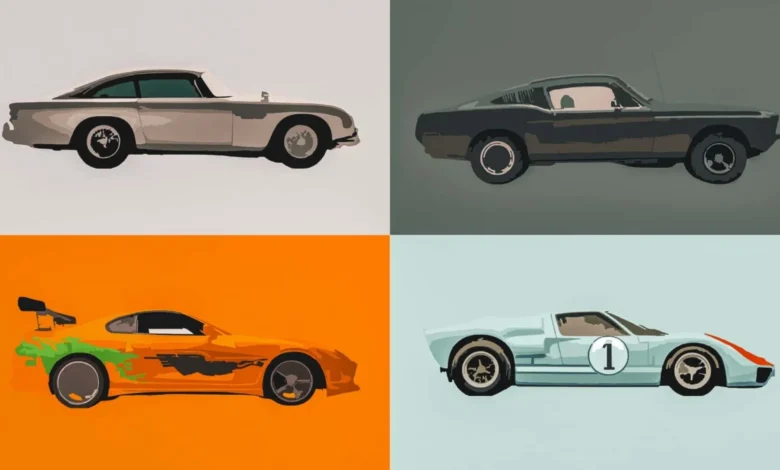
The cultural intersection of automotive engineering and cinematography has produced some of the most enduring icons of the 20th and 21st centuries. Throughout the history of film, the automobile has transitioned from a mere utility prop to a central character, often driving the narrative, defining a protagonist’s personality, or serving as a symbol of the era. Analyzing these vehicles requires a look at their technical specifications, their impact on automotive trends, and their indelible mark on popular culture. From high-performance European sedans to time-traveling coupes, the following list examines the 15 most significant movie cars ever produced.
15. The Audi S8 in Ronin (1998)
The 1998 thriller Ronin is widely regarded by industry experts as having set the gold standard for cinematic car chases. Central to these sequences is the first-generation Audi S8. Representing the pinnacle of late-90s German engineering, the S8 featured a 4.2-liter V8 engine capable of producing 340 horsepower. The film highlighted the vehicle’s all-wheel-drive capabilities, which allowed it to maintain superior traction in the narrow, winding streets of Nice and Paris. The production team famously removed the interior of the stunt cars to install full roll cages and relocated the steering wheel to the center, allowing stunt drivers to replicate high-speed maneuvers while maintaining perfect weight distribution.
14. Ford Mustang Shelby GT500 in Gone in 60 Seconds (2000)
While the 1974 original Gone in 60 Seconds utilized a 1971 Ford Mustang, the 2000 remake introduced a custom-built 1967 Mustang fastback known as "Eleanor." Designed by automotive visionary Chip Foose, the vehicle featured a narrowed body, side-exit exhausts, and a distinct silver-and-black aesthetic. Despite the legal complexities regarding intellectual property and licensing that have followed the car’s design, the 2000 film cemented the Eleanor-style Mustang as a modern classic. Its portrayal of high-stakes precision driving fundamentally changed how car modifiers approached "restomod" projects in the early 2000s.
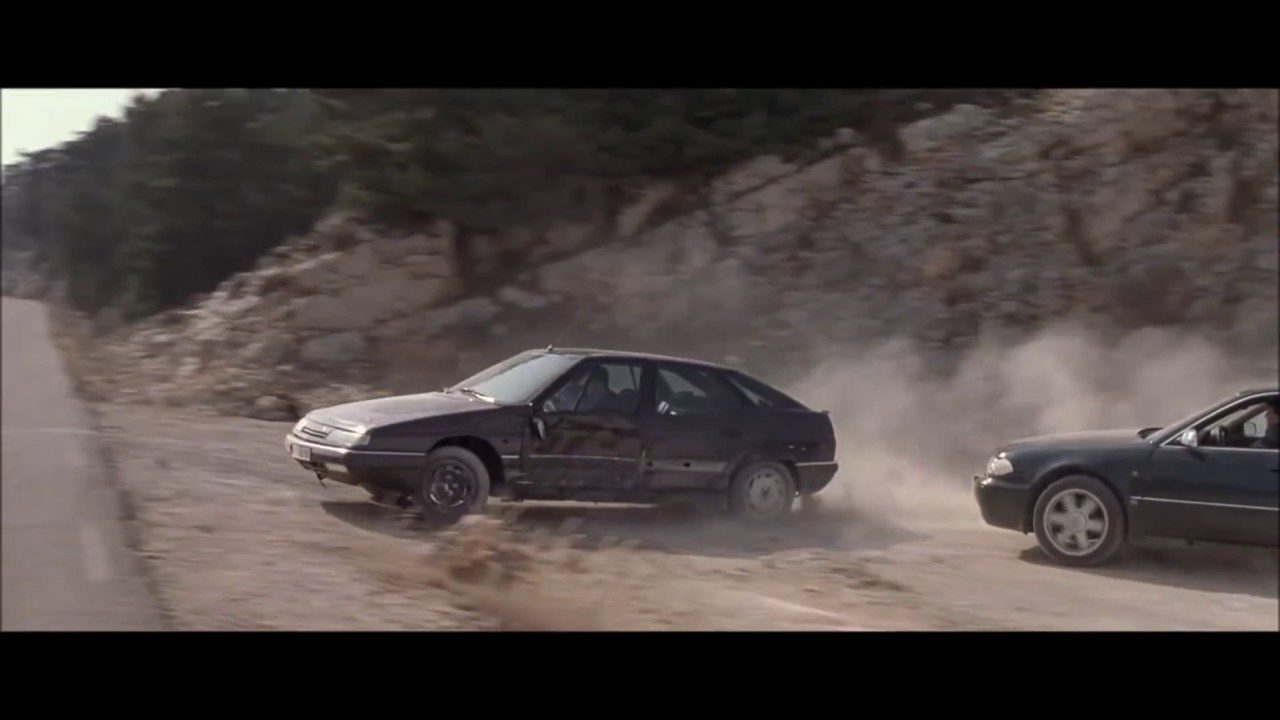
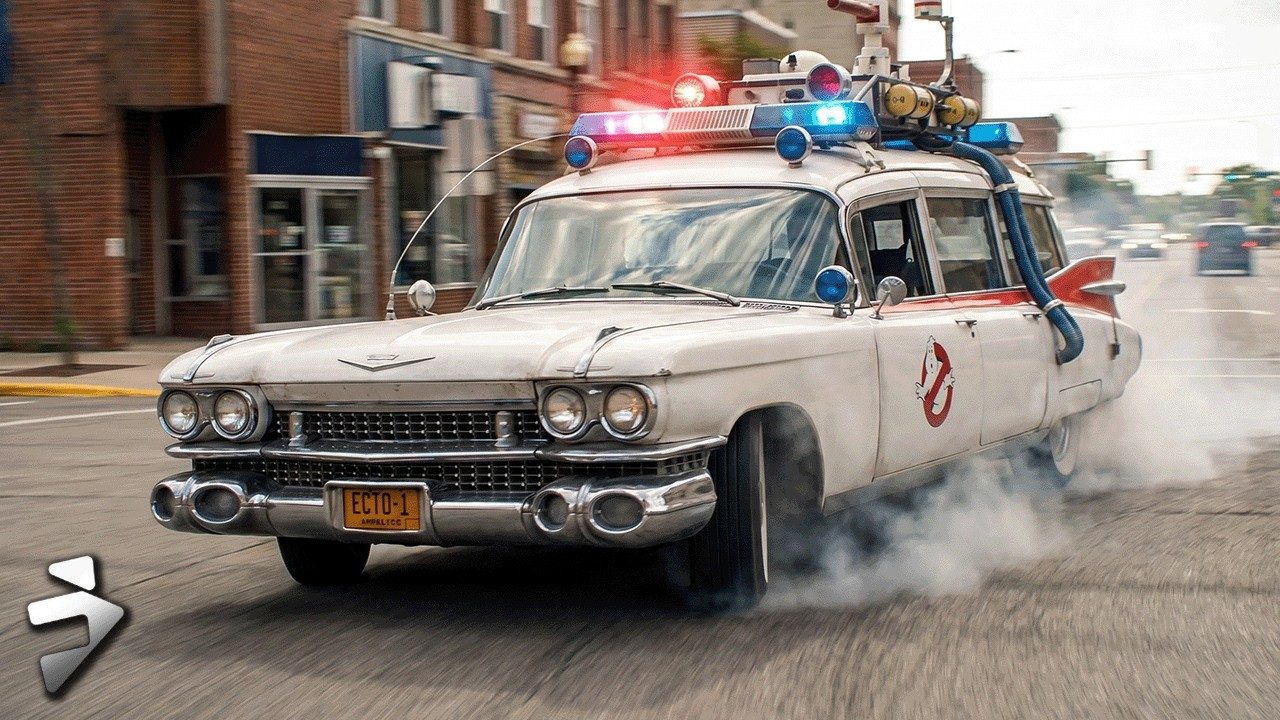
13. 1959 Cadillac Ambulance Ecto-1 in Ghostbusters (1984)
The Ecto-1 is a prime example of repurposing industrial machinery for unconventional roles. Based on a 1959 Cadillac Miller-Meteor Sentinel combination coach, the vehicle was originally designed to serve as both an ambulance and a hearse. In Ghostbusters, the car was chosen for its imposing size and distinct aesthetic. The restoration of the vehicle for the film cost a significant portion of the production’s technical budget, requiring a complete overhaul of the suspension and drivetrain to accommodate the heavy roof-mounted equipment. It remains one of the most recognizable vehicles in film history, symbolizing the blend of retro-futurism and utility.
12. Ford GT40 in Ford v Ferrari (2019)
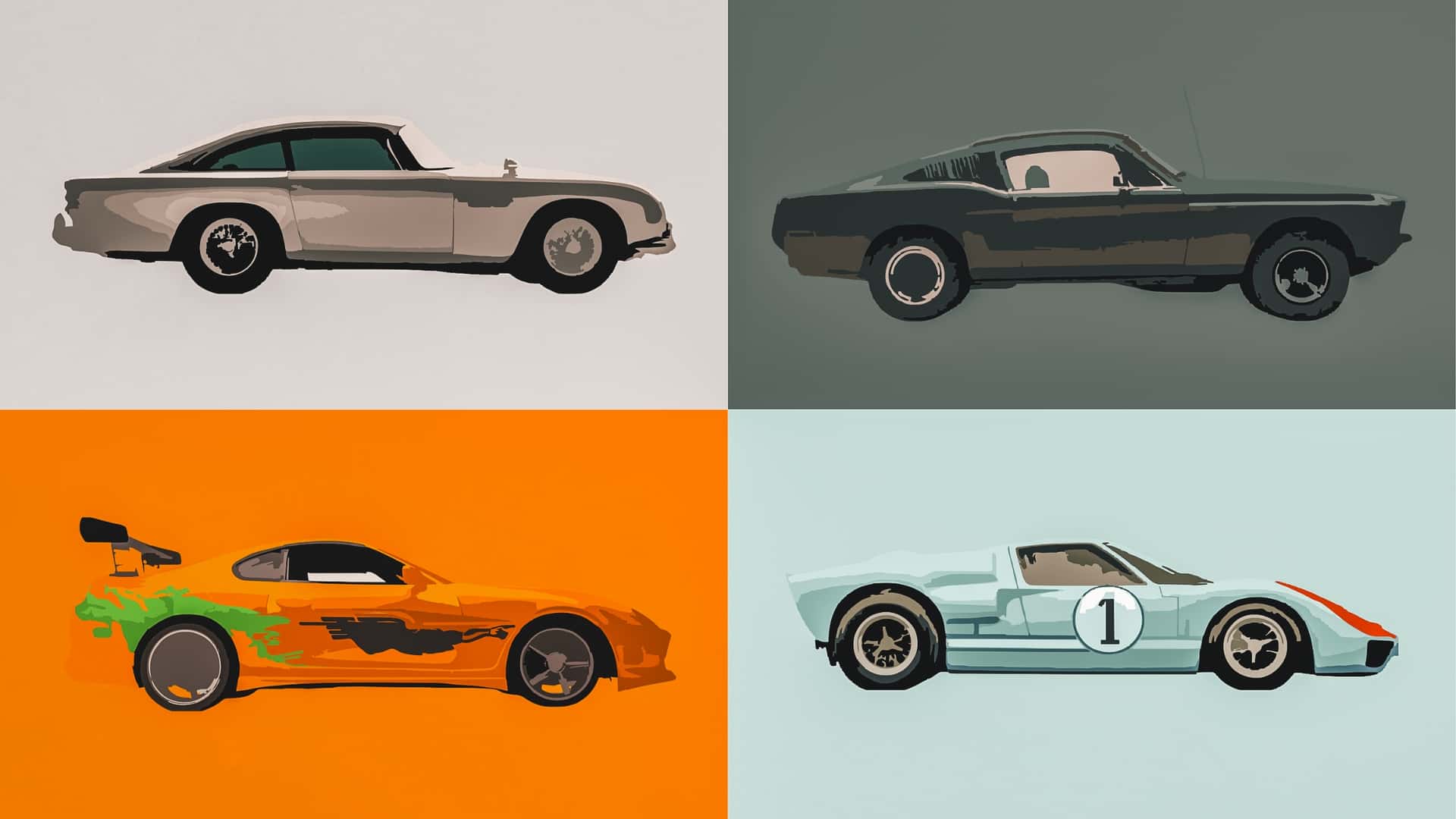
Ford v Ferrari chronicles the intense rivalry between Ford Motor Company and Ferrari at the 1966 24 Hours of Le Mans. The film accurately depicts the development of the GT40, a vehicle engineered to break Ferrari’s dominance in endurance racing. The engineering prowess of the GT40—specifically the 7.0-liter V8 engine and its revolutionary aerodynamic profile—is presented as the catalyst for Ford’s eventual victory. The production utilized high-fidelity replicas built by Superformance, which have since become highly sought-after by collectors, effectively bridging the gap between historical racing heritage and modern automotive enthusiasm.
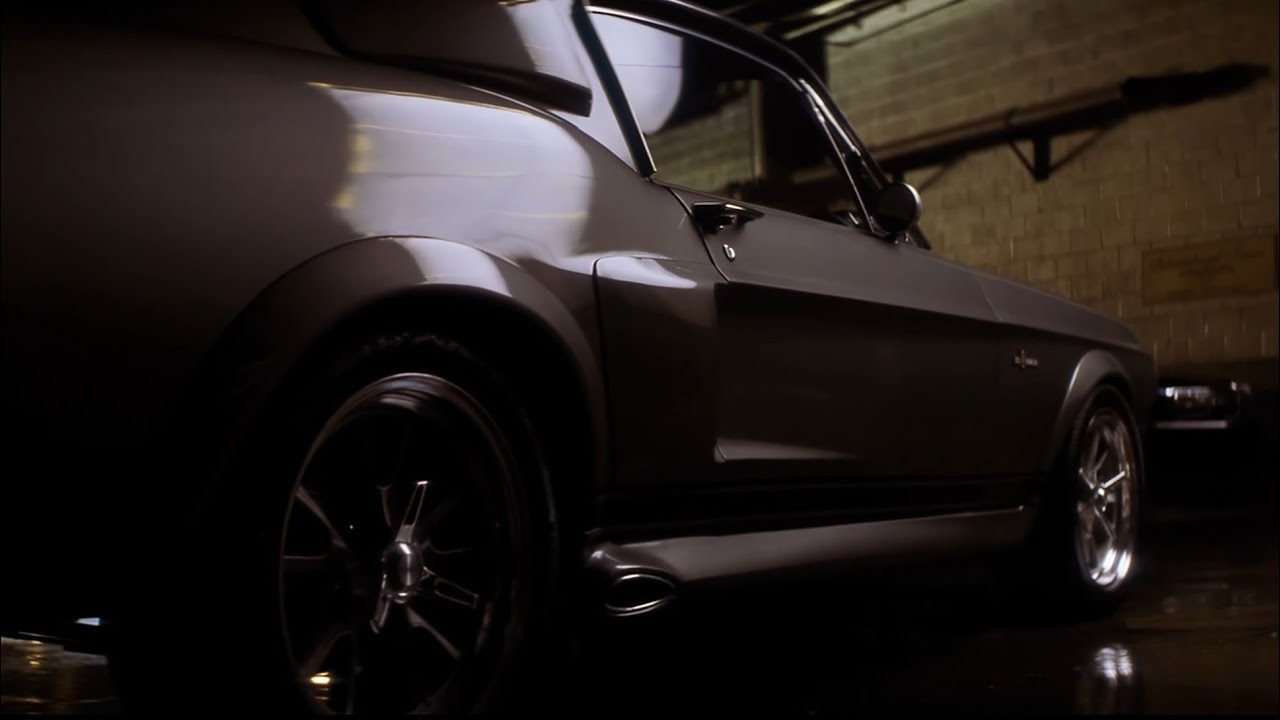
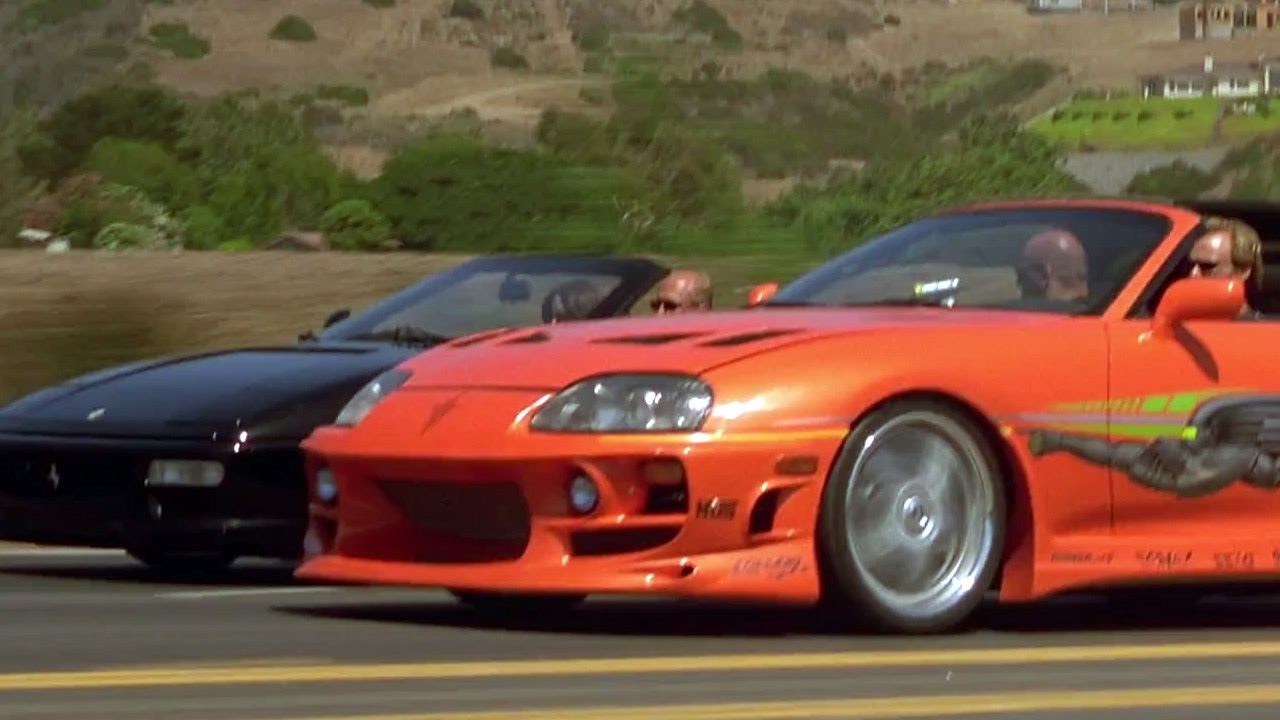
11. 1994 Toyota Supra in The Fast and the Furious (2001)
The 2001 release of The Fast and the Furious brought import tuner culture into the mainstream. The 1994 Toyota Supra, driven by the character Brian O’Conner, served as the ambassador for this movement. Powered by the legendary 2JZ-GTE inline-six engine, the vehicle was showcased as a platform for significant performance upgrades, including twin-turbo configurations and nitrous oxide injection. The film’s success triggered a surge in the market value of the A80 Supra, demonstrating the power of cinema to dictate trends in the secondary automotive market.
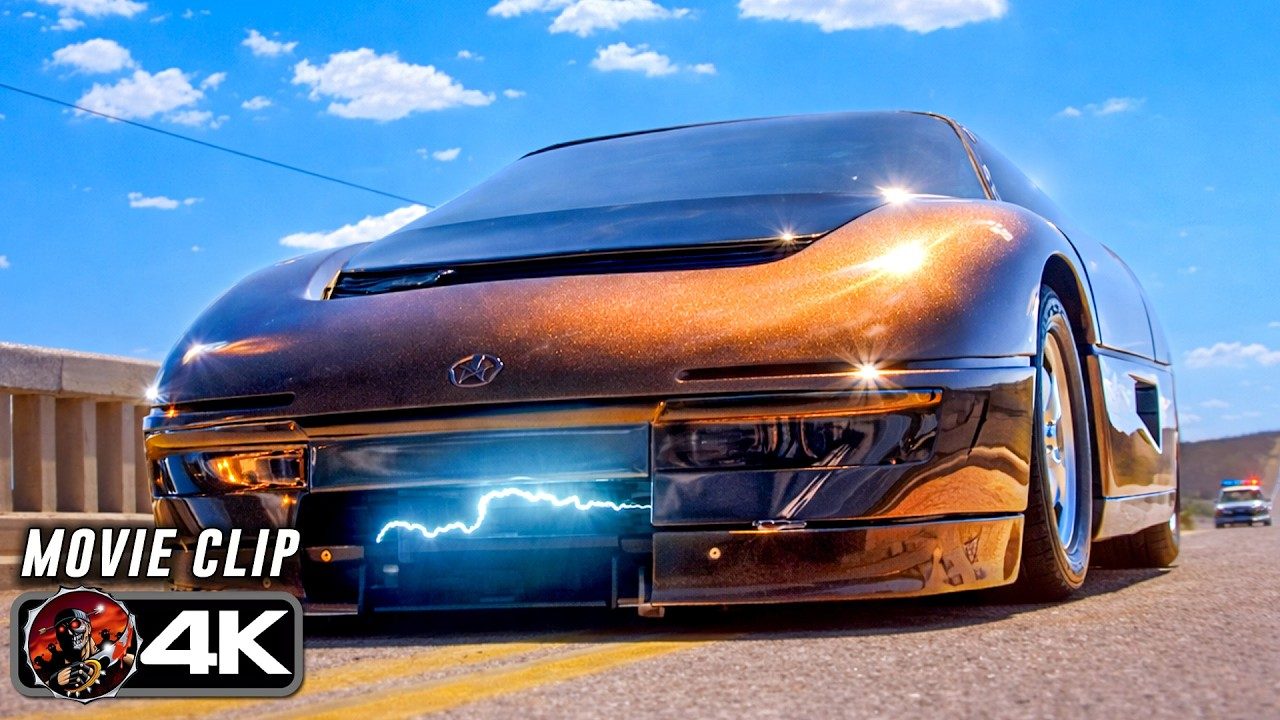
10. Dodge M4S Turbo Interceptor in The Wraith (1986)
The Dodge M4S was a prototype vehicle developed in the early 1980s to showcase the potential of mid-engine, turbocharged performance. Featuring a 2.2-liter engine that produced approximately 440 horsepower, the car was capable of exceeding 190 mph. Its role in the 1986 film The Wraith gave the prototype a second life, transforming it into an iconic piece of 80s cult cinema. The vehicle’s sleek, aerodynamic design and pop-up headlights made it an ideal candidate for a film centered on supernatural speed and high-octane revenge.
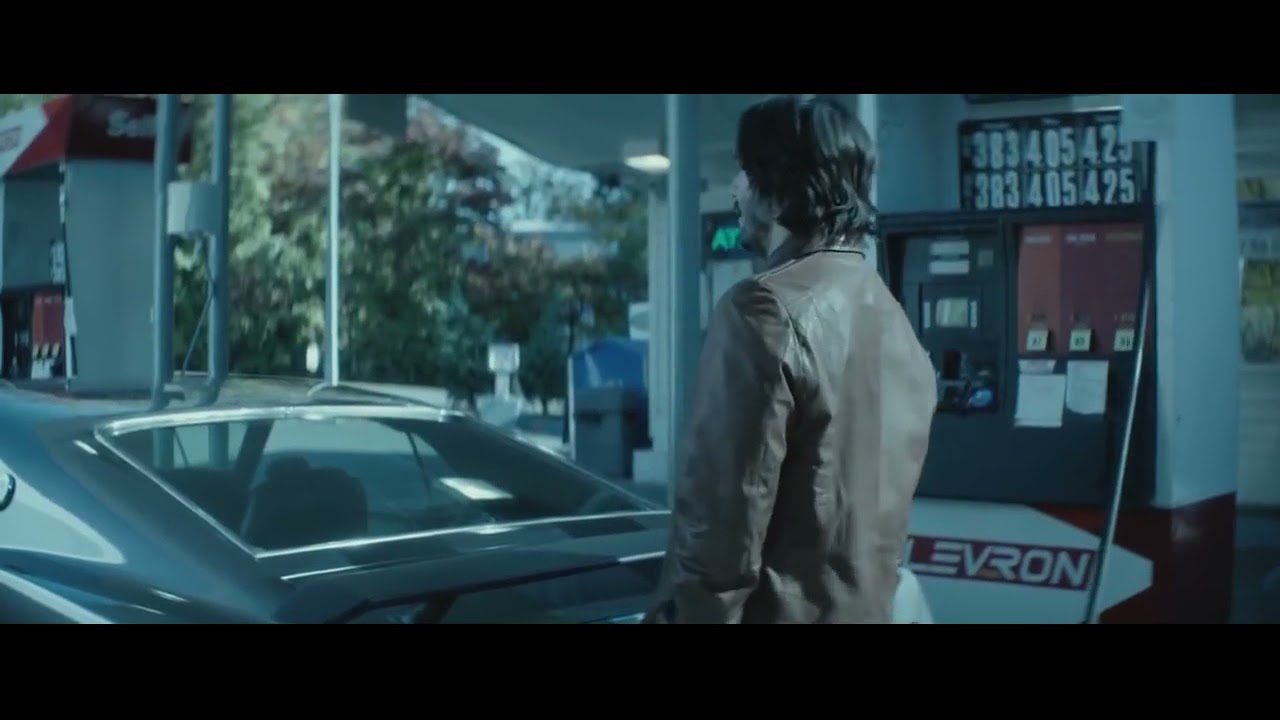
9. 1969 Ford Mustang Mach 1 in John Wick (2014)
In the John Wick franchise, the protagonist’s 1969 Ford Mustang acts as a catalyst for the film’s primary conflict. While often mistaken by characters in the film as a Boss 429, the actual vehicles used during production were Mach 1 models modified with specific trim pieces to achieve a more minimalist aesthetic. The car’s prominence serves as an extension of the character’s personality: powerful, understated, and historically significant. Its inclusion in the film sparked a renewed interest in classic American muscle cars among younger audiences.
8. 1970 Dodge Charger R/T in The Fast and the Furious (2001)
The Dodge Charger R/T represents the classic American muscle aesthetic in the Fast and the Furious franchise. Defined by its massive blower and raw, unrefined power, the car serves as the antithesis to the import tuners featured in the same film. The vehicle’s "wheelie" sequence remains one of the most iconic moments in action cinema. Its evolution throughout the franchise—from an off-road modified version in Furious 7 to the classic street racer—shows how the production team utilized the vehicle as a evolving symbol of the series’ core characters.
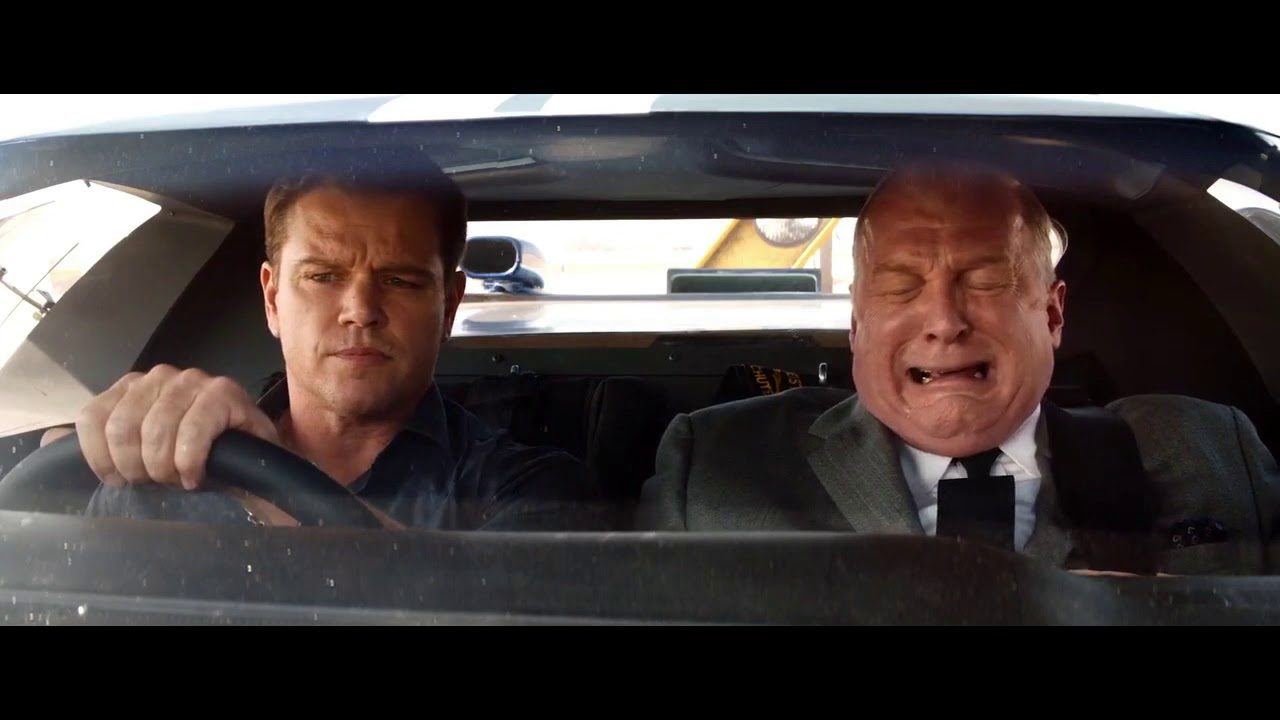
7. 1973 Ford Falcon XB GT in Mad Max (1979)
Set in a dystopian future where fuel is the most valuable commodity, the "V8 Interceptor" is the definitive character of the Mad Max series. The 1973 Ford Falcon XB GT, modified with an exaggerated hood scoop and roof-mounted spoilers, serves as a testament to the "last of the V8s." The film’s Australian origins highlighted the unique domestic muscle car culture of the 1970s, which differed significantly from American counterparts. The Interceptor’s rugged design and mechanical simplicity made it the perfect visual shorthand for the film’s post-apocalyptic setting.
6. 1977 Pontiac Firebird Trans Am in Smokey and the Bandit (1977)
The Pontiac Firebird Trans Am, specifically the black-and-gold model driven by Burt Reynolds, is perhaps the most iconic American car of the late 1970s. Despite the "smog-era" V8 engines which were criticized for their lack of power, the Trans Am’s design, featuring the prominent "screaming chicken" hood decal, became a cultural touchstone. The film’s massive commercial success significantly boosted sales for Pontiac, and the car became the quintessential symbol of 1970s highway culture.
5. DeLorean DMC-12 in Back to the Future (1985)
The DeLorean DMC-12 is the rare instance of a car becoming more famous for its fictional role than its real-world performance. While the actual DMC-12 was hampered by an underpowered V6 engine and production delays, its gull-wing doors and stainless-steel body were perfectly suited for the Back to the Future franchise. The addition of the "flux capacitor" and the 88-mph speed requirement transformed the car into a narrative device, cementing its status as an icon of 1980s pop culture.
4. The Batmobile (Various Iterations)
The Batmobile is unique in that it has undergone more transformations than any other cinematic vehicle. From the customized 1955 Lincoln Futura in the 1966 Batman television series to the tank-like "Tumbler" in Christopher Nolan’s Dark Knight trilogy, the vehicle has evolved to reflect the tone of the director’s vision. Each iteration, including the brutalist design of the vehicle in the most recent The Batman film, serves as a high-tech representation of the character’s resources and tactical requirements.
3. 1968 Ford Mustang GT in Bullitt (1968)
The chase sequence in Bullitt, featuring a Highland Green 1968 Ford Mustang GT, remains the standard by which all other cinematic car chases are measured. The film emphasized realism over special effects, with Steve McQueen himself performing many of the high-speed maneuvers. The raw sound of the V8 engine and the visceral handling of the Mustang during the San Francisco hill jumps defined the "cool" factor of 1960s American muscle. It remains a foundational text in automotive cinematography.
2. 1961 Ferrari 250 GT California Spyder in Ferris Bueller’s Day Off (1986)
The Ferrari 250 GT California Spyder is widely considered one of the most beautiful and valuable automobiles ever designed. Its role in Ferris Bueller’s Day Off serves as a focal point for the film’s themes of youth, rebellion, and the appreciation of the present moment. The irony of the film—that such a masterpiece is kept under wraps by a disconnected father—only heightens its status. The production famously used fiberglass replicas for the film’s more dangerous stunts, as the real vehicle was far too valuable to be risked.
1. Aston Martin DB5 in the James Bond Franchise
Since its debut in Goldfinger (1964), the Aston Martin DB5 has been the definitive Bond car. It represents the perfect synergy between British elegance and technological gadgetry. With its machine guns, oil slick sprayers, and revolving license plates, the DB5 defined the "spy car" archetype. While other vehicles, such as the Lotus Esprit and various BMW models, have appeared in the franchise, the DB5 is the car that remains synonymous with the character. It serves as a bridge between the classic era of Bond and his modern incarnations, maintaining its relevance across six decades of cinematic history.