Tesla Canada Prepares to Pivot Model 3 Lineup as Website Updates Hint at Fremont-Built Long Range RWD Return

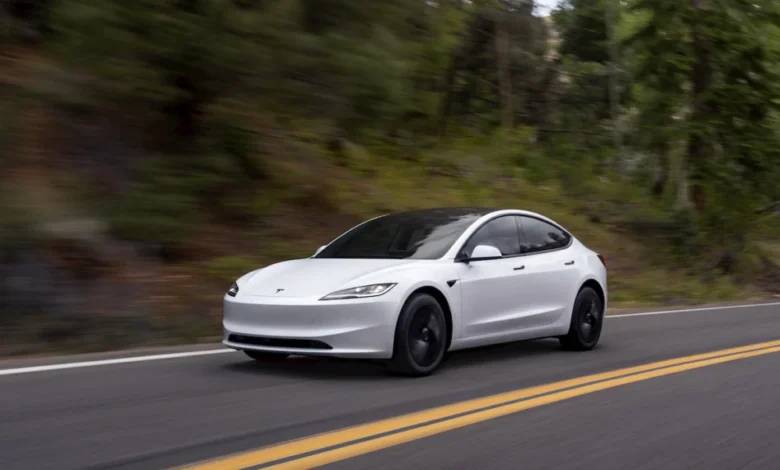
Tesla Canada has quietly modified its online configurator to display updated technical specifications for the Model 3 Premium Rear-Wheel Drive (RWD), pointing to a potential shift in the vehicle’s manufacturing origin. The refreshed website listings indicate an increased driving range of 584 kilometers on a single charge and an acceleration time of zero to 100 km/h in 5.2 seconds. These figures match the exact performance metrics of the Fremont-built Long Range RWD variant that Tesla previously distributed to Canadian consumers two years ago, diverging sharply from the specifications of the more affordable Chinese-built iterations that have dominated recent sales.
The discovery was initially brought to light by Canadian Tesla enthusiast RJ, who shared the configuration changes on social media platform X. The updated data appears under the "Model 3 Premium Specs" heading on the Canadian portal, specifying a curb weight of 1,745 kilograms alongside marketing copy promising up to 584 km of EPA-estimated range. Despite these digital updates, surrounding marketing materials and official comparison pages on the site have not yet been uniformly updated, continuing to display legacy specifications associated with the lower-cost Chinese imports.
Background Context and Regulatory Hurdles
To understand the significance of these digital changes, one must examine the complex regulatory and trade landscape that has defined the Canadian electric vehicle market over the past several years. In October 2024, Tesla Canada offered a Fremont-built Model 3 Long Range RWD starting at $54,990 CAD, which qualified for federal electric vehicle purchase incentives. However, geopolitical trade measures introduced in April 2025 altered the domestic automotive supply chain significantly. Canada implemented a 25% counter-tariff on vehicles imported from the United States, forcing automakers to restructure their regional distribution models.
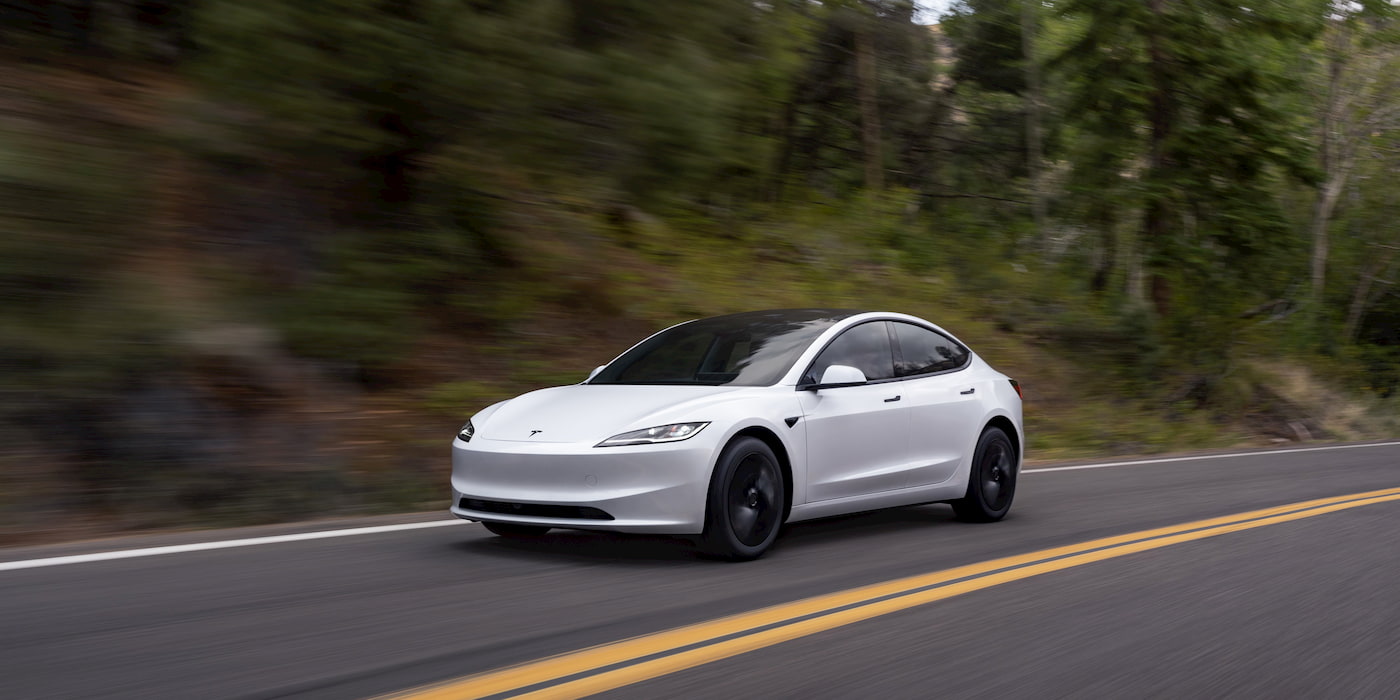
In response to these tariffs, Tesla pivoted its supply chain strategy. The company evacuated its remaining North American inventory from Canada and transitioned toward importing vehicles manufactured at Giga Shanghai in China. This shift enabled the introduction of a heavily discounted Model 3 Premium RWD priced at an unprecedented $39,490 CAD in May 2026, offering 463 km of range and a 0-100 km/h time of 6.2 seconds. This aggressive pricing strategy drove record-breaking sales volumes, leading to the rapid depletion of the federal import quota allocated for Chinese-built vehicles.
By early October 2026, the Canadian government determined that Tesla had exhausted its permitted import allocation for Chinese-manufactured units. Consequently, online orders for the popular $39,490 CAD variant were suspended indefinitely. Current advisories on Tesla’s Canadian portal state that ordering for these specific trims will remain paused until government import quotas are refreshed, an administrative event not anticipated until March 2027. Presently, the sole Model 3 variant available for order in Canada is the high-performance dual-motor configuration, which retails at $74,990 CAD following previous pricing adjustments.
Chronology of Manufacturing and Supply Shifts
The trajectory of the Model 3 lineup in Canada highlights a rapid sequence of logistical adjustments driven by trade policy:
- October 2024: Tesla offers the Fremont-built Model 3 Long Range RWD in Canada with a 584 km range, priced at $54,990 CAD.
- April 2025: Implementation of Canada’s 25% counter-tariff on American-made automobiles alters pricing and profitability structures.
- March 2026: Tesla clears remaining North American inventory out of Canada, preparing for an exclusive transition to Chinese manufacturing.
- May 2026: Giga Shanghai-built Model 3 Premium RWD launches in Canada at a record-low price point of $39,490 CAD, sparking a surge in consumer demand.
- October 2026: Federal import quotas for Chinese-manufactured vehicles are fully exhausted, prompting Tesla to temporarily halt orders for the entry-level variant.
- Late October 2026: Tesla Canada updates its website backend to reflect Fremont specifications (584 km range, 5.2 seconds), signaling a potential return of North American supply.
Economic Implications of Fremont Reintegration
The prospective return of Fremont-built vehicles introduces distinct financial and commercial challenges for consumers and the manufacturer alike. Because the 25% counter-tariffs on United States automotive imports remain fully active according to the Department of Finance, vehicles sourced from Fremont carry a substantial financial burden. When these tariffs initially impacted the market, Tesla adjusted prices upward significantly, rendering base rear-wheel-drive configurations temporarily economically unviable.

If Tesla applies a comparable pricing structure to a newly reintroduced Fremont-built Premium RWD, industry analysts estimate the retail price could land between $65,000 and $67,000 CAD. Such a valuation would exceed the $50,000 transaction price cap established by federal clean-transportation incentive programs. While vehicles built in North America technically qualify for preferential treatment under the Canada-United States-Mexico Agreement (CUSMA), the imposition of domestic counter-tariffs and the strict thresholds of consumer rebate programs complicate affordability.
Furthermore, consumers facing a price point in the mid-$60,000 range may exhibit reluctance, particularly when high-performance trims remain priced at $74,990 CAD and alternative global automakers prepare new product offerings for the upcoming calendar year. Market observers note that Canadian buyers who missed out on the lower-priced Chinese allocation may choose to exercise patience, awaiting the scheduled relaxation of import quotas in the spring or evaluating competing electric options entering the North American market.
Broader Market Impact and Strategic Outlook
Tesla’s recent digital configuration updates suggest corporate strategy is actively evaluating bridge solutions to maintain sales momentum during the winter interim period. Without an intermediate RWD offering, the company faces a multi-month window where prospective buyers must either purchase the premium performance tier or delay their purchasing decisions entirely.
While official corporate announcements regarding the formal reintroduction of North American-sourced Model 3 variants remain pending, historical precedent indicates that technical specifications are rarely modified unless a commercial rollout is actively under consideration. However, the intersection of existing trade barriers, fiscal thresholds for government incentives, and shifting consumer preferences means any intermediate deployment of Fremont-built vehicles will navigate a complex economic landscape. As the industry looks toward the first quarter of 2027, both regulatory shifts and international manufacturing capacities will dictate the long-term pricing and availability of electric sedans across the Canadian market.