Alpine’s Future Four-Seat Electric Sports Car Rejects Retro Design in Favor of Modern Innovation

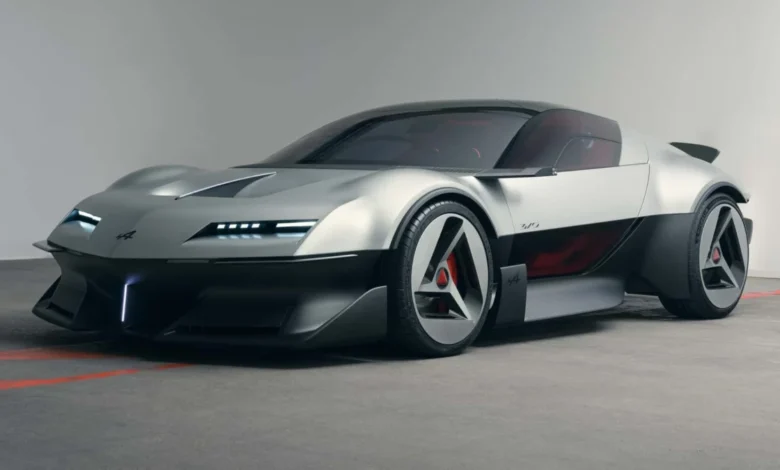
The strategic direction for Alpine’s upcoming 2+2 electric sports car has been firmly established, marking a definitive departure from the brand’s previous flirtation with its own heritage. Alpine CEO Philippe Krief has officially confirmed that the vehicle, currently in development, will eschew the wedge-shaped aesthetics of the iconic 1970s and 1980s A310. Instead, the French manufacturer is pivoting toward a clean, forward-looking design language, signaling a commitment to "very, very modern" visual cues that prioritize innovation over nostalgia.
This decision brings an end to a period of internal debate within the Alpine design studios, where teams had been divided between two distinct philosophies. One school of thought advocated for a revival of the classic, angular aesthetic that defined the original A310, aiming to leverage the brand’s storied past to attract enthusiasts. The opposing faction argued for an avant-garde approach, drawing inspiration from the Alpenglow concept car—a prototype that serves as a manifesto for Alpine’s future design DNA. By siding with the latter, Krief has signaled that the next generation of Alpine vehicles will not be constrained by the silhouette of their predecessors.
The Foundation of the New Era: The APP Platform
At the heart of this upcoming 2+2 model lies the Alpine Performance Platform (APP). This modular, high-performance electric vehicle architecture is the cornerstone of the brand’s electrification strategy. Designed specifically to handle the demands of a high-performance sports car, the APP is engineered for versatility, capable of supporting varying body styles, battery capacities, and powertrain configurations.
The importance of this platform cannot be overstated. It is designed to bridge the gap between the internal combustion engine legacy of the current A110 and a fully electrified future. The next-generation A110, which is also slated to transition to the APP, will be the first vehicle to showcase this hardware’s capabilities in a production environment. With an anticipated arrival around 2027, the brand is working to ensure that the transition to electric power does not sacrifice the driving dynamics that have made the A110 a benchmark in the lightweight sports car category.
A Departure from the A310 Vision Concept
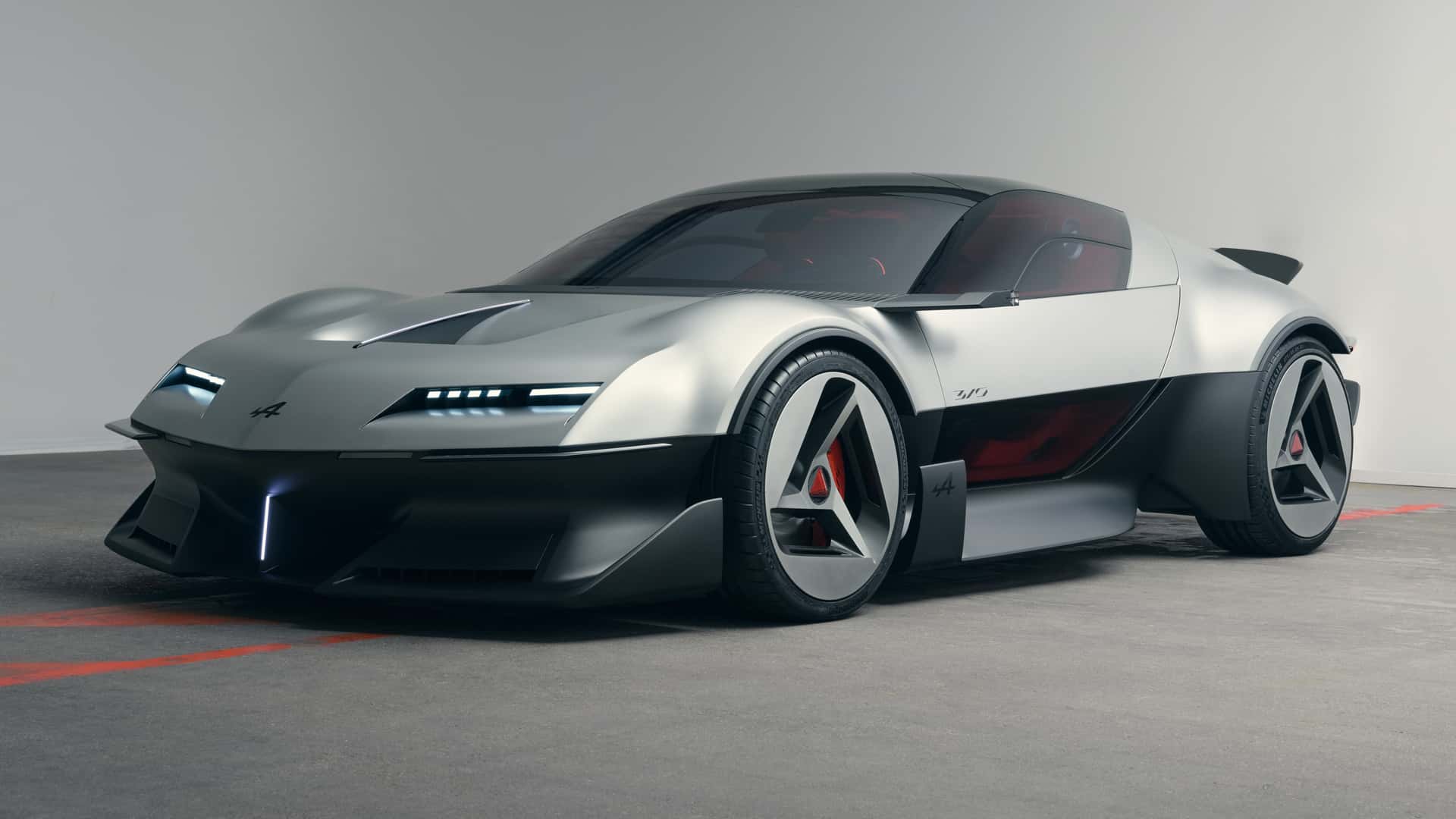
The rejection of the A310 aesthetic directly impacts the status of the A310 Vision show car, which debuted to significant public interest at the Paris Motor Show. The Vision concept, characterized by its retro-futuristic styling, was widely perceived as a harbinger of a future production model. However, under the new directive, the concept is to be viewed as an independent design study—a "creative experiment" rather than a blueprint for mass production.
The decision reflects a calculated assessment of global brand recognition. According to Krief, while the original A110 is widely celebrated as an "absolute timeless beauty" on the international stage, the A310 occupies a more nuanced position. Its appeal is largely centered among French automotive enthusiasts and brand connoisseurs, a demographic that is significant but inherently more niche than the broad, global audience Alpine seeks to capture with its upcoming 2+2.
Chronology of Strategic Evolution
The evolution of this project follows a clear timeline that highlights the company’s shifting priorities:
- 2023–Early 2024: Initial development phase begins, focusing on the utilization of the APP platform. Internal design teams draft competing proposals, with a strong emphasis on the A310-inspired wedge design.
- Late 2024: The A310 Vision concept is unveiled at the Paris Motor Show. The positive public reception triggers further debate regarding the production direction of the 2+2 model.
- 2025 (First Half): Executive leadership, led by CEO Philippe Krief, evaluates the long-term market viability of retro versus modern styling.
- Current Status: The decision is finalized to move away from retro cues, prioritizing a modern, proprietary design language for the upcoming production model.
- 2027 (Projected): The expected market launch of the new electric 2+2, following the introduction of the next-generation electric A110.
Economic Realities and the "Ferrari" Benchmark
The economic rationale behind Krief’s decision is rooted in the harsh realities of the automotive manufacturing sector. The CEO has been transparent about the financial challenges inherent in producing low-volume, specialized sports cars. In his assessment, the pursuit of niche, retro-styled vehicles is rarely a path to profitability.
Krief noted that, with the exception of Ferrari, few manufacturers have successfully turned a profit on specialized, niche-focused vehicles. This acknowledgment underscores why Alpine is prioritizing a broader, more modern appeal for its 2+2. By avoiding the costs associated with niche product development that may have limited sales potential, the company is positioning itself for more sustainable growth.
While he has not ruled out the possibility of a limited-run, A310-inspired special edition, he has clarified that such a vehicle would not be a core volume driver. Comparing the potential for an A310-style car to the recently unveiled A110 R Ultime, Krief suggested that such models serve as brand-building exercises rather than profit centers. Whether these niche variants will be produced remains an open question, contingent on market demand and the maturity of the dealer network post-launch.
Broader Implications for the Brand
The pivot toward a modern design language has significant implications for Alpine’s identity. By moving away from its most recognizable silhouettes, the brand is essentially betting that its future value lies in its engineering prowess and "very modern" technological capability rather than in capitalizing on vintage sentimentality.
This strategy is common among performance brands attempting to bridge the gap between legacy and electrification. Porsche, for instance, has successfully maintained a design language that evolves while retaining brand DNA, whereas other manufacturers have opted for "clean-sheet" designs to signal the radical shift to electric power. Alpine’s decision to move toward the latter suggests a desire to redefine itself for a new generation of buyers who may not have the same attachment to the 1970s rally era.
Furthermore, the integration of the APP platform suggests that Alpine is preparing for a period of rapid expansion. By creating a unified technological base for both the A110 successor and the new 2+2, the company is likely aiming to achieve economies of scale that are crucial for the sustainability of a premium electric performance brand.
Analysis of the Market Context
The luxury sports car market is currently experiencing a period of significant volatility as manufacturers struggle to balance the demands of environmental regulations with the expectations of enthusiasts who favor traditional driving dynamics. Alpine’s focus on the "2+2" format is a strategic attempt to capture a segment of the market that demands more utility than a traditional two-seater without sacrificing the performance characteristics of a sports car.
The lack of a specific on-sale date for the 2+2 model indicates that Alpine is taking a cautious, data-driven approach to its product lifecycle. By linking the rollout of the 2+2 to the profitability of the dealer network and the reception of the A110 electric, Krief is ensuring that the brand does not overextend itself. This measured pace is a departure from the aggressive, high-risk strategies often seen in the EV startup sector, reflecting the conservative, long-term planning typical of the Renault-owned brand.
Conclusion
As Alpine prepares for its next chapter, the decision to abandon the A310 aesthetic in favor of a modern, forward-looking design marks a pivotal moment. While the A310 remains a cherished piece of history, the company has decided that its future must be defined by innovation rather than replication. With the APP platform serving as the technological backbone and a commitment to modern, distinctive styling, Alpine is setting the stage for a transformation that aims to secure its place in the competitive landscape of the next decade. Whether this shift will satisfy the brand’s loyal base while simultaneously attracting a new, global audience remains the primary challenge facing Philippe Krief and his team as they move toward the 2027 target.