Microsoft Extends Backward Compatibility to PC, Bringing Original Xbox Classics to Windows Desktops.

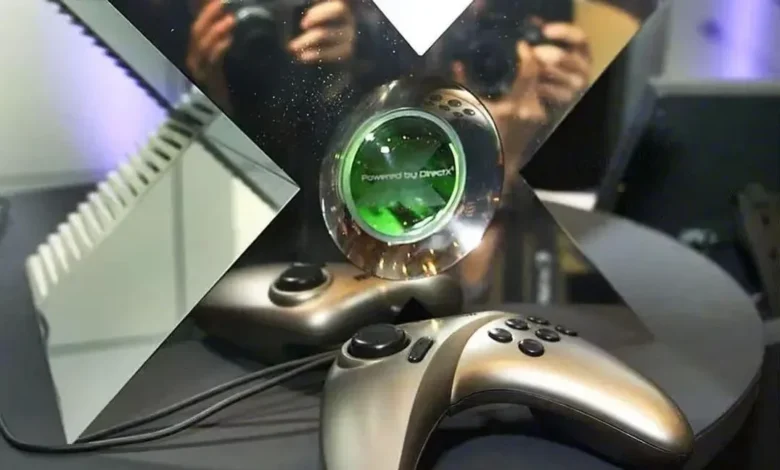
Today marks a significant expansion of Microsoft’s long-standing commitment to game preservation and player choice, as the company officially launches its "Xbox Backward Compatibility on PC" program. For the first time, select titles from the original Xbox console generation are now playable and purchasable on Windows PCs, extending a core selling point of the Xbox console ecosystem to a broader audience. This initiative underscores a strategic pivot by Microsoft to blur the lines between its console and PC gaming platforms, leveraging its comprehensive Game Pass subscription service as a central pillar.
The inaugural wave of titles available through this program includes four beloved original Xbox classics: BLiNX: The Time Sweeper, Conker: Live and Reloaded, Crimson Skies: High Road to Revenge, and Fuzion Frenzy. These games, which hold nostalgic value for many early Xbox adopters, can now be downloaded and played on compatible Windows systems. Each title is available for a standalone purchase price of $10. However, in a move that reinforces the value proposition of its subscription service, Microsoft is offering instant access to these games for current Xbox Game Pass subscribers, as well as for those who already possess existing digital licenses for these specific titles on Xbox consoles. It is important to note, however, that the program does not support the use of physical original Xbox game discs in PC drives.
Beyond mere emulation, the PC iteration of these classic games introduces a suite of graphical enhancements designed to modernize their presentation for contemporary displays. PC players can benefit from features such as Vsync support, anisotropic filtering, enhanced anti-aliasing, and substantial resolution scaling, allowing the original standard definition signal to be upscaled up to 4x, reaching resolutions of 2560×1920. Despite these visual upgrades, the games are intentionally limited to their original frame rates, typically 30 frames per second (fps), and maintain their original 4:3 aspect ratios, preserving the authentic gameplay experience of their era. Microsoft has outlined modest system requirements for the program, stating that the initial batch of games should be playable on hardware as old as an 11-year-old NVIDIA GTX 950 graphics card. For optimal performance and to fully leverage the graphical enhancements, the company recommends a more contemporary setup, specifically a 2017-era NVIDIA GTX 1070 Ti equipped with 8GB of VRAM.
Early technical assessments, including those conducted by Digital Foundry, indicate that the PC experience for these titles largely mirrors their performance on modern Xbox Series X consoles. While this suggests a high degree of fidelity, testers also reported some minor technical imperfections. These included observations of weak anisotropic filtering in certain instances, occasional frame timing issues that could lead to "jerky camera motion," and a handful of other visual bugs present across the initial selection of games. These findings suggest that while the program is a robust step forward, there may be ongoing optimizations or future patches to refine the experience.
A Decades-Long Commitment: The Evolution of Xbox Backward Compatibility
Microsoft’s foray into backward compatibility for PC gaming is not an isolated event but rather the latest chapter in a long-standing strategic pillar for the Xbox brand. Since the introduction of the Xbox 360 in 2005, which offered limited backward compatibility with original Xbox titles via software emulation, Microsoft has consistently prioritized the ability for players to access their existing game libraries across new hardware generations. This commitment deepened significantly with the Xbox One, where in 2015, the company unveiled a comprehensive backward compatibility program for Xbox 360 titles, later expanding in 2017 to include a selection of original Xbox games. The launch of the Xbox Series X and Series S consoles in 2020 further cemented this philosophy, with both systems boasting full backward compatibility across four generations of Xbox games, allowing thousands of titles to be played, often with performance enhancements like higher resolutions, improved frame rates, and Auto HDR.
This consistent focus on backward compatibility stands in contrast to the approaches taken by some competitors and has been a key differentiator for Xbox. It provides tangible value to consumers by safeguarding their game purchases, ensuring that digital libraries remain accessible and relevant regardless of console upgrade cycles. Furthermore, it serves as a powerful tool for game preservation, preventing beloved titles from being lost to obsolescence as older hardware becomes harder to maintain. For Microsoft, it also represents a strategic advantage, fostering loyalty within its player base and providing a compelling reason to remain within the Xbox ecosystem.
The Broader Strategy: Xbox Game Pass and PC Gaming Integration
The introduction of original Xbox titles to PC is inextricably linked to Microsoft’s overarching strategy for Xbox Game Pass and its aggressive expansion into the PC gaming market. In recent years, Microsoft has made a concerted effort to establish Xbox as a cross-platform gaming powerhouse, moving beyond the traditional console-centric model. This pivot saw the company rebuild its presence on PC after earlier missteps with platforms like Games for Windows Live, culminating in the robust Xbox App for Windows and the significant investment in Xbox Game Pass for PC.
Xbox Game Pass, with its reported tens of millions of subscribers across console, PC, and cloud, has become the cornerstone of Microsoft’s gaming vision. Offering a vast library of games, including first-party titles on day one of their release, the service provides immense value. By integrating these original Xbox backward-compatible titles directly into Game Pass for PC, Microsoft further enhances the subscription’s appeal. It transforms Game Pass not just into a gateway for new releases, but also a digital museum for gaming history, accessible across multiple devices. This move reinforces the idea that an Xbox Game Pass subscription grants access to an expansive and evolving ecosystem, regardless of whether one owns an Xbox console or prefers PC gaming. It exemplifies Microsoft’s vision of an interconnected gaming future where player choice and accessibility are paramount.
Technical Underpinnings and Challenges of Cross-Platform Emulation
Bringing original Xbox games to a modern PC environment is a complex technical undertaking. Unlike simple porting, which involves rebuilding a game for a new platform, backward compatibility often relies on sophisticated emulation layers. This involves creating software that mimics the original Xbox’s hardware architecture, allowing its software to run on a completely different system. The success of Microsoft’s console backward compatibility programs suggests a highly refined internal emulation technology, which has likely been adapted and optimized for the Windows PC environment.
The challenges are numerous. Original Xbox games were developed for specific hardware specifications, including the custom Nvidia GPU and Intel Pentium III-derived CPU. Replicating this behavior accurately while also allowing for modern enhancements like higher resolutions and anti-aliasing requires significant engineering prowess. Furthermore, ensuring stability across the vast array of PC hardware configurations, from older budget systems to high-end gaming rigs, adds another layer of complexity. The reported initial glitches by Digital Foundry, such as "jerky camera motion" and visual bugs, are indicative of these inherent challenges in emulating legacy systems, where precise timing and rendering fidelity can be difficult to achieve perfectly across diverse hardware. Despite these initial observations, the overall sentiment from early testing indicates a largely positive and faithful experience, akin to playing on an Xbox Series X, which itself utilizes a robust emulation layer for older titles.
Industry Reactions and Strategic Implications
The announcement of Xbox backward compatibility on PC has been met with significant interest from industry analysts and the broader gaming community. For Microsoft, this move is widely seen as a further consolidation of its "play anywhere" strategy and a direct response to the continued growth of the PC gaming market, which analysts estimate to be worth over $40 billion annually, often surpassing the console market in revenue. It allows Microsoft to tap into a segment of gamers who may not own an Xbox console but are keen to experience classic titles, particularly those with a strong nostalgic connection to the original Xbox era.
From a game preservation perspective, this initiative is a substantial step. While the PC emulation community has long worked to make classic games playable, an official, commercially supported program provides a legitimate and often more stable avenue for players. It also provides a potential lifeline for certain intellectual properties that might otherwise remain dormant, offering developers and rights holders a new platform for their older titles. While the initial selection of four games is modest, the precedent set could pave the way for a much larger library of original Xbox and potentially even Xbox 360 titles to migrate to PC.
Industry observers suggest that this expansion also strengthens the competitive positioning of Xbox Game Pass against rival subscription services. While Sony’s PlayStation Plus Premium offers a selection of classic PlayStation titles, the integration of original Xbox games directly into the PC Game Pass ecosystem, alongside modern titles, offers a unique value proposition. Nintendo, with its Nintendo Switch Online service, also provides access to retro titles, but Microsoft’s approach aims for a more unified, cross-platform library.
The Road Ahead: Future Expansion and Ecosystem Synergy
The initial launch of four original Xbox titles on PC is likely just the beginning of what Microsoft envisions for this program. The success of this first wave will undoubtedly influence the pace and scope of future expansions. Licensing agreements, which are notoriously complex for older titles, will play a critical role in determining which games can be added to the PC backward compatibility library. However, given Microsoft’s deep relationships with various publishers and its ownership of numerous first-party Xbox IPs, there is significant potential for a robust catalog to emerge.
Beyond expanding the game library, this initiative could also pave the way for further integration with other elements of the Xbox ecosystem. For instance, the possibility of these backward-compatible titles eventually being streamable via Xbox Cloud Gaming on PC, mobile devices, and even smart TVs, would further democratize access and align with Microsoft’s vision of gaming wherever and whenever players desire.
In conclusion, Microsoft’s decision to extend original Xbox backward compatibility to Windows PCs represents a pivotal moment in its ongoing strategy to create a seamless, interconnected gaming ecosystem. By leveraging its established expertise in game preservation, bolstering the value of Xbox Game Pass, and embracing the vast PC gaming market, Microsoft is not merely offering old games on a new platform. It is redefining the boundaries of its gaming services, solidifying its commitment to player choice, and ensuring that the rich history of Xbox gaming remains vibrant and accessible for generations to come. This strategic maneuver underscores Microsoft’s ambition to be a leader in the future of gaming, irrespective of hardware platform.