Lancia Thesis: The Ambitious Italian Flagship That Challenged the European Executive Order

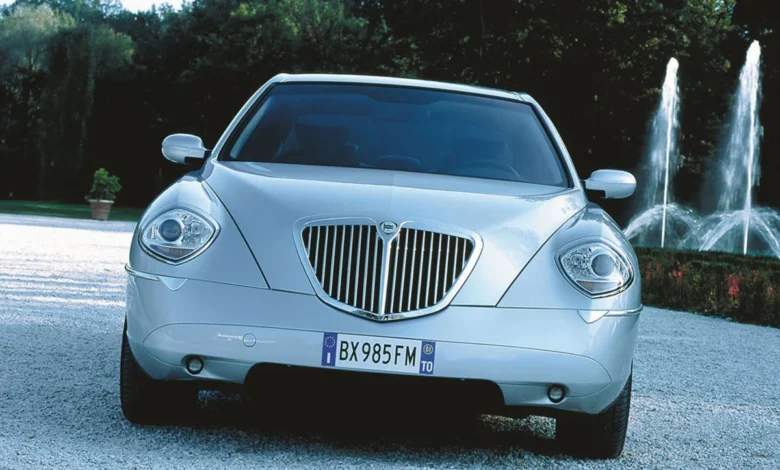
The Lancia Thesis remains one of the most enigmatic and ambitious projects in the history of the Italian automotive industry, representing a period when the Fiat Group sought to reclaim its position at the pinnacle of the luxury executive segment. Launched at the 2001 Geneva Motor Show, the Thesis was designed to be more than just a replacement for the aging Lancia Kappa; it was intended to be a sophisticated, high-technology alternative to the dominant German triumvirate of the BMW 5 Series, Mercedes-Benz E-Class, and Audi A6. Despite an enormous investment in research and development, a bespoke platform, and a suite of innovative features that were ahead of their time, the Thesis ultimately struggled to find a foothold in a market that demanded both mechanical perfection and brand prestige. With fewer than 20,000 units produced over its eight-year lifespan, the car serves as a case study in the complexities of automotive design, brand perception, and the unforgiving nature of the global luxury market.
The Genesis of a Neo-Retro Vision
The origins of the Lancia Thesis can be traced back to the late 1990s, a time when Lancia was attempting to redefine its identity. Moving away from the rally-bred performance image of the Delta Integrale era, the brand sought to return to its roots as a purveyor of "Granturismo" elegance and technological innovation. The blueprint for this transformation was the 1998 Lancia Dialogos concept car. Designed under the direction of Mike Robinson, the Dialogos was a radical departure from contemporary automotive styling. It featured a "living room" interior, suicide-style rear doors, and a high-set, shield-like front grille that paid homage to the classic Lancias of the 1930s and 40s.
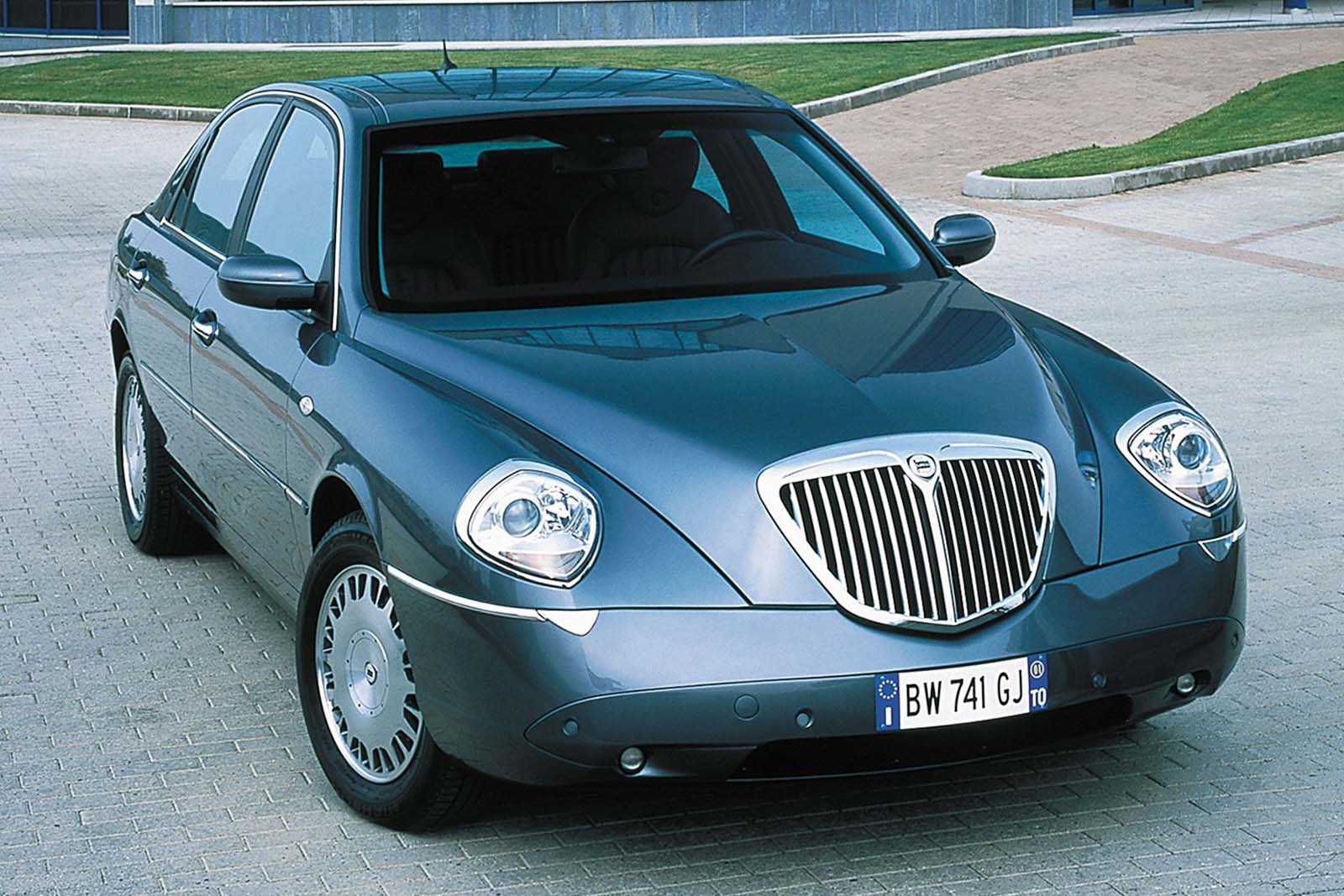
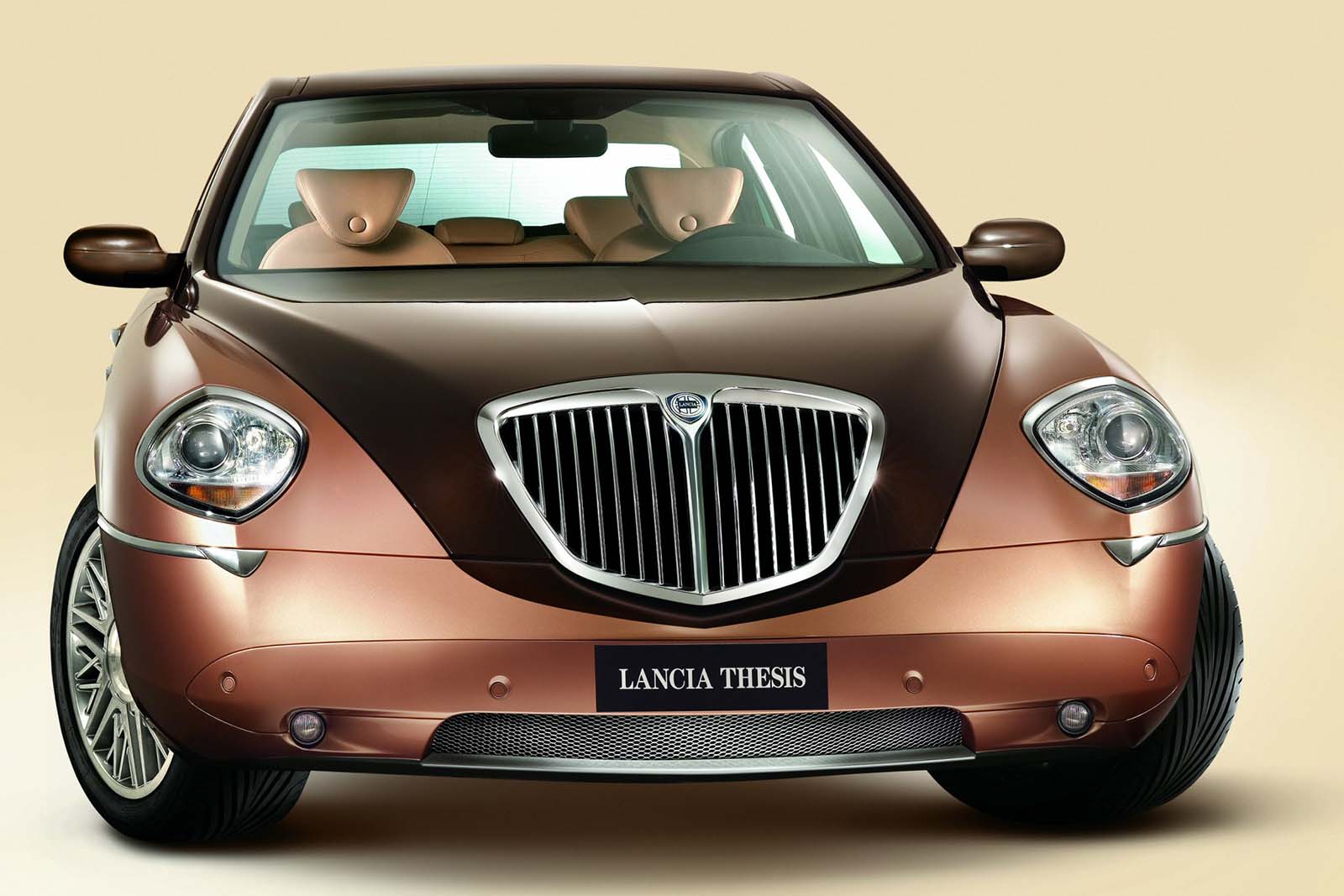
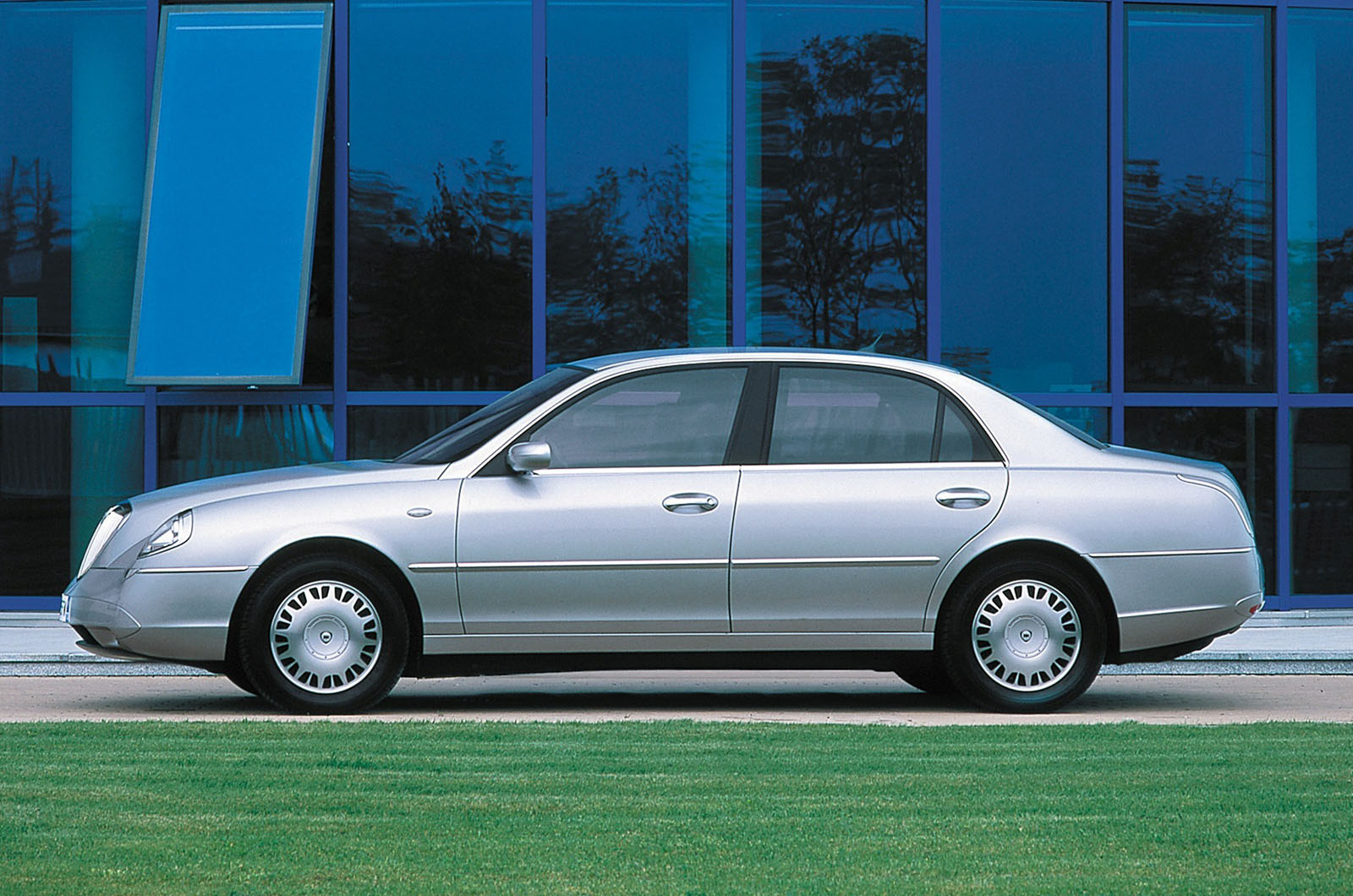
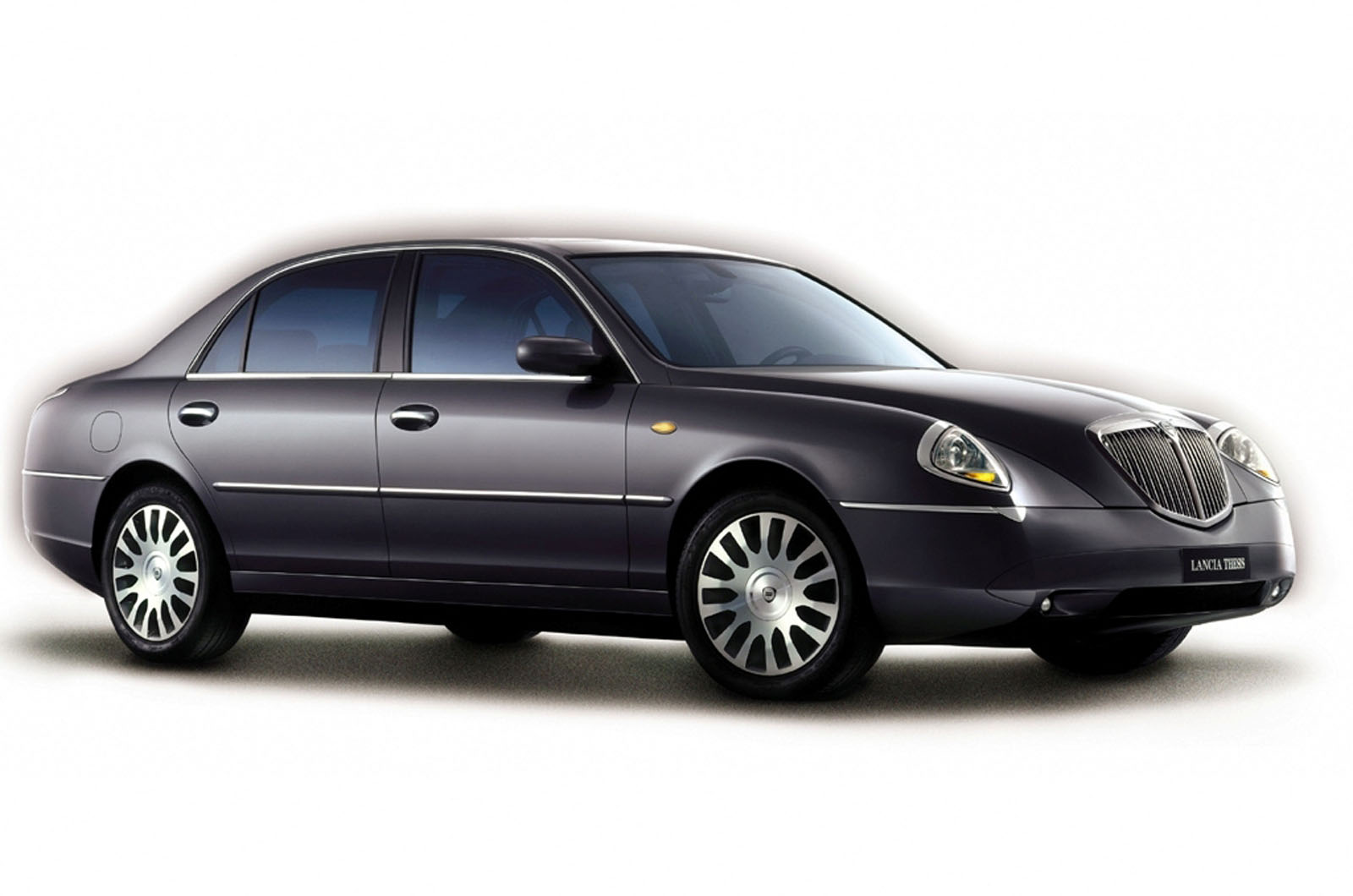
When the production Thesis arrived in 2001, it retained much of the Dialogos’s polarizing DNA. The front end was dominated by a massive chrome grille resembling a medieval shield, flanked by almond-shaped headlamps that sat on the leading edges of the fenders. The rear was equally distinctive, characterized by slim, vertical LED taillights that provided a "gothic" translucent glow, a feature that preceded the widespread adoption of LED technology in the executive class. However, the transition from concept to production saw the loss of the Dialogos’s clean, flowing flanks. The production Thesis featured a more conventional profile, which critics often described as a "piggy in the middle" design—a striking nose and tail sandwiching a relatively conservative and unadorned center section.
Technical Innovation and Bespoke Engineering
Unlike many other models within the Fiat Group that shared platforms to save costs, the Lancia Thesis was built on its own bespoke chassis. This was a significant financial gamble, reflecting Lancia’s commitment to creating a true flagship. The engineering team focused heavily on ride quality and refinement, implementing a sophisticated multi-link suspension setup at both the front and rear. This system was closely related to the "Skyhook" adaptive damping technology used in contemporary Maserati models, such as the Spyder, GranTurismo, and Quattroporte. The Skyhook system utilized six sensors to monitor the movement of the wheels and body, adjusting the damping rates in real-time to provide a "magic carpet" ride.
The Thesis was also a pioneer in automotive electronics. It was the first Lancia to be equipped with radar-guided adaptive cruise control, a high-end feature that was only just beginning to appear in the flagship models of Mercedes-Benz and Jaguar. Other technological highlights included an electronic parking brake—then a rarity—and a solar-panel sunroof that could power the ventilation system while the car was parked, keeping the cabin cool in the Italian summer heat.
Under the hood, the Thesis offered a range of sophisticated powerplants. The lineup included a 2.0-liter 20-valve turbocharged five-cylinder engine, a 2.4-liter naturally aspirated five-cylinder, and the legendary 3.0-liter and 3.2-liter "Busso" V6 engines sourced from Alfa Romeo. For the European market, where diesel was dominant in the executive sector, Lancia offered various iterations of the 2.4-liter JTD Multijet engine, which provided a balance of torque and efficiency.
The Interior: A Sanctuary of Italian Craftsmanship
While the exterior design divided opinion, the interior of the Lancia Thesis was almost universally praised as a masterpiece of Italian luxury. Lancia aimed to create a cabin that felt like a high-end lounge rather than a traditional car interior. The materials used were of the highest caliber, including magnesium trim, open-pore wood, and soft Alcantara. For the most discerning customers, Lancia offered leather upholstery from Poltrona Frau, the renowned Italian furniture maker.
The attention to detail was evident in the "retro-modern" instrument cluster, which featured cream-faced dials with elegant typography. The seats were designed for long-distance comfort, and the options list included heated, ventilated, and massaging seats for both front and rear passengers—a level of luxury that was typically reserved for the segment above, such as the BMW 7 Series or Mercedes S-Class. The cabin was also remarkably quiet, thanks to the use of thick acoustic glass and extensive sound-deadening materials, reinforcing the car’s role as a serene long-distance cruiser.
Market Performance and the "Forbidden Fruit" Status
Despite its technological merits and luxurious interior, the Lancia Thesis faced an uphill battle from the moment it was launched. The executive car market is notoriously conservative, and the Thesis’s avant-garde styling proved too eccentric for many buyers in Germany, France, and the United Kingdom. In fact, Lancia decided not to produce a right-hand-drive version of the Thesis, effectively excluding it from the UK and Japanese markets. This decision limited its sales potential and cemented its status as "forbidden fruit" for British enthusiasts of Italian cars.
Production figures tell a sobering story. While BMW was selling hundreds of thousands of 5 Series models annually, the Lancia Thesis struggled to reach its modest targets. Over its production run from 2001 to 2009, only approximately 16,000 to 18,000 units were manufactured. Even in its native Italy, where it was used as the official state car for government ministers and the President, it remained a rare sight compared to its German rivals.
The Achilles’ Heel: Structural Refinement and Ride Quality
The failure of the Thesis to capture the market was not solely due to its aesthetics. While the Skyhook suspension was advanced, it could not entirely mask certain fundamental engineering flaws. Many contemporary reviewers and owners noted a lack of structural rigidity that was uncharacteristic for a car in this price bracket. A common criticism involved the car’s inability to handle sharp, transverse ridges—such as motorway expansion strips—without sending a noticeable vibration through the steering column and dashboard.
This "creaky judder" was a symptom of a broader issue within the Fiat Group’s platforms of that era. For a car marketed on its "substantial" build and "bespoke" engineering, the presence of plastic interior creaks and dashboard tremors when hitting road imperfections was a significant disappointment. In the executive segment, where perceived quality and "hewn-from-granite" solidity are paramount, these flaws undermined the Thesis’s luxury pretensions and pushed buyers back toward the more clinical but better-constructed German alternatives.
Chronology of the Lancia Thesis
- 1998: The Lancia Dialogos concept is unveiled at the Turin Motor Show, setting the design language for the future flagship.
- 2001: The Lancia Thesis makes its official debut at the Geneva Motor Show.
- 2002: Production begins at the Rivalta plant before moving to the Mirafiori plant in Turin.
- 2003: Introduction of the 3.2-liter V6 engine, providing a more competitive performance flagship.
- 2004: The Thesis "Stola S85" limousine is showcased, highlighting the platform’s potential for extreme luxury.
- 2007: A minor facelift and equipment update are introduced to keep the car competitive against newer rivals.
- 2009: Production officially ends. The Thesis is eventually replaced by the Lancia Thema, a rebadged Chrysler 300, marking the end of Lancia’s bespoke executive car era.
Legacy and Impact on the Lancia Brand
The Lancia Thesis represents the end of an era for one of the world’s most storied automotive brands. It was the last "true" Lancia flagship, developed with a level of idiosyncratic Italian flair and bespoke engineering that has since vanished from the brand’s lineup. Following the end of Thesis production, the Fiat Group’s merger with Chrysler led to a strategy of "badge engineering," where Lancia-badged Chryslers were sold in Europe. This move was widely criticized by enthusiasts and failed to resonate with the market, eventually leading to Lancia’s withdrawal from all markets except Italy, where it currently sells only the Ypsilon city car.
Today, the Thesis is beginning to find a second life as a modern classic. Collectors are drawn to its rarity, its exceptional interior, and the very "weirdness" that hindered its commercial success. It stands as a testament to a time when car manufacturers were willing to take massive risks on design and technology. While it may have failed to dethrone the BMW 5 Series, the Lancia Thesis remains a fascinating example of Italian ambition—a car that was perhaps too beautiful on the inside and too brave on the outside for a world of conformist executive transport. Its story is a reminder that in the automotive industry, innovation and luxury are not always enough to overcome the weight of brand perception and the need for flawless execution.