Bone conduction audio technology has transitioned from a niche medical application for hearing-impaired individuals to a mainstream consumer electronics phenomenon. By bypassing the traditional route of air-conducted sound waves through the ear canal and eardrum, this technology allows for audio perception via the vibration of the skull and facial bones. While devices like Shokz and other market leaders have gained popularity among athletes and professionals working in hazardous noise environments, the underlying mechanics remain frequently misunderstood by the general public.
The Mechanics of Sound Transmission: A Biological Overview
To understand bone conduction, one must first distinguish between the two primary pathways of human hearing: air conduction and bone conduction. Under standard conditions, sound waves travel through the air, vibrating the tympanic membrane (eardrum) within the ear canal. These vibrations are then mechanically transmitted by the ossicles—the three tiny bones of the middle ear—to the cochlea, a snail-shaped structure in the inner ear. The cochlea translates these mechanical vibrations into electrical signals, which the auditory nerve transmits to the brain for processing.
Bone conduction, by contrast, eliminates the need for the ear canal to remain open. By applying a transducer directly to the temporal or zygomatic bones (cheekbones), sound energy is converted into physical vibrations. These vibrations bypass the eardrum entirely, traveling through the soft tissue and skeletal structure of the skull to reach the cochlea directly.
This biological principle has been observed for centuries. Historical anecdotes suggest that Ludwig van Beethoven, as his hearing deteriorated, utilized bone conduction to compose. By clenching a wooden rod between his teeth and pressing it against the soundboard of his piano, he could perceive the vibrations of the instrument, effectively "hearing" the music through his jawbone. Today, this phenomenon is experienced daily by every human; the sound of one’s own voice during speech is a composite of air-conducted sound and the internal vibration of the skull, which is why a recorded voice often sounds jarringly unfamiliar when played back.
Chronology and Technological Evolution
The development of bone conduction technology can be traced back to the early 20th century, though it remained largely confined to assistive hearing devices for the deaf or hard-of-hearing. Early hearing aids utilized a headband or "bone vibrator" placed against the mastoid bone behind the ear.
The shift toward consumer-grade electronics began in the early 2000s, driven by advancements in lightweight piezoelectric materials and improved battery life. The evolution of the technology has followed a distinct timeline:
- 1920s–1950s: Development of bone-anchored hearing aids (BAHA) for patients with conductive hearing loss, where the outer or middle ear is non-functional but the cochlea remains intact.
- 2000s: Early experimentation with "bone-conduction headsets" for military and tactical use, specifically designed for special forces units who needed to maintain situational awareness while communicating.
- 2011: The launch of consumer-facing brands such as AfterShokz (now Shokz) marked the entry of this technology into the fitness and sports markets, prioritizing "open-ear" safety for runners and cyclists.
- 2020s: Integration of hybrid audio systems, where manufacturers combine bone-conduction transducers with traditional air-conduction speakers to improve frequency response and sound fidelity.
Supporting Data and Performance Analysis
Market analysis indicates that the bone conduction market is currently experiencing significant growth, driven by the increasing awareness of hearing health. According to various audio industry reports, the global bone conduction headphones market is projected to expand at a compound annual growth rate (CAGR) of over 10% through 2030.
The primary appeal for consumers is not high-fidelity audio reproduction—which is currently limited by the physical constraints of bone-transmitted frequencies—but rather safety and situational awareness. In a 2022 survey of marathon runners and triathletes, nearly 40% of participants cited "external environmental awareness" as the primary reason for choosing bone conduction devices over noise-canceling earbuds.
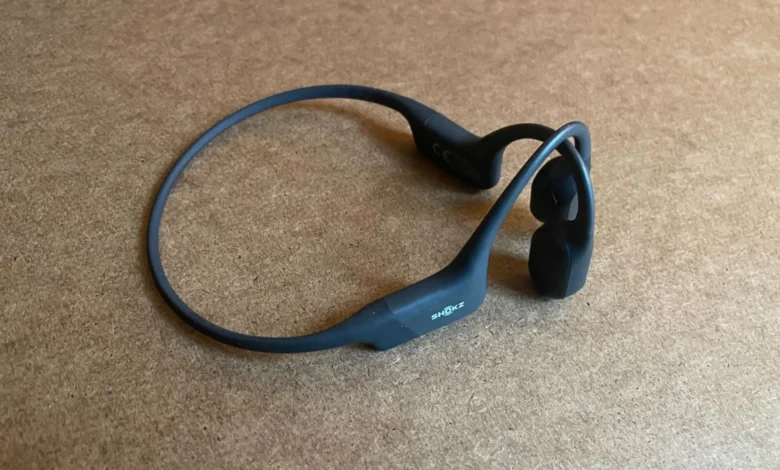
From an acoustic performance standpoint, bone conduction is inherently limited. The human skull is an inefficient medium for transmitting high-frequency sound waves compared to air. Consequently, many manufacturers are now adopting a hybrid approach. Devices like the Shokz OpenRun Pro 2 utilize an air-conduction speaker to manage the mid-to-high frequency range, while the bone-conduction transducer focuses on the lower-to-mid range. This design addresses the "tinny" sound profile that plagued earlier iterations of the technology.
Safety Implications and Audiological Perspectives
The debate surrounding the long-term safety of bone conduction versus traditional earbuds often overlooks a fundamental audiological reality: the final destination for all sound is the cochlea. Damage to the stereocilia (hair cells) within the cochlea occurs regardless of whether the vibration arrived via the eardrum or the jawbone.
However, experts in audiology point out a critical safety advantage: the "Open-Ear" design. By leaving the ear canal unobstructed, users are not subjecting themselves to the risks associated with "occlusion" or the pressure buildup often caused by silicone-tipped earbuds. Furthermore, the ability to layer hearing protection, such as industrial-grade earplugs, while still consuming audio content provides a significant benefit for workers in high-decibel environments.
According to guidelines from the National Institute for Occupational Safety and Health (NIOSH), noise-induced hearing loss is a cumulative process. Bone conduction headphones, when used at moderate volume, allow for the reduction of ambient noise exposure by enabling the use of physical earplugs, which can block up to 30 decibels of environmental noise while the headphones deliver audio at lower, safer levels.
Broader Impacts and Future Directions
The implications of bone conduction technology extend beyond personal music consumption. The technology is being increasingly integrated into:
- Workplace Safety: Construction and manufacturing firms are testing bone-conduction headsets that allow workers to communicate while wearing heavy-duty ear protection, potentially reducing workplace accidents caused by the inability to hear approaching machinery or verbal warnings.
- Specialized Medical Applications: Research is ongoing into the use of bone conduction for children with congenital microtia (a condition where the outer ear is underdeveloped or absent), allowing them to develop normal speech and language skills by providing continuous auditory stimulation.
- Augmented Reality (AR): As the demand for non-intrusive AR interfaces grows, tech giants are looking at bone conduction as a discreet method for delivering audio cues to users without isolating them from their physical environment.
Despite these advancements, consumers must weigh the trade-offs. The lack of acoustic isolation means that in crowded or extremely loud environments, the "leaking" of external sound will inevitably compete with the user’s audio content. Furthermore, those seeking "audiophile-grade" sound quality will likely find bone conduction insufficient. The technology is best characterized as a functional tool for specific use-cases—exercise, outdoor safety, and hearing assistance—rather than a replacement for high-fidelity home audio equipment.
As the industry matures, the focus will likely remain on refining the vibration-to-sound conversion process to eliminate the "tickling" sensation some users report at high volumes and enhancing the battery efficiency of the transducer modules. While bone conduction may never fully replace the traditional earbud, it has firmly established itself as a vital component in the modern audio landscape, bridging the gap between digital content and the physical environment.