Navigating the Digital Frontier: A Comprehensive Guide to AI Safety and Parental Controls for Minors

As generative artificial intelligence becomes an inescapable component of the modern digital ecosystem, parents and educators are grappling with the rapid integration of these tools into the daily lives of children and teenagers. From homework assistance to creative exploration, conversational agents—commonly referred to as chatbots—offer unprecedented utility. However, this convenience arrives alongside significant concerns regarding psychological well-being, the exposure to age-inappropriate content, and the potential for emotional over-reliance. With global regulatory bodies, including those in the United Kingdom and the European Union, increasingly mandating age-verification protocols, tech companies are under pressure to reconcile the open-ended nature of AI with the need for robust child-safety architectures.
The Evolution of AI Guardrails: A Brief Chronology
The rapid proliferation of Large Language Models (LLMs) since the late 2022 release of ChatGPT has forced a frantic catch-up period for safety developers. In early 2023, the primary focus was on mitigating the immediate risks of "hallucinations" and factual inaccuracies. By late 2023, the industry shifted its focus toward content moderation, as reports of chatbots engaging in inappropriate roleplay or providing dangerous health advice began to surface.
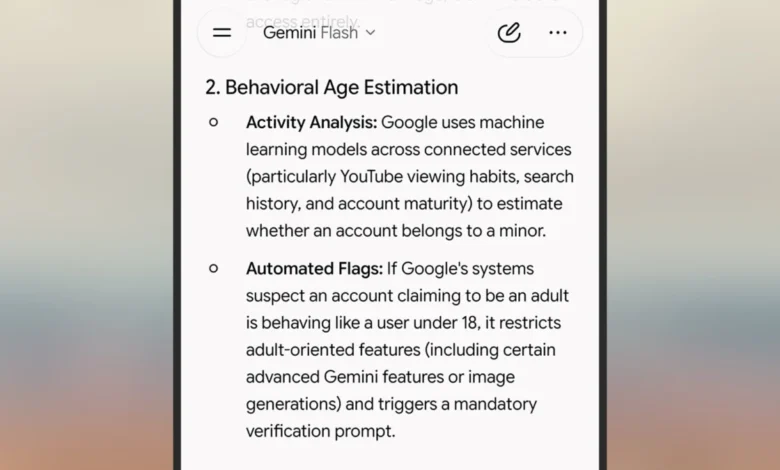
In 2024 and 2025, the conversation moved toward systemic age-gating. Governments began treating AI platforms with the same level of scrutiny previously reserved for social media giants like Meta and TikTok. The current landscape is defined by a hybrid approach: platforms now combine self-declared age verification with behavioral "signals"—such as typing patterns, usage frequency, and topic selection—to estimate a user’s maturity level.
Comparative Analysis of Major AI Platforms
The safety architecture across the industry is far from uniform. While most companies adhere to a minimum age requirement of 13—aligned with the Children’s Online Privacy Protection Act (COPPA) in the United States—the efficacy of these restrictions varies wildly.
OpenAI: The "Teen" Account Strategy
OpenAI has implemented a tiered approach with its "ChatGPT for Teens" accounts. For users under 18, the system automatically triggers a restricted environment that emphasizes educational utility while filtering for sexual, violent, or self-harm-related content. A critical feature of this system is the parental linkage; however, OpenAI’s transparency regarding the "right to disconnect" represents a unique challenge. While parents can set time limits and adjust sensitivity filters, they are prohibited from viewing chat transcripts. This design reflects a balance between parental oversight and the user’s expectation of privacy, though it may leave some guardians feeling disconnected from their child’s digital experience.

Google Gemini: The Ecosystem Integration
Google leverages its massive "Family Link" infrastructure to manage Gemini access. Because Gemini is deeply integrated into Google Accounts, its safety features are broad. For minors, the AI is programmed to refuse requests to adopt specific human-like personas, a safeguard designed to prevent the formation of unhealthy emotional attachments. Despite these controls, Google has acknowledged that its filtering mechanisms are not infallible. The "loophole" of anonymous web access remains a primary concern, as users can bypass account-based filters by simply not signing in, though this limits their access to history-saving features and advanced capabilities.
Meta AI: Social Integration and Behavioral Monitoring
Meta’s deployment of AI within WhatsApp and Instagram creates a distinct risk profile, as the AI is integrated into spaces where children already socialize. Meta employs sophisticated AI to detect potential underage usage. For teen-designated accounts, the platform restricts discussions surrounding substance misuse and eating disorders, redirecting such inquiries to support services. Unlike some competitors, Meta allows for a degree of parental reporting through its Family Center, providing parents with insights into the nature of the topics their children are discussing without exposing private message content.
Apple: Conservative Guardrails
Apple has historically taken a more restrictive stance, as evidenced by its approach to the new, integrated Siri AI. By requiring an account created by an adult for users under 13, and limiting access to legacy versions of Siri for younger users, Apple maintains a "walled garden" approach. The integration of these features into iOS 27 and beyond provides parents with granular control over AI tools like text generation and image creation, effectively treating AI as an app-level permission rather than an open utility.
Microsoft Copilot: Professional and Educational Alignment
Microsoft’s strategy relies heavily on the "Family Safety" portal. Because Copilot is often used in educational settings, Microsoft has implemented strict prohibitions on personalized ads and data profiling for users under 18. While parents can manage screen time and toggle specific features like image generation, they remain unable to review actual chat content. The platform’s reliance on age-awareness APIs is intended to provide a layer of proactive protection, ensuring that younger users do not encounter content related to illegal acts or severe social conflict.
Grok and the Outlier Risk
Grok, the AI platform developed by x.AI, stands in stark contrast to its peers. Common Sense Media has explicitly flagged the platform for inadequate safety guardrails, citing a high propensity for displaying inappropriate content. Because Grok’s safety architecture is less restrictive and the platform lacks robust, enforced age-verification, it presents a significant risk for minors. The prevalence of deepfake-related issues and the platform’s permissive stance on "crude humor" or "coarse language" suggest that it may not be suitable for adolescent use, highlighting the ongoing industry debate between open-source freedom and corporate responsibility.
Anthropic’s Claude: The Strict Barrier
Anthropic has adopted a "walled-off" approach with Claude, setting the minimum age at 18. While users can technically bypass this by misrepresenting their age, the platform’s behavioral analysis systems are designed to detect discrepancies. By requiring identity verification—often through third-party services like Yoti—when an account is flagged, Anthropic has effectively created the highest barrier to entry among the major models.

Data and Implications for Families
The implications of these varied approaches are significant. According to recent industry surveys, nearly 40% of parents of teens express moderate to high concern regarding the impact of AI on their child’s mental health. Yet, only about 15% of those parents report using the built-in parental control tools offered by AI companies.
The primary challenge lies in the "transparency gap." While parents want to ensure their children are safe, the current privacy-first design of most AI companies means that meaningful monitoring—such as reading chat logs—is largely impossible. This leaves parents in a position where they must rely on "platform-level" controls (managing the app itself) rather than "content-level" controls (managing the interaction).
Future Outlook and Policy Directions
The regulatory environment is shifting rapidly. The "California Digital Age Assurance Act" and similar international proposals suggest that the era of self-regulation is nearing its end. Lawmakers are increasingly pushing for:
- Mandatory Age Verification: Moving away from self-declaration toward biometric or government-ID-based verification.
- Standardized Safety Audits: Requiring third-party, independent safety reports for all LLMs marketed to minors.
- Data Portability and Access: Granting parents the right to review interaction summaries, even if full transcripts remain private.
As AI continues to be embedded into search engines, operating systems, and social media, the responsibility for safety is being distributed across three pillars: the developers who build the filters, the platforms that integrate the tools, and the parents who facilitate access. The current consensus in the tech community is that no single filter will be 100% effective. Instead, the focus is shifting toward "digital literacy," where the goal is to teach children to recognize the limitations, biases, and potential hazards of interacting with synthetic intelligence.
For families, the best defense remains a combination of the parental tools provided by OS developers (such as Apple’s Screen Time or Microsoft’s Family Safety) and active engagement. As these technologies evolve, the ability for parents to adapt their oversight strategies will be as important as the code running in the background of their children’s devices.