After more than two years of complete silence on social media, Julian Assange, the world-renowned investigative journalist and founder of WikiLeaks, has startled the digital landscape by posting a short, stark message on X (formerly Twitter). The update, reading simply "I’m back," has instantly reignited global speculation regarding his future plans, potential upcoming disclosures, and how the fiercely anti-establishment figure might position himself within an increasingly digitized and AI-dominated sociopolitical climate.
The unexpected post marks the first direct communication from Assange’s official account since June 2024, when he secured a landmark plea deal with the United States Department of Justice that brought a dramatic close to a grueling, multi-decade legal saga. Within hours of going live, the cryptic tweet accumulated hundreds of thousands of views, tens of thousands of reposts, and millions of impressions, demonstrating that Assange’s capacity to command global attention remains undiminished even after years of incarceration and isolation.
The Return to Public Consciousness and the Sydney Mural Announcement
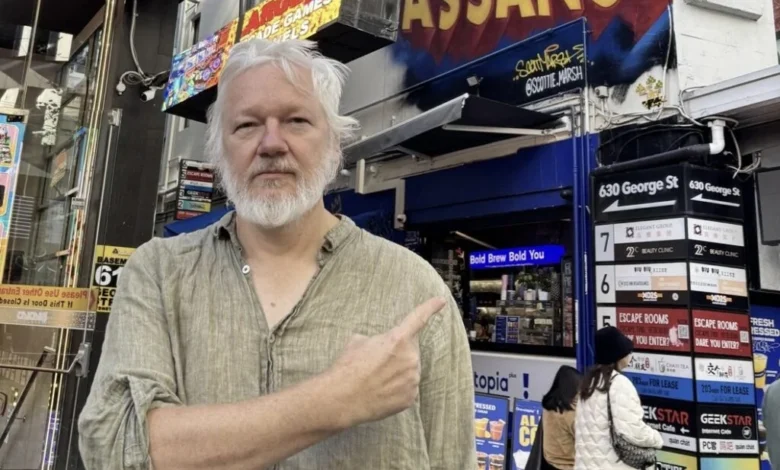
The resurgence began in Assange’s home country of Australia, right in the heart of Sydney. Situated on George Street, a striking mural painted by street artist Scott Marsh in 2023 has long served as a pilgrimage site for Assange’s supporters. The artwork, which depicts a determined Assange peering through a torn curtain, had previously been a sobering reminder of his prolonged imprisonment and legal limbo. However, following his physical return to Australia, the mural has effectively transformed from a symbol of resistance and ongoing struggle into a historic monument of victory.
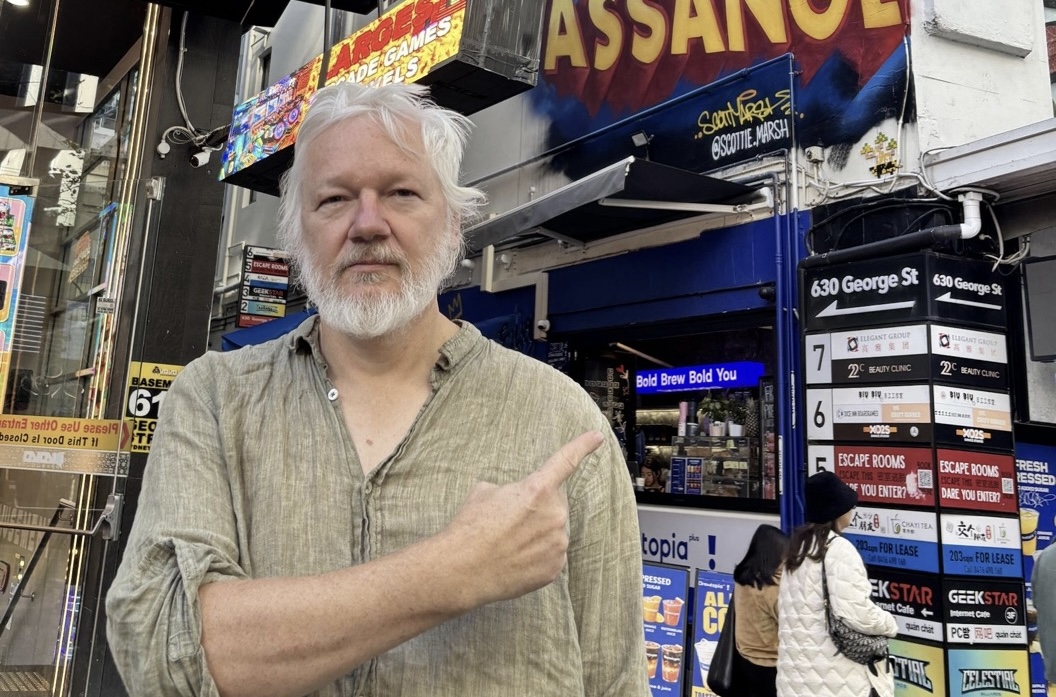
On the day of his X post, supporters and members of the public gathered near the mural to celebrate his renewed freedom. The timing of the digital return closely aligned with localized grassroots celebrations, indicating a coordinated or carefully staged return to the public eye. Observers on the ground noted that the atmosphere shifted dramatically from weary advocacy to celebratory jubilation, setting the stage for what many hope will be a new chapter in transparency activism.
Stella Assange Confirms Official Return and Teases Major Announcements
Following the initial flurry of speculation, Stella Assange, Julian’s wife and a tireless legal advocate throughout his detention, took to her own social media channels to confirm the authenticity of the post. In a brief statement on X, Stella wrote, "Julian’s official account @JulianAssange is back! More news next week!"
This confirmation effectively silenced skeptics who initially suspected that the account might have been hacked or compromised. Stella Assange has been the primary architect of the global campaign that eventually pressured the U.S. government into dropping its espionage charges, allowing her husband to return to his family in Australia. Her announcement of "more news next week" has instantly set high expectations across international media networks, prompting speculation about upcoming whistleblowing projects, journalistic initiatives, or legal transparency campaigns.
A Changed World: Will Assange Confront the Rise of Artificial Intelligence?
As Assange re-enters the public sphere, the geopolitical and technological landscapes have shifted profoundly. Outlets such as Consortium News and various digital rights organizations have noted that Assange returns to a world deeply entangled with artificial intelligence and centralized tech monopolies. In recent years, figures like OpenAI CEO Sam Altman and xAI founder Elon Musk have risen to unprecedented levels of corporate and political influence, raising severe questions regarding data privacy, algorithmic bias, and the centralization of information.
Historically, WikiLeaks pioneered the use of cryptography and decentralized submission platforms to hold powerful institutions accountable. With massive tech conglomerates now controlling the infrastructure of global communication, analysts are eager to see how Assange will address these modern threats. Observers suggest that Assange’s return could inject a much-needed dose of adversarial skepticism into a tech sector that is increasingly cozying up to state power and surveillance capitalism.
A Comprehensive Chronology of the Assange Legal Saga
To fully understand the gravity of Assange’s return to social media, it is essential to examine the tumultuous timeline that preceded it:
- 2010: WikiLeaks publishes a massive cache of classified U.S. military logs and diplomatic cables, including the notorious "Collateral Murder" video, thrusting Assange into the global spotlight and earning the ire of the U.S. government.
- 2012: Facing extradition to Sweden over sexual assault allegations—which he maintained were a pretext for extradition to the United States—Assange seeks political asylum inside the Embassy of Ecuador in London, where he remains confined for nearly seven years.
- 2019: Ecuador revokes Assange’s asylum. British police enter the embassy and arrest him. He is subsequently remanded to the maximum-security Belmarsh Prison in London, where he spends the next five years fighting extradition to the U.S. under brutal conditions.
- 2024 (June): After years of appeals and deteriorating health, Assange reaches a plea deal with the U.S. Department of Justice in a federal court in the Northern Mariana Islands. He pleads guilty to a single felony count of conspiring to obtain and disclose national defense information in exchange for time served. He is immediately released and flies home to Australia.
- 2026 (September): After more than two years of post-release silence, Assange posts "I’m back" on X, signaling his readiness to re-engage with global public discourse.
Implications for Global Journalism and Whistleblowing
The return of Julian Assange to active digital communication is more than a personal milestone for the whistleblower and his family; it represents a potential inflection point for modern journalism. Over the past decade, the legal environment for investigative reporting and national security journalism has grown increasingly hostile. The use of the Espionage Act against journalists and publishers has set dangerous precedents that threaten press freedom worldwide.
While mainstream media outlets have occasionally maintained an ambivalent relationship with Assange—criticizing his methods while utilizing his leaks—his supporters argue that his survival and eventual release underscore the vital importance of unprotected, decentralized truth-telling. As discussions surrounding artificial intelligence, state surveillance, and information control continue to dominate global discourse, Assange’s voice could serve as a powerful counterweight to encroaching digital authoritarianism. Whether his upcoming announcements next week will unveil a new publishing platform, a book, or a renewed global initiative remains to be seen, but the digital world is undeniably watching closely.