Audi A4 E-Tron Production Delayed to 2029 Amid Ongoing Technical Struggles with Volkswagen Group’s Scalable Systems Platform

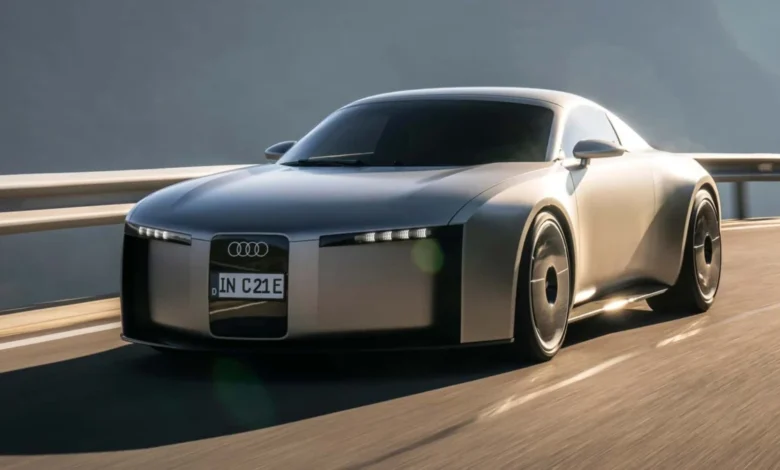
The transition to an all-electric future for the Volkswagen Group has encountered yet another significant obstacle, as Audi officially confirmed that the highly anticipated electric A4 E-Tron will not enter production until at least March 2029. This latest setback represents a substantial deviation from the strategic roadmap established by Audi CEO Gernot Döllner as recently as October 2025, when the target for the vehicle’s debut was set for mid-2028. The delay serves as a stark indicator of the deep-seated engineering challenges currently plaguing the development of the Scalable Systems Platform (SSP), the modular architecture intended to unify the German automotive giant’s electrification efforts across all its brands.
A Chronology of Slipping Deadlines
The road to the A4 E-Tron has been characterized by shifting goalposts and internal friction. Originally envisioned as the flagship showcase for the group’s next-generation technology, the SSP platform was first unveiled in July 2021. At that time, Volkswagen executives projected a launch window that would have seen the first vehicles hitting the market as early as 2026. However, the complexity of developing a truly "scalable" system has proved far more taxing than initial estimates suggested.
By the time the combustion-powered A4 bowed out of production in 2024 to make way for the A5, the expectation was that the electric successor would serve as the standard-bearer for the company’s technological evolution. The shift from a 2028 target to a March 2029 production start—with reports from industry outlets like Handelsblatt suggesting that a slide into April or May 2029 is entirely plausible—highlights the volatility of the current development timeline. This delay is particularly sensitive given that Audi Chief Technical Officer Rouven Mohr had publicly maintained, mere days before the announcement, that there was "no need to correct" the production date.
The Technical Catalyst: The 48-Volt Architecture Shift
At the heart of the delay lies a fundamental architectural decision. During the development of the SSP, the Volkswagen Group determined that a shift in the onboard electrical system was necessary to ensure the platform remained competitive through the 2030s. The decision to move from a conventional 12-volt system to a more robust 48-volt architecture for the platform’s core electronics created a massive, unforeseen ripple effect throughout the supply chain and internal engineering departments.
While 48-volt systems offer superior power management for high-demand features like advanced driver-assistance systems (ADAS) and high-performance infotainment, the integration required a comprehensive redesign of components that had already passed initial testing phases. This change effectively reset months of progress, forcing engineers to reconcile legacy planning with the new electrical requirements. This "development friction," as CEO Gernot Döllner characterized it, is not merely a software update; it is a fundamental hardware-level adjustment that has forced the entire group to recalibrate its expectations.
Strategic Consolidation of the SSP
The difficulties with the A4 E-Tron are reflective of a broader, more defensive strategy now being employed by the Volkswagen Group regarding the SSP. Initially, the platform was intended to be the backbone for eight distinct vehicle variants across various brands. Under current management, that scope has been trimmed to four primary variants. While the company frames this as a "strategic focus," industry analysts view it as an attempt to mitigate the ballooning costs and technical risks associated with the platform’s rollout.
The consolidation of the platform’s scope is designed to streamline manufacturing, but it also underscores the reality that the SSP is no longer the panacea it was once thought to be. With the electric Golf and the electric T-Roc now facing potential delays that could push their arrivals toward 2030, the reliance on the SSP for immediate market competitiveness has weakened. Consequently, the group has been forced to pursue alternative collaborations, such as the partnership with American electric vehicle manufacturer Rivian, to bolster its software and electrical architecture capabilities. These vehicles, however, are also not expected to materialize in any meaningful volume until the end of the decade.
Implications for the Audi Brand
For Audi, the delay of the A4 E-Tron creates a significant product gap. The mid-size luxury segment is one of the most fiercely contested in the global automotive market, and the absence of a dedicated electric A4 forces the brand to rely on its existing portfolio for a longer duration than originally planned. Audi’s current EV lineup, which utilizes the MEB platform for entry-level models like the Q4 E-Tron and the 800-volt PPE (Premium Platform Electric) architecture for the A6 and Q6 E-Tron, must now carry the brand’s electric ambitions through the late 2020s.
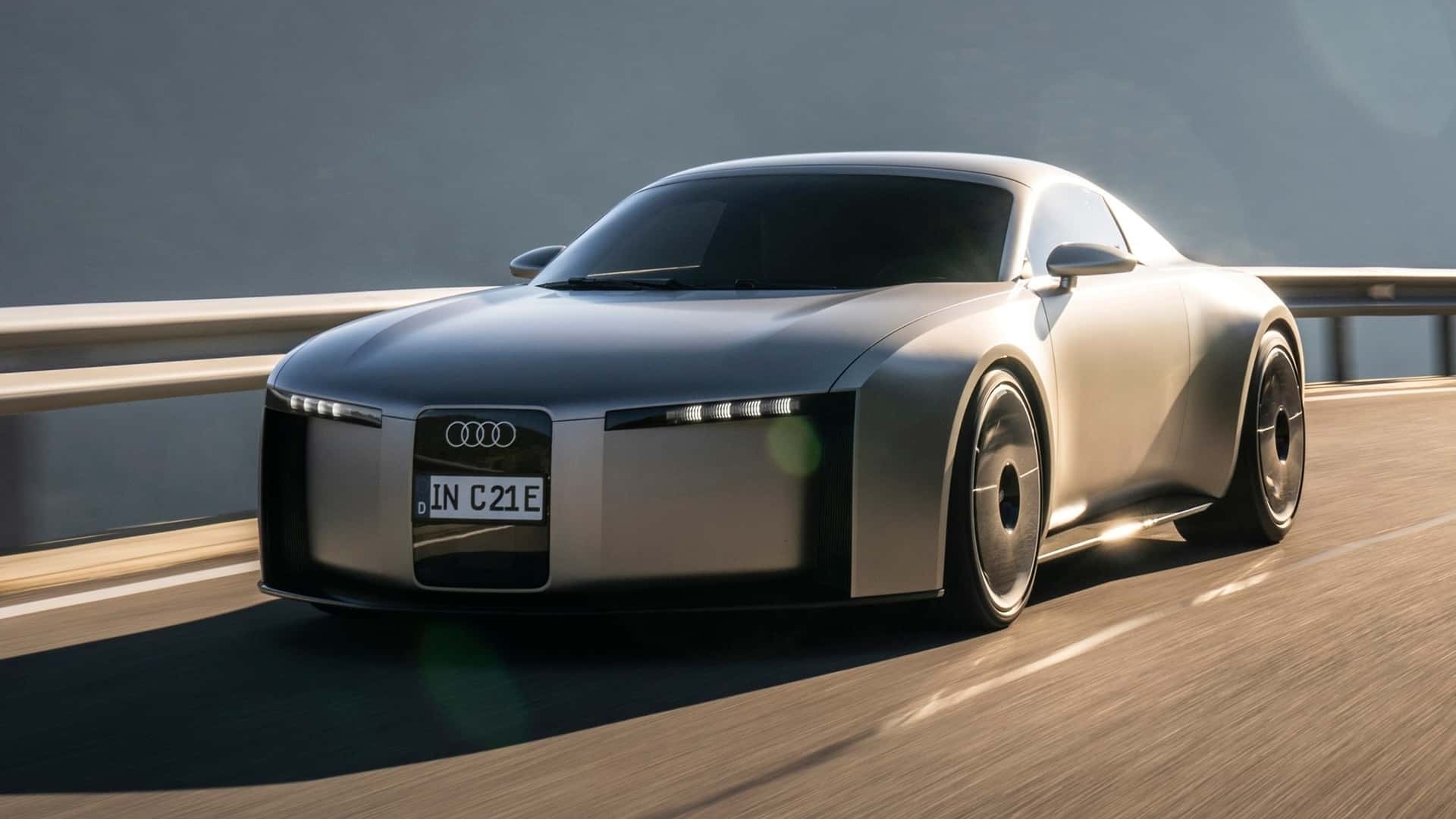
While the PPE platform is widely regarded as a successful and sophisticated piece of engineering, it was never intended to serve as the sole long-term solution for Audi’s entire volume-selling range. By remaining on these platforms longer than intended, Audi risks being perceived as stagnant in a market that is rapidly moving toward more integrated, software-defined vehicle architectures. The A4 E-Tron, which is expected to draw design inspiration from the well-received Concept C, is vital for the brand’s identity; its absence leaves a hole in the showroom that competitors, particularly Tesla and the emerging cohort of premium Chinese manufacturers, are eager to fill.
Economic and Supply Chain Ramifications
The financial impact of these delays extends beyond development costs. With every month the A4 E-Tron remains in the development cycle, Audi faces potential loss of market share and the erosion of brand loyalty among customers who have already made the switch to EVs. Furthermore, the volatility in the production timeline complicates supply chain contracts. Tier-one suppliers, who have been primed for specific volume targets, must now adjust their own manufacturing schedules, potentially leading to increased costs for the Volkswagen Group as it negotiates contract extensions or amendments.
The situation also places increased pressure on Audi’s management team to communicate a stable vision to shareholders. When technical leadership publicly denies the need for a delay only to have that delay confirmed shortly thereafter, it creates uncertainty in the capital markets. Transparency regarding the "development friction" is crucial, but it must be backed by a concrete, failure-resistant plan to ensure that the 2029 date does not become the next in a series of missed milestones.
Looking Toward the Future
Despite the setbacks, the commitment to the A4 E-Tron remains steadfast. Audi officials maintain that the vehicle will arrive as both a saloon and an Avant, staying true to the brand’s heritage while incorporating the advanced technology the SSP is meant to deliver. The delay has provided the engineering team with more time to optimize the platform, but it has also elevated the stakes. When the A4 E-Tron finally arrives, it will be judged not just as an electric car, but as a test of the Volkswagen Group’s ability to execute a complex, long-term technological transition in the face of significant internal headwinds.
For the present, consumers looking for a mid-size electric vehicle from Audi will continue to be directed toward the existing, proven range. The transition to the "next generation" has been officially paused, forcing both the manufacturer and its customer base into a longer-than-expected waiting period. As the industry moves toward 2030, the success of the SSP will likely define the long-term viability of the Volkswagen Group’s entire electrification strategy. For now, all eyes remain on the Ingolstadt headquarters, where the focus has shifted from ambitious timelines to the cold, hard realities of software and electrical systems integration. The pressure is on, and the margin for error has all but vanished.
Related posts: