Toyota Leads US EV Sales Growth in August 2026 Driven by Affordable Lineup and Strategic Updates

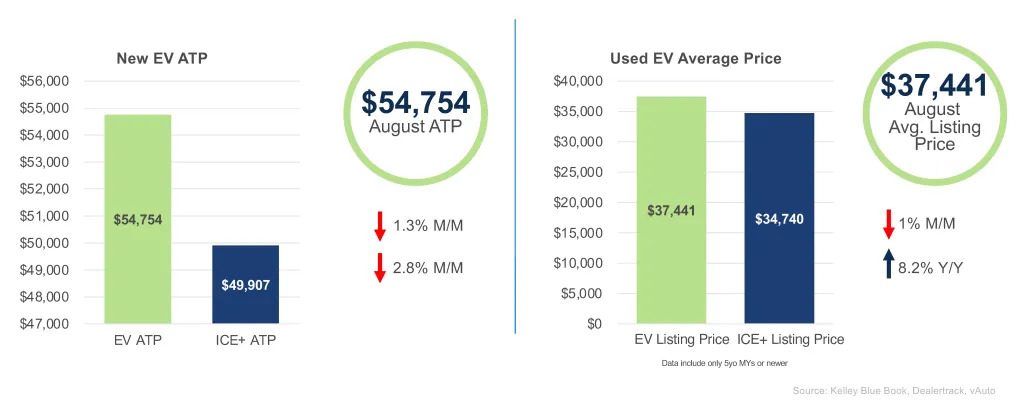
The United States electric vehicle market experienced a modest rebound in August 2026, registering a 2.5% sales increase compared to the previous month, with approximately 78,895 total units delivered to consumers. This uptick was largely propelled by an influx of competitively priced models that continue to shrink the cost delta between battery-electric vehicles and traditional internal combustion engine automobiles. According to data released by Cox Automotive in its August 2026 EV Market Monitor, the average transaction price for a new electric vehicle fell to $54,754. This figure represents a 1.3% decrease from July and a 2.8% year-over-year decline, bringing the absolute price premium of an EV over a gas-powered vehicle down to just $4,847, or roughly 9.7%.
While total volumes remained down 46.9% compared to August 2025—a distortion driven by last year’s last-minute consumer rush to capture the expiring federal $7,500 EV tax credit before policy shifts took effect—the steady normalization of prices has unlocked new demand. At the forefront of this recovery is Toyota, which secured the title of fastest-growing EV brand in the United States last month. Powered by a revamped and strategically expanded electric SUV portfolio, Toyota’s robust performance highlights a broader industry shift toward affordability, longer driving ranges, and native access to superior charging architecture.
The Changing Economics of Electric Mobility
The steady downward trajectory of electric vehicle transaction prices has transformed the competitive landscape of the American automotive sector. Industry analysts at Cox Automotive attribute the declining average transaction prices primarily to the commercial momentum of lower-priced entries. Vehicles such as the Chevrolet Bolt, the updated Toyota bZ series, the Toyota C-HR, and volume adjustments across Tesla’s lineup—including a 1.9% month-over-month drop in the average transaction price for the Tesla Model 3—have successfully attracted budget-conscious buyers who were previously priced out of the market.
This narrowing price gap is critical for mass adoption. For years, the upfront cost barrier remained the single largest impediment for mainstream consumers considering a transition away from traditional fossil-fuel vehicles. By introducing well-equipped electric SUVs that start well below the $40,000 threshold, legacy automakers are successfully capturing market share from early-adopter niches and converting mainstream buyers. This democratization of electric mobility is reshaping manufacturer strategies, forcing a pivot away from six-figure luxury flagships toward high-volume, cost-effective utility vehicles designed for everyday families.
Tesla Maintains Market Leadership Amid Rising Competition
Despite broader market diversification and aggressive gains by legacy manufacturers, Tesla remains the dominant force in the United States electric vehicle ecosystem. In August 2026, Tesla moved 40,816 vehicles, maintaining the top ranking by a wide margin. However, increased competition and shifting consumer preferences resulted in a 3.8% sales decline from July, pulling Tesla’s market share down to 51.7%.
Following Tesla, Toyota cemented its position as a major contender, capturing significant momentum with 4,964 units sold, representing a remarkable 35% month-over-month increase. Other established automakers also capitalized on the favorable pricing environment: Chevrolet posted a 30% surge in sales, Cadillac grew by 13%, and Kia recorded a 12% increase. To understand the scale of Toyota’s trajectory, one must look backward: in August 2025, the Japanese automaker sold just over 1,000 units of the early bZ4X. The exponential growth witnessed a year later reflects a successful corporate overhaul of its electrification strategy.
The Evolution of Toyota’s EV Strategy: From Laggard to Frontrunner
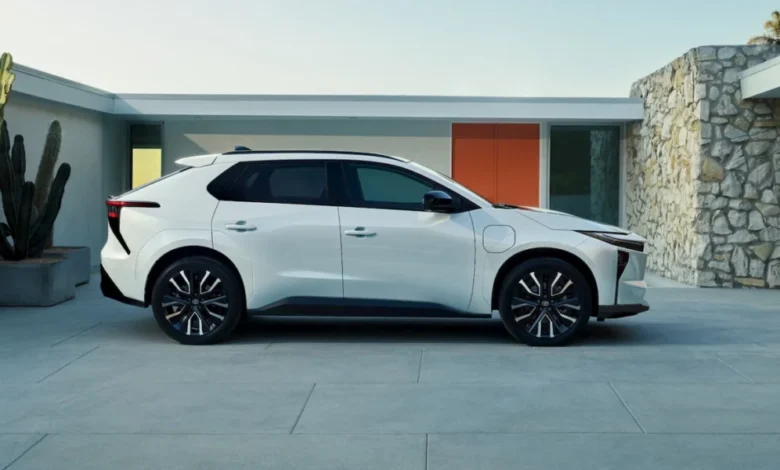
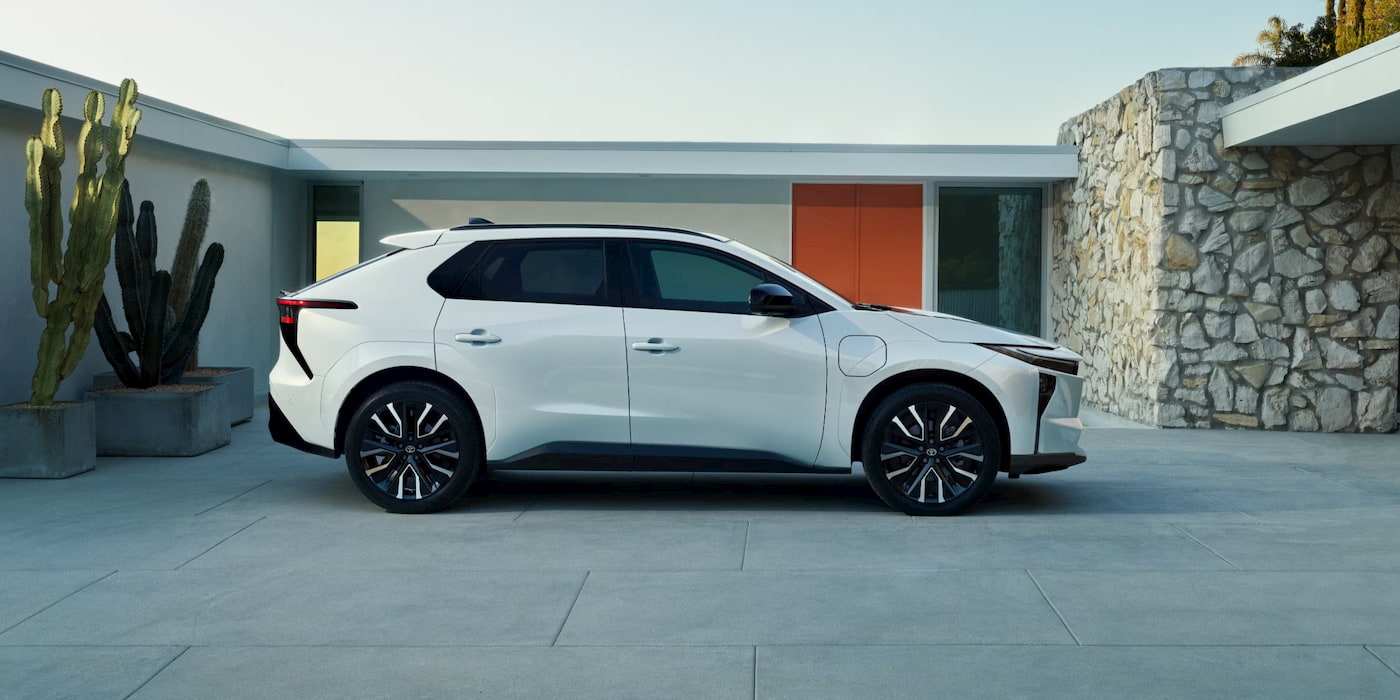
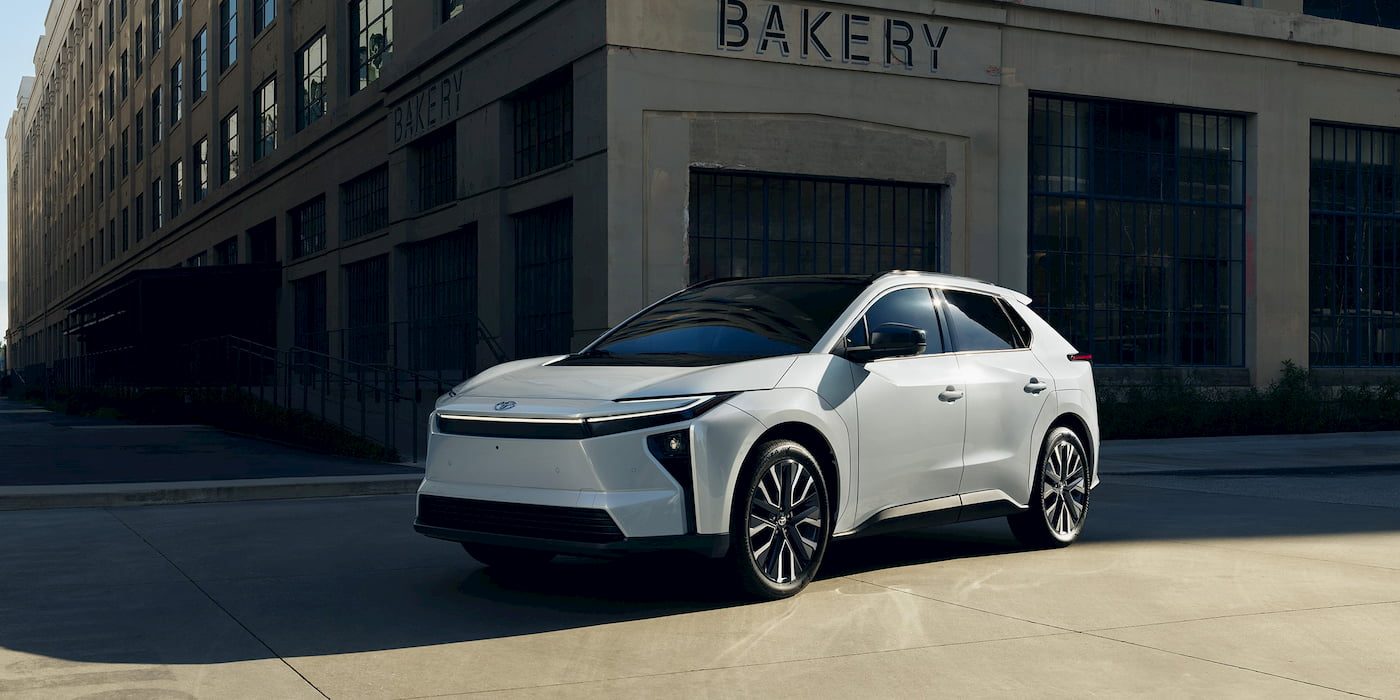
Toyota’s rapid ascent in the American EV market is a masterclass in corrective product planning. When the company initially introduced its first dedicated global battery-electric vehicle platform, critics and consumers alike criticized the vehicle for its conservative range, slow charging speeds, and lackluster interior technology. Recognizing these shortcomings, Toyota undertook a comprehensive mid-cycle refresh that debuted late last year, rebranding and repositioning the vehicle simply as the bZ.
The market response has been swift and definitive. During the first half of 2026, the bZ established itself as the fourth best-selling electric vehicle in the entire United States, trailing only the Hyundai IONIQ 5 and Tesla’s dominant Model 3 and Model Y. Through the first eight months of 2026, cumulative sales of the bZ have surpassed 22,500 units, dwarfing the 15,609 total units sold across the entirety of 2025.
To contextualize this performance, competing models have struggled to maintain pace. Ford, for instance, delivered just 15,484 Mustang Mach-E crossovers through the first eight months of August 2026, representing a 55% decline compared to the same timeframe in 2025. Toyota’s ability to reverse its fortunes stems from addressing the core pain points that historically deterred mainstream EV buyers.
Key Upgrades Fueling the Success of the 2027 Toyota bZ
The commercial resurgence of Toyota’s electric lineup is rooted in targeted engineering and packaging updates. Rather than relying solely on brand loyalty, Toyota re-engineered the bZ where it matters most to everyday drivers: driving range, charging infrastructure compatibility, and cabin ergonomics.
The 2027 Toyota bZ lineup introduces configurations designed to meet diverse consumer needs without breaking the bank. The entry-level 2027 Toyota bZ XLE FWD model starts at an accessible $34,980, delivering an EPA-estimated driving range of up to 236 miles. For buyers requiring greater long-distance capability, the FWD Plus variant extends the range up to 314 miles on a single charge while maintaining a competitive price point of $37,980.
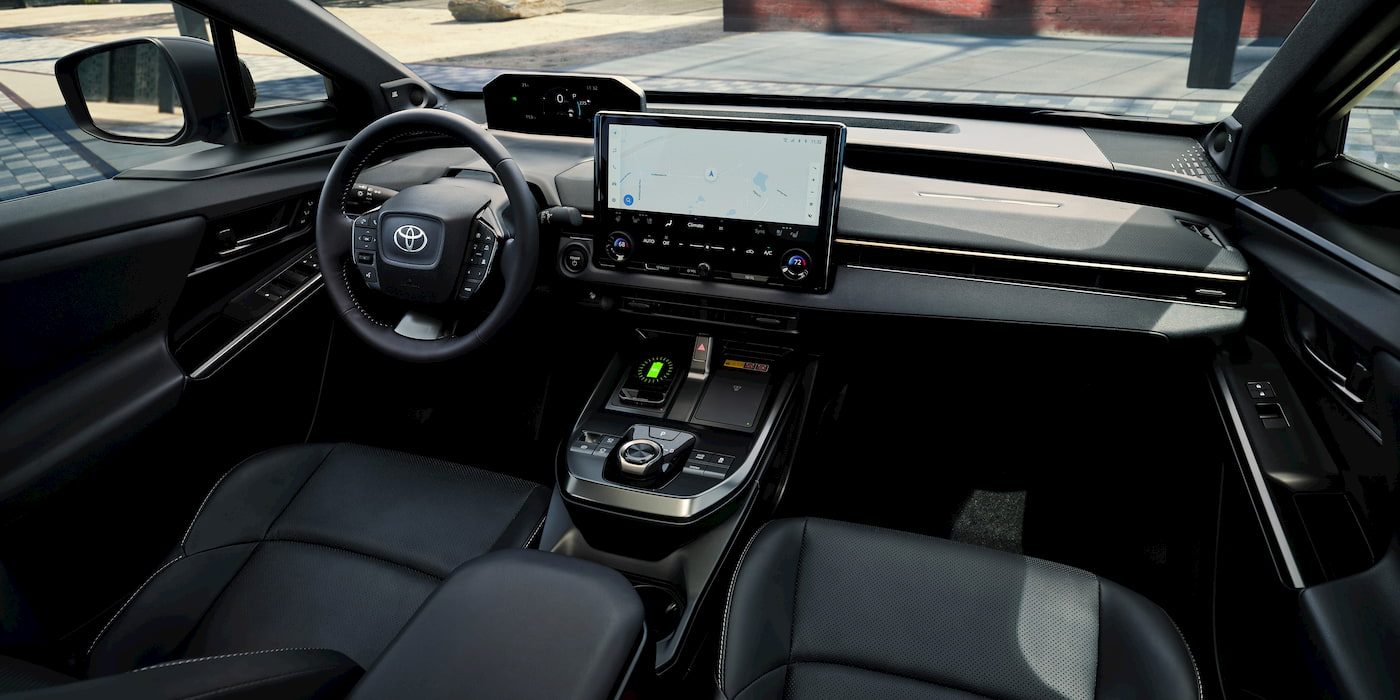
Furthermore, Toyota has addressed the fragmented state of public charging by integrating native North American Charging Standard (NACS) ports, granting drivers seamless access to high-speed Supercharger networks. Inside the cabin, the 2027 bZ features a completely revamped interior architecture anchored by a new 14-inch Toyota Audio Multimedia touchscreen display equipped with wireless Apple CarPlay and Android Auto integration.
Expanding the Electric Portfolio

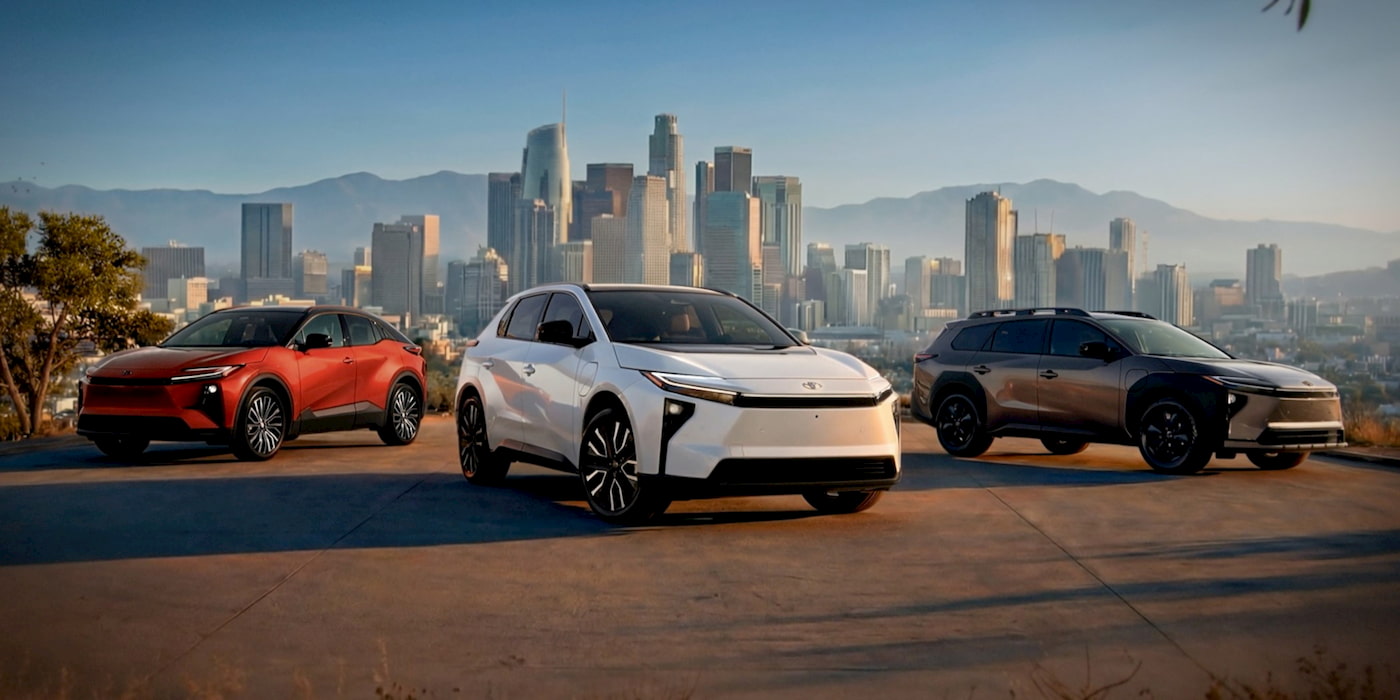
Building upon the momentum of its flagship electric SUV, Toyota has systematically diversified its American EV footprint. The brand now fields a three-pronged electric SUV strategy designed to capture distinct consumer demographics.
At the entry-level price point, the compact Toyota C-HR electric SUV starts at $37,080, catering to urban commuters and smaller households. At the upper end of the spectrum, the rugged bZ Woodland edition, starting at $45,380, appeals to outdoor enthusiasts and buyers seeking enhanced utility and all-weather capability. This tiered product strategy ensures that Toyota captures consumers across multiple price points and lifestyle segments.
Market Implications and Future Outlook

The August 2026 sales data underscores a structural maturation of the United States electric vehicle market. The era of exponential growth driven purely by early adopters and high-end luxury vehicles has yielded to a more sustainable, volume-driven phase defined by mainstream affordability and practical utility.
Toyota’s success demonstrates that legacy automakers possess the manufacturing scale and consumer trust required to dominate the EV space, provided they are willing to adapt rapidly to market feedback. By combining aggressive pricing strategies with meaningful technological upgrades—such as extended battery ranges, native NACS integration, and intuitive infotainment systems—Toyota has transformed its electric vehicle division from a cautious compliance exercise into a primary engine of corporate growth.
As the industry transitions into the final quarter of 2026, dealerships are expected to clear remaining inventory of outgoing 2026 models to make room for the newly arrived 2027 iterations. This inventory transition will likely generate further consumer incentives, keeping average transaction prices compressed and sustaining sales momentum across the broader automotive sector. For competing manufacturers, Toyota’s ascent serves as both a warning and a blueprint: long-term survival in the electric age requires relentless product evolution, rigorous cost discipline, and an uncompromising focus on consumer value.