A Breakthrough in Mesothelioma Treatment: Researchers Target Mitochondrial Vulnerabilities to Combat Aggressive Cancer

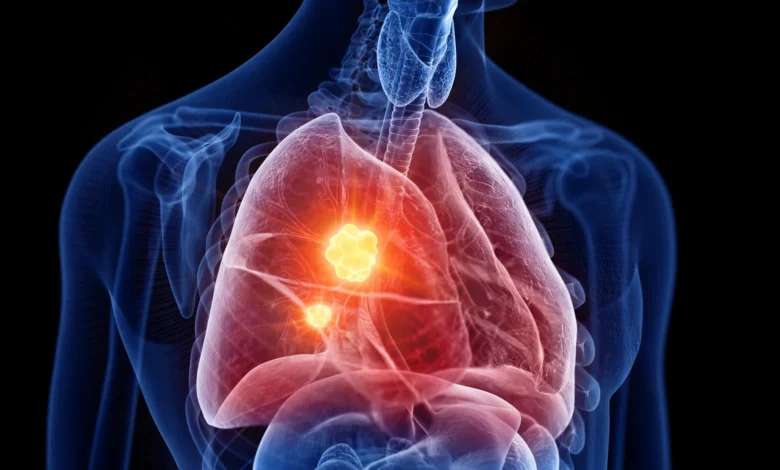
Mesothelioma, a notoriously aggressive and rare form of cancer almost exclusively associated with historical asbestos exposure, has long stood as a formidable challenge to modern oncology. Characterized by a latency period that can span decades between the initial inhalation of asbestos fibers and the onset of clinical symptoms, the disease often presents at an advanced stage. For the estimated 30,000 individuals diagnosed annually across the globe, the prognosis has remained grim, with a median survival rate of approximately 12 months and a five-year survival rate hovering near 10 percent. However, a transformative study published in Nature Communications by researchers at the University of Vermont (UVM) and an international consortium suggests a paradigm shift in how clinicians might address this unmet medical need.
The Mechanism of Mitochondrial Vulnerability
The core of the new therapeutic strategy lies in a sophisticated re-evaluation of cancer metabolism. Mesothelioma cells, due to their highly active and often chaotic metabolic states, generate significant levels of reactive oxygen species (ROS). These unstable molecules are inherently damaging to cellular structures. Under normal physiological conditions, cells maintain a balance of ROS to prevent oxidative damage. Cancer cells, however, exist in a state of chronic, high-level oxidative stress, forcing them to become hyper-reliant on antioxidant defense mechanisms to survive.
Central to this defense is peroxiredoxin 3 (PRX3), an enzyme that operates specifically within the mitochondria—the powerhouses of the cell. The UVM research team, led by Professor Brian Cunniff and research scientist Victoria Gibson, identified that by inhibiting PRX3, they could effectively "overload" the tumor cells with their own oxidative waste. When PRX3 is disabled, hydrogen peroxide accumulates within the mitochondria, leading to irreversible cellular damage and, ultimately, programmed cell death (apoptosis).
This approach marks a departure from historical oncological strategies that sought to supplement antioxidants in hopes of mitigating cancer growth. Years of clinical trials attempting to use antioxidants to fight cancer failed, with some data indicating that such supplements inadvertently protected tumor cells from their own internal toxicity. By opting to block the antioxidant defense system rather than bolster it, the UVM team has essentially turned a cancer cell’s protective adaptation into a fatal weakness.
Chronology of Discovery: From Lab Bench to Bedside
The journey of this treatment began in 2015 at the UVM Cancer Center, where researchers first began investigating the metabolic requirements of mesothelioma. The initial laboratory experiments were centered on thiostrepton, a naturally occurring antibiotic. Through rigorous in vitro testing, the researchers observed that thiostrepton acted as a potent inhibitor of PRX3. When researchers deleted the PRX3 gene in mesothelioma cell lines, the results were unequivocal: mitochondrial function plummeted, cell proliferation slowed significantly, and the ability of these cells to form tumors in animal models was essentially eradicated.
Crucially, the research addressed a primary skepticism in the scientific community: the potential for systemic toxicity. Because mitochondria are essential to all human cells, many oncologists initially feared that targeting mitochondrial enzymes would cause catastrophic side effects. However, the UVM team’s research demonstrated that knocking out PRX3 in healthy mice did not produce adverse phenotypes, suggesting a therapeutic window that spares healthy tissue while selectively targeting the metabolically stressed tumor environment.
Following these preclinical successes, the research moved toward commercialization and clinical application. RS Oncology, LLC was established to facilitate the transition from laboratory discovery to human clinical trials. This collaboration resulted in the development of RSO-021, a clinical-grade formulation of the thiostrepton-based therapy. By 2022, the team secured approval from the UK’s Medicines and Healthcare products Regulatory Agency (MHRA) to initiate a phase one clinical trial.
Clinical Trial Outcomes and Methodology
The phase one trial, conducted between 2022 and 2023, utilized a novel delivery method. Because roughly 90 percent of mesothelioma patients suffer from "pleural effusions"—a buildup of fluid in the space between the lung and the chest wall—doctors were able to deliver RSO-021 directly into the thoracic cavity via an existing catheter. This local administration allows for high concentrations of the drug to reach the tumor site while minimizing systemic exposure, thereby reducing the risk of adverse side effects typically associated with systemic chemotherapy.
The trial results were striking. Among the participants, 67 percent achieved disease stabilization, and in several instances, researchers documented a measurable shrinkage of tumors. Perhaps most notably, the drug demonstrated an excellent safety profile, meeting all primary endpoints for tolerability at a 90-milligram dose with no drug-related mortalities.
Beyond the immediate cytotoxic effects, preliminary data suggests that RSO-021 may possess immunomodulatory properties. By altering the inflammatory landscape of the tumor microenvironment, the treatment may help the patient’s own immune system recognize and mount a more effective response against the cancer. As Cunniff noted, the drug operates as both a direct killer of tumor cells and a facilitator of the body’s natural immune defenses.
Broader Implications and Future Research
The successful conclusion of the phase one trial has paved the way for phase two, with results expected to be unveiled at major international oncology conferences later this year. The implications of this research extend far beyond mesothelioma. The UVM team, in collaboration with the University of Leicester and other international partners, is already working on second-generation PRX3 inhibitors. These newer versions are being engineered for improved solubility, with the long-term goal of developing an oral tablet that could broaden the treatment’s utility.
Current efforts are also expanding into the treatment of peritoneal malignancies, including gastric and gastrointestinal cancers, where metabolic stress and PRX3 reliance are also prevalent. Surgical oncologist Conor O’Neill is working closely with the team to investigate the application of this mechanism in these broader categories of solid tumors.
For the researchers involved, the transition from cellular models to human trials has been profound. Victoria Gibson noted that the human element of the trial—the desperate desire of families to find treatment for loved ones—served as a powerful motivator. The ability to offer a potential "game changer" for a disease as aggressive as mesothelioma provides a glimmer of hope for patients who previously had few options beyond palliative care.
Analysis: A New Frontier in Precision Oncology
The success of the RSO-021 trial highlights the growing importance of metabolic oncology. By identifying a specific biochemical dependency in cancer cells—the reliance on PRX3—researchers have identified a "chink in the armor" of mesothelioma. The ability to induce cell death through the accumulation of hydrogen peroxide within the mitochondria represents a highly targeted approach that avoids the "carpet bombing" strategy of traditional chemotherapy.
Furthermore, the study underscores the necessity of interdisciplinary collaboration in modern medicine. The combination of UVM’s academic research, RS Oncology’s pharmaceutical development, and the MHRA’s regulatory oversight provided a blueprint for how academic discoveries can be efficiently translated into clinical practice. If phase two trials confirm the survival benefits observed in the initial cohort, RSO-021 could become the new standard of care for mesothelioma, while potentially serving as a foundational therapy for a wide range of other high-stress, metabolically active cancers.
As the medical community looks forward to the upcoming presentation of the phase two data, the success of this project stands as a testament to the power of basic science in addressing the most challenging diseases in clinical medicine. Through the lens of mitochondrial metabolism, researchers have not only found a new way to treat an old enemy but have also opened the door to a deeper understanding of how cancer cells struggle to survive in the human body.
Related posts: