The automotive landscape is undergoing a radical shift as manufacturers pivot toward specialized, purpose-built electric vehicles designed specifically for the logistics and commercial transport sectors. Kia, having already captured attention with the reveal of its PV5 model earlier this year, has officially expanded its Platform Beyond Vehicle (PBV) strategy with the introduction of the PV7. This larger, more capable iteration of Kia’s modular van lineup represents a strategic push to challenge industry titans like the Ford E-Transit and the Mercedes-Benz eSprinter, offering a sophisticated blend of high-voltage charging, modular adaptability, and a design language that challenges the traditional "boxy" aesthetic of the commercial van segment.
The Evolution of the PBV Strategy
The Platform Beyond Vehicle (PBV) initiative is the cornerstone of Kia’s future-looking commercial strategy. First unveiled in its concrete form in February 2024, the PBV concept is not merely a single vehicle line but a comprehensive ecosystem designed to address the needs of businesses ranging from small delivery startups to large-scale fleet operators. The PV5 served as the entry point into this ecosystem, but the introduction of the PV7 addresses the demand for increased volume and higher payload capacities.
By utilizing a scalable architecture, Kia has effectively separated the "chassis" or "driver cockpit" from the rear body modules. This modularity allows the PV7 to be configured for a diverse array of use cases, including cargo delivery, passenger shuttle services, and mobile workspace applications. The development of the PV7 follows a rigorous timeline of concept iteration, with the vehicle moving from the initial design phase to production-intent unveiling in less than twelve months—a testament to the accelerated development cycles currently favored by the Hyundai Motor Group.
Technical Specifications and Powertrain Capabilities
At the core of the PV7’s appeal is its technical architecture, which marks a significant upgrade over the smaller PV5. While both share the underlying PBV platform, the PV7 distinguishes itself with a superior electrical architecture. The PV7 utilizes an 800-volt charging system, a feature increasingly sought after in the commercial sector for its ability to minimize downtime. This high-voltage architecture allows the vehicle to charge from 10% to 80% in approximately 20 to 25 minutes, provided the operator has access to high-speed DC fast-charging infrastructure.
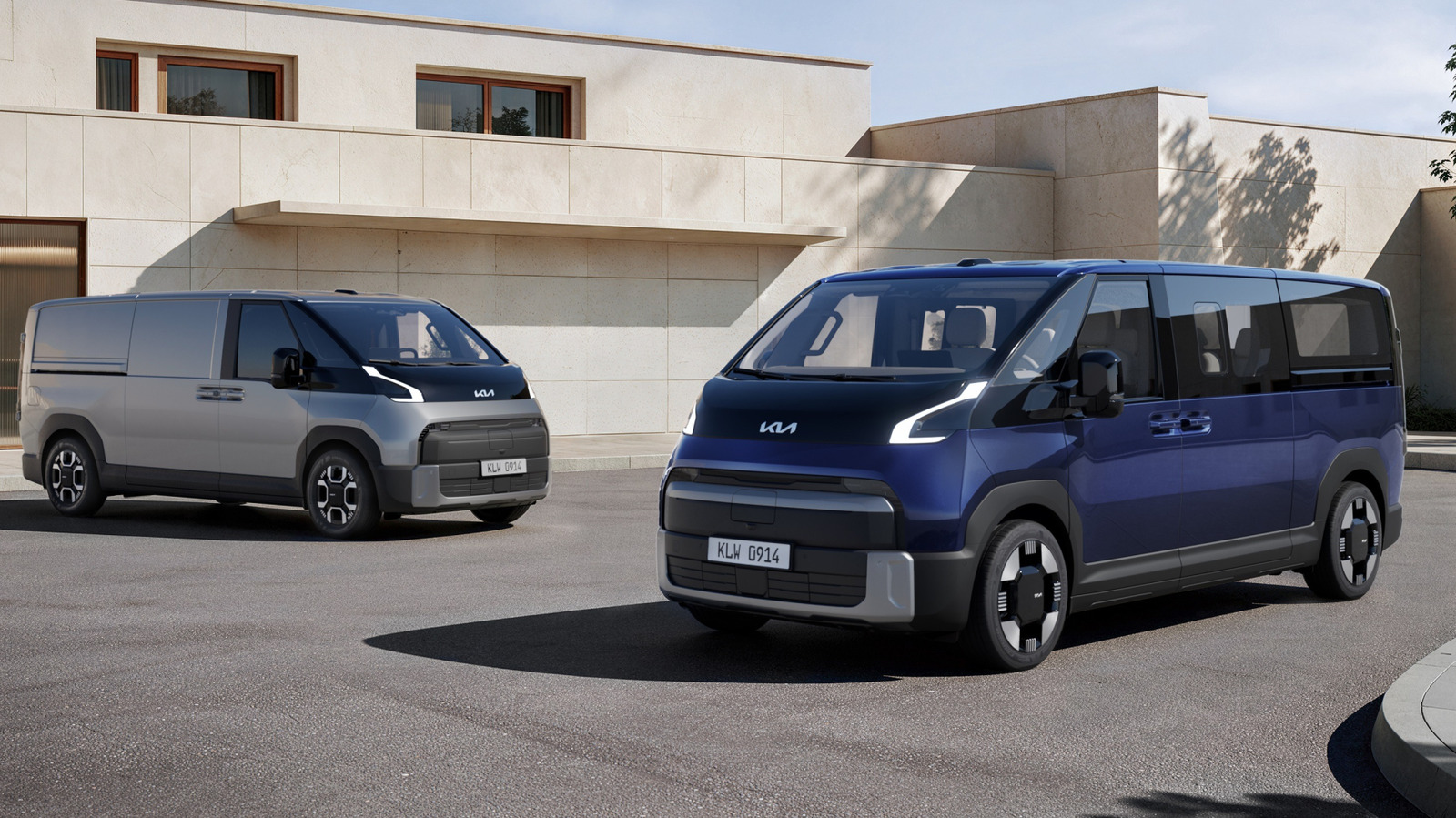
In terms of battery capacity, the PV7 enters the market with a robust 71.5-kWh battery pack as its standard offering. However, for fleet operators requiring extended range, Kia offers an upgraded 96.2-kWh nickel-cobalt-manganese (NCM) battery. Under the European WLTP cycle, the front-wheel-drive cargo variant equipped with the larger battery is projected to achieve a range of approximately 286 miles per charge. While all-wheel-drive variants are expected to follow, the initial launch focuses on high-efficiency, long-range configurations designed to lower the total cost of ownership (TCO) for logistics companies.
Performance figures for the PV7 are equally competitive, with the drivetrain producing up to 268 horsepower and 310 lb-ft of torque. These metrics ensure that the vehicle remains responsive even when loaded to its maximum capacity, an essential requirement for urban delivery vehicles that must navigate stop-and-go traffic efficiently.
Modular Utility and Configuration Flexibility
The primary value proposition of the PV7 lies in its versatility. Kia has engineered the van to support 23 distinct configurations, a number that reflects the manufacturer’s commitment to "Total Mobility Solutions."
For the cargo-focused buyer, the PV7 offers a load-through bulkhead design, facilitating the transport of longer items that would otherwise require a larger vehicle. The interior layout is optimized to accommodate three standard Euro pallets, a critical metric for the European logistics market. Furthermore, the vehicle features two distinct tailgate designs, allowing operators to choose between standard swing doors or a liftgate based on loading dock requirements and regional operational preferences.
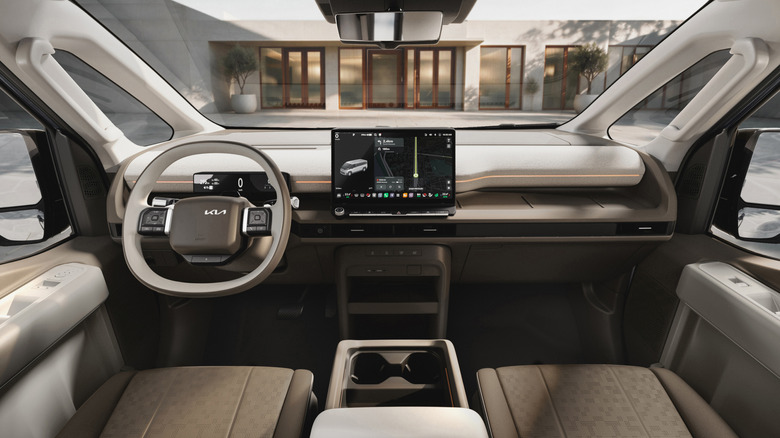
The passenger variants of the PV7 are equally flexible, offering seating capacities ranging from seven to 11 occupants. This makes the vehicle a viable candidate for airport shuttles, corporate transport, and ride-hailing services. The interior design emphasizes ergonomic efficiency, featuring durable, easy-to-clean materials that maintain a professional aesthetic despite the heavy use associated with commercial transport.
Design Language and Market Differentiation
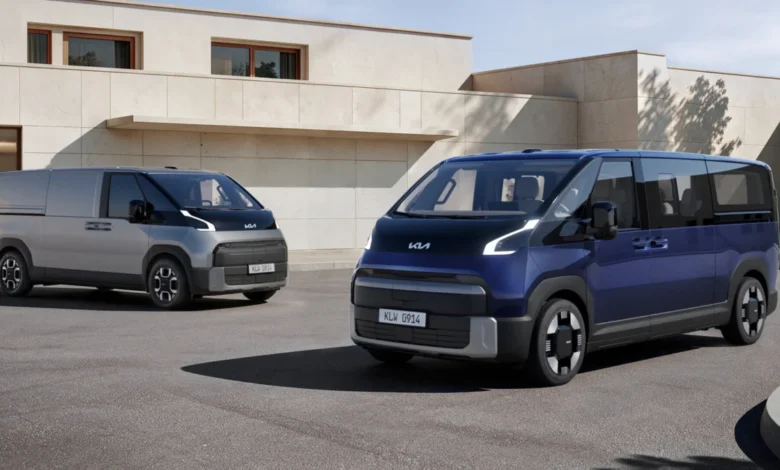
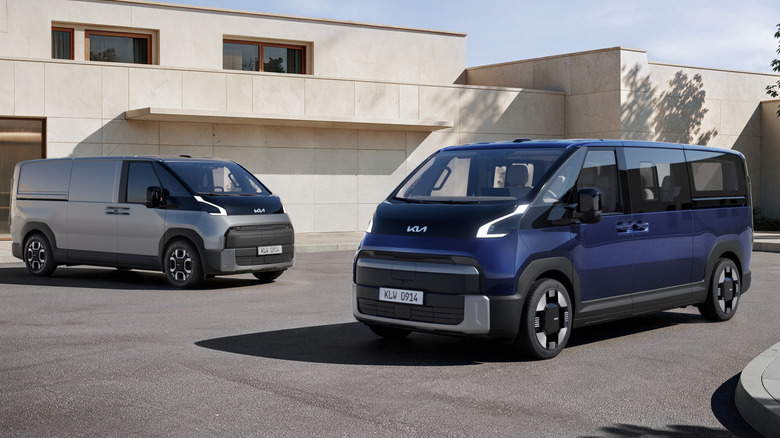
Perhaps the most striking aspect of the PV7 is its exterior styling. In an industry where commercial vans have historically been defined by utilitarian, uninspired shapes, Kia has opted for a bold, futuristic aesthetic. The PV7 maintains the blunt, vertical nose of the PV5 but enhances the look with distinct, high-tech lighting signatures and a low beltline that creates a unique visual profile.
The inclusion of blistered, boxy wheel arches adds a sense of ruggedness to the vehicle’s design, breaking up the otherwise flat side panels. This aesthetic choice is not merely decorative; it signals a departure from the "white box" fleet vehicle identity, positioning the PV7 as a lifestyle-adjacent tool that brands can use to signal their commitment to innovation and sustainability.
Implications for the Commercial EV Sector
The introduction of the PV7 places immediate pressure on established players. The Ford E-Transit and the Mercedes-Benz eSprinter have long held dominance in the full-size electric van category, but the PV7’s combination of 800-volt charging and modular adaptability offers a compelling alternative.
Industry analysts note that the commercial EV market is currently defined by a battle for "uptime." Because commercial vehicles represent capital equipment that earns revenue only when in motion, the ability to charge quickly—coupled with the ability to switch out body modules for different tasks—could allow the PV7 to achieve a higher utilization rate than its competitors.
Furthermore, the integration of a "heavy-load driving mode" shows that Kia has studied the pain points of current fleet drivers. By automatically adjusting torque delivery and throttle response based on payload weight, the vehicle ensures that driving characteristics remain consistent regardless of whether the van is empty or at maximum capacity. This focus on driver experience is a subtle but critical factor in vehicle procurement decisions, as it directly impacts driver retention and safety.
Future Outlook and Regional Availability
Despite the excitement surrounding the reveal, one significant question remains: will the PV7 be available in the United States? As of the current announcement, Kia has remained silent on specific plans for a U.S. launch. The American commercial van market is unique, with specific regulatory requirements and consumer preferences that differ significantly from those in Europe or Asia.
Should the PV7 enter the North American market, it would likely compete in the medium-duty commercial space. The success of such an endeavor would depend heavily on the establishment of a specialized dealership and service network capable of supporting the unique needs of fleet customers, as well as the availability of sufficient charging infrastructure in major logistics hubs.
As Kia continues to refine its PBV strategy, the PV7 serves as a clear indicator of the company’s trajectory. By prioritizing modularity, high-speed charging, and distinctive design, Kia is attempting to redefine what a commercial vehicle can be. Whether the market is ready to embrace this "alien-looking" modular future on a global scale will become clearer as production ramps up and fleet testing begins in the coming months. For now, the PV7 stands as a sophisticated, forward-thinking solution to the increasingly complex demands of modern urban logistics.