The Infrastructure of Influence: Defining the Automotive "Freebie"
In the world of motoring media, the concept of the "freebie" is multi-layered, ranging from essential logistical support to purely promotional tokens. At the base level, the most significant "gift" is the press vehicle itself. For a journalist to conduct a comprehensive road test, they must have access to a vehicle for a period ranging from several days to several months. In the United Kingdom and Europe, manufacturers maintain "press fleets"—dedicated pools of vehicles specifically allocated for media use. While these are technically provided for free, they are considered essential tools of the trade, similar to a technology reviewer receiving a smartphone or a literary critic receiving a galley proof.
Beyond the vehicle loans, the industry relies heavily on the "international press launch." These events typically involve flying hundreds of journalists to a central location—often in regions with predictable weather like southern Spain, Portugal, or the United Arab Emirates—to test new models on optimized routes. The manufacturer covers the costs of airfare, luxury accommodation, and catering. From a logistical standpoint, these events are highly efficient. It is significantly more cost-effective for a company like Volkswagen or Toyota to transport 50 early-production vehicles to a single hub than to ship those same vehicles to 20 different countries for individual domestic launches.
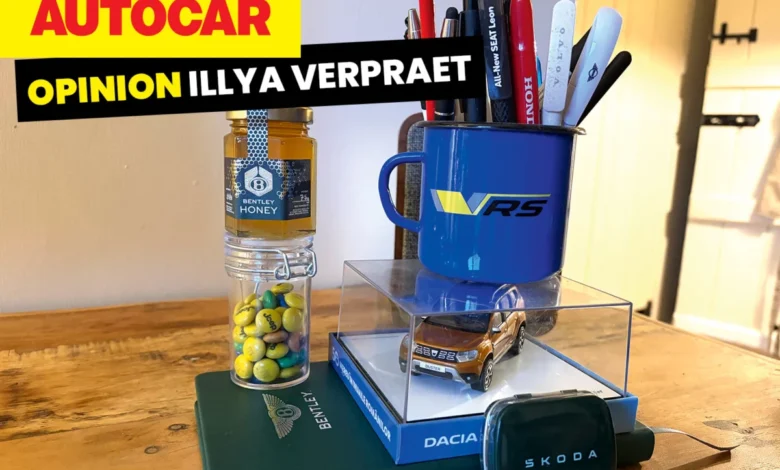
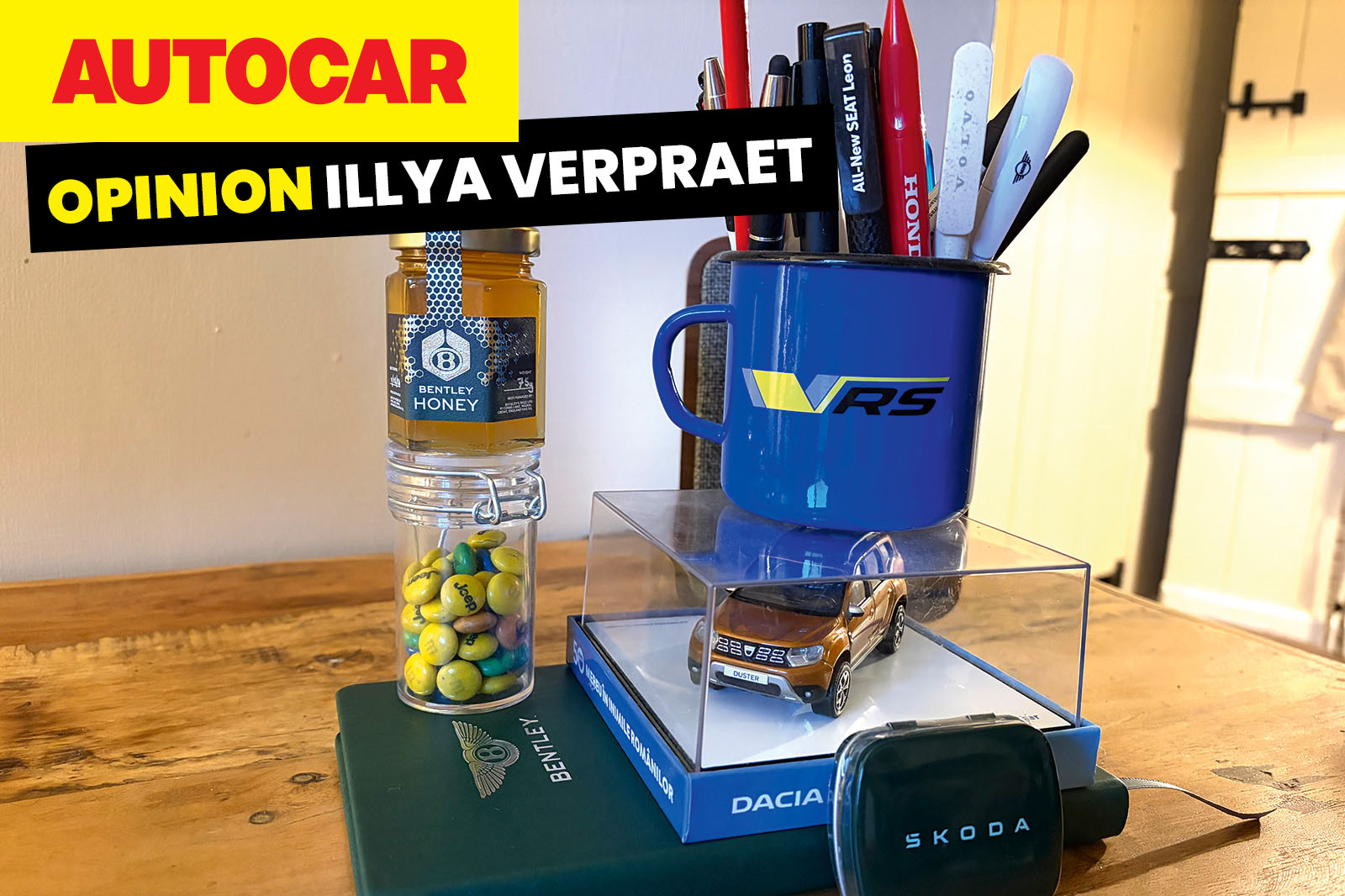
Finally, there is the "swag"—the branded merchandise that gives this discussion its title. Items such as Jeep-branded M&Ms, Polestar-branded reusable bottles, high-quality notebooks, and technical outerwear are common fixtures at these events. While these items carry a low monetary value relative to the product being reviewed, they serve as constant brand reminders in the journalist’s daily life.
A Chronology of the Automotive Media Relationship
The evolution of the relationship between car makers and the press has shifted from informal gatherings to a multi-billion-dollar global marketing apparatus.
- The Early Era (1900s–1950s): Automotive reporting was largely enthusiast-driven. Relationships were personal and local. Manufacturers would often invite "gentleman journalists" to factories for informal tours.
- The Golden Age of the Junket (1960s–1990s): As the global economy expanded, so did marketing budgets. This era saw the rise of the lavish international launch. It was not uncommon for manufacturers to host extravagant parties and provide expensive gifts to ensure favorable coverage in the dominant print magazines of the time.
- The Professionalization Period (2000s–2010s): Increased scrutiny from media watchdogs and the implementation of stricter corporate governance led to a more standardized approach. Outlets like Autocar, Top Gear, and Car and Driver began formalizing ethics policies, explicitly stating that hospitality does not equate to a positive review.
- The Digital Pivot and the Pandemic (2020–2022): The COVID-19 pandemic halted international travel, forcing the industry into "virtual launches." Journalists received cars at their homes, and briefings were held via video conference. This period proved that while international travel is convenient, it is not strictly necessary for vehicle evaluation.
- The Post-Pandemic Landscape (2023–Present): Physical launches have returned, but they are now competing with a new class of "influencers" who operate under different ethical guidelines than traditional journalists, often accepting direct payment for content—a practice strictly forbidden in traditional editorial houses.
The Logistics of Centralized Testing
To understand why manufacturers continue to invest in international launches, one must look at the data surrounding vehicle logistics. A typical modern car launch for a major European brand may involve hosting 400 to 600 journalists over a period of three weeks.
If a manufacturer were to eschew the centralized model in favor of local testing, they would face astronomical costs. Shipping a fleet of 30 cars from a factory in Germany to the United States, Japan, and Australia for separate events involves complex customs arrangements, high insurance premiums, and the risk of vehicle damage. Furthermore, early-production vehicles—often called "pre-series" cars—are limited in number. By keeping them in one location, engineers and product experts can be on-hand to answer technical questions, ensuring that the information disseminated to the public is as accurate as possible.
From the journalist’s perspective, these events allow for a "compressed learning" environment. In 48 hours, a reporter can interview the head of design, the lead chassis engineer, and the powertrain specialist—access that would be impossible during a standard one-week loan in their home country.
Ethical Frameworks and Editorial Independence
The primary defense against the "gift for stars" narrative is the professional integrity of the mastheads involved. Major automotive publications operate with a "Church and State" divide, where the editorial team is strictly separated from the advertising and commercial departments.
Most reputable outlets adhere to a version of the Society of Professional Journalists (SPJ) Code of Ethics, which mandates that journalists should "refuse gifts, favors, fees, free travel and special treatment, and avoid political and other outside activities that may compromise integrity or impartiality, or may damage credibility."
In the context of automotive journalism, "free travel" is often reclassified as a business necessity provided by the subject of the report, provided the journalist remains free to criticize the product. It is a common occurrence in the industry for a manufacturer to spend thousands of pounds flying a journalist to a launch, only for that journalist to publish a scathing three-star review. In fact, many veteran reviewers argue that a "bad" car is often more apparent during a lavish launch, as the contrast between the high-end hospitality and a sub-par product becomes glaringly obvious.
Supporting Data: The Impact of Critical Reviews
Market data suggests that consumer trust remains tied to critical, unbiased reporting rather than promotional content. A 2023 study on consumer behavior in the automotive sector indicated that 74% of new car buyers consulted at least three independent review sites before visiting a dealership. Furthermore, vehicles that received poor critical reception despite high-budget launch events—such as the initial launch of the Chrysler Crossfire or the lukewarm reception of certain early mass-market EVs—suffered in long-term sales figures.
The financial reality for media outlets also plays a role. As advertising revenues for traditional print and digital media have declined, many publications can no longer afford the five-figure costs associated with sending a team of journalists and videographers to multiple international locations per year. Without manufacturer-supported travel, many of the world’s most respected automotive voices would be unable to provide timely coverage of new global models.
The Rise of Social Media and the "Influencer" Variable
The most significant disruption to the "gifts and reviews" balance is the emergence of social media influencers. Unlike traditional journalists, many influencers operate as "brand ambassadors." In these cases, the "gift" is often a direct financial contract.
This has created a two-tier system in automotive media:
- Editorial Media: Bound by journalistic ethics, focused on objective testing, and historically critical when necessary.
- Influencer Media: Often focused on "lifestyle" integration, where the vehicle is a backdrop for personal branding, and negative reviews are rare because they risk the termination of lucrative partnership contracts.
This distinction is crucial for the consumer. While a journalist might appreciate a Polestar water bottle, their primary "customer" is the reader. For an influencer, the "customer" is often the brand’s marketing department.
Broader Impact and Implications
The tension between corporate hospitality and editorial rigor is not unique to the automotive world; it exists in travel, technology, and fashion journalism. However, because a car is the second-largest purchase most people will ever make, the stakes are significantly higher.
The industry is currently moving toward greater transparency. Many publications now include disclosure statements at the end of reviews, noting that the manufacturer provided travel and accommodation. This transparency allows the reader to make an informed judgment about the potential for bias.
Ultimately, the "gifts" mentioned—the M&Ms, the bottles, the nice dinners in Spain—are marketing expenses designed to create a positive atmosphere. Yet, the consensus among professional road testers remains firm: a branded trinket cannot mask a poorly tuned suspension, an inefficient engine, or a frustrating infotainment system. The "five-star review" remains a mark of engineering excellence, not a receipt for hospitality. As the industry transitions toward electrification and software-defined vehicles, the need for rigorous, skeptical, and independent journalism has never been greater, regardless of how many branded chocolates are left on the hotel pillow.