
Austrian Police Say Non Functional Pipe Bomb Found Suspects Home
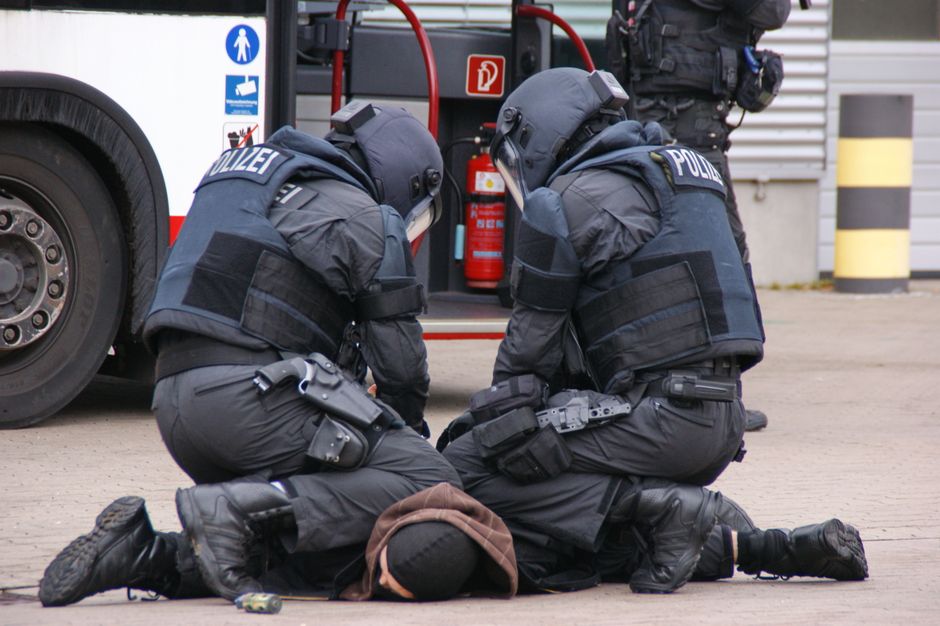
Austrian Police Discover Non-Functional Pipe Bomb at Suspect’s Residence
Austrian authorities have confirmed the discovery of a non-functional pipe bomb during a search of a suspect’s residence, a development that has prompted an ongoing investigation into potential extremist ideologies and threats. The incident, which unfolded in a [Specify general region or city if publicly available, otherwise omit or use a placeholder like "a residential area"], has triggered a heightened state of alert for law enforcement agencies and raised questions about the motivations behind the possession of such an incendiary device, even in a disabled state. Early reports from the Austrian Federal Police [or relevant agency] indicate that the device was found during a routine operation or as part of a broader intelligence-led investigation. The specific circumstances leading to the search remain largely undisclosed, citing the sensitive nature of the ongoing criminal inquiry. However, sources close to the investigation suggest that the suspect was already under scrutiny for potential links to radical groups or concerning online activities. The immediate priority for law enforcement was to secure the device and ensure public safety, which involved the deployment of specialized bomb disposal units. The discovery of any explosive device, functional or not, inherently carries a significant level of risk, and authorities acted with extreme caution to mitigate any potential hazards. The non-functional nature of the pipe bomb is a crucial detail, suggesting that while the intent to possess or construct such a device may have been present, the capacity for immediate detonation was absent. This distinction is important for investigators as they work to understand the suspect’s capabilities, intentions, and potential accomplices.
The nature of the pipe bomb itself, described as "non-functional," warrants further examination by forensic experts. Investigators are meticulous in their analysis of such findings to determine the components used, the level of sophistication in its construction, and whether it was intended to be activated or was part of a larger cache of materials. The term "non-functional" can encompass a range of possibilities, from a device that was never completed to one that was intentionally disabled or lacked essential components for detonation. This nuance is critical for assessing the immediate threat level and the suspect’s level of expertise. The materials found, even if assembled into a seemingly inert device, can provide invaluable clues about the suspect’s access to specific chemicals, tools, and knowledge. The investigation is now focusing on building a comprehensive profile of the suspect, including their background, employment, social circles, and any online footprint that might reveal extremist leanings or communication with like-minded individuals. Law enforcement agencies are employing a multi-faceted approach, utilizing digital forensics to analyze computers and mobile devices seized from the suspect’s home, as well as traditional investigative techniques to interview witnesses and gather intelligence from the community. The aim is to establish whether this was an isolated incident or part of a larger, coordinated effort.
The Austrian Federal Police have refrained from releasing specific details about the suspect’s identity, age, or nationality, citing the ongoing nature of the investigation and the legal framework surrounding criminal proceedings. However, it is understood that the suspect has been taken into custody and is being questioned by investigators. The charges they will face will depend on the findings of the forensic analysis of the pipe bomb and any other evidence uncovered during the searches. Possession of explosive devices, even if non-functional, can carry serious legal repercussions under Austrian law, particularly if there is evidence of intent to cause harm or disrupt public order. The discovery has undoubtedly intensified scrutiny on potential extremist threats within Austria. Law enforcement agencies regularly monitor various groups and individuals suspected of radicalization, and this incident underscores the persistent challenges in identifying and neutralizing such threats before they escalate. The focus is on preventing acts of violence, and intelligence gathering plays a pivotal role in this proactive approach. Analysts are likely examining the suspect’s digital communications for any signs of affiliation with known terrorist organizations or extremist ideologies, whether domestic or international.
The broader implications of this discovery extend to national security and public perception. While the immediate danger posed by the non-functional pipe bomb may have been mitigated, the incident serves as a stark reminder of the potential for individuals to acquire or attempt to construct such devices. Security agencies are working collaboratively to assess the overall threat landscape and to share intelligence with international partners. The investigation will likely delve into how the suspect obtained the materials necessary to construct the device and whether there are any wider networks involved in supplying such components. This could involve scrutinizing online marketplaces, chemical suppliers, and any other potential avenues for obtaining restricted items. The focus is not only on apprehending individuals but also on disrupting the infrastructure that enables such activities. The public’s understanding of such events is also crucial, and authorities may face pressure to provide more information as the investigation progresses, balancing the need for transparency with the imperative to protect sensitive operational details.
The investigation into the non-functional pipe bomb found at the suspect’s residence in Austria is a complex and evolving process. The primary objectives remain the full understanding of the suspect’s motivations, the assessment of any wider threat, and the prosecution of individuals involved in illegal possession of dangerous materials. Law enforcement is employing a comprehensive strategy that includes forensic analysis, digital investigation, intelligence gathering, and community outreach. The discovery of such a device, regardless of its functional status, triggers a rigorous examination of all potential leads. The focus on the "non-functional" aspect of the pipe bomb is central to determining the immediate level of danger and the suspect’s intent. It is not merely about the object itself, but what it represents in terms of the suspect’s capabilities and mindset. This case highlights the ongoing efforts of Austrian authorities to maintain public safety and counter potential threats from individuals or groups with extremist affiliations. The eventual outcome of the investigation will depend on the thoroughness of the evidence collection and the legal framework within which the case is pursued. The aim is to achieve justice and to prevent future incidents of this nature. The investigation’s depth will extend to exploring the suspect’s potential radicalization pathway, their access to information and resources, and any attempts to solicit or engage with others in similar activities. The success of such investigations often hinges on the meticulous piecing together of disparate pieces of evidence, from physical artifacts to digital footprints.
The investigation is likely to involve a detailed examination of the suspect’s online activities, including their browsing history, social media interactions, and any encrypted communications. Modern-day extremism often manifests online, and digital forensics is an indispensable tool for uncovering connections and intent. Authorities will be looking for any evidence of radicalization, contact with extremist groups or individuals, or research into bomb-making techniques. The materials used in the construction of the pipe bomb, even if it was non-functional, will undergo rigorous forensic examination. This will include identifying the types of pipes, explosives (if any residue is found), detonators (even if incomplete or disabled), and any other components. The aim is to determine the sophistication of the construction and whether the suspect had acquired the necessary knowledge and resources. This forensic data can also help to trace the origin of the materials, potentially leading investigators to suppliers or other individuals involved in the illicit trade of such items. The investigation will also focus on the suspect’s immediate environment, including their social circle, workplace, and any known associates. Interviews with friends, family, and colleagues can provide crucial insights into the suspect’s behavior, mindset, and any changes that may have occurred leading up to the discovery. Community engagement is also vital, as residents may have observed suspicious activity or possess information that could be relevant to the investigation. Law enforcement agencies are trained to process this information and to integrate it into their broader intelligence picture.
The legal ramifications for the suspect will be determined by the specific charges that Austrian prosecutors decide to file, based on the evidence gathered. Possession of an explosive device, even if non-functional, can be a serious offense, particularly if there is evidence of intent to use it for illegal purposes, such as terrorism or causing public disorder. The specific intent behind the possession of the non-functional pipe bomb is a key element that investigators will be trying to establish. Was it a crude attempt at bomb-making without full understanding? Was it intended as a deterrent or a symbolic gesture? Or was it part of a more elaborate plan that was interrupted? The answers to these questions will significantly influence the legal proceedings. The Austrian legal system, like many others, places a strong emphasis on due process and the presumption of innocence until proven guilty. However, the gravity of possessing an explosive device, even in a disabled state, is not to be underestimated. The investigation will adhere to strict legal procedures to ensure that any evidence obtained is admissible in court. This includes obtaining warrants for searches, conducting interviews in accordance with legal rights, and ensuring the chain of custody for all evidence is maintained. The ultimate goal is to ensure that justice is served and that any individuals found to be a threat to public safety are held accountable under the law. The ongoing nature of this investigation means that further details may emerge as new evidence is uncovered and analyzed. Law enforcement agencies are committed to providing updates when they can do so without compromising the integrity of the investigation or jeopardizing ongoing operations.
