The Rapid Escalation of Data Center Energy Consumption and the Growing Carbon Footprint of the Digital Age

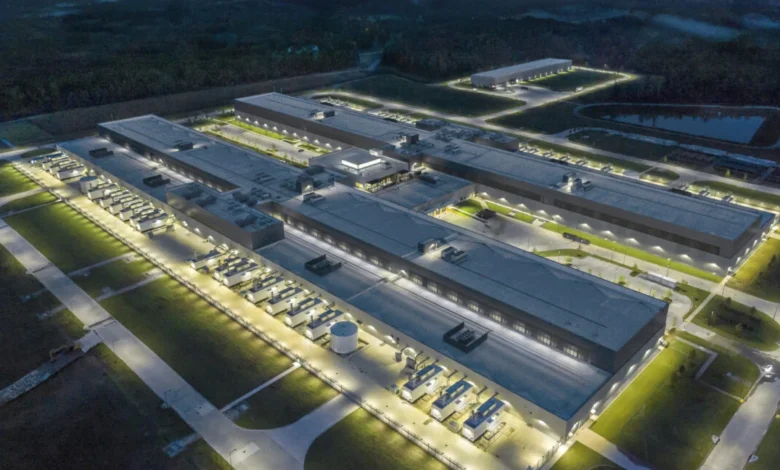
The architecture of the modern internet is undergoing a profound physical transformation, one that is increasingly visible not just in lines of code, but in the soaring demand for electricity across the United States. According to a landmark report from the Lawrence Berkeley National Laboratory published in Nature Sustainability, the energy footprint of American data centers has surged at an unprecedented rate, climbing from 76 terawatt-hours in 2018 to an estimated 192 terawatt-hours by 2024. When excluding the highly volatile energy consumption associated with cryptocurrency mining, this figure highlights the massive power requirements of hyperscale data centers, which now account for approximately one-third to one-half of the entire sector’s electricity load.
This expansion mirrors the aggressive buildout of digital infrastructure necessitated by cloud computing, streaming services, and, most recently, the explosive integration of generative artificial intelligence. As these facilities multiply, the environmental consequences—specifically the greenhouse gas emissions tied to their power generation—are coming under intense scrutiny from regulators, environmental groups, and utility providers struggling to manage grid stability.
A Chronology of Digital Growth and Energy Demand
The trajectory of data center energy use has been steep and largely uninterrupted over the last decade. In 2018, the industry was primarily focused on centralized cloud storage and enterprise data management. By 2021, the onset of the pandemic-driven remote work era shifted the load toward collaborative platforms and video conferencing, further accelerating the need for high-density computing.
The 2022–2024 period, however, represents a distinct phase shift. The widespread adoption of Large Language Models (LLMs) and the subsequent "AI arms race" among technology giants have led to a rapid expansion of high-performance computing clusters. While this study does not isolate AI-specific energy consumption, researchers note that the growth curve observed between 2024 and the current period is strongly correlated with the physical construction of AI-ready hyperscale facilities.
This timeline is marked by several pivotal moments:
- 2018: The baseline year for the Berkeley Lab study, establishing a national data center consumption of 76 TWh.
- 2022: The emergence of generative AI enters the mainstream, triggering a massive wave of capital expenditure for power-hungry GPU clusters.
- 2025: A notable pivot occurs as tech companies begin moving toward "behind-the-meter" power generation, signaling a departure from traditional grid-reliance to bypass utility bottlenecks.
Calculating the Carbon Cost of Computation
The methodology utilized by the Berkeley Lab researchers provides a transparent look at the climate impact of this digital infrastructure. By analyzing the regional grid mix—the specific composition of energy sources in the areas where these data centers are located—researchers were able to calculate a CO2-per-watt-hour intensity for the industry.
The findings suggest that these data centers are responsible for 21 to 31 million metric tons of CO2 annually. While this constitutes roughly 0.5 percent of total U.S. fossil fuel-based emissions, the figure is deceptive in its modesty. It masks the fact that the locations chosen for these data centers are not necessarily optimized for green energy. In fact, the data indicates that the energy mix powering these facilities is only marginally cleaner than the national average. Approximately 54 percent of the electricity consumed is derived from fossil fuels, predominantly natural gas, with 25 percent coming from renewable sources and 21 percent from nuclear power.
The Rise of Behind-the-Meter Generation
A significant variable in the current energy landscape is the shift toward "behind-the-meter" (BTM) generation. This term refers to power generation assets—such as natural gas turbines or battery storage—that are located directly at or adjacent to the data center site, bypassing the public utility grid.
This trend is increasingly problematic from an efficiency standpoint. Industry analysts at Cleanview have tracked a substantial surge in these projects since early 2025, identifying at least 116 current or planned data centers utilizing on-site power. The efficiency gap is stark: research suggests that on-site, smaller-scale gas turbines are significantly less efficient than the large-scale utility plants they are designed to augment or replace. Independent climate analysis indicates that these off-grid solutions can emit 60 to 80 percent more greenhouse gases to produce the same amount of usable electricity compared to modern, grid-scale combined-cycle power plants.
The xAI data center in Tennessee has become a focal point of this debate. Reports from the region have highlighted the use of natural gas turbines to support operations, raising questions about local air quality and the accountability of private power generation. As tech companies seek to circumvent the slow permitting process for grid upgrades, the reliance on these less-efficient, fossil-fuel-heavy on-site solutions is expected to grow, potentially undermining corporate sustainability pledges.
Industry and Regulatory Perspectives
The tension between technological progress and energy conservation is forcing a reassessment of corporate responsibility. Major technology firms often cite "Net Zero" goals, yet these targets frequently rely on the purchase of Renewable Energy Credits (RECs) rather than direct, 24/7 carbon-free energy usage.
Industry proponents argue that the efficiency of newer chips and improved cooling technologies—such as liquid cooling—will eventually offset the total power draw. However, the current data suggests that the "Jevons Paradox" may be at play: as computing becomes more efficient, the demand for it increases, which in turn drives up total energy consumption.
Regulators and utility companies have expressed concern regarding the strain these facilities place on the grid. In many regions, the rapid arrival of a single hyperscale facility can require as much power as a small city, necessitating significant investments in transmission infrastructure. The financial burden of these upgrades is often debated; while data center operators argue they contribute to the local tax base, public interest groups contend that the costs of grid modernization are being unfairly socialized onto residential ratepayers.
Future Implications for the AI Buildout
The Berkeley Lab report underscores a critical challenge: the current data-gathering mechanisms are insufficient to fully capture the nuances of the evolving digital landscape. Because the study could not isolate AI-specific energy use, it serves as a baseline rather than a terminal point. Future research will need to distinguish between standard enterprise workloads and the intensive training and inference tasks required by modern AI models.
If the current buildout trajectory continues, the energy demand of these facilities could represent a significant hurdle for national decarbonization efforts. To mitigate this, industry experts suggest a transition toward co-locating data centers with dedicated carbon-free energy projects, such as wind or solar farms paired with long-duration battery storage. However, the economic incentive to prioritize cheap, on-demand natural gas remains a powerful counter-force.
The path forward will likely involve a combination of stricter oversight for on-site power generation and a requirement for tech firms to integrate their infrastructure more deeply with the broader energy transition. Without such measures, the "digital transformation" of the global economy threatens to be a carbon-intensive endeavor that complicates the achievement of international climate goals. As the sector matures, the ability of companies to harmonize their computational output with their environmental impact will likely define the next decade of corporate governance and technological development.
In conclusion, the data provided by the Nature Sustainability study offers a necessary reality check. The digital world is not an abstract, weightless construct; it is a physical, resource-intensive industry that is becoming an increasingly dominant consumer of American energy. The choices made by policymakers and tech executives in the coming years will determine whether this growth can be sustained within the limits of our planetary boundaries, or if the energy requirements of the AI era will necessitate a fundamental, and potentially painful, rethinking of the global internet’s infrastructure.