Beyond the Pump: How Electric Vehicles and Home Microgrids Prove Resilient During Natural Disasters

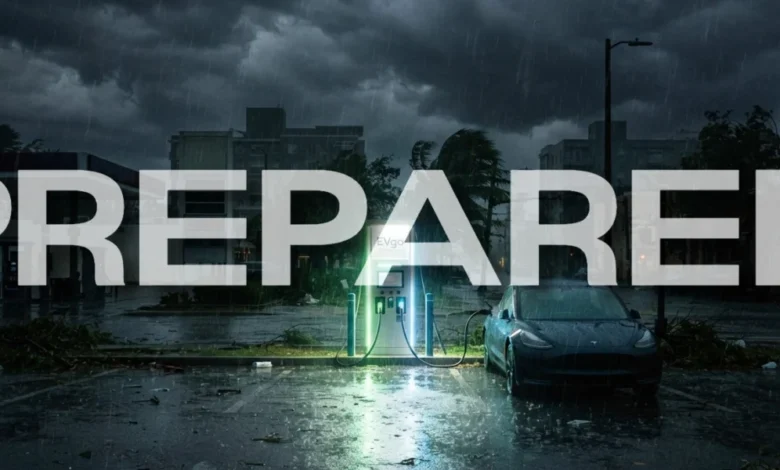
The debate surrounding the viability of electric vehicles (EVs) during emergency scenarios often centers on perceived vulnerabilities, particularly the dependency on an electrical grid. Critics frequently argue that power outages render EVs useless, leaving drivers stranded. However, recent severe weather events, such as Hurricane Helene, have highlighted the distinct operational vulnerabilities of internal combustion engine (ICE) vehicles during catastrophic grid failures. While traditional gas stations rely entirely on continuous electrical power to operate pumps and processing systems, specific configurations of electric vehicles and home energy storage systems have demonstrated a higher degree of localized resilience. Real-world accounts from drivers navigating disaster zones, paired with advancements in vehicle-to-home (V2H) technology and decentralized solar power, point to a shifting paradigm in emergency preparedness.
Main Facts and Real-World Application in Disaster Zones
When Hurricane Helene struck the southeastern United States, extensive power outages crippled infrastructure across multiple states, including large swaths of Georgia. Panic-buying immediately depleted local fuel reserves, while widespread power failures rendered traditional gas station pumps inoperable. Motorists traveling through the region encountered miles of shuttered fueling stations with no auxiliary power to dispense gasoline.

Amid these challenging logistical conditions, EV drivers faced unique circumstances. A notable account from a motorist driving a GMC Sierra EV towing a heavy load from Montgomery, Alabama, to Titusville, Florida, illustrated the operational realities on the ground. Traveling through Vidalia, Georgia, the driver found that high-speed DC fast chargers—which require standard low-voltage lines to operate their internal electronics, similar to commercial fuel pumps—were offline due to the regional blackout.
However, local Level 2 chargers located at a regional automotive dealership remained fully operational. These chargers utilized independent underground infrastructure and a dedicated 240-volt supply isolated from the compromised local grid. This allowed the driver to successfully recharge the vehicle to full capacity before continuing south, eventually completing a mission to deliver emergency generators and supplies to affected family members. This case study underscores that while public fast-charging infrastructure is susceptible to grid failures, diverse charging architectures and localized microgrid setups can offer functional redundancies that traditional gas distribution networks lack.
Chronology of Grid Vulnerability and Fuel Supply Disruptions
The vulnerability of traditional liquid fuel distribution during natural disasters follows a predictable, highly disruptive timeline:
- Pre-Disaster Phase (0 to 48 Hours Prior): Weather alerts trigger widespread panic-buying. Consumers rush to local filling stations, rapidly depleting underground storage tanks and causing long queues that exhaust local fuel supplies before the storm even makes landfall.
- Impact Phase (The Event): High winds, flooding, and structural damage knock out primary electrical substations. Commercial power grids collapse. Standard gas station pumps, which require continuous electrical current to pump fuel and process credit card transactions, immediately shut down. Backup generators at gas stations are rare outside of specific evacuation corridors.
- Post-Disaster Phase (Days to Weeks Following): Restoration of the commercial power grid can take anywhere from several days to several weeks, depending on the severity of the storm. During this recovery window, ICE vehicle owners remain immobilized if they cannot find a functional station with operational pumps and available fuel. Conversely, EV owners with access to localized solar generation or functional microgrids can bypass commercial fuel distribution entirely.
Supporting Data and Technological Integration
The transition toward decentralized energy management has accelerated significantly. Modern EV architecture increasingly incorporates bidirectional charging capabilities, transforming vehicles from simple transportation devices into mobile energy storage units. Vehicle-to-Home (V2H) and Vehicle-to-Grid (V2G) systems allow stored energy within a vehicle’s high-capacity battery pack to power residential loads or feed back into a localized microgrid during emergencies.
Data from energy analysts indicate that the average American household consumes approximately 30 kilowatt-hours (kWh) of electricity per day. A modern electric truck or SUV equipped with a battery capacity ranging from 100 kWh to over 200 kWh can theoretically power an average household’s essential appliances, heating, and cooling systems for several days to over a week.
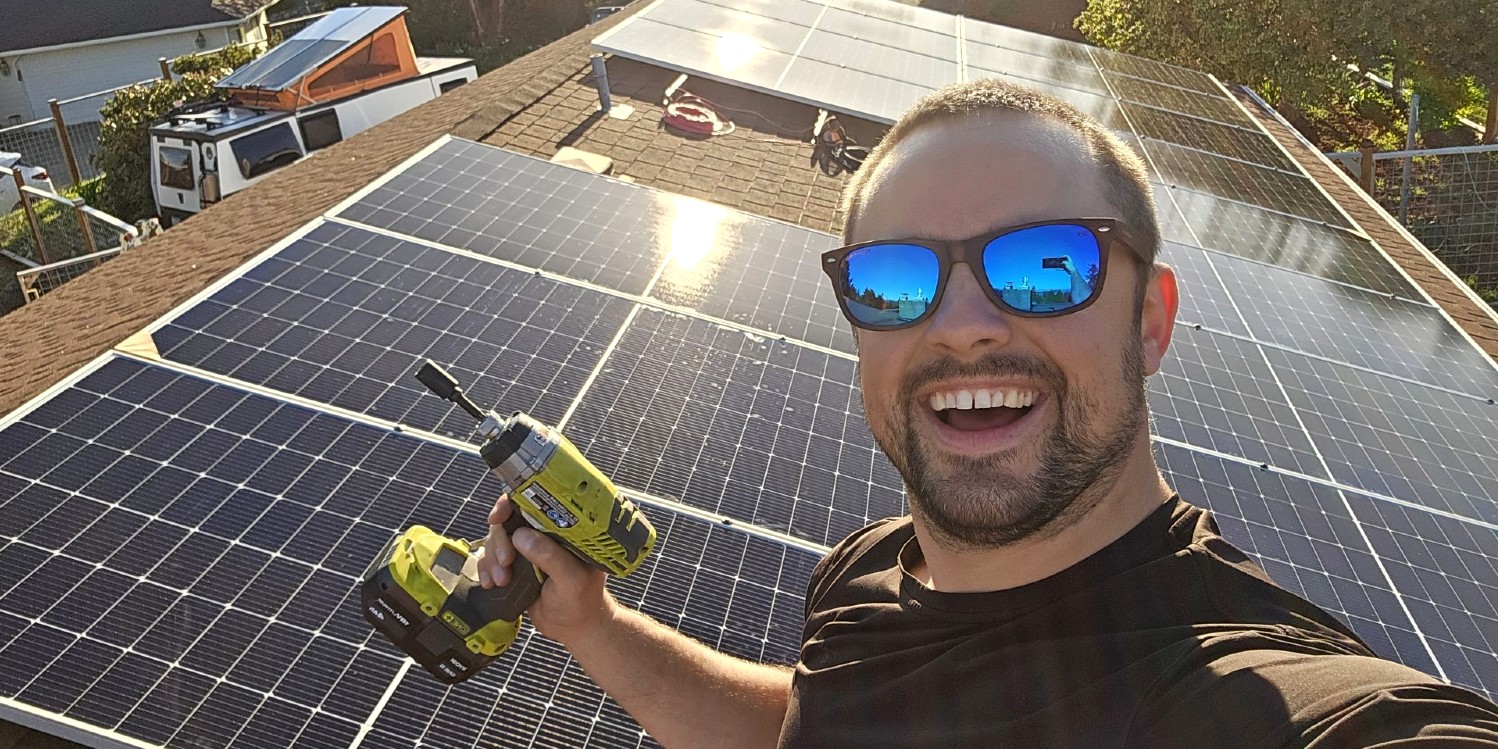
Furthermore, pairing an EV with a residential rooftop solar array and a home backup battery creates a closed-loop energy ecosystem. According to microgrid experts and industry data from firms specializing in home electrification, this integration achieves complete energy independence at the residential level. Users who generate and store their own electricity are insulated from international supply chain disruptions, geopolitical conflicts affecting petroleum pipelines, and localized price spikes caused by emergency fuel shortages.

Broader Impact and Economic Implications
The comparative resilience of electric vehicles versus internal combustion vehicles during crises carries significant economic and geopolitical implications. Traditional combustion vehicles tie consumers to a centralized, highly volatile global commodity market. When geopolitical conflicts, weather events, or cyberattacks disrupt petroleum supply chains, ICE vehicle owners have virtually no alternative to absorbing inflated fuel prices at the pump.
In contrast, electrified transportation coupled with renewable generation shifts the paradigm of fuel procurement from a consumer-dependent expense to an autonomous asset management strategy. Homeowners utilizing solar generation can harvest, store, and utilize energy at a fixed capital cost, effectively hedging against the inflationary pressures of fossil fuel markets.
Fact-Based Analysis of Infrastructure Resilience

From an infrastructure perspective, the resilience of transportation networks during emergencies requires a diversified approach. While the rapid deployment of DC fast-charging corridors along interstate highways is essential for everyday long-distance travel, emergency preparedness highlights the necessity of hardening grid connections.
Urban planners and utility providers are increasingly examining the integration of microgrids—localized grids that can disconnect from the traditional centralized grid and operate autonomously. By incorporating underground wiring, dedicated secondary transformers, and localized battery storage at critical charging hubs (such as commercial dealerships, municipal centers, and highway rest stops), the reliability of public EV charging infrastructure during extreme weather events can be substantially enhanced.
Conclusion
The performance of electric vehicles during severe weather events like Hurricane Helene challenges the long-standing assumption that internal combustion vehicles represent the sole reliable mode of transport in a crisis. While both vehicle classes face challenges when regional electrical grids collapse, the fundamental design of EVs allows for decentralized fueling options—ranging from independent Level 2 chargers to residential solar and V2H storage systems. As extreme weather events increase in frequency and intensity, the integration of distributed energy resources will likely play a crucial role in ensuring the continuous mobility and safety of communities.