The End of the Diesel Era: BMW Confirms European 3 Series Will Drop Diesel Powertrains for 2027

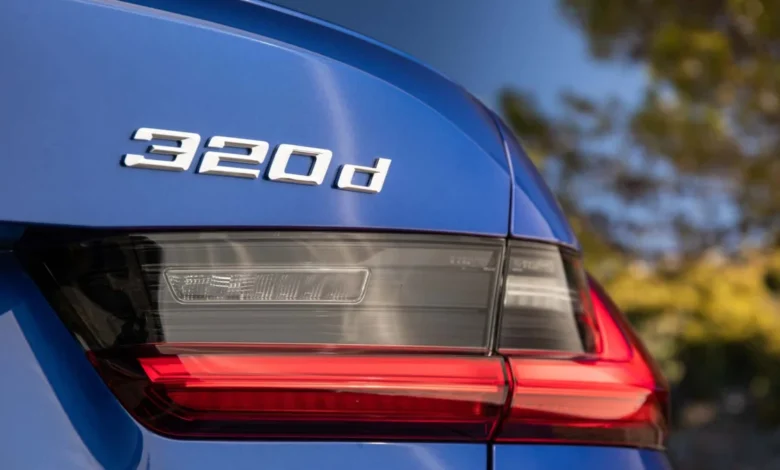
The automotive landscape in Europe is undergoing a seismic shift as BMW, one of the continent’s most iconic manufacturers, confirms that its next-generation 3 Series will officially discontinue all diesel-powered variants. While the 3 Series has long been synonymous with the "ultimate driving machine" moniker—often defined by the torque-heavy performance of its legendary diesel engines—the upcoming 2027 model year marks a definitive departure from this long-standing tradition. This strategic pivot reflects the broader pressures of tightening European emissions regulations, shifting consumer preferences, and the accelerating transition toward electrification.
The End of a Legacy: The 320d and Beyond
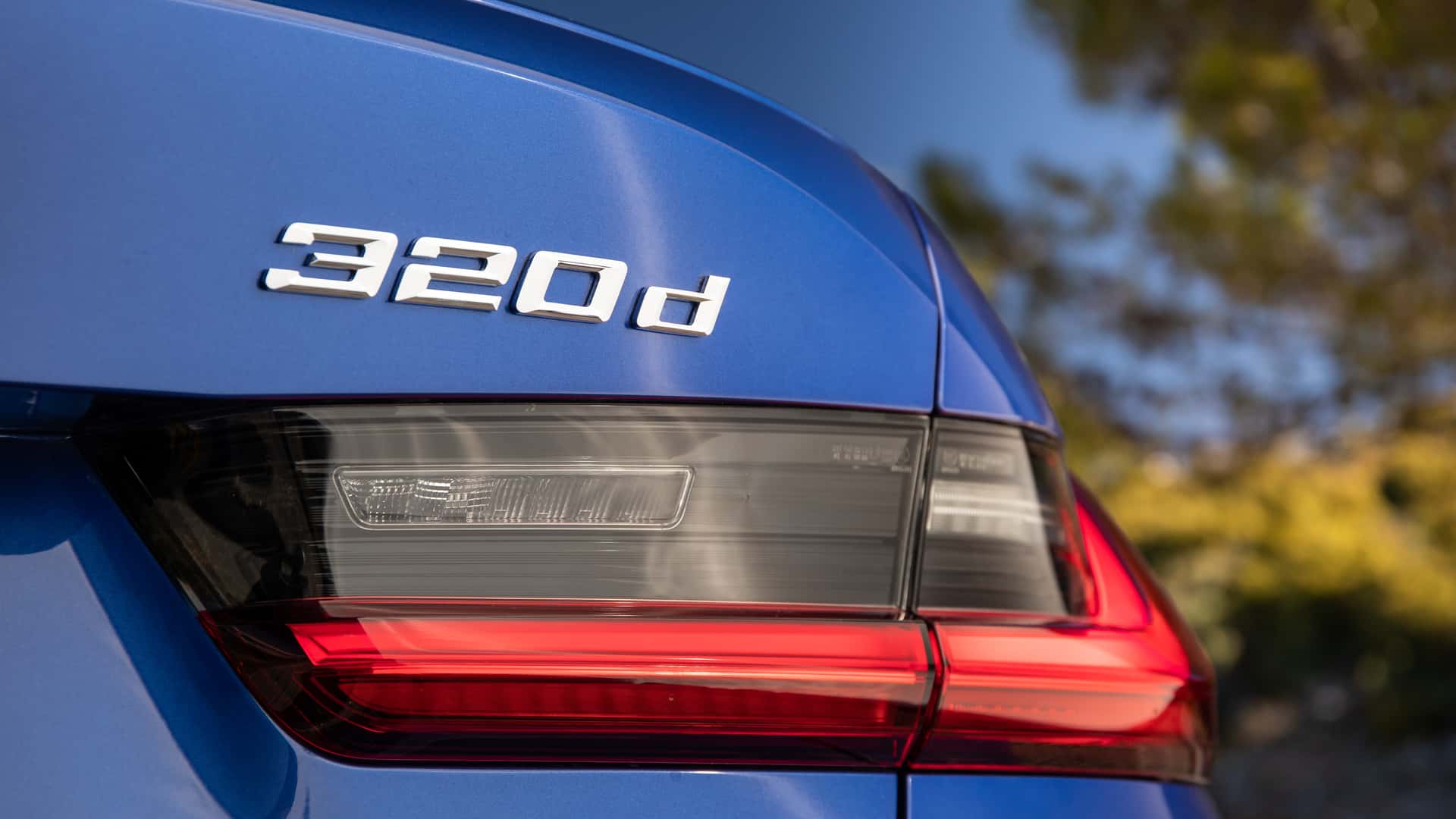
For decades, the "d" suffix on a BMW 3 Series badge has signified a specific class of vehicle: the high-mileage executive sedan that paired long-distance fuel efficiency with robust mid-range power. Models like the 320d have been the backbone of BMW’s sales in Europe, favored by corporate fleets and high-mileage commuters across the continent. However, spokespeople for BMW have now confirmed to industry analysts that this lineage will effectively cease with the conclusion of the current generation’s production cycle.
The decision to exclude diesel engines from the 2027 lineup is not merely a change in engine availability; it is a fundamental reconfiguration of the 3 Series identity in the European market. With the phase-out of the current generation, popular variants such as the M340d—which showcased the performance potential of diesel technology—will be discontinued. In their place, BMW intends to pivot toward a more streamlined powertrain strategy that prioritizes gasoline internal combustion, plug-in hybrid (PHEV) systems, and fully electric platforms.
A Chronology of the Shift
To understand the magnitude of this decision, one must look at the timeline of BMW’s recent powertrain developments. The current 3 Series, which remains available with a diverse array of engine choices, is set to continue production through the remainder of the current cycle. BMW is currently in the final testing phases of the next-generation combustion-powered 3 Series, which is slated to enter full-scale assembly in the second half of 2026.
This development follows years of steady declines in European diesel demand. According to data from the European Automobile Manufacturers’ Association (ACEA), diesel market share in the European Union has plummeted from over 50 percent a decade ago to less than 15 percent in recent reporting periods. BMW’s move acknowledges this reality, effectively timing the exit of the diesel 3 Series with the next major model refresh. By the time the 2027 model hits dealer showrooms, the transition will be complete, marking the end of nearly half a century of diesel innovation within the 3 Series lineage.
Strategic Diversification: Gasoline, PHEV, and Electric
Despite the removal of diesel, BMW has emphasized that it is not abandoning the internal combustion engine entirely. The company’s "Power of Choice" philosophy—a strategy centered on offering multiple powertrain types within the same vehicle architecture—remains a cornerstone of its business model.
In the United States, the 3 Series will launch with a refined lineup of turbocharged four-cylinder and inline-six gasoline engines, catering to a market where diesel has never achieved the same cultural or commercial penetration as it did in Europe. Conversely, the European market will see a greater emphasis on the plug-in hybrid segment. BMW has confirmed that a new generation of plug-in hybrid 3 Series models will arrive in 2027, though specific technical specifications regarding battery density, electric-only range, and combined power output remain under strict embargo.
Furthermore, the 3 Series will coexist alongside the all-electric i3, reinforcing the brand’s commitment to dual-track development. This ensures that while traditionalists can still opt for a high-performance gasoline-powered M350 xDrive, environmentally conscious consumers—or those navigating increasingly restrictive urban low-emission zones—have a viable path forward with the brand’s electric offerings.
The Economic and Environmental Drivers
The rationale behind this move is multifaceted, driven by both regulatory compliance and economic feasibility. The European Union’s Euro 7 emissions standards, which aim to further reduce nitrogen oxide (NOx) and particulate emissions, have made the engineering required to keep diesel engines compliant increasingly expensive. For a high-volume car like the 3 Series, the capital expenditure required to update diesel hardware to meet these future standards, relative to the shrinking customer base, creates a diminishing return on investment.
From a market perspective, the rise of the Corporate Average Fuel Economy (CAFE) standards and individual country-level incentives for EVs has forced manufacturers to prioritize fleet-wide electrification. By sunsetting the diesel engine, BMW can optimize its production facilities to focus on high-margin electrified powertrains, thereby lowering the fleet’s overall carbon footprint and avoiding potential regulatory fines.
Implications for the Global Market
While the European market faces the most immediate impact, the global ripple effects of this decision are noteworthy. The United States market, which has historically been hesitant to embrace diesel passenger cars, remains largely unaffected by this change. The continued availability of the gasoline-powered 3 Series in North America suggests that BMW intends to keep its combustion legacy alive where the regulatory climate is more forgiving.
However, the question remains whether the next-generation plug-in hybrid 3 Series, which is a centerpiece of the European launch, will make its way across the Atlantic. BMW has yet to confirm the US availability of these new PHEV variants, leaving a gap in the American product roadmap. If the US market continues to demand high-performance combustion engines, the 3 Series could bifurcate into two distinct regional identities: a gas-and-electric hybrid focus in Europe, and a performance-oriented gasoline focus in North America.
Analyzing the "M" Brand Transition
The shift also impacts the performance hierarchy of the brand. The discontinuation of the M340d signifies that the "M" branding will move exclusively toward gasoline and potentially electrified performance configurations. The upcoming M350 xDrive is expected to take the mantle as the range-topping six-cylinder combustion model, serving as a benchmark for how BMW intends to reconcile traditional performance metrics with modern efficiency requirements. For enthusiasts who prized the massive torque delivery of the M340d, the M350 xDrive will represent a change in driving dynamics, likely favoring higher revs and increased power density over the low-end grunt of the outgoing oil-burner.
Looking Toward the Future
The decision to abandon diesel for the 3 Series is arguably the most significant powertrain change in the model’s history. It signals that BMW has reached a point of maturity in its electrification strategy where it no longer feels compelled to defend the diesel engine as a primary efficiency tool.
As the industry moves toward 2027, the focus for BMW will likely shift toward maximizing the efficiency of its remaining combustion engines while scaling up the battery and motor technologies that will define its next decade. For the European consumer, the "diesel 3 Series" will soon become a collector’s item—a final chapter in the history of the compact executive car. For BMW, it is a necessary evolution, clearing the path for a future where the driving experience is defined not by the fuel in the tank, but by the sophistication of the technology under the hood.
The transition marks a definitive end to a specific era of European motoring, one where the rhythmic clatter of a diesel engine at idle was as much a part of the BMW experience as the kidney grille itself. As the company turns its focus to the 2027 model year, the industry will be watching closely to see if this pivot toward hybrid and electric power successfully maintains the brand’s reputation for driving dynamics in an increasingly electrified world.