
Brussels Police Disperse April Fools Music Festival Crowd
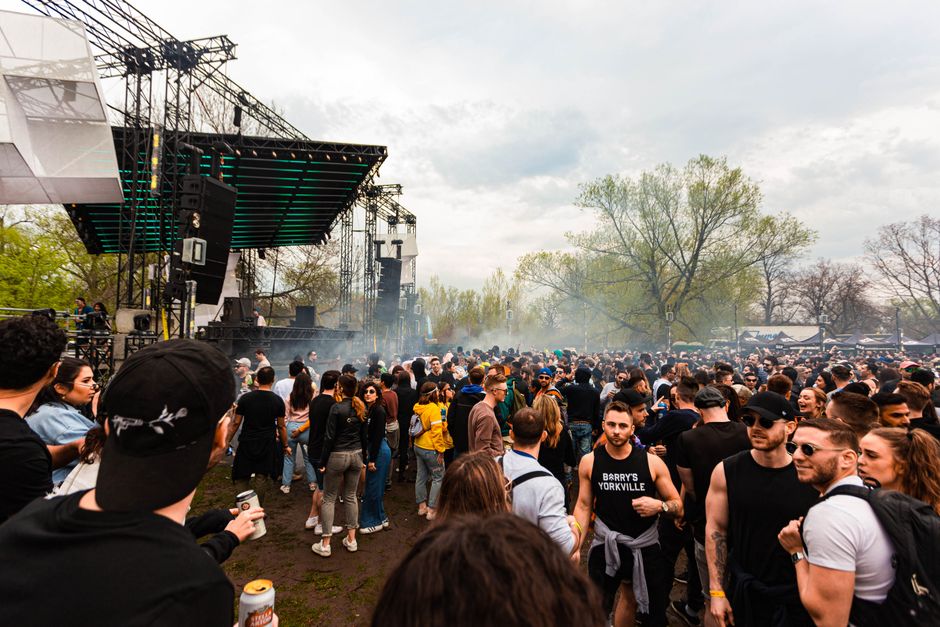
Brussels Police Disperse April Fools Music Festival Crowd Amidst Chaos and Confusion
The annual April Fools Music Festival in Brussels, a highly anticipated event that has historically celebrated electronic music and burgeoning artists, descended into chaos and confusion yesterday as Brussels police were forced to intervene and disperse the amassed crowd. What began as a vibrant gathering of music enthusiasts quickly escalated, leading to scenes of disorder that necessitated a significant police presence and the abrupt termination of the festival’s programming. Initial reports suggest that overcrowding, coupled with a lack of adequate security and logistical planning, created a volatile environment, prompting authorities to take decisive action to ensure public safety. The aftermath of the dispersal has left many festival-goers disillusioned and questioning the organizers’ ability to manage such a large-scale event, while simultaneously raising concerns about the effectiveness of the police response and the potential for future incidents at similar gatherings.
The genesis of the incident can be traced to a confluence of factors, primarily the overwhelming turnout exceeding the venue’s capacity. Organizers, it appears, underestimated the public’s enthusiasm, resulting in a surge of attendees that overwhelmed entry points and created dangerous bottlenecks. Social media buzz and aggressive marketing campaigns likely contributed to the inflated expectations and the sheer volume of people attempting to gain access. Once inside, the sheer density of the crowd became a significant concern. Witnesses described a feeling of being crushed, with limited space to move and an increasingly agitated atmosphere. This physical discomfort and lack of personal space are often catalysts for heightened emotions and can quickly spill over into unease and panic, especially in large, concentrated groups. The lack of clear signage, insufficient crowd control barriers, and a limited number of stewarding staff to guide and manage attendees further exacerbated the situation. As the evening progressed, the pressure within the festival grounds intensified, creating an environment ripe for an incident.
The decision to disperse the crowd was not made lightly and was reportedly a direct response to escalating safety concerns. Eyewitness accounts detail a growing sense of unrest within the festival grounds. As the density of the crowd reached critical levels, reports of people struggling to breathe, individuals falling, and a general feeling of being trapped began to emerge. Emergency services, though present, were reportedly stretched thin by the sheer volume of the crowd and the initial challenges in navigating through the packed areas. It is understood that the police were alerted to the deteriorating situation by on-site security and potentially by concerned festival-goers themselves who had managed to exit the immediate vicinity. The primary objective of the police intervention was to de-escalate the situation and prevent a potential stampede or mass casualty event. Officers were deployed in significant numbers, equipped with riot gear, indicating the anticipated level of resistance or the need for assertive crowd management. The dispersal itself involved a systematic process of encouraging and, where necessary, physically guiding attendees towards exit points. This often involves the use of loudspeakers, visual cues, and the establishment of clear pathways.
The execution of the dispersal operation has drawn mixed reactions and has become a focal point of discussion and criticism. While the necessity of police intervention to ensure public safety is broadly acknowledged, the methods employed and the overall effectiveness of the operation have been scrutinized. Some attendees have reported a heavy-handed approach, alleging instances of unnecessary force and aggressive tactics. Accounts of pushing, shoving, and the use of batons have surfaced, contributing to a sense of grievance among some who were present. Conversely, other witnesses and official statements from the police emphasize the controlled and proportionate nature of the response, asserting that officers acted with restraint and prioritized the safety of both attendees and their own personnel. The inherent difficulty in managing a large, agitated crowd while simultaneously aiming to avoid further escalation presents a complex challenge for law enforcement. The optics of riot gear and forceful dispersal can often be perceived negatively, even when the actions are aimed at preventing greater harm. The communication strategy during the dispersal also appears to have been a point of contention, with some attendees claiming a lack of clear instructions and a confusing progression of the operation.
The ramifications of this incident extend far beyond the immediate disruption of the April Fools Music Festival. For the organizers, the reputational damage is likely to be substantial. A festival that was intended to be a celebration of music and community has been marred by images of chaos and police intervention. This will undoubtedly impact future ticket sales, sponsor interest, and the overall viability of subsequent events. A thorough investigation into the planning and execution of the festival is now imperative, focusing on critical aspects such as crowd management protocols, security staffing levels, emergency preparedness, and adherence to capacity regulations. The regulatory bodies responsible for approving such events will also face scrutiny, questioning whether adequate oversight was in place to prevent the situation from reaching such a critical point. The incident serves as a stark reminder of the immense responsibility that falls upon event organizers to prioritize safety and logistical efficiency above all else.
For the attendees, the experience was undoubtedly traumatic and disappointing. Many had traveled significant distances, invested in tickets and accommodation, and were anticipating a weekend of enjoyment. Instead, they found themselves caught in a distressing situation that led to premature departure and a sense of disillusionment. The economic impact on individual attendees is also a consideration, with many likely incurring expenses that are now, in part, unrecoverable. The psychological impact of being in a situation where one feels unsafe or threatened can also be significant and should not be overlooked. The lingering feelings of anxiety and frustration will likely shape their future attendance at similar events. This incident underscores the importance of consumer protection in the entertainment industry and the need for clear recourse for attendees when events fail to meet reasonable safety and organizational standards.
The role of the Brussels police in this event is also a subject of ongoing analysis. While their intervention was ostensibly aimed at restoring order, the effectiveness and proportionality of their actions will be evaluated. Reviews of police procedures in crowd management situations, particularly in urban environments with large-scale events, are likely to be initiated. The relationship between law enforcement and the public, especially within the context of festivals and public gatherings, is a delicate one, and incidents like these can strain that relationship. Transparency in the investigation and clear communication regarding the findings will be crucial in rebuilding trust and ensuring that lessons learned lead to improved practices in the future. The question of whether the police were adequately prepared for such a scenario, given the anticipated popularity of the festival, will also be a critical point of examination.
Looking ahead, this incident should serve as a wake-up call for the wider festival and live event industry. The allure of large-scale music festivals is undeniable, but their success hinges on meticulous planning and an unwavering commitment to attendee safety. Overcrowding is a recurring issue at many large events, and robust strategies for capacity management, staggered entry, and dynamic crowd flow monitoring are essential. The integration of technology, such as crowd density sensors and real-time monitoring systems, can provide organizers with invaluable data to proactively identify and address potential issues before they escalate. The clear demarcation of zones, the strategic placement of security personnel, and effective communication channels with attendees are non-negotiable elements of responsible event management. Furthermore, a strong collaboration between event organizers, local authorities, and emergency services from the initial planning stages through to post-event evaluation is paramount. This collaborative approach ensures that all stakeholders are aligned on safety protocols and emergency response plans, fostering a more secure and enjoyable experience for all. The April Fools Music Festival, in its unfortunate turn of events, has provided a potent, albeit painful, case study in the critical importance of robust planning and execution for large-scale public gatherings. The lessons learned from this incident must be embraced and implemented across the industry to prevent similar occurrences and uphold the fundamental right of attendees to a safe and positive experience.
