Timor-Leste Officially Certified as Malaria-Free by the World Health Organization Following Decades of Dedicated Public Health Interventions

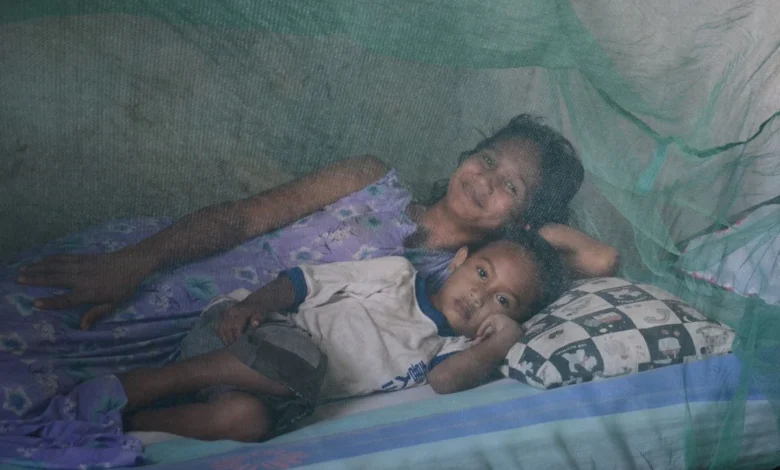
In a historic public health milestone, the World Health Organization has officially certified Timor-Leste as a malaria-free country, recognizing a remarkable two-decade national journey that transformed one of the region’s highest-burden areas into a zone entirely free of indigenous transmission. The announcement places the young Southeast Asian nation among an elite group of global health achievers, marking a triumphant chapter in the country’s post-independence development.
The official certification is granted by the global health body only when a nation has proven, beyond any reasonable doubt, that the chain of local, indigenous malaria transmission has been successfully interrupted nationwide for at least three consecutive years. For Timor-Leste, which recorded over 223,000 clinically diagnosed cases at its peak in 2006, achieving zero indigenous cases from 2021 onward represents an extraordinary convergence of political will, strategic international partnerships, and the relentless dedication of frontline health workers.
With this momentous designation, Timor-Leste becomes the third country within the WHO South-East Asia Region to eliminate the disease, following the Maldives and Sri Lanka, which earned the certification in 2015 and 2016, respectively. Globally, it joins a total of 47 countries and one territory that have successfully eradicated the persistent parasitic illness under WHO guidelines.
The Chronology of a Public Health Triumph: From Crisis to Elimination
The seeds of Timor-Leste’s malaria elimination success were planted almost immediately after the nation gained its formal independence in 2002. Emerging from a period of intense conflict and infrastructural devastation, the newly established government inherited a fragile health system buckling under the weight of numerous infectious diseases, with malaria acting as one of the most ruthless and pervasive threats to human life and economic stability.
Recognizing the urgent need for a centralized and specialized response, the Ministry of Health moved swiftly in 2003 to establish the National Malaria Programme (NMP). Operating initially with a skeletal staff of just two full-time officers, the nascent program laid the vital groundwork for nationwide disease control through rigorous technical leadership, careful logistical planning, and meticulous attention to epidemiological data.
As the decade progressed, the programmatic framework expanded aggressively. In 2009, bolstered by substantial financial and technical support from the Global Fund to Fight AIDS, Tuberculosis and Malaria, Timor-Leste scaled up its vector control initiatives. The government orchestrated widespread distribution campaigns for long-lasting insecticide-treated nets (LLINs) to high-risk communities, alongside targeted indoor residual spraying (IRS) programs. Simultaneously, clinical diagnostic capacities were vastly improved. The country integrated rapid diagnostic tests (RDTs) and microscopic screening protocols directly into point-of-care facilities across all local health posts, moving away from syndromic diagnosis and ensuring precise medical interventions.
These medical upgrades were paired with sweeping national treatment reforms. Timor-Leste adopted artemisinin-based combination therapies (ACTs) as the cornerstone of its National Malaria Treatment Guidelines, ensuring that diagnosed patients received the most effective pharmaceutical care available globally.
Simultaneously, the government addressed deep-rooted structural vulnerabilities, particularly severe shortages of trained physicians and healthcare personnel. To bridge the urban-rural divide and ensure equitable healthcare access, Timor-Leste invested heavily in building a robust three-tier public health architecture. This system integrated national referral hospitals, regional reference hospitals, community health centers (CHCs), and local health posts, strategically positioned so that the vast majority of residents could access medical care within a one-hour walk.
Underpinning this physical infrastructure was a bold national policy guaranteeing free universal health care at the point of service, effectively removing financial barriers that often prevent marginalized populations from seeking timely treatment. To further penetrate remote mountainous regions, the Ministry of Health deployed monthly mobile clinics and dedicated community outreach teams, ensuring that even the most isolated citizens remained within the protective umbrella of the national health surveillance network.
Data and Surveillance: The Backbone of Zero Transmission
A critical driver in maintaining zero indigenous cases since 2021 has been the implementation of a real-time, integrated case-based surveillance system. This technological upgrade allowed public health officials to capture epidemiological data instantly, track population movements, and mobilize rapid response teams to investigate potential imported cases before local transmission could take root.
Border health screening also played an indispensable role. Recognizing the vulnerability posed by travel and migration across international boundaries, trained health workers stationed at strategic border entry points instituted rigorous screening and testing protocols. This proactive containment strategy ensured that imported parasites from neighboring endemic regions were identified and treated immediately, preventing any secondary spread within local communities.
Official Reactions and Global Commendations
The international community and national leadership have responded to the certification with widespread praise, highlighting the sheer resilience required to achieve such a feat in a developing nation.
Dr. Tedros Adhanom Ghebreyesus, Director-General of the World Health Organization, offered formal congratulations to the people and government of Timor-Leste during the announcement. "Timor-Leste’s success proves that malaria can be stopped in its tracks when strong political will, smart interventions, sustained domestic and external investment, and dedicated health workers unite," Dr. Tedros stated, emphasizing the replicability of the nation’s model for other endemic regions.
Locally, the emotional resonance of the achievement was palpable among those who spent decades fighting the disease on the ground. Dr. Élia António de Araújo dos Reis Amaral, Minister of Health for the Government of Timor-Leste, reflected on the grueling historical battle against the parasite.
"We did it. Malaria has been one of our most relentless enemies—silent, persistent, and deadly. We lost too many lives to a disease that should be preventable," Dr. Amaral declared. "From 223,000 cases to zero—this elimination honours every life lost and every life now saved. We must safeguard this victory with continued vigilance and community action to prevent malaria’s re-entry."
Echoing these sentiments, Dr. Arvind Mathur, WHO Representative to Timor-Leste, underscored the human element behind the epidemiological data. "Timor-Leste’s malaria-free certification is a defining national triumph—driven by bold leadership, tireless efforts of health workers, and the resolve of its people. As a young nation, Timor-Leste stayed focused—testing, treating, and investigating swiftly. Ending transmission and maintaining zero deaths takes more than science; it takes grit. This victory protects generations, present and future, and shows what a determined country can achieve."
Broader Implications and Future Vulnerabilities
While the certification is a historic victory, public health experts and government officials emphasize that the fight against malaria is far from permanently finished. In post-elimination settings, the primary threat shifts from endemic transmission to the re-introduction of the parasite via international travel, migration, or climate-driven shifts in vector habitats.
To mitigate these ongoing risks, the Timor-Leste Ministry of Health has committed to maintaining high levels of epidemiological vigilance. This includes sustaining community-based awareness programs, ensuring that frontline health workers remain trained in rapid diagnosis and treatment protocols, and maintaining robust vector control stockpiles.
The success of Timor-Leste also offers vital lessons for global health security. It demonstrates that even nations facing severe socioeconomic constraints, post-conflict reconstruction challenges, and severe human resource deficits can achieve complex disease eradication goals through targeted institutional focus, decentralized healthcare delivery, and strong multi-sectoral partnerships involving local communities, non-governmental organizations, and international donors.
As Timor-Leste celebrates this chapter of public health history, the nation stands as a beacon of hope and a testament to the profound impact of organized, equitable, and determined healthcare stewardship.
Related posts: