Toxic Pesticide Exposure Identified as Primary Driver in Devastating Western Monarch Butterfly Mass Die-Off

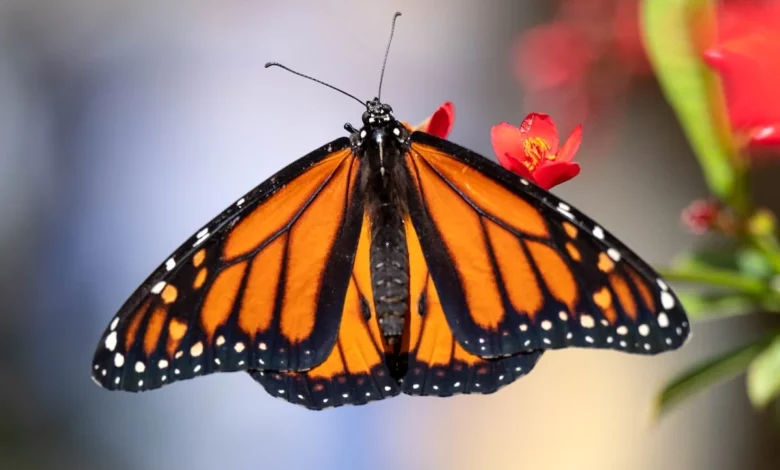
In the quiet groves of the Pacific Grove Monarch Sanctuary in California, the winter of 2024 bore witness to an environmental catastrophe that has sent shockwaves through the conservation community. What was meant to be a seasonal haven for the iconic Western monarch butterfly turned into a graveyard, as hundreds of individuals were discovered dead or dying on the forest floor. A new, peer-reviewed study published in the journal Environmental Toxicology and Chemistry has now confirmed the cause: lethal exposure to a cocktail of neurotoxic pesticides. This finding provides the most definitive evidence to date of the chemical threats facing migratory insects and highlights a critical vulnerability in the species’ life cycle that could accelerate their path toward extinction.
The study, led by researchers at the Xerces Society for Invertebrate Conservation, utilized advanced liquid and gas chromatography and mass spectrometry to analyze the remains of the butterflies. The results were startling. Each individual butterfly tested contained an average of seven different pesticides, including a lethal mix of insecticides, herbicides, and fungicides. Among the substances detected were three human-made pyrethroids—bifenthrin, cypermethrin, and permethrin—all found at or near doses known to be lethal to invertebrates.
A Chronology of the Crisis
The crisis began in January 2024, when observers at the Pacific Grove Monarch Sanctuary reported an unusual number of butterfly carcasses beneath the trees where the monarchs typically cluster to conserve heat during the winter months. While mass mortality events in nature can be attributed to extreme weather or predation, the specific nature of these deaths—characterized by paralysis and tremors consistent with neurotoxic poisoning—prompted an immediate investigation.
Throughout the spring and summer of 2024, scientists collected samples for laboratory analysis. By late 2024, preliminary reports began to circulate, but it was not until the peer-reviewed results were finalized and released in mid-2025 that the scientific community could definitively link the chemical residues to the observed deaths. The discovery effectively ruled out environmental stressors like freezing temperatures or disease, pointing instead to the pervasive presence of agricultural and urban chemicals in the environment.
Supporting Data and Environmental Context
The Western monarch population has been in a state of precipitous decline for decades. According to data tracked by the Xerces Society, the population has dwindled by approximately 95% since the 1980s. This collapse has been driven by a confluence of factors, including habitat loss, the eradication of milkweed (the sole food source for monarch caterpillars), climate change, and increasingly, chemical exposure.
The 2025 Western Monarch Count painted a bleak picture, with the total number of overwintering individuals falling to a staggering low of 9,119. To put this in perspective, the population was once counted in the millions. The U.S. Fish and Wildlife Service has warned that, should current trends continue, there is a 99% probability that the Western monarch population will reach a point of functional extinction by 2080. The 2024 die-off represents more than just an isolated incident; it serves as a microcosm of the systemic threats that have brought this species to the brink.
The Complexity of Chemical Exposure
Staci Cibotti, a pesticide risk prevention specialist at the Xerces Society and the lead author of the study, emphasized that the contamination likely stems from the surrounding landscape. "We found an average of seven different pesticides per butterfly, including multiple insecticides that are highly toxic to insects," Cibotti stated. While local authorities in Monterey County were unable to pinpoint a single source of the contamination, the concentration of chemicals suggests that the butterflies likely encountered the toxins either during their migration across treated agricultural fields or within suburban areas where pesticides are used for landscaping, structural pest control, and mosquito abatement.

The vulnerability of the monarchs is heightened during their migratory and overwintering phases. When thousands of butterflies cluster together, they become a single, concentrated target for airborne chemicals. Drift—the movement of pesticides from the intended application site to surrounding areas via wind—is a well-documented phenomenon, yet current regulations often fail to account for the mobility of these insects. As Cibotti noted in a follow-up statement, this is not a California-specific problem. A similar event in 2020 saw hundreds of monarchs perish in North Dakota following an aerial mosquito control spray, proving that the risk is pervasive across the entire North American migratory range.
Official Responses and Policy Recommendations
The findings have catalyzed a call for urgent policy shifts. The Xerces Society, alongside a coalition of environmental advocates, is lobbying for the implementation of "pesticide-free zones" around critical overwintering sites. These zones would strictly prohibit the use of broad-spectrum insecticides in the vicinity of known monarch habitats.
Beyond site-specific protections, the researchers advocate for a fundamental change in how the public views pesticide use. Emily May, agricultural conservation lead at the Xerces Society, noted that the path forward requires a dual approach: "Protecting monarchs from pesticides will require both public education and policy change. We are committed to working with communities and decision-makers to ensure that overwintering sites are healthy refuges for these butterflies."
Specific recommendations include:
- Enhanced Regulatory Oversight: Implementing stricter guidelines for pesticide application timing to avoid periods when migratory pollinators are present in the area.
- Public Awareness Campaigns: Educating homeowners and land managers on the risks of synthetic pyrethroids and encouraging the use of integrated pest management (IPM) techniques that rely on biological controls rather than chemical ones.
- Coordination Protocols: Establishing a centralized reporting system for mass wildlife mortality events to ensure rapid chemical testing and immediate mitigation.
- Habitat Restoration: Increasing the density of nectar-rich, pesticide-free vegetation along migratory corridors to provide "safe havens" that allow butterflies to recover their energy stores without the threat of toxic exposure.
Broader Implications for Biodiversity
The death of these monarchs is a sentinel event for the health of the broader ecosystem. As pollinators, butterflies play a critical role in the reproduction of native plant species. Their decline threatens the integrity of entire food webs. Furthermore, the presence of these chemicals in the butterflies serves as an indicator of the heavy chemical load present in our air, soil, and water.
The fact that these chemicals were found at lethal doses in wild populations highlights a failure in current environmental risk assessment models, which often evaluate the toxicity of chemicals in isolation rather than the "cocktail effect" of multiple substances interacting simultaneously. The synergistic impact of these 15 different chemicals likely rendered the environment far more toxic than any individual product label would suggest.
As the scientific community continues to analyze the long-term impact of this disaster, the message to policymakers is clear: the current regulatory framework is insufficient to protect endangered species from the unintended consequences of modern chemistry. The Western monarch butterfly is running out of time, and without decisive, science-led intervention to curb the flow of neurotoxins into their habitats, the sight of these orange-and-black insects filling the California sky may soon become a memory of the past. The 2024 die-off stands as a stark warning that the health of the most fragile members of our ecosystem is inextricably linked to our own chemical footprint on the planet.