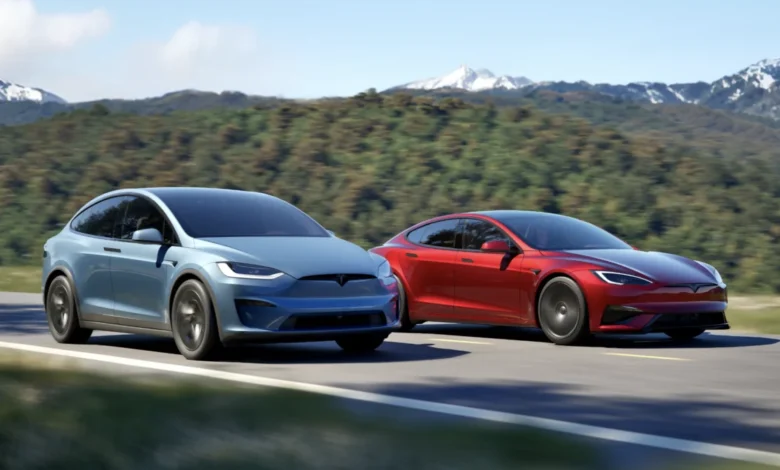
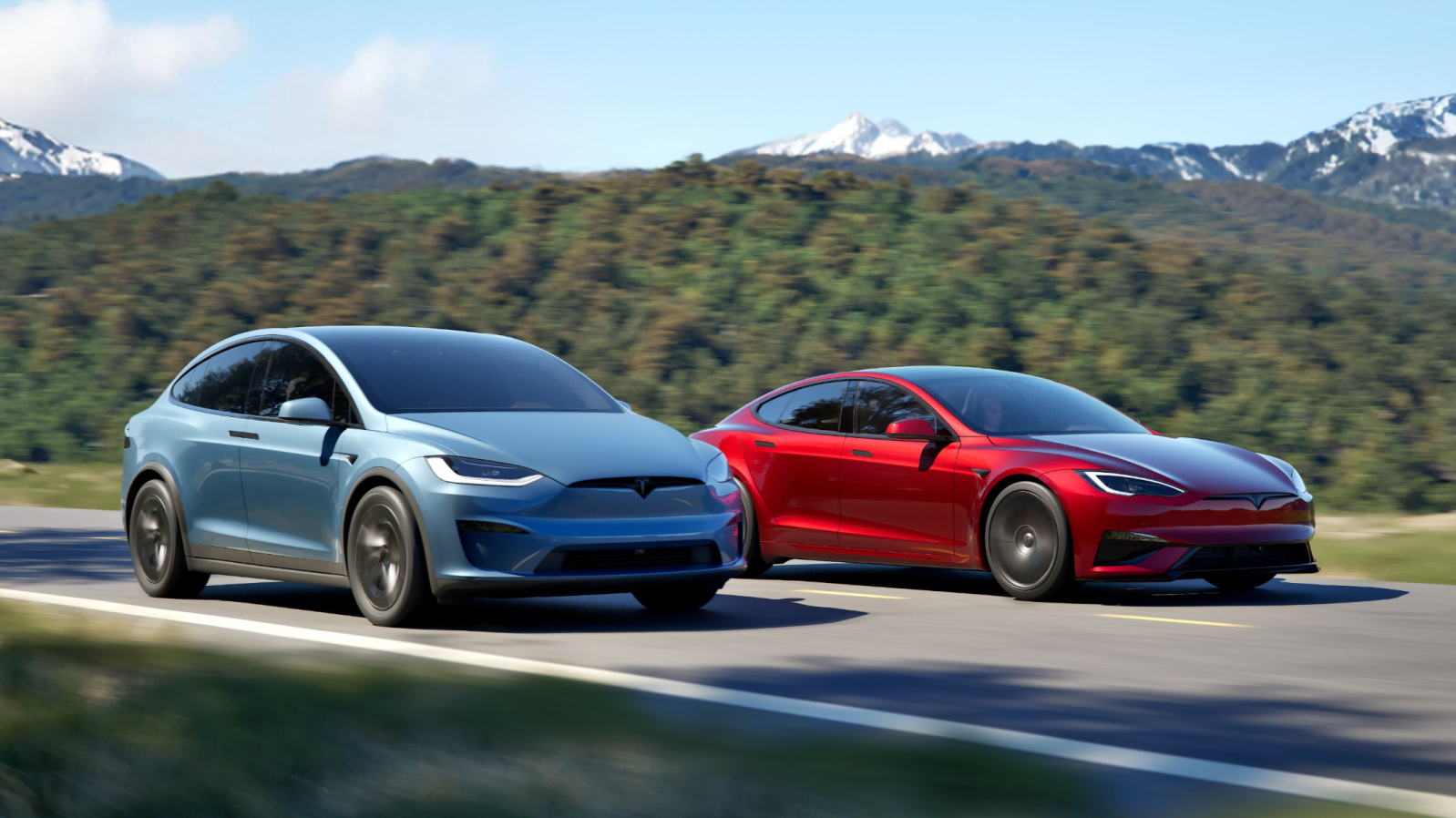
Tesla Chief Executive Officer Elon Musk has announced plans to release the design and engineering specifications of the Model S and Model X to the public under an "open source" framework. This move follows the conclusion of production for both flagship vehicles in April 2026, as the company shifts its manufacturing focus toward the Optimus humanoid robot program. Musk cited the 2023 release of the original Tesla Roadster’s documentation as the blueprint for this initiative. However, the announcement has met with significant scrutiny from the engineering and open-source communities, who argue that Tesla’s previous "open source" efforts have fallen short of industry standards, providing documentation rather than actionable, licensed intellectual property.
The announcement, made via the social media platform X, suggests that Tesla intends to provide a comprehensive look at the vehicles that defined the modern electric vehicle (EV) era. The Model S, introduced in 2012, and the Model X, which followed in 2015, served as the foundation for Tesla’s market dominance before the high-volume Model 3 and Model Y took center stage. By "open sourcing" these legacy platforms, Musk implies that the broader automotive industry and independent hobbyists will gain access to the technical secrets of two of the most influential cars in history.
The Roadster Precedent: A Case Study in Limited Disclosure
To understand the likely trajectory of the Model S and Model X release, analysts point to the November 2023 "open sourcing" of the original Tesla Roadster. At that time, Musk declared that "all design and engineering of the original Tesla Roadster is now fully open source," adding that "whatever we have, you now have."
Technical audits of the actual release revealed a much narrower scope. The official Tesla GitHub repository for the Roadster contains a total of eight files. These include five Controller Area Network (CAN) database (.dbc) files, which facilitate communication between various electronic control units (ECUs) within the vehicle, and a 309 MB diagnostic software ISO. The repository also includes two PDF quick-guides. Beyond these files, additional documentation is hosted on Tesla’s service website behind a mandatory user login. This "Disclosed Research and Development Documents" section includes files on the Battery Monitoring Board, Vehicle Display System, HVAC Controller, and general design documents.

While these materials are valuable for independent repair shops and enthusiasts, they do not constitute a full "open source" release by technical definitions. Missing from the Roadster disclosure were Computer-Aided Design (CAD) files, mechanical drawings, a full bill of materials, and the source code for the vehicle’s firmware. Furthermore, the "Gerber" files provided for the circuit boards are manufacturing outputs—essentially blueprints for a printing machine—rather than the original design files that would allow an engineer to easily modify the board layout.
The Definition of Open Source and Legal Constraints
A critical point of contention lies in the licensing of the materials Tesla has released. For a project to be considered "open source" under the Open Source Initiative (OSI) definition, it must be accompanied by a license that explicitly grants the right to copy, modify, and redistribute the work.
The Roadster materials are released under a "Disclosed Research and Development Documents" disclaimer rather than a standard open-source license like MIT, Apache, or GPL. Tesla’s disclaimer explicitly states that the information provided is not manufacturer reference or repair material and offers no warranties. Crucially, it does not grant users a copyright license or a patent grant. This means that while an individual can view the documents, they do not legally possess the rights to manufacture parts based on those designs or redistribute modified versions of the software.
This legal distinction is vital for the Model S and Model X. These vehicles utilize significantly more complex and proprietary technology than the original Roadster, including the Autopilot hardware suite, advanced battery management systems (BMS), and highly integrated drive units. Without a formal license and the inclusion of firmware source code, the "open source" release of these models may remain a documentation dump rather than a contribution to the global commons of engineering.
Chronology of Tesla’s Open Philosophy
Tesla’s relationship with the concept of open source has evolved over the last decade, often fluctuating between radical transparency and protective proprietary control.
- June 2014: The Patent Pledge. Elon Musk famously announced that Tesla would not initiate patent infringement lawsuits against anyone who, in "good faith," wanted to use their technology. This was intended to accelerate the adoption of electric vehicles globally. However, the "good faith" clause contained stipulations that prevented companies using Tesla’s patents from suing Tesla for any reason, which many corporate legal departments found too restrictive to act upon.
- May 2018: GPL Compliance. After years of pressure from the Software Freedom Conservancy (SFC), Tesla began releasing the source code for the Linux kernel and Buildroot components used in its vehicle software. This was a mandatory requirement of the General Public License (GPL) under which those software components are governed. The SFC has maintained that Tesla’s disclosures have remained incomplete.
- December 2020: Service Manual Access. Under increasing pressure from "Right to Repair" advocates and legislative threats in states like Massachusetts, Tesla began offering its service manuals and diagnostic tools to the public for free. This moved the company away from its previous model of charging high subscription fees for technical data.
- November 2023: The Roadster Release. Musk announced the open-sourcing of the Roadster, releasing the aforementioned GitHub repository and R&D documents.
- January 2026: The "Killing" of Model S and X. Musk announced the end of the Model S and Model X programs to reallocate engineering resources and floor space at the Fremont factory to the Optimus project.
- April 2026: Production Ceases. The final Model S and Model X units rolled off the assembly line, leaving only inventory vehicles for sale.
- July 2026: The Open Source Promise. Musk tweets the plan to open source the Model S and X designs, mirroring the Roadster approach.
Potential Impact on the EV Industry and Independent Repair
If Tesla provides a more robust disclosure for the Model S and Model X than it did for the Roadster, the impact could be substantial. The Model S and X represent 14 years of iterative engineering in high-voltage battery architecture and high-performance electric motors.
Independent repair advocates, such as those specializing in legacy Tesla maintenance, argue that even limited data is transformative. For example, the diagnostic ISO and CAN databases for the Roadster allowed specialized shops to keep 18-year-old vehicles on the road when official Tesla service centers could no longer provide parts or support. For the Model S and X, access to the communication protocols of the thermal management system and the battery pack could allow third-party manufacturers to develop "forever batteries" or alternative drivetrain components, effectively extending the lifespan of the vehicles indefinitely.
However, the engineering firm Antmicro, which worked extensively with the Roadster files to build electronic simulations, noted that the lack of PCB source files forced them to manually reconstruct component footprints. For the Model S and X to be truly "open," the industry would require:
- Source Code: Not just compiled binaries, but the actual code that governs the inverters and the Battery Management System.
- CAD Files: 3D models of the chassis and mechanical components to allow for the manufacturing of replacement parts.
- Full GPL Compliance: A complete release of all software components governed by open-source licenses.
Strategic Implications of the Shift to Optimus
The decision to open source the Model S and X coincides with a fundamental shift in Tesla’s corporate identity. By ending production of its original flagship cars, Tesla is signaling that it no longer views itself primarily as a traditional automaker, but as a robotics and AI firm.
From a strategic standpoint, open-sourcing a discontinued product carries low risk. The technology in the Model S and X, while advanced, is being superseded by the 4680 cell architecture and the structural battery packs found in newer models. By releasing the older designs, Tesla garners significant public relations "goodwill" and potentially sets a technical standard that other startups might follow, further cementing Tesla’s engineering philosophy as the industry baseline.

Conclusion and Outlook
The promise to open source the Model S and Model X is a landmark moment in automotive history, marking the transition of these vehicles from active products to legacy technology. While the precedent set by the Roadster suggests the release may be more of a documentation archive than a true open-source project, the sheer volume of data associated with the Model S and X platforms offers unprecedented potential for the EV industry.
If Tesla includes the firmware source and an actual open-source license, it could democratize the production of high-performance EV platforms, allowing smaller manufacturers to build upon a proven, decade-old foundation. If the company follows the Roadster playbook, the release will likely serve as a vital resource for the "Right to Repair" movement, ensuring that the thousands of Model S and X vehicles currently on the road can be maintained long after Tesla’s official support ends. The global engineering community now waits to see if the "open source" label will be a literal commitment or a figurative gesture.