COP31 Climate Talks in Antalya Conclude in Historic Deadlock Amidst Sharp Global Divisions

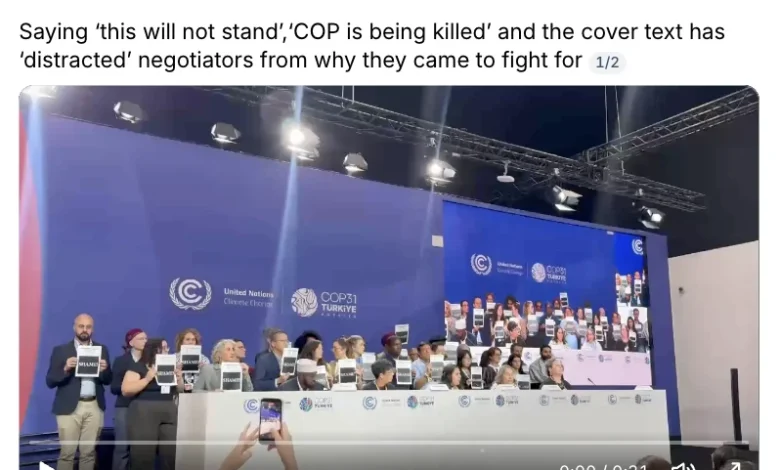
The United Nations climate change conference, COP31, held in Antalya, Turkey, concluded as the longest summit in the history of the UNFCCC, yet it ultimately failed to reach a consensus on a central "Antalya pact." The proposed cover decision, intended to set the political tone for the next phase of climate action, was rejected in the final hours by a broad coalition of nations including the European Union, the United Kingdom, and various climate-vulnerable states. This collapse highlighted a profound rift in the international community regarding the necessity of curbing fossil fuel expansion and the fulfillment of long-standing climate finance obligations to developing nations.
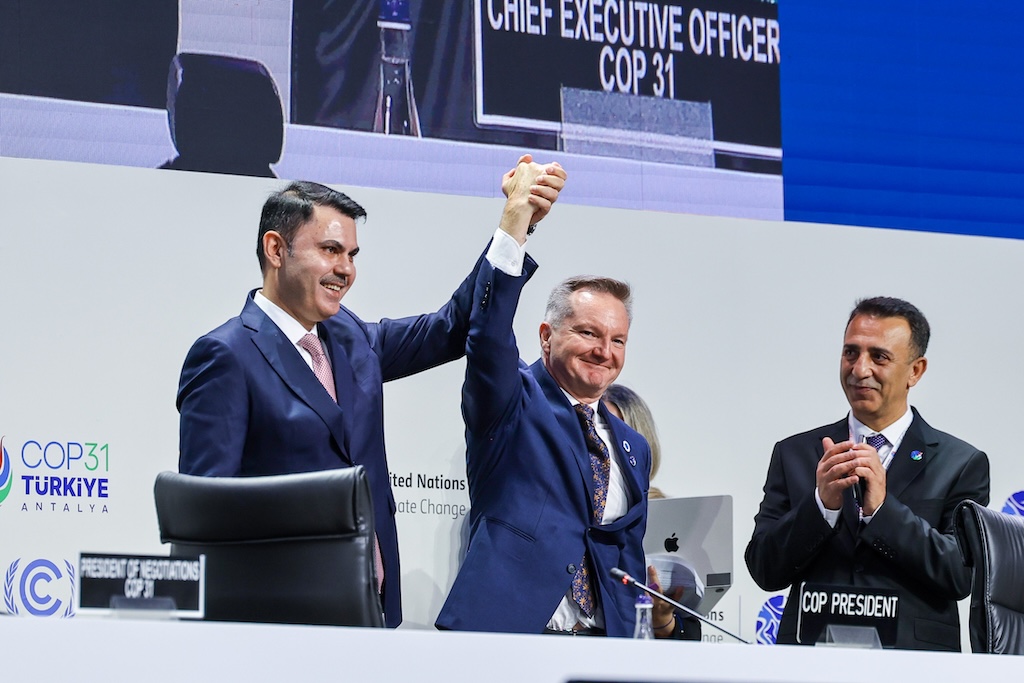
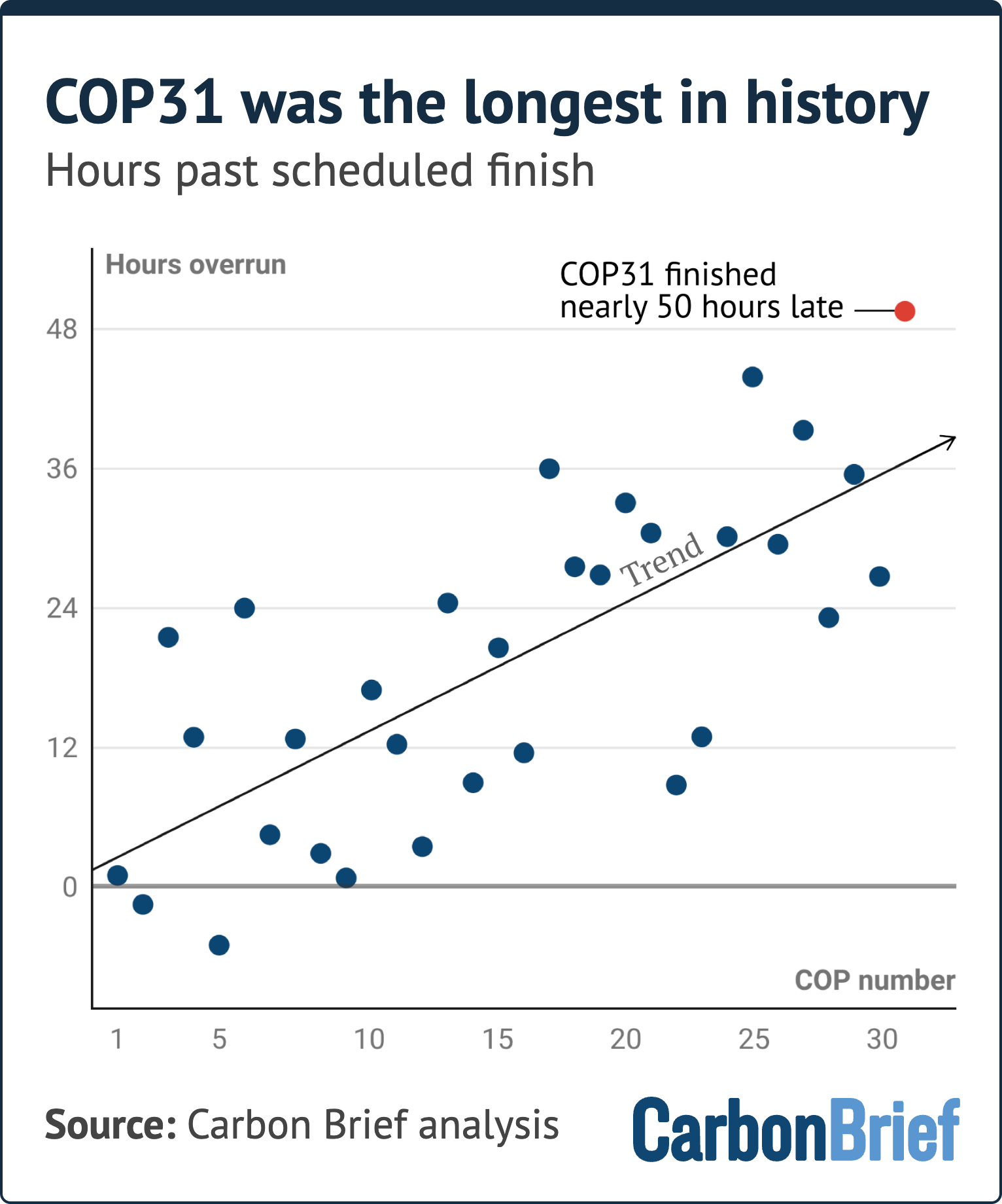
The summit, which ran nearly 50 hours past its scheduled closing time, ended with a sense of deep disappointment among many delegations. UNFCCC executive secretary Simon Stiell openly acknowledged the need to "improve, modernize and reform" the UN climate process, noting that the current consensus-driven mechanism is struggling to keep pace with the urgent, implementation-focused era of global climate policy. While the high-level political pact was shelved, the summit did not result in total legislative failure. Several procedural and technical items were adopted, including the establishment of a just transition work programme, progress on carbon market frameworks, and support mechanisms for countries facing the immediate fallout of climate-induced disasters.

Chronology and Logistical Strains
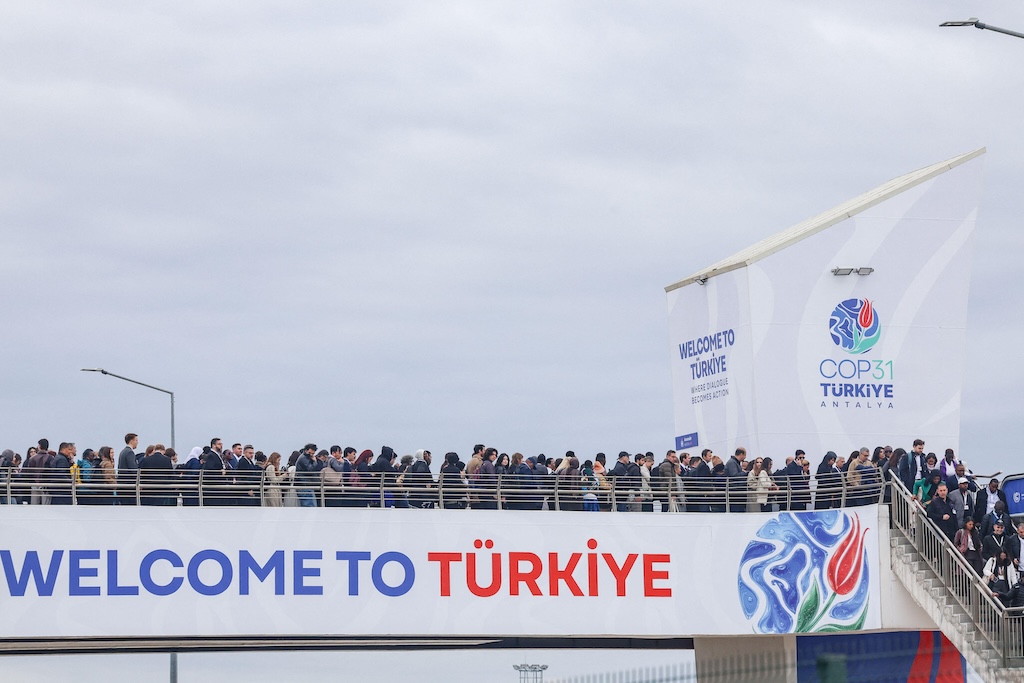
The lead-up to COP31 was marked by a three-year diplomatic dispute over the host nation, which was eventually resolved by a joint presidency agreement between Turkey and Australia. However, logistical challenges plagued the conference from the opening day on November 9, 2026. Delegates faced severe traffic congestion and massive queues, leading to widespread criticism of the venue’s accessibility.
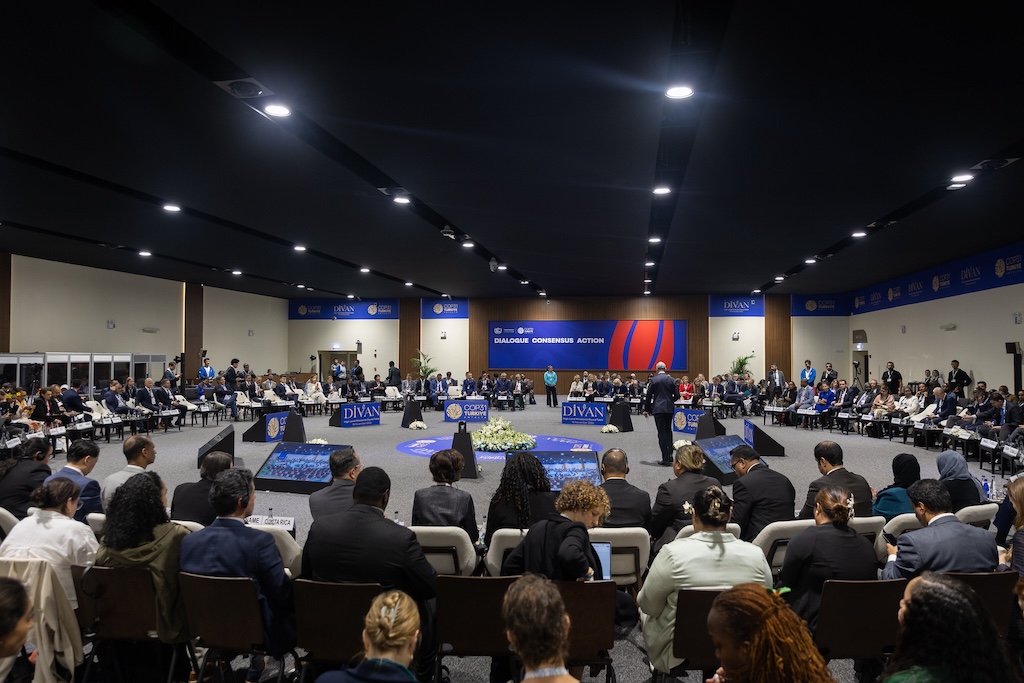
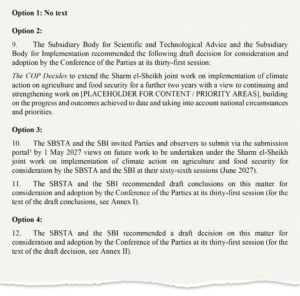
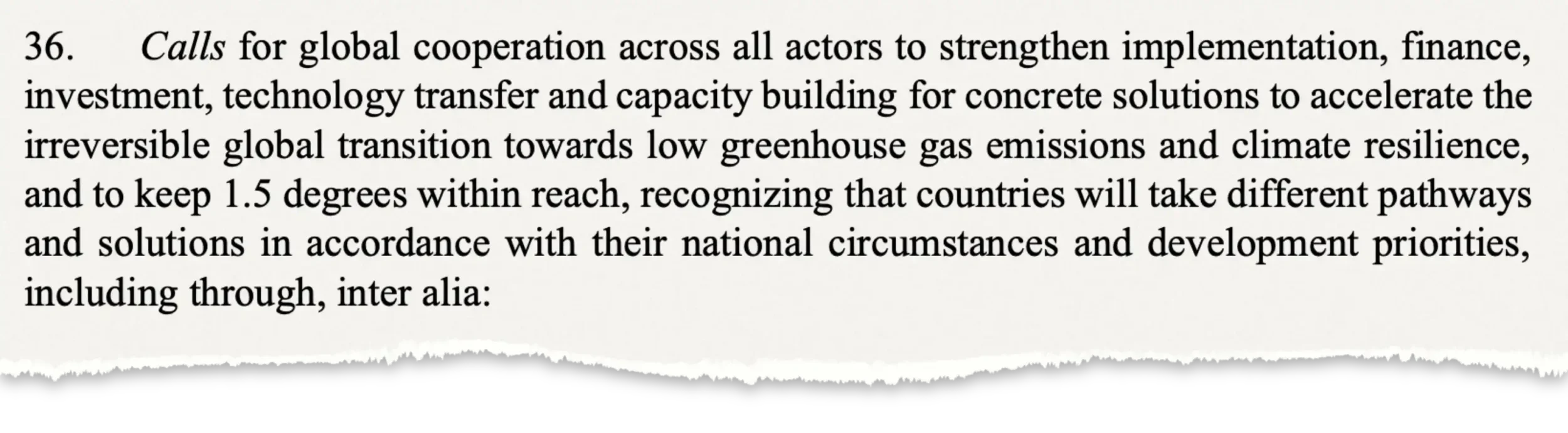
On November 11, the world leaders’ summit began with a sobering reminder of the geopolitical obstacles to climate progress. Brazilian president Luiz Inácio Lula da Silva, speaking to attendees, warned that the global community was becoming more preoccupied with "weapons and tariffs" than with the survival of future generations. Throughout the following week, the presidency struggled to synthesize the disparate demands of over 190 countries into a cohesive cover decision. A first draft was released on November 16, followed by a second iteration on November 19 that sparked immediate outrage for excising explicit references to fossil fuels and omitting the $120bn adaptation finance target sought by developing nations.
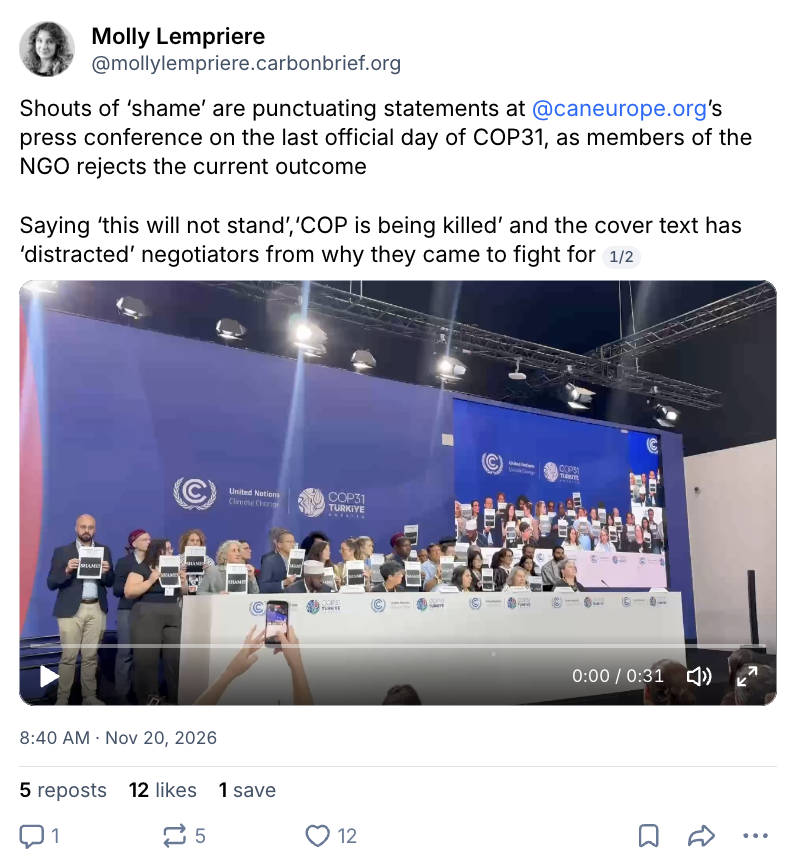
By the final weekend, the atmosphere in Antalya had soured. Behind-the-scenes negotiations intensified as a 126-nation coalition, including the EU, AOSIS, and the Least Developed Countries (LDCs), presented a united front demanding stronger language on fossil fuel transition and clearer financial commitments. Their demands, however, were not reflected in the final, fourth version of the "Antalya pact," leading to its formal rejection during the closing plenary on November 22.
Analysis of Key Outcomes and Sticking Points
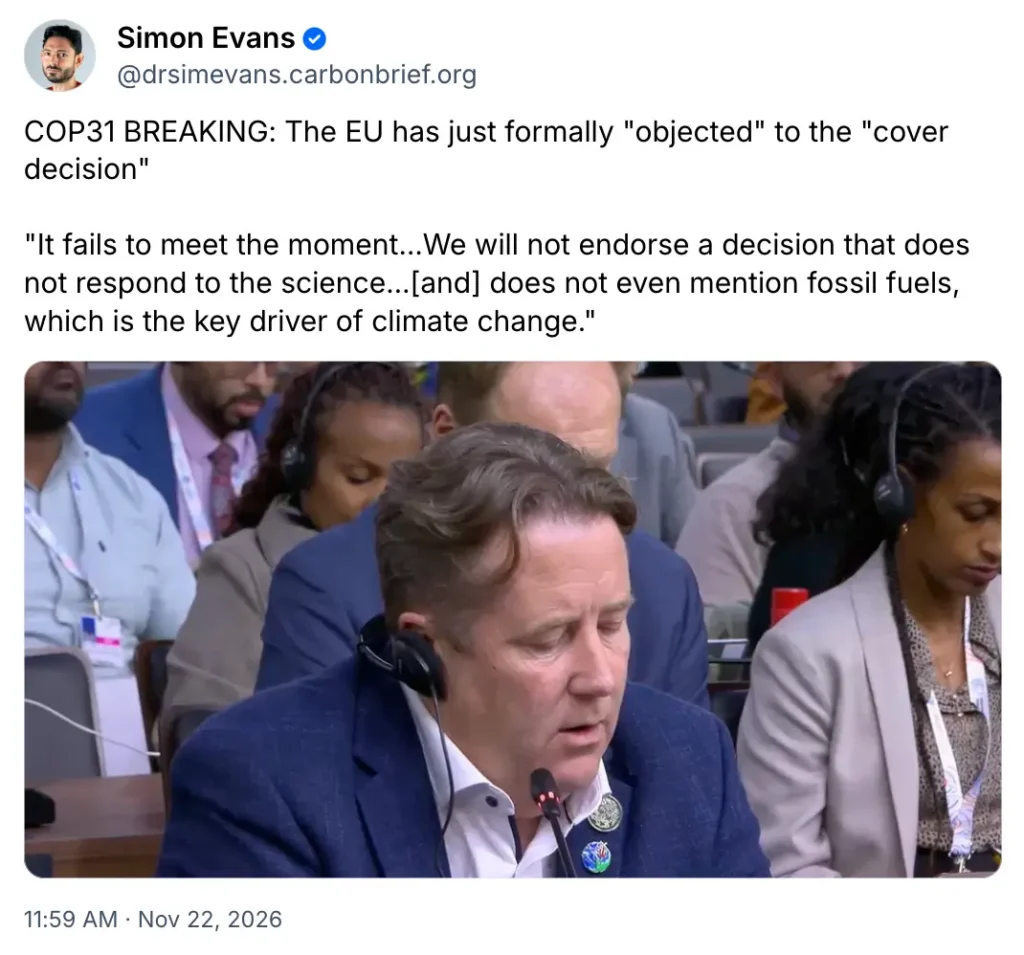
The core of the disagreement lay in the "lowest common denominator" nature of the presidency’s proposed text. Critics argued that the draft failed to acknowledge the reality of the 1.5C temperature overshoot. For the EU and its allies, any agreement that failed to address fossil fuels—the primary driver of global warming—was viewed as non-committal. Conversely, nations like Russia and several members of the Arab group remained steadfast in their opposition to explicit fossil fuel phase-out language, citing the need for ongoing oil and gas roles in energy security.
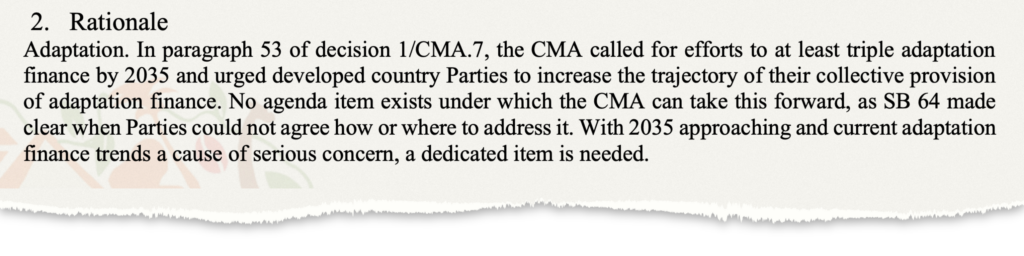
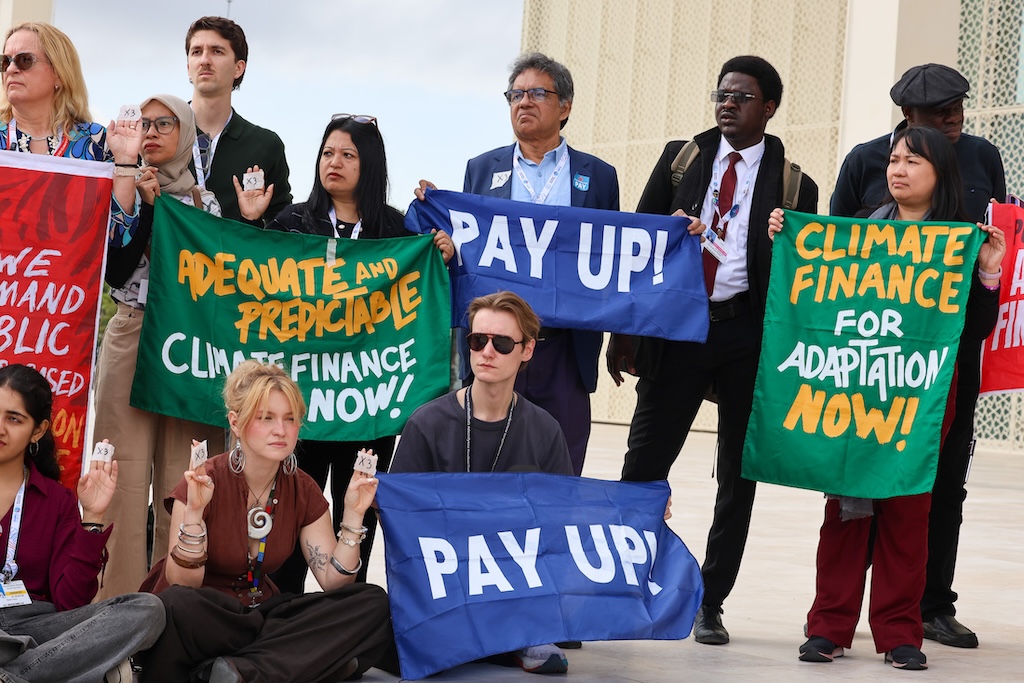
Adaptation finance, specifically the $120bn target for 2035, remained another major fault line. While developing countries sought a firm, grant-based target, developed nations preferred to nest adaptation funding within broader, more flexible climate finance definitions. The failure to secure a baseline for these funds has been described by civil society groups as a "colossal betrayal" of the promises made at previous summits.
Despite the gridlock on the cover decision, some progress was recorded in technical workstreams. The adoption of a decision on the adaptation fund, which allows for a share of carbon-market proceeds under the Paris Agreement to be funneled directly to vulnerable countries, was seen as a singular "bright spot." Furthermore, the summit saw the launch of several voluntary "action agenda" initiatives, including a global electrification pledge signed by 80 nations, aiming to ensure that 35% of final energy consumption comes from electricity by 2035.
Implications for Future Climate Governance

The collapse of the Antalya pact has triggered a wider debate about the future of the COP process itself. Observers have questioned whether the tradition of aiming for a single, overarching political "cover decision" is still fit for purpose. Paul Watkinson, a veteran French negotiator, suggested that the political bet placed by the presidency on a single text had failed, and that the international community must rethink how to achieve tangible results beyond mere political signaling.
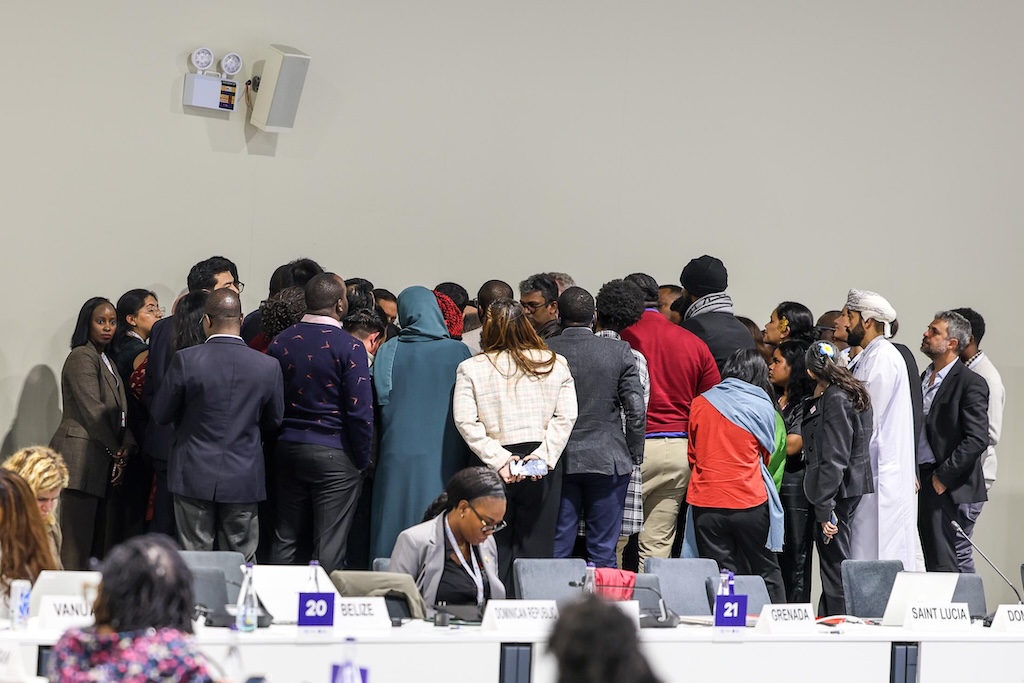
This sentiment was echoed by Panama’s environment minister, Juan Carlos Navarro, who described the current COP format as an "exercise in futility" where 192 countries are expected to agree on every comma and period. As discussions shift toward COP32 in Addis Ababa, Ethiopia, the pressure for structural reform of the UNFCCC will likely dominate the intersessional meetings in Bonn in 2027.
The role of major emitters remained complicated throughout the summit. China, while advocating for "solidarity and multilateralism," maintained a middle-ground position, aligning with developing nations on finance while signaling openness to electrification goals. Meanwhile, the absence of an official US delegation—due to the current political climate in Washington—created a vacuum in leadership that further complicated the search for consensus.

Looking Ahead: The Road to COP32

As the dust settles in Antalya, the focus shifts to Ethiopia, which will become the first least-developed country to host a COP. The Ethiopian government has indicated that finance for developing nations will be a central theme for the 2027 summit. However, the path forward is fraught with uncertainty. The failure to finalize a mitigation work programme at COP31 means that work on emissions reduction—the most critical task for the Paris Agreement—is now pushed to 2027.
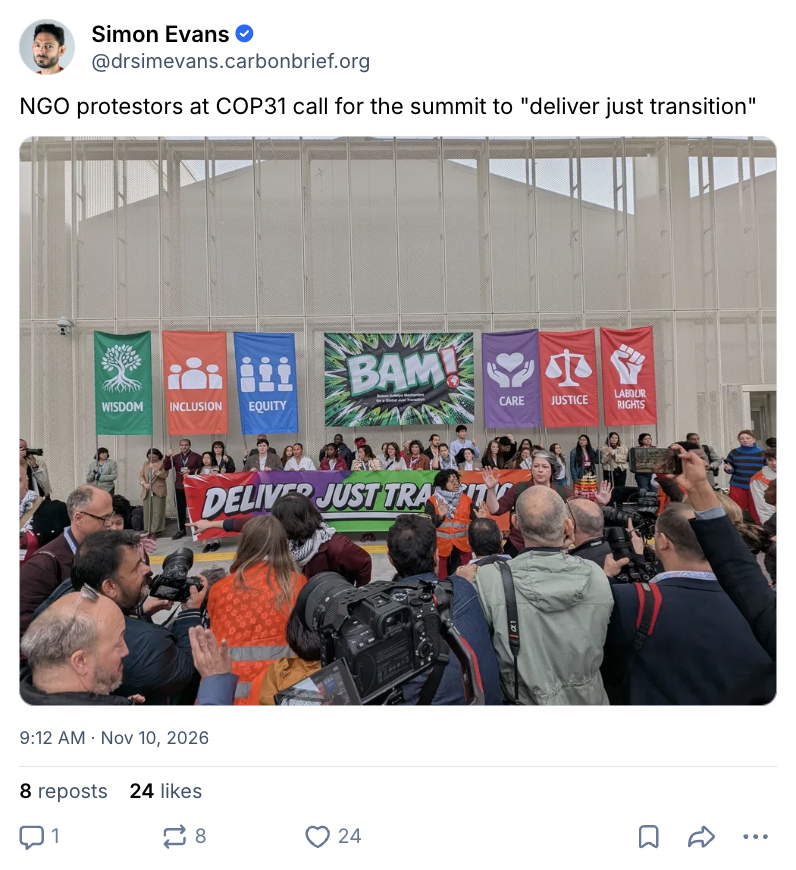
The failure at COP31 serves as a stark illustration of the limits of consensus-based diplomacy in an era of heightened geopolitical tension and accelerating climate impacts. While the "Antalya pact" did not survive the scrutiny of the global community, the initiatives launched outside the formal negotiating rooms, such as the Electrify Now Finance Coalition and the various national fossil-fuel roadmaps, indicate that a "two-tier" approach to climate action may be the new reality. Countries are increasingly likely to bypass the gridlock of formal negotiations by forming coalitions of the willing to drive specific, sectoral transitions.
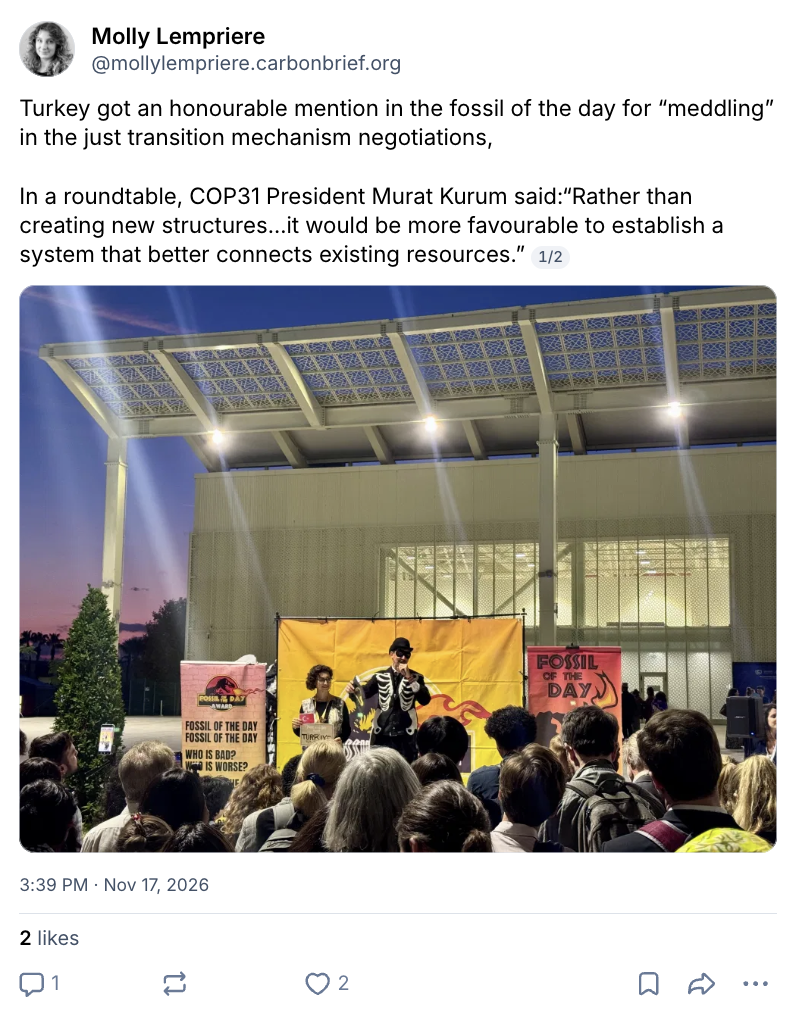
Ultimately, the events in Turkey emphasize that while the formal architecture of the UN climate talks remains essential, its ability to deliver the necessary scale of change is under intense pressure. The global community now enters a critical period of reflection, with the second global stocktake looming in 2028 and the world’s temperature trajectory continuing to push past established safety thresholds. The lessons learned in Antalya will undoubtedly inform the strategies for Addis Ababa, where the stakes for international cooperation will be higher than ever.