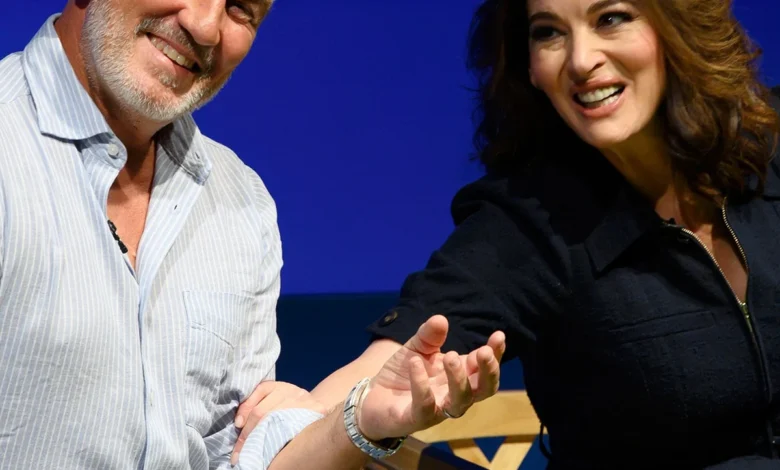
The landscape of television reality competition is undergoing a notable evolution as beloved institutions adapt to changing casts, cultural shifts, and the high-stakes environment of modern broadcasting. Among the most enduring staples of international culinary television is The Great British Bake Off—known internationally as The Great British Baking Show—which has captivated audiences for more than a decade and a half with its signature blend of flour-dusted tent camaraderie, technical precision, and high-pressure baking challenges. As the series prepares to launch its milestone 17th season on the United Kingdom’s Channel 4 and subsequently on Netflix for international audiences, the production is navigating a high-profile transition in its judging panel. This shift has brought culinary icon Nigella Lawson into the historic white tent alongside veteran judge Paul Hollywood, filling the significant vacancy left by Prue Leith after a celebrated nine-year tenure.
Beyond the kitchen set, the broader ecosystem of television entertainment continues to expand rapidly across streaming platforms and traditional networks, offering viewers an extensive array of high-profile premieres, dramatic spinoffs, and unscripted revivals. From returning espionage dramas like Slow Horses to milestone anniversary seasons of long-running vocal competitions, the autumn television slate presents a complex tapestry of entertainment narratives. However, the core of public fascination remains fixed upon the inner workings of television’s most celebrated culinary competition, the interpersonal dynamics of its star judges, and the personal journeys of the individuals who pass through its rigorous evaluation process.
A Seamless Transition in the Baking Tent
The integration of Nigella Lawson into the judging panel of The Great British Bake Off has been a subject of intense media scrutiny and fan speculation since the announcement of her casting. Stepping into a role previously defined by the formidable presence of Prue Leith—who itself succeeded legendary baking pioneer Mary Berry—presents a unique set of professional challenges. However, Lawson has been quick to dispel any rumors of professional friction or underlying tension between herself and co-judge Paul Hollywood.
In a revealing interview with major media outlets ahead of the season premiere, Lawson detailed her initial meeting with Hollywood, noting that any concerns regarding their on-screen chemistry were immediately put to rest. The two culinary figures reportedly engaged in a ten-minute conversation that set a remarkably positive tone for their future collaboration. To preemptively break the ice and ensure their first official interaction did not occur under the high-pressure lights of the production set, Lawson invited Hollywood out for informal drinks prior to the commencement of filming.
Interestingly, Lawson drew a firm boundary when it came to culinary demonstrations, asserting that baking a treat for Hollywood during their initial encounter would have been entirely unnecessary and overwhelming. Instead, their rapport was built on mutual respect and playful banter. Lawson humorously dubbed her co-judge "Professor Precision," a moniker that successfully coaxed a playful response from Hollywood, who is traditionally known for his stern demeanor and scrutinizing gaze on camera. Lawson observed that Hollywood’s televised persona as the "bad cop" of the tent often contrasts sharply with his approachable and encouraging nature off-screen, creating a balanced dynamic where his directness complements her conversational, sensory-driven approach to food critique.
The End of an Era and the Evolution of the Panel
Prue Leith’s departure from The Great British Bake Off in January marked the conclusion of a transformative nine-year chapter for the program. Announcing her exit via social media at the age of 86, Leith expressed immense gratitude for her time on the show, citing a desire to step back from the rigorous filming schedules to enjoy her personal life, spend time in her garden, and pursue other creative endeavors. Her tenure, characterized by vibrant fashion choices, constructive feedback, and a warm maternal presence, cemented her status as a beloved figure in British television history.
When producers approached Lawson to fill the vacant seat, the acclaimed food writer and television personality initially experienced a degree of professional apprehension. Conscious of the deep affection viewers hold for the program and the specific responsibilities of the role, Lawson engaged in extensive consultations with production executives. She explicitly defined her boundaries during these preliminary discussions, clarifying that her expertise lay in sensory evaluation, flavor profiles, and the emotional resonance of food rather than technical baking science or professional pastry engineering. Producers reassured her that these attributes aligned perfectly with the show’s vision, noting that Hollywood would continue to handle the technical, scientific, and structural evaluations of the bakers’ creations.
Season 17 is scheduled to debut on Channel 4 in the United Kingdom on September 22, followed by its release on Netflix in the United States on September 25. The upcoming season will once again feature hosts Alison Hammond and Noel Fielding guiding a fresh cohort of amateur bakers through signature, technical, and showstopper challenges designed to test their culinary limits.
A Comprehensive Overview of the Autumn Television Landscape
The autumn television calendar is exceptionally dense, featuring a wide spectrum of scripted dramas, documentary series, and unscripted competition formats across major networks and streaming services. The second half of September brings numerous high-profile premieres and returning fan favorites, setting the stage for a competitive viewing season.
Daytime and Late-Night Previews
The daytime television landscape kicks off with the fifth season of The Jennifer Hudson Show, premiering on September 14, featuring prominent guest appearances from entertainment icons such as Tom Cruise, Doja Cat, and Jamie Foxx. Concurrently, the unscripted arena sees the return of established staples and the introduction of novel concepts designed to capture shifting viewer demographics.
Competition and Reality Television Formats
Reality television remains a dominant force, highlighted by the debut of season 35 of Dancing With the Stars on ABC on September 15, where a new roster of celebrity contestants, including reality personalities and public figures, will vie for the coveted Mirrorball Trophy. Meanwhile, NBC’s flagship vocal competition, The Voice, reaches a significant milestone with its 30th season, premiering on September 21. This landmark season introduces a refreshed coaching lineup featuring franchise veterans Adam Levine and Kelly Clarkson alongside newcomers Riley Green and Queen Latifah.
In the realm of unscripted social experiments, Peacock and NBC are launching The Traitors: New Blood on September 17. Departing from the celebrity-driven format of previous iterations, host Alan Cumming will welcome 22 everyday Americans—selected from an applicant pool exceeding 80,000 hopefuls—to his Scottish Highlands castle for a psychological game of deception and strategy. Similarly, Fox’s Special Forces: World’s Toughest Test returns for its fifth season on September 24, subjecting public figures like Candace Cameron Bure, Mauricio Umansky, and Brandi Glanville to grueling physical and mental challenges in the jungles of Malaysia.
Scripted Dramas and Narrative Series
The scripted television sector offers robust offerings across multiple genres. On ABC, the drama series R.J. Decker returns for its second season on September 15, continuing the investigative narratives led by Scott Speedman. Simultaneously, Apple TV continues its dominance in prestige drama with the sixth season of the darkly humorous espionage series Slow Horses on September 16. Starring Gary Oldman as the cantankerous MI5 department head Jackson Lamb, the new season places the dysfunctional agents of Slough House on the run amid a high-stakes conspiracy orchestrated by Diana Taverner.
Platform diversification is further illustrated by Prime Video’s expansion of established literary universes. Neagley, premiering on September 16, focuses on Maria Sten’s fan-favorite private investigator character from the Reacher franchise, following her pursuit of justice in Chicago following a personal tragedy. In the fantasy and comedy space, Paramount+ introduces Golden Axe on September 16, a comedic adaptation of Sega’s classic 1989 video game starring iconic warriors on a quest to save the fantasy realm of Yuria.
Deep-Dive Documentaries and True Crime
True crime and investigative documentary programming maintain a strong presence on the calendar. Investigation Discovery’s Toxic, featuring Elizabeth Chambers, continues to explore the complex dynamics of domestic abuse and intimate partner violence through survivor testimonies. Meanwhile, National Geographic is set to premiere Chilean Mine Rescue: Race Against Time on September 25, a comprehensive docuseries utilizing never-before-seen cell phone footage and exclusive interviews to recount the harrowing 69-day underground entrapment and international rescue effort of 2010.
Implications and Industry Outlook
The convergence of high-profile casting changes on established programs like The Great British Bake Off and the aggressive premiere schedules of streaming platforms underscores the strategic adaptation of modern television networks. As legacy formats strive to maintain cultural relevance through careful curation of on-air talent, the streaming ecosystem relies on intellectual property expansion and diverse genre offerings to retain subscriber engagement.
The successful integration of Nigella Lawson into the culinary judging panel illustrates the delicate balance required when transitioning long-running shows into new eras. By leaning into authenticity, transparent communication, and mutual respect among cast members, production entities can mitigate the inherent risks associated with replacing foundational figures. As audiences increasingly demand both comfort and novelty from their entertainment choices, the ability of networks to curate cohesive, dynamic ensembles will remain a primary determinant of long-term commercial and critical success.