Global Public Health Advocates Rally Worldwide for Maternal and Newborn Health on World Health Day 2025 Amid Severe Funding Threats

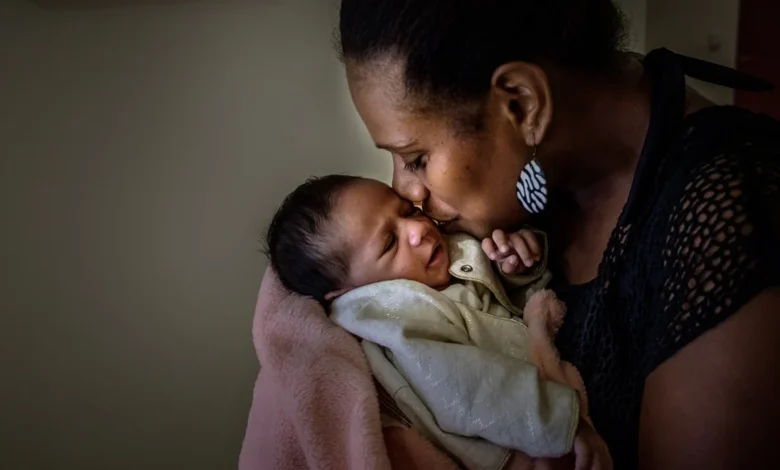
Marking its 77th anniversary on April 7, 2025, the World Health Organization (WHO) spearheaded an unprecedented, globally coordinated wave of public advocacy campaigns centered around the theme "Healthier beginnings, hopeful futures." More than 100 WHO country and regional offices mobilized in lockstep with Member States, grassroots communities, frontline healthcare workers, donor agencies, and civil society organizations. This synchronized global mobilization was not merely a ceremonial nod to the agency’s founding in 1948, but a critical, urgent intervention designed to sound the alarm against severe funding cuts that threaten decades of hard-won progress in maternal and neonatal healthcare.
The 2025 campaign serves as the launchpad for a year-long global initiative prioritizing the survival, health, and well-being of mothers and newborns. Against a backdrop of shrinking international aid budgets, escalating geopolitical conflicts, and post-pandemic economic recovery strains, public health leaders utilized World Health Day to demand immediate financial and political commitments to protect vulnerable healthcare infrastructure worldwide.
Main Facts and the Catalyst for Global Action
The central catalyst for the 2025 World Health Day mobilization was a convergence of demographic vulnerabilities and acute financial instability across the international aid architecture. In the weeks leading up to April 7, United Nations agencies issued stark warnings that sweeping foreign aid cuts and domestic health budget reallocations were actively dismantling fragile maternal and newborn health services in low- and middle-income countries.
During a high-profile event in Santiago, Chile, on April 7, PAHO/WHO Chile Country Representative Giovanni Escalante Guzmán participated in a pivotal community discussion alongside prominent Mapuche leader Juana Cheuquepan. The dialogue focused heavily on "mother and newborn health as the basis for healthy families and communities," drawing attention to the intersecting challenges of indigenous healthcare access, cultural preservation, and systemic underfunding. Similar localized and regional dialogues echoed across all six WHO regions, uniting indigenous wisdom, clinical expertise, and political advocacy.
The overarching data driving the WHO’s 2025 campaign highlights a chilling reality: while global maternal mortality rates had seen a downward trajectory over the late 20th and early 21st centuries, progress has visibly plateaued, and in some regions, reversed. Every two minutes, a woman dies from preventable causes related to pregnancy or childbirth. Furthermore, millions of newborns fail to survive their first month of life, succumbing to preventable infections, birth asphyxia, and complications related to prematurity. The WHO warns that without an immediate stabilization of international health financing, these numbers could drastically escalate, reversing a generation of public health gains.
Chronology of World Health Day and the Evolution of WHO Advocacy
The institutionalization of World Health Day dates back to the First Health Assembly in 1948, which decided to create a day to mark the founding of the World Health Organization. Since its first official observance on April 7, 1950, the day has been utilized annually to draw worldwide attention to a subject of major importance to global health.
Over the decades, the thematic focus of World Health Day has shifted alongside epidemiological transitions. In the early decades, campaigns focused heavily on communicable diseases, vector-borne illnesses, and basic sanitation. By the late 20th century, the scope broadened significantly to encompass non-communicable diseases, mental health, health workforce strengthening, and universal health coverage (UHC).
The selection of maternal and newborn health as the focal point for 2025 reflects a strategic reckoning within the international public health community. In the wake of the Sustainable Development Goals (SDG) target window closing in 2030, the global health sector is taking stock of its deficits. The decision to launch a year-long campaign in 2025 marks a departure from traditional single-day awareness events, establishing a sustained, 12-month accountability framework designed to pressure governments into action.
Regional Mobilization and Country-Level Actions
The decentralized nature of the WHO’s 2025 campaign ensured that advocacy efforts were tailored to the specific epidemiological, cultural, and financial landscapes of each global region.
In the African Region, where the burden of maternal and neonatal mortality remains disproportionately high, WHO offices partnered with ministries of health to launch community-based outreach initiatives. These actions emphasized the strengthening of primary health care (PHC) networks, ensuring that pregnant women in rural and conflict-affected areas retain access to skilled birth attendants, emergency obstetric care, and postnatal monitoring despite shrinking donor contributions.
Across the WHO Region of the Americas and the Pan American Health Organization (PAHO), events highlighted equity, human rights, and intercultural health models. The dialogue in Chile featuring Dr. Escalante Guzmán and Juana Cheuquepan exemplified regional efforts to integrate traditional indigenous midwifery with modern obstetric care, bridging cultural divides to improve health outcomes for marginalized populations.
In the Eastern Mediterranean Region, public health advocacy concentrated on humanitarian settings and protracted crises. With health systems fractured by conflict and economic collapse in nations such as Sudan, Yemen, and Afghanistan, WHO representatives campaigned for humanitarian corridors and the protection of maternal health clinics, which are frequently targeted or left starved of basic medical supplies.
The WHO European Region utilized the occasion to address emerging threats to maternal care, including workforce shortages, rising rates of maternal mental health disorders, and disparities in access among migrant and refugee populations. Policy forums organized in various European capitals focused on sustainable domestic financing and the integration of digital health innovations in prenatal monitoring.
In the South-East Asia Region, national campaigns mobilized community health workers, who form the backbone of rural healthcare delivery. Advocacy actions underscored the necessity of robust nutrition programs for pregnant women, reduction of adolescent pregnancies, and the expansion of institutional delivery incentives to prevent postpartum hemorrhage and sepsis.
Finally, the Western Pacific Region focused heavily on universal health coverage reforms. WHO offices in the Pacific Island countries emphasized climate resilience in healthcare infrastructure, noting that extreme weather events frequently sever access to maternal health facilities, putting pregnant women and newborns at immediate risk.
Supporting Data and Economic Implications
The economic and social implications of neglecting maternal and newborn health are profound and far-reaching. According to public health economics research, investing in maternal and newborn health yields a massive triple return on investment: it saves lives, improves the health and cognitive development of children, and drives long-term economic productivity.
When a mother dies in childbirth, the surviving children face significantly higher risks of mortality, malnutrition, and educational disruption. Economically, households are thrust into cycles of poverty as they attempt to cover out-of-pocket medical expenses or absorb the loss of maternal economic contribution. On a macro level, countries experiencing high maternal and neonatal mortality forfeit significant human capital potential.
Despite these proven returns, international development assistance for health (DAH) has faced unprecedented downward pressures. Major donor nations have increasingly redirected domestic and foreign budgets toward defense, debt servicing, and domestic economic stabilization. The WHO’s 2025 campaign highlights the myopic nature of these budget cuts, arguing that destabilizing global health security through the defunding of primary care and maternal services creates the breeding grounds for broader humanitarian and geopolitical instability.
Official Responses and Stakeholder Reactions
The joint warnings issued by United Nations agencies on World Health Day 2025 have drawn sharp commentary from international health leaders, economists, and human rights advocates.
"We are witnessing a dangerous complacency," stated senior UN health officials in a joint communique released on April 7. "The progress we celebrated over the last twenty years in driving down maternal mortality was not accidental; it was the result of sustained political will, targeted financing, and the tireless dedication of health workers. To allow these gains to erode because of short-sighted budget cuts is a moral failure and a strategic blunder."
Civil society organizations and nursing associations have similarly voiced deep frustration. Representatives from global midwifery federations emphasized that frontline providers are bearing the brunt of funding shortages, often working in understaffed clinics without basic pharmaceuticals, clean water, or reliable electricity.
"Clapping for health workers is not enough; funding the systems in which they work is the absolute minimum requirement," noted a coalition of international civil society groups in an open letter published alongside the WHO campaign launch. "When maternal health services are cut, women and newborns pay with their lives."
Broader Impact and Long-Term Outlook
As the WHO enters the first months of its year-long campaign on maternal and newborn health, the immediate challenge lies in translating the visibility of World Health Day 2025 into concrete policy shifts and budgetary commitments.
The implicit analysis of the current crisis suggests that traditional aid models are no longer sufficient to sustain global health goals. The WHO and its partner agencies are increasingly urging governments to institutionalize domestic financing mechanisms, reducing reliance on volatile donor aid and embedding maternal and newborn health as a non-negotiable component of universal health coverage frameworks.
The trajectory of the 2025 campaign will be closely monitored as international bodies convene later in the year for high-level political forums and General Assembly debates. Whether the global community rises to meet the challenge of securing "healthier beginnings and hopeful futures" will depend entirely on the willingness of political leaders to reverse aid cuts, protect frontline health workers, and prioritize the fundamental human right of every woman and newborn to survive and thrive.