ChargePoint and Kässbohrer Partner to Bring Heavy-Duty EV Charging Infrastructure to Global Ski Resorts

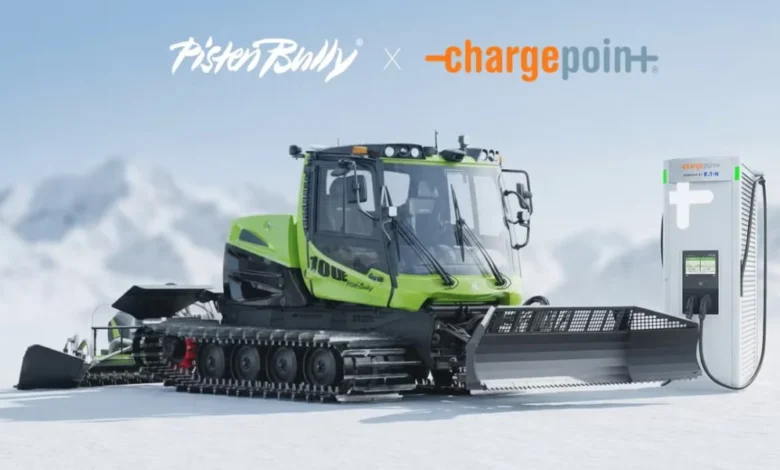
The transition of heavy-duty machinery to electric power has reached the slopes, as electric vehicle charging giant ChargePoint has announced a strategic partnership with Kässbohrer, the German manufacturer globally renowned for its PistenBully snow groomers. This collaboration aims to seamlessly integrate robust EV charging infrastructure across ski resorts and indoor winter sports facilities throughout Europe and North America. By addressing the unique energy demands of alpine maintenance fleets, the initiative bridges a critical gap in the electrification of high-altitude commercial operations.
For decades, the heavy-duty vehicles responsible for maintaining ski trails have relied exclusively on internal combustion engines, generating significant greenhouse gas emissions in pristine mountain environments. The new agreement positions ChargePoint to supply hardware, advanced fleet management software, and comprehensive support ranging from initial site planning to installation and ongoing day-to-day operations. As ski resorts increasingly set ambitious net-zero carbon targets, the ability to electrify slope-grooming operations represents a monumental leap forward in sustainable mountain tourism.
Dual-Purpose Infrastructure for Slopes and Visitors
Under the terms of the agreement, Kässbohrer will directly connect its extensive customer base of resort operators with ChargePoint’s ecosystem. This integration offers a streamlined operational advantage: resort management can utilize a single provider to power both their specialized maintenance fleets and the consumer-facing EV charging stations deployed in resort parking lots for visiting skiers and snowboarders.

The logistical challenges of maintaining high-altitude infrastructure are immense, often characterized by extreme weather, sub-zero temperatures, and isolated geographical locations. By standardizing the charging and management software across both utility vehicles and passenger cars, resort operators can optimize energy loads, monitor usage patterns in real-time, and reduce administrative friction. This unified approach ensures that maintenance depots and guest parking areas operate harmoniously on the same intelligent energy grid, mitigating the risk of localized grid overload during peak winter tourism weekends.
The Technological Backbone: PistenBully 100 E
At the heart of this partnership is Kässbohrer’s flagship fully electric snow groomer, the PistenBully 100 E. Unlike traditional diesel-powered groomers that rely on internal combustion engines for both propulsion and mechanical snow-tilling, the 100 E utilizes high-torque electric motors to drive the vehicle and spin the rear tiller that smooths and packs the snow.
The machine is equipped with a substantial 196 kWh battery pack. According to manufacturer specifications, this energy capacity enables the groomer to handle up to three hours of normal, rigorous trail-grooming operations on a single charge. When it is time to replenish the battery, the vehicle supports flexible charging capabilities, accepting up to 22 kW on standard alternating current (AC) connections or up to 150 kW on high-powered direct current (DC) fast chargers. Utilizing a DC fast charger, the PistenBully 100 E can replenish its battery from zero to 100 percent in approximately one hour, allowing for rapid turnaround times between night and morning grooming shifts.
Global Market Dominance and Industry Scale

The partnership carries substantial weight within the winter sports industry due to Kässbohrer’s dominant market position. Industry data indicates that Kässbohrer accounts for more than half of all snow groomers sold worldwide each year. Because a majority of major ski resorts globally rely on PistenBully machinery for daily trail maintenance, standardizing EV charging compatibility with ChargePoint establishes an immediate, pre-existing pathway for widespread adoption.
While the two companies have confirmed that resort operators can begin coordinating installations immediately, specific details regarding which resorts will pioneer the rollout and the exact number of chargers destined for initial deployment remain under wraps, with official announcements expected as individual projects reach final permitting and construction phases.
Chronology of Alpine Electrification
The convergence of electric mobility and winter sports is not an overnight phenomenon, but rather the culmination of years of engineering advancements and shifting corporate priorities within the outdoor recreation sector.
Initial experimentation with electric utility vehicles in alpine environments began in the late 2010s, as resort operators sought ways to reduce diesel consumption in base areas and passenger transport. However, heavy-duty applications like snow grooming remained elusive due to the immense power required to push dense snow up steep inclines in sub-zero temperatures, conditions that notoriously degrade battery performance.

By the early 2020s, advancements in lithium-ion chemistry and thermal management systems made heavy-duty electrification feasible. Kässbohrer introduced the PistenBully 100 E as a pioneering commercial solution, proving that electric motors could match the torque and reliability of diesel engines. Despite the success of the machinery, a persistent infrastructure bottleneck remained: resorts lacked the high-capacity, heavy-duty charging hardware required to support industrial-scale electric groomers at high altitudes. The newly minted partnership between Kässbohrer and ChargePoint directly addresses this historical hurdle, shifting the industry from isolated equipment trials to comprehensive, resort-wide infrastructure deployment.
Broader Environmental Implications and Economic Analysis
The collaboration between ChargePoint and Kässbohrer arrives at a critical juncture for the ski industry, which faces existential threats from global climate change. Shorter winters, reduced natural snowfall, and rising operational costs have forced resort operators to aggressively scrutinize their environmental footprints and energy expenditures.
Transitioning heavy machinery to electric power yields dual benefits for resort operators. Environmentally, it significantly cuts direct scope 1 emissions associated with diesel combustion, preserving the clean mountain air that draws tourists to alpine destinations. Economically, while the upfront capital expenditure for high-capacity DC fast chargers and electric groomers is substantial, long-term operational savings can be profound. Electricity is historically less volatile and generally cheaper than diesel fuel—particularly when paired with on-site renewable energy generation such as solar arrays or wind turbines. Furthermore, intelligent charging software allows resorts to schedule charging sessions during off-peak hours when utility electricity rates are lowest, minimizing demand charges from local power grids.
As electric vehicles become ubiquitous among resort visitors, providing robust charging infrastructure is no longer merely an environmental amenity, but a vital competitive necessity for tourist destinations looking to attract affluent, eco-conscious travelers. By simultaneously modernizing back-of-house maintenance fleets and guest-facing amenities, the ChargePoint and Kässbohrer alliance sets a new benchmark for sustainable resort operations worldwide.