The psychological landscape of automotive enthusiasm undergoes a profound transformation as individuals transition from adolescence into various stages of adulthood. For many, the initial spark of car culture is ignited by visceral stimulants: the roar of a high-displacement engine, the aggressive lines of a mid-engine supercar, or the sheer speed depicted in cinema and video games. However, a qualitative analysis of enthusiast feedback and market trends suggests that as drivers age, their "dream car" criteria shift from abstract performance metrics toward nuanced considerations of ergonomics, reliability, and emotional resonance.
This evolution is not merely a byproduct of aging but a reflection of changing life circumstances, financial literacy, and a deeper understanding of the mechanical realities of vehicle ownership. While the teenage enthusiast may prioritize a car that commands attention, the mature driver often seeks a vehicle that rewards the senses without taxing the spirit or the bank account.
The Psychological Shift from Performance to Experience
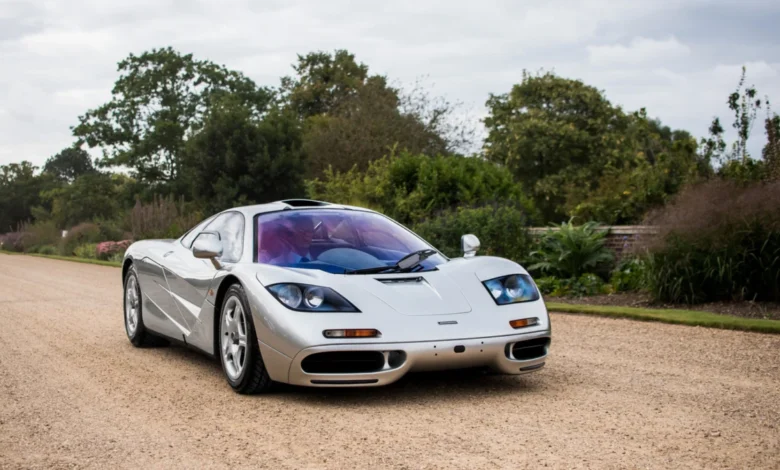
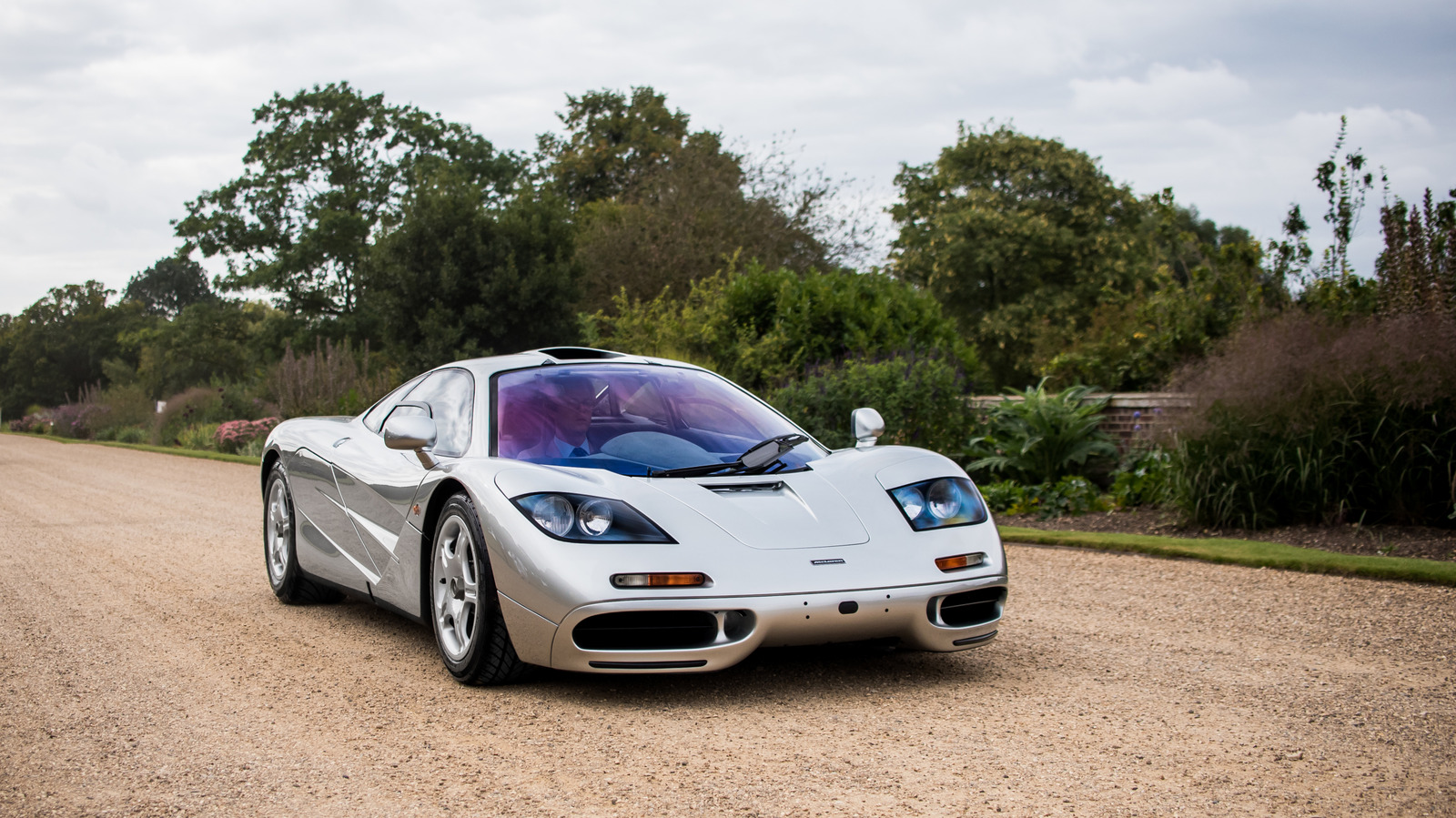
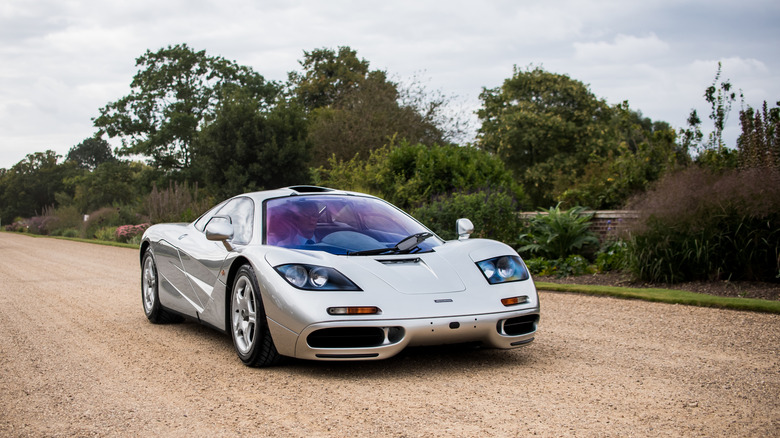
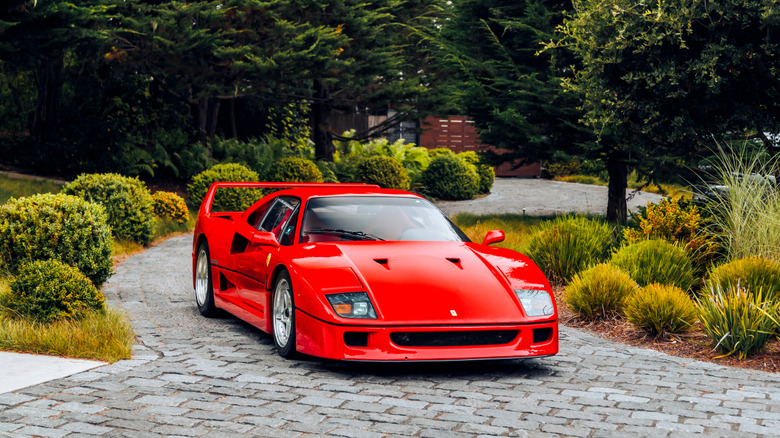
In the early stages of automotive fascination, often referred to as the "poster era," enthusiasts are typically drawn to extreme examples of engineering. Vehicles like the Ferrari F40, Lamborghini Countach, or McLaren F1 represent the pinnacle of this phase. These cars are defined by their uncompromising nature—manual steering, heavy clutches, and astronomical maintenance requirements. To a young enthusiast, these traits are viewed as badges of honor; to an older driver, they often represent barriers to enjoyment.
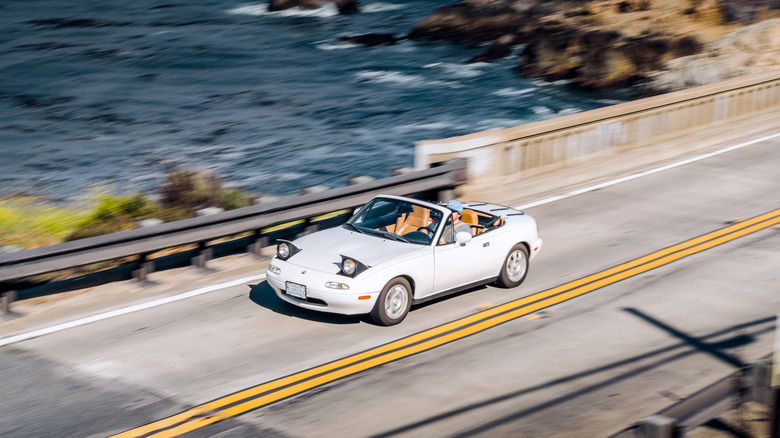
Recent sociological surveys of the car-buying public indicate that "driving feel" is becoming a dominant metric for experienced enthusiasts. This shift is characterized by a move away from "stat-sheet" dominance—such as 0-60 mph times and top speeds—toward tactile feedback and engagement. This explains the enduring and growing popularity of the Mazda MX-5 Miata. As one enthusiast noted, the transition from desiring a high-horsepower muscle car to a lightweight roadster is often driven by the realization that massive power is difficult to utilize safely or legally on public roads, whereas a well-balanced, lower-powered car offers continuous engagement.
The Pragmatic Pivot: The Rise of the "Super Wagon" and Hot Hatch
As life responsibilities accumulate, the definition of a dream car often expands to include utility. The "sick wagon" phenomenon is a primary example of this evolution. Enthusiasts who once dreamt of two-seat coupes often find themselves looking toward high-performance estates like the Audi RS6 Avant, the Mercedes-AMG E63 Wagon, or even modified older Volvos.
The appeal of the performance wagon lies in its lack of compromise. It offers the mechanical sophistication of a sports car with the cargo capacity required for family life or hobbies. This pragmatic shift is also reflected in the "hot hatch" market. Drivers who have owned high-end performance sedans, such as the Cadillac CT5-V Blackwing or BMW M3, occasionally find themselves migrating back to smaller, more nimble vehicles like the Ford Fiesta ST or Honda Civic Type R. These vehicles provide a "hooligan" factor that is more accessible and less intimidating than their larger, more expensive counterparts.
The Reliability Revolution and the "Lonely Mechanic" Philosophy
A significant turning point in the aging process of an enthusiast is the first encounter with a catastrophic repair bill. The allure of a classic 1968 Chevrolet Camaro SS or a vintage Jaguar E-Type often fades when confronted with the reality of "shooting the parts cannon" at a vehicle every season.
Data from classic car insurance providers like Hagerty suggests a growing trend in the "Restomod" and "Youngtimer" markets—enthusiasts are increasingly seeking vehicles that combine classic aesthetics with modern, reliable internals. The dream shifts from owning a temperamental icon to owning a vehicle that starts every time the key is turned.
This desire for "mechanic loneliness" has led to a resurgence in the popularity of Japanese luxury and performance cars from the 1990s and early 2000s. The Lexus LS series, for instance, has become a "dream car" for those who prioritize engineering excellence and longevity. The LS400 and LS430 are frequently cited as the gold standard for enthusiasts who have "grown out" of the desire for flashiness and instead value a "vault-like" cabin and a million-mile powertrain.
The Persistence of the Bedroom Poster: Why Some Dreams Never Die
Despite the trend toward pragmatism, a subset of the enthusiast community remains steadfast in their original aspirations. For these individuals, the dream car is a fixed point in time, often tied to a specific formative memory. The Ferrari F40 remains perhaps the most cited "permanent" dream car. Despite its cramped interior, lack of modern amenities, and notoriously difficult handling characteristics, its status as the last car personally approved by Enzo Ferrari gives it a mythological quality that transcends practical concerns.
Similarly, the 1963 Volkswagen Beetle or the 1968 Hemi Dart continue to hold sway over those who value historical significance and personal nostalgia. For these dreamers, the car is not a tool for transportation but a time machine. The financial barriers to these dreams, however, have scaled significantly. According to market data from Bring a Trailer and Barrett-Jackson, the prices of 1960s muscle cars and 1980s supercars have outpaced inflation and wage growth, turning what were once attainable goals into lottery-win fantasies.
The Impact of Modern Technology: "Apps with Wheels" vs. Mechanical Soul
A contemporary factor influencing how car dreams change is the rapid digitization of the automotive industry. A segment of older enthusiasts has expressed a sense of "technological fatigue," viewing modern vehicles as "apps with wheels." This has led to a counter-movement where the new dream car is anything devoid of screens, lane-keep assist, and intrusive software.
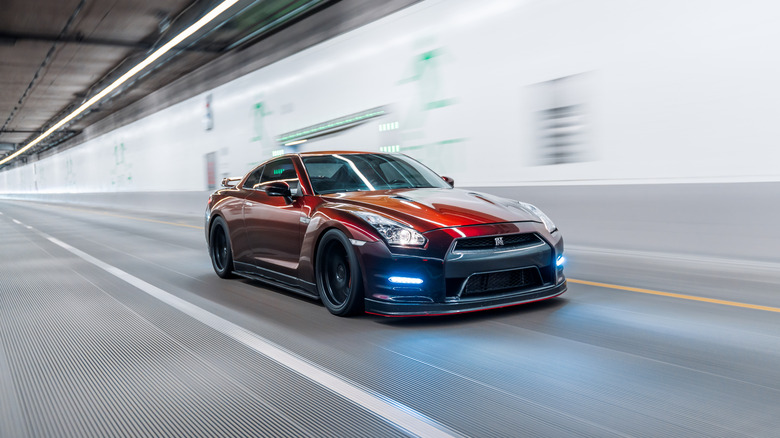
The criticism of modern performance cars—such as the Nissan R35 GT-R—often centers on their efficiency. While objectively faster and more capable than their predecessors, they are sometimes described as lacking "passion" or "soul" because the onboard computers manage the physics of the drive. This has redirected the "dreams" of veteran drivers toward analog experiences: manual transmissions, naturally aspirated engines, and hydraulic steering.
Market Implications and the Future of Enthusiast Culture
The shifting nature of dream cars has significant implications for the automotive industry. Manufacturers are increasingly aware that the "Silver Tsunami"—the aging population of wealthy enthusiasts—is looking for a specific blend of heritage and comfort. This has fueled the "continuation car" market and the rise of high-end SUVs from brands like Ferrari, Lamborghini, and Aston Martin. While a younger generation might scoff at a performance SUV, the market reality is that older buyers with the capital to realize their dreams prefer a vehicle that is easy to enter and exit.
Furthermore, the rise of environmental consciousness and climate volatility is beginning to reshape the "dream." A growing number of enthusiasts are looking toward electric vehicle (EV) conversions of classic frames or high-performance EVs that offer a different kind of visceral thrill. The dream is no longer just about the car itself, but about the sustainability of the hobby in a changing world.
Conclusion: A Spectrum of Aspiration
Ultimately, the evolution of the dream car is a journey from the external to the internal. In youth, the car is a statement made to the world—a declaration of speed, wealth, or taste. In maturity, the car becomes a private sanctuary or a tool for personal joy. Whether it is the refinement of a Lexus LS, the utility of a performance wagon, or the undying allure of a Ferrari F40, the "dream" reflects the driver’s personal history and their evolving relationship with the open road.
The automotive community remains a diverse ecosystem where the pragmatic "daily driver" dream and the "lottery win" fantasy coexist. As drivers age, they do not necessarily lose their passion for cars; they simply refine their definition of what makes a car worth dreaming about. The shift from "how fast can it go" to "how does it make me feel" is perhaps the most significant milestone in any enthusiast’s life.