South Australian Premier Peter Malinauskas has moved to quell growing anxiety regarding the future of industrial manufacturing in his state, expressing a firm belief that steel production remains viable despite the imminent closure of a critical blast furnace at the Whyalla steelworks. The announcement, which occurred yesterday, has sent shockwaves through the regional community, highlighting the fragility of Australia’s domestic industrial capacity and the urgent need for long-term capital investment.

Standing before the sprawling Whyalla plant, clad in high-visibility safety gear, the Premier acknowledged the palpable sense of heartbreak and inevitability felt by the local workforce. However, he emphasized that the closure of the aging 1965-era blast furnace—which has not undergone a significant realignment in two decades—is not the end of the road for the facility. Instead, he presented the development as a necessary, albeit painful, pivot toward a modernized, sustainable future for the site.
The state government, working in tandem with federal authorities, is actively pursuing a $1.9 billion recapitalization and sales package. This initiative is designed to transition the plant toward new production methods, ensuring that the existing workforce can be retained and the facility’s output of structural steel can be preserved. According to the Premier, the failure to secure this plant would leave Australia without any domestic structural steel-making capacity, a scenario he described as unacceptable for national security and economic sovereignty.
A Landscape of Political Tension: Immigration and Economic Debate
The uncertainty surrounding Whyalla coincides with a broader, heated national debate regarding immigration and economic policy. One Nation has recently unveiled a sweeping new immigration platform, proposing a net-negative migration target over a three-year period. The policy, which seeks to cut 750,000 temporary visa holders, has drawn sharp criticism from political opponents and economic analysts alike.
During the ABC’s second National Forum, former Deputy Prime Minister Barnaby Joyce faced intense questioning regarding the fiscal viability of this plan. Political commentator George Megalogenis was particularly scathing, arguing that such a drastic reduction in migration has no historical precedent in Australia and could trigger an economic contraction reminiscent of the 1890s depression.
Despite the backlash, Joyce maintained a defiant stance, rejecting the necessity of consulting the Parliamentary Budget Office (PBO). He characterized the reliance on economic modeling as a point of frustration for the Australian public, insisting that his party would "deal with it no matter the cost." When pressed on the lack of rigorous costing, Joyce dismissed the concern by stating that, unlike the non-elected officials at the PBO, he is an elected representative accountable to the people.
The Coalition’s Stance and Internal Friction
The Opposition’s response to the One Nation announcement has been multifaceted. Shadow Home Affairs Minister Jonno Duniam has criticized the lack of transparency in how the policy was released, specifically highlighting that Pauline Hanson chose to announce the plan via a pre-recorded social media video rather than a live press conference.
Duniam emphasized that the Coalition is currently developing its own migration strategy, which he promised would be "fully costed" and focused on both economic and human impacts. He warned that without proper data, One Nation’s proposal risks destabilizing the national economy. Interestingly, despite past conflicts between the Liberal Party and One Nation, the exchange between Duniam and Joyce remained notably civil, with the two figures even engaging in lighthearted banter during their media appearances.
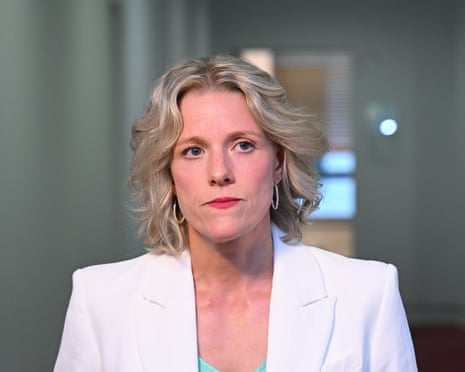
However, the political climate remains charged. The housing minister, Clare O’Neil, has also weighed in, condemning resurfaced comments made by Pauline Hanson regarding Indigenous Australians. O’Neil described the language as "rotten and ugly," warning against the "Americanization" of Australian politics, which she fears is creating a toxic environment where constructive dialogue between differing viewpoints is becoming increasingly difficult.
Rising Energy Costs and Government Policy
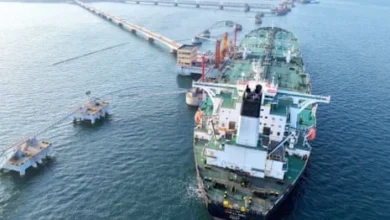
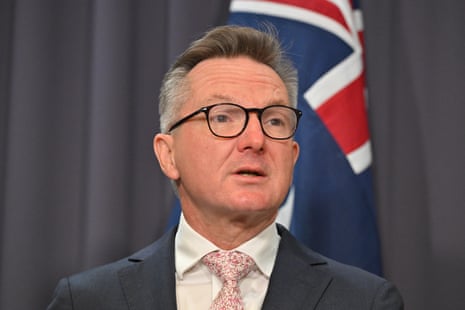
While domestic industrial and social issues dominate the news cycle, the federal government is simultaneously grappling with the volatility of international oil markets. Climate Change and Energy Minister Chris Bowen has sought to lower public expectations regarding a return to fuel excise relief. The recent spike in oil prices, triggered by drone attacks on Saudi Arabia’s vital east-west crude pipeline, has sparked calls for government intervention.
Minister Bowen clarified that the previous fuel excise cuts were strictly temporary measures and that the government would not react to every daily fluctuation in global commodity prices. "We’re not going to respond to every daily movement on the world oil price," he stated, while confirming that he intends to travel to Saudi Arabia next week to meet with his counterpart, Abdulaziz bin Salman Al Saud, to discuss energy security.

The government is also facing scrutiny over the appointment of former opposition leader Sussan Ley to the board of Snowy Hydro. Critics have pointed to her previous opposition to net-zero commitments and her vocal criticism of renewable energy policies as a potential conflict of interest. Bowen, however, defended the appointment, stating that his primary concern is identifying talented and credentialed Australians for board positions, regardless of their political affiliation.
Diplomatic Engagements and Broader Implications
Amid these domestic pressures, Prime Minister Anthony Albanese confirmed that he held a conversation with King Charles III last night. In a post on social media, the Prime Minister highlighted the monarch’s enduring affection for the Australian people and reiterated the nation’s best wishes to the Royal Family. This diplomatic engagement serves as a brief interlude in what has otherwise been a week defined by high-stakes economic and social policy debates.

The timeline of events—from the Whyalla steelworks crisis to the debate over immigration and energy security—underscores a period of significant transition for Australia. The common thread connecting these issues is the challenge of managing long-term structural change. Whether it is the decarbonization of the steel industry, the recalibration of migration levels, or the transition to renewable energy, the government is navigating a landscape where the decisions made today will have profound impacts on the national economy for decades to come.
Fact-Based Analysis: The Path Ahead
The core challenge for the government, as articulated by stakeholders across the political spectrum, is balancing immediate fiscal responsibility with long-term strategic needs. The steel-making capacity at Whyalla is a microcosm of this broader dilemma. Without recapitalization, the industry faces extinction; yet, the capital required is substantial, and the global market for steel is increasingly competitive.
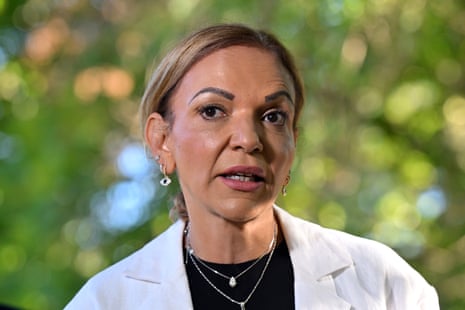
Similarly, the immigration debate highlights the tension between social cohesion and economic necessity. The government’s attempt to manage migration numbers in a "manageable way," as described by Multicultural Affairs Minister Anne Aly, contrasts with the more radical proposals emerging from the political fringe.
As the week progresses, the focus will likely remain on the details—or lack thereof—within these major policy areas. The public, industry leaders, and international partners are watching closely to see if the government can translate its stated optimism into actionable results. For now, the narrative is one of competing visions for Australia’s future: one that emphasizes traditional industrial foundations and careful management of resources, and another that seeks radical shifts in policy, regardless of the potential for short-term economic instability.
In the days ahead, the scrutiny on policy costings, the transparency of government appointments, and the management of regional industrial hubs will remain the primary drivers of the national discourse. The resolution of the Whyalla crisis, in particular, will serve as a bellwether for the government’s ability to protect local manufacturing jobs while simultaneously pursuing an ambitious national agenda.