
Jacky Rosen Interview Democrats
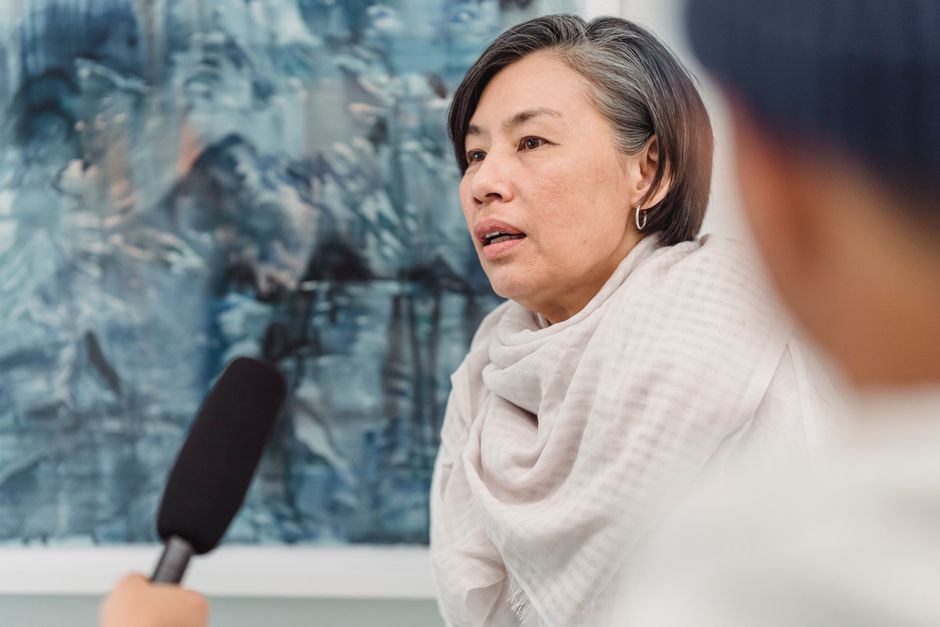
Jacky Rosen Interview: Democrats Assess Policy, Strategy, and Future Prospects
Senator Jacky Rosen’s recent interview provided a critical opportunity to dissect current Democratic Party policy priorities, strategic approaches to upcoming elections, and her own evolving role within the broader political landscape. The discussion illuminated key areas of focus for the party, from economic initiatives and social justice concerns to the pressing need for effective communication and outreach. Rosen, a freshman Senator representing Nevada, offered insights that reflect the Democratic agenda’s multifaceted nature and the challenges inherent in navigating a polarized political environment. Her perspective is particularly valuable given Nevada’s status as a swing state, demanding pragmatic and widely appealing policy solutions. The interview underscored the party’s commitment to issues such as reproductive rights, climate change mitigation, and strengthening the middle class, while also acknowledging the imperative to connect with a broader electorate beyond traditional Democratic strongholds.
A central theme emerging from the interview was the Democratic Party’s unwavering dedication to economic fairness and opportunity. Senator Rosen articulated the party’s continued emphasis on policies aimed at lifting working families, including proposals for expanding access to affordable childcare, increasing the minimum wage, and investing in job training programs. The interview highlighted a belief within the party that economic security is intrinsically linked to social well-being and that government intervention is a necessary tool to correct market failures and ensure a more equitable distribution of wealth. Specifically, discussions revolved around the ongoing debates surrounding inflation, the cost of living, and how Democrats plan to address these concerns in their legislative efforts and public messaging. Rosen emphasized the need to counter narratives that portray Democratic economic policies as detrimental to businesses, instead framing them as investments in long-term growth and shared prosperity. The interview touched upon the complexities of fiscal policy, with a focus on targeted investments in infrastructure and clean energy as drivers of both economic development and environmental sustainability. This dual approach, seeking to foster economic growth while simultaneously addressing climate change, represents a cornerstone of the modern Democratic platform, reflecting a recognition of the interconnectedness of these critical issues. The senator’s remarks suggested a strategic focus on demonstrating tangible benefits of these policies to everyday Americans, moving beyond abstract economic theory to concrete examples of how their lives will improve.
Furthermore, the interview delved into the Democratic Party’s resolute stance on social justice and civil rights. Senator Rosen reiterated the party’s commitment to protecting and expanding voting rights, a particularly salient issue in the current political climate. Her comments underscored the belief that a healthy democracy depends on ensuring equitable access to the ballot box for all citizens. Discussions also encompassed the ongoing struggle for reproductive freedom, with Rosen vocalizing strong support for codifying Roe v. Wade into federal law and opposing any further restrictions on abortion access. This issue, she argued, is not merely a political debate but a fundamental matter of bodily autonomy and individual liberty. The interview also touched upon broader issues of equality, including LGBTQ+ rights, racial justice, and protections for vulnerable populations. The Democratic Party’s approach, as conveyed through Rosen’s remarks, is one of proactive advocacy, seeking to dismantle systemic inequalities and create a more inclusive society. The emphasis was on legislative action and public awareness campaigns designed to promote understanding and empathy, while also holding accountable those who perpetuate discrimination. The senator’s perspective suggests a recognition that progress on social justice issues often requires sustained effort and a willingness to confront deeply entrenched societal norms.
The strategic considerations for the Democratic Party in the upcoming electoral cycles were another significant facet of the interview. Senator Rosen acknowledged the challenges posed by a divided electorate and the need for Democrats to effectively communicate their vision and policy achievements. She stressed the importance of tailoring messages to resonate with diverse constituencies, including working-class voters, suburban families, and younger generations. The interview highlighted a recognition that simply proposing sound policies is insufficient; Democrats must also build compelling narratives that connect with voters on an emotional level and demonstrate how their agenda directly addresses the concerns and aspirations of the American people. This involves a deliberate effort to move beyond partisan rhetoric and engage in a more substantive dialogue about the future of the country. The senator’s remarks suggested a strategy of focusing on kitchen-table issues, emphasizing the economic benefits of Democratic policies, and contrasting them with what she characterized as the divisive and unproductive approaches of their political opponents. The interview also touched upon the critical role of grassroots organizing and voter mobilization, particularly in key battleground states like Nevada.
Senator Rosen’s personal journey and her role within the Democratic Party also emerged as a point of discussion. As a Senator from a state with a significant Latino population and a strong contingent of working-class voters, her perspective is crucial in shaping the party’s outreach and policy development. She spoke about her commitment to representing the diverse interests of Nevada and her dedication to finding common ground on pressing issues. The interview provided an opportunity for her to reflect on her legislative priorities and her vision for the future of the Democratic Party, particularly as it seeks to regain or maintain political power in a highly competitive landscape. Her position as a freshman Senator also means she is actively shaping her own legislative agenda while also learning and adapting to the dynamics of the Senate. The interview revealed a pragmatic approach, prioritizing actionable solutions over ideological purity, and a commitment to bipartisan engagement where possible, while not compromising on core Democratic values.
The interview also touched upon the evolving role of technology and digital communication in political campaigning and governance. Senator Rosen likely discussed the need for Democrats to leverage social media and other digital platforms to reach voters, counter misinformation, and foster a more direct and engaging form of political discourse. This includes a recognition that traditional media channels are no longer sufficient and that a comprehensive digital strategy is essential for connecting with younger demographics and effectively disseminating campaign messages. The challenges of combating online disinformation and maintaining a consistent and authentic voice in the digital sphere were implicitly or explicitly part of this discussion. The senator’s perspective would have likely emphasized the importance of data-driven approaches to communication, understanding audience segmentation, and crafting messages that are both informative and persuasive. This technological imperative is not merely about winning elections, but also about fostering a more informed and engaged citizenry.
The broader implications of Senator Rosen’s interview extend beyond immediate electoral concerns. Her insights offer a glimpse into the ideological currents and strategic calculations that are shaping the Democratic Party’s identity and its long-term trajectory. The interview likely highlighted a party grappling with the complexities of a rapidly changing America, seeking to balance progressive aspirations with pragmatic governance. The emphasis on economic opportunity, social justice, and effective communication suggests a party striving to remain relevant and responsive to the needs of its constituents. The challenges of bridging political divides and fostering a sense of national unity were likely underlying themes, even if not explicitly stated as policy points. The senator’s voice, as a representative from a crucial swing state, serves as an important barometer for the party’s efforts to craft a winning coalition and address the multifaceted challenges facing the nation. The continued focus on issues like climate change, healthcare affordability, and economic security signals a party committed to a proactive and solutions-oriented approach to governance. The interview ultimately provided a valuable snapshot of the Democratic Party’s current thinking, its strategic imperatives, and the ongoing efforts to define its future in a dynamic political landscape.
