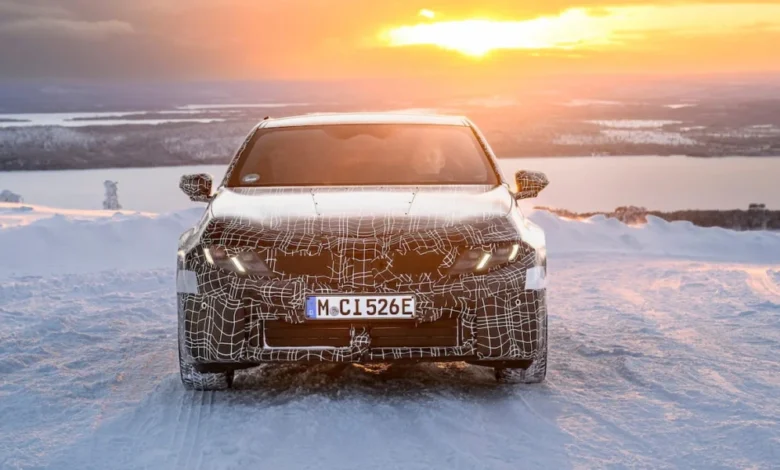
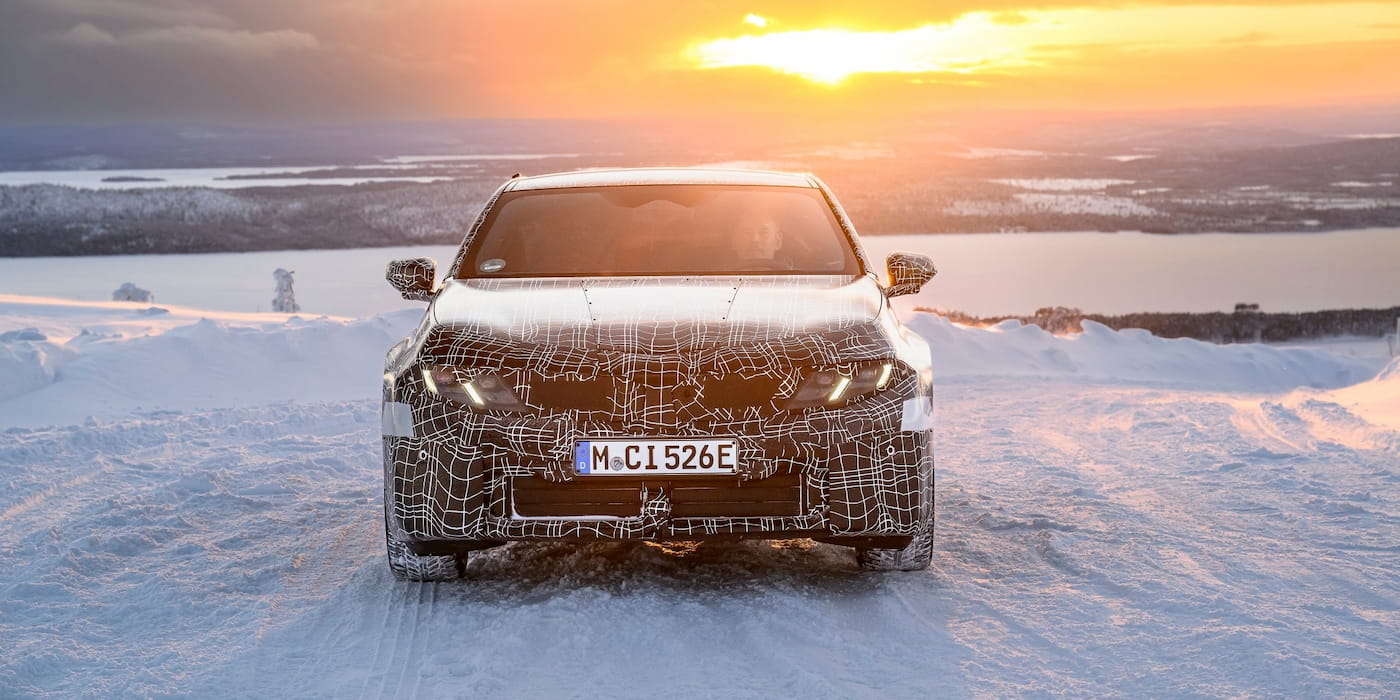
Following the highly anticipated launch of the sedan variant last month, the automotive world has received its first glimpse of the upcoming BMW i3 Touring, the wagon-bodied sibling in the brand’s transformative Neue Klasse lineup. Captured in high-resolution spy photography while undergoing road testing, the prototype reveals a distinct silhouette that marries BMW’s traditional "Touring" utility with the radical design language of its next-generation electric vehicle (EV) architecture. This sighting marks a critical milestone in BMW’s aggressive electrification strategy, as the company prepares to transition its core models to a dedicated EV platform that promises to redefine the brand’s performance and efficiency benchmarks.
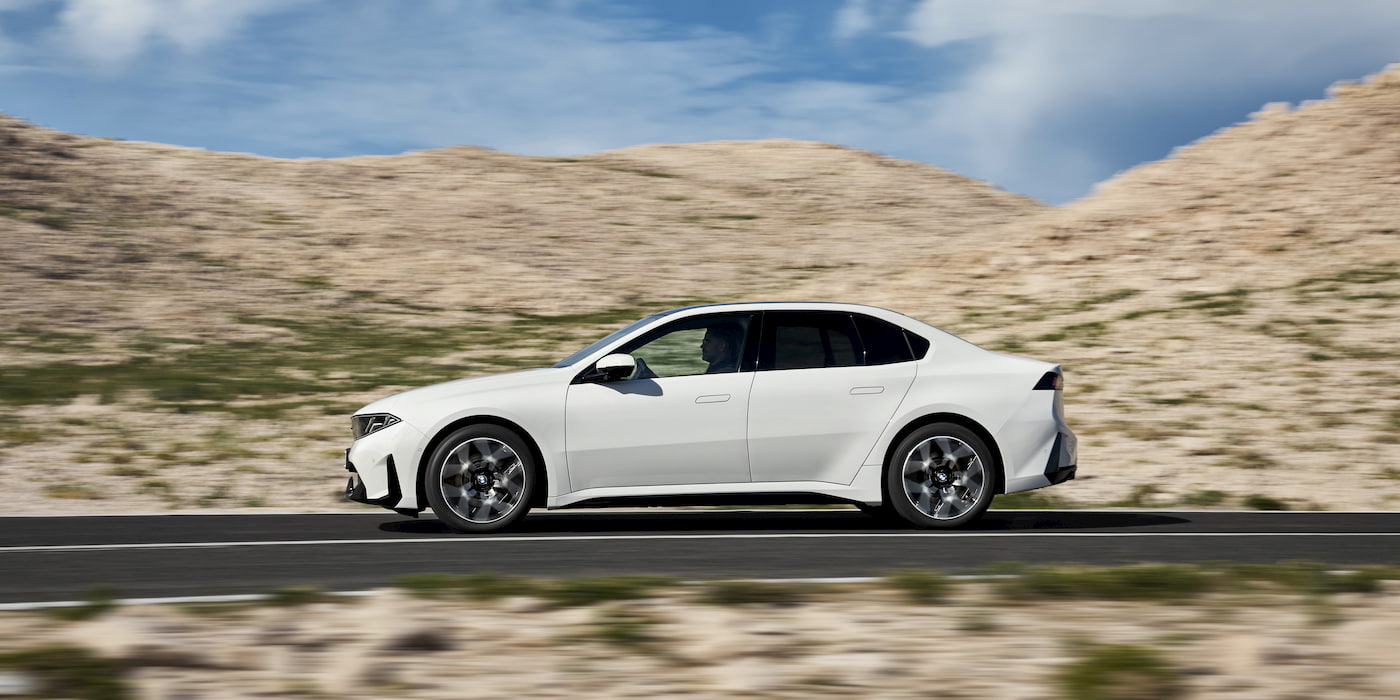
The BMW i3 sedan recently opened for orders in major European markets, positioned as the second model in the Neue Klasse family following the iX3 SUV. In Germany, the flagship i3 50 xDrive First Edition is priced at €75,340 ($86,400), while the standard entry-level model is set at €65,900 ($75,500). In the United Kingdom, the First Edition starts at £57,905 ($76,500) on-the-road (OTR), with the standard version expected to follow this autumn at a starting price of £53,005 ($70,000). The Touring variant, traditionally a staple of BMW’s European sales volume, is expected to command a slight premium over the sedan when it eventually joins the production line in Munich.

Design Philosophy and Aesthetic Evolution
The spy photos of the i3 Touring confirm that BMW is adhering closely to the "long-roof" aesthetic that has defined its Touring models for decades, albeit with a futuristic twist. Despite the heavy camouflage, the vehicle’s elongated rear end and sloping roofline are clearly visible, suggesting a profile that balances aerodynamic efficiency with increased cargo capacity. Industry analysts have noted that the i3 Touring’s silhouette shares some visual DNA with the Kia EV4 hatchback and fastback models, emphasizing a "crossover-adjacent" wagon look that prioritizes a low center of gravity and a sleek, tapered rear.
The front fascia is expected to remain identical to the i3 sedan, featuring BMW’s redesigned "kidney" grille, which now serves as a digital housing for sensors and lighting elements rather than an intake for cooling. The "twin-headlight" signature, a hallmark of BMW design, has been reimagined as vertical LED slashes, giving the vehicle a wider, more aggressive stance. The hood features the new recessed BMW emblem, a minimalist touch that reflects the brand’s shift toward a cleaner, more sustainable corporate identity.
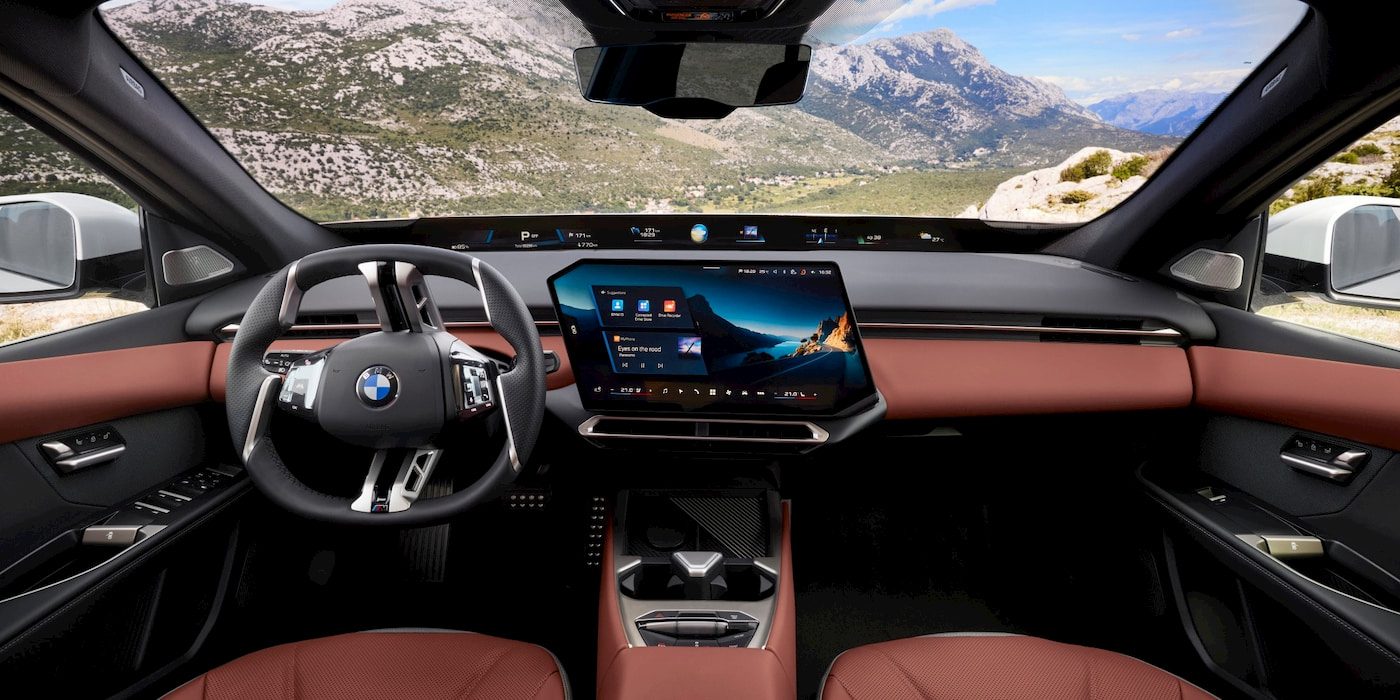
Inside the cabin, the i3 Touring will mirror the revolutionary interior architecture of the Neue Klasse sedan. This includes a 17.9-inch floating central infotainment display and the "BMW Panoramic Vision" system. The latter is a 43-inch display that spans the entire width of the base of the windshield, projecting critical driving information, navigation data, and entertainment directly into the driver’s line of sight. This head-up display technology is intended to replace traditional instrument clusters, creating an airy, uncluttered environment that emphasizes the increased interior space afforded by the dedicated EV platform.
The Neue Klasse Platform: A Technical Deep Dive
The significance of the i3 Touring extends beyond its body style; it represents the pinnacle of BMW’s sixth-generation eDrive technology (Gen6). Unlike previous BMW electric vehicles, which were often built on flexible platforms shared with internal combustion engines (ICE), the Neue Klasse is a "digital-first" architecture designed exclusively for electric drivetrains.
At the heart of the i3 50 xDrive—and by extension, the Touring variant—is a massive 108.7 kWh battery pack. This battery utilizes new cylindrical cells rather than the prismatic cells found in BMW’s current Gen5 systems. These new cells offer a 20% increase in energy density and a 30% improvement in charging speed. On the European WLTP (Worldwide Harmonized Light Vehicles Test Procedure) cycle, the i3 sedan has achieved a staggering range of up to 566 miles (912 km). While the Touring variant’s increased weight and less aerodynamic rear profile may result in a slight range penalty, it is still expected to remain one of the longest-range electric wagons on the market.
For the North American market, the i3 is expected to receive an EPA-estimated range of approximately 440 miles. Furthermore, the vehicle’s 800-volt electrical architecture allows for ultra-fast DC charging. At peak speeds of up to 400 kW, the i3 can regain nearly 250 miles (400 km) of range in just 10 minutes. In a significant move for regional compatibility, BMW has confirmed that the 2027 BMW i3 will feature a native North American Charging Standard (NACS) port for the U.S. and Canadian markets, allowing seamless access to the Tesla Supercharger network.
Chronology of the Neue Klasse Development
The journey toward the i3 Touring began several years ago as BMW recognized the need to compete with pure-play EV manufacturers like Tesla and emerging Chinese rivals.
- September 2023: BMW unveils the Vision Neue Klasse concept at the IAA Mobility show in Munich, signaling a radical departure from current design trends.
- March 2024: The Vision Neue Klasse X is revealed, previewing the next-generation iX3 SUV and the brand’s focus on high-riding electric vehicles.
- June 2026: Official orders open for the BMW i3 sedan in Europe, with production slated for the flagship Munich plant.
- July 2026: The first spy photos of the i3 Touring emerge, confirming that the wagon variant is deep in the testing phase.
- Late 2026: Production of the i3 sedan is scheduled to begin, with first deliveries expected in the autumn.
- 2027: The i3 Touring is expected to officially debut and enter production, likely followed by high-performance "M" variants of the Neue Klasse platform.
Market Implications and Competitive Landscape
The introduction of an electric wagon is a strategic move for BMW, particularly in Europe where the Touring body style often outsells sedans in the premium segment. By offering the i3 Touring, BMW is positioning itself against a growing but still limited field of competitors. Key rivals include the Audi A6 e-tron Avant and the Volkswagen ID.7 Tourer. While Mercedes-Benz has historically been a strong player in the wagon market, the Stuttgart-based automaker has recently signaled a potential retreat from the body style in favor of SUVs, leaving a lucrative opening for BMW.
Industry analysts suggest that the i3 Touring will appeal to a demographic of "EV traditionalists"—buyers who want the utility of an SUV without the high center of gravity or the perceived social stigma of a large footprint. The Touring’s lower profile offers better driving dynamics, a core tenet of the BMW brand, while the 800V architecture addresses the primary concern of long-distance travelers: charging time.
"The Neue Klasse is not just a car; it is a reset for the entire BMW brand," noted one industry consultant following the sedan’s launch. "By bringing the Touring model into this new era, BMW is ensuring that its most loyal customers have a clear path to electrification without sacrificing the versatility they expect from the brand."
Manufacturing and Sustainability Goals
The production of the i3 and i3 Touring is centered at BMW’s home plant in Munich, which has undergone a massive €650 million ($700 million) transformation to become a dedicated EV facility. This move is part of the "BMW iFactory" strategy, which emphasizes lean, green, and digital manufacturing processes.
BMW has committed to reducing the carbon footprint of its battery production by 60% compared to previous generations. This is achieved through the use of secondary materials (recycled lithium, cobalt, and nickel) and by sourcing energy from renewable assets for the manufacturing process. The Munich plant itself is being optimized to run entirely on CO2-free energy, a goal that aligns with BMW’s broader target of reaching carbon neutrality across its entire value chain by 2050.

Conclusion and Future Outlook
The appearance of the BMW i3 Touring prototype confirms that BMW is on track to deliver one of the most comprehensive electric vehicle lineups in the premium sector. With its class-leading range, ultra-fast charging capabilities, and a digital interior that pushes the boundaries of user experience, the i3 series represents a formidable challenge to the current EV status quo.
As production for the sedan begins this summer in Munich, the automotive world remains watchful for the official unveiling of the Touring variant. Given BMW’s history of rapid development cycles for its core models, a global debut for the wagon could occur as early as late 2026 or early 2027. For enthusiasts of the "ultimate driving machine," the i3 Touring promises to prove that the transition to electric power does not mean the end of the practical, high-performance wagon.
With the 2027 model year approaching, the i3 Touring stands as a symbol of BMW’s resilience and adaptability. By blending the heritage of the "Touring" nameplate with the cutting-edge tech of the Neue Klasse, BMW is not just launching a new car; it is defining the next chapter of automotive history. Further details regarding exact cargo dimensions, towing capacity, and regional pricing for the Touring variant are expected to be released following the completion of final cold-weather and high-speed testing cycles later this year.