Honda Super-N Redefines Urban Utility Through Innovative Packaging and Performance-Oriented Design

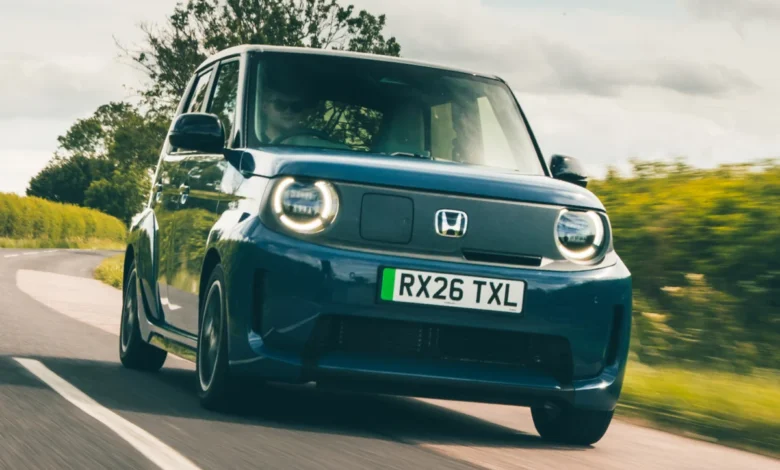
The Honda Super-N represents a significant evolution in the Japanese "kei" car segment, a category historically defined by strict dimensional constraints and utilitarian design. Despite its diminutive footprint, the Super-N challenges the traditional limitations of the class by integrating advanced packaging solutions and a driver-focused interior that belies its budget-conscious origins. As the automotive industry shifts toward electrification and urban-centric mobility, the Super-N serves as a case study in how manufacturers can maximize interior volume without expanding a vehicle’s external dimensions. The cabin, while inherently narrow due to regulatory requirements, utilizes an expansive glasshouse to mitigate any sense of claustrophobia, creating an airy environment that rivals much larger vehicles in perceived space.
Engineering the Interior: A Masterclass in Packaging
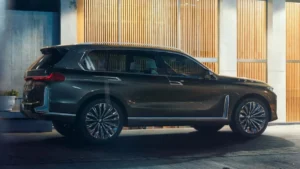
The architectural philosophy of the Super-N centers on Honda’s long-standing "Man Maximum, Machine Minimum" principle. By positioning the seating in a relatively high and upright configuration, engineers have managed to optimize the longitudinal space within the cabin. This upright posture is not merely a compromise for the sake of visibility; it is a strategic choice that facilitates a surprising amount of legroom for second-row passengers. Comparative data indicates that the rear legroom in the Super-N is roughly equivalent to that of the BMW iX3, a premium compact executive SUV. This achievement is particularly noteworthy given that the iX3 occupies a significantly larger physical footprint.
However, the pursuit of legroom does necessitate certain trade-offs. To accommodate the vehicle’s mechanical components and battery systems—if configured as an electric vehicle—the floor remains relatively high. This elevation, combined with the vehicle’s capped height, results in somewhat limited headroom for taller occupants. Nevertheless, for a vehicle designed primarily for urban navigation and short-to-medium commutes, the spatial efficiency remains a benchmark for the segment.
Versatility Through the Magic Seat System
While competitors like the Renault Twingo or the Hyundai Inster utilize sliding rear benches to balance passenger space and cargo capacity, Honda has opted for its proprietary "Magic Seat" system. This configuration, previously popularized in the Honda Jazz (Fit) and the HR-V, offers a level of modularity rarely seen in the micro-car category. The seat bases can be flipped upward, creating a tall, transverse pass-through space behind the front seats. This unique layout allows for the transport of tall items, such as a bicycle or large potted plants, which would otherwise be impossible to fit in a standard hatchback.
Furthermore, the rear backrests are designed to fold completely flat, aligning with the boot floor to transform the Super-N from a four-passenger commuter into a functional micro-van. With the rear seats in their upright position, the boot offers 162 liters of storage. While this figure is modest by global standards, it remains competitive within the kei car class, providing sufficient space for daily grocery runs or small luggage. The transition between passenger and cargo modes is seamless, emphasizing the vehicle’s dual-purpose nature.
Driver-Centric Ergonomics and Material Selection
The Super-N’s cockpit reflects a strategic balance between cost-effective manufacturing and premium tactile touchpoints. As a vehicle positioned at an accessible price point, the dashboard and door panels prominently feature hard plastic surfaces. However, Honda has mitigated the "budget" feel through the inclusion of high-quality interface points. The steering wheel, for instance, is upholstered in a convincing imitation leather that provides a firm, ergonomic grip.
The most significant departure from the standard N-One base model is found in the seating. The Super-N features bespoke sports bucket seats with aggressive side bolstering designed to hold occupants firmly during spirited driving. Despite the performance-oriented shape, the padding remains soft enough for daily comfort. The seats are mounted at an angle that provides consistent thigh support, addressing a common complaint in smaller vehicles. While the seats lack extensive lumbar adjustment and have a limited range of longitudinal travel, they represent a significant upgrade over the flat, bench-like seating typically found in urban commuters. The aesthetic appeal is further enhanced by a sophisticated color palette, combining white faux leather, black microsuede, and blue fabric accents to create a "racy" atmosphere.
Digital Integration and User Interface
In terms of technology, the Super-N adopts a pragmatic approach. The driver is greeted by a 7-inch digital instrument cluster that prioritizes clarity over complexity. The graphics are understated, offering several customizable layouts to display essential driving data. However, industry analysts have noted that the interface for switching between these layouts can be somewhat cumbersome, requiring multiple steps through steering-wheel-mounted controls.
The central infotainment system utilizes Honda’s standard software suite. While the interface is functional, it lacks some of the modern flourishes found in high-end luxury vehicles. Notably, the system does not include built-in satellite navigation. Honda’s strategy appears to rely heavily on smartphone integration; the Super-N supports wireless Apple CarPlay and Android Auto, allowing users to bypass the native software in favor of familiar mobile apps.
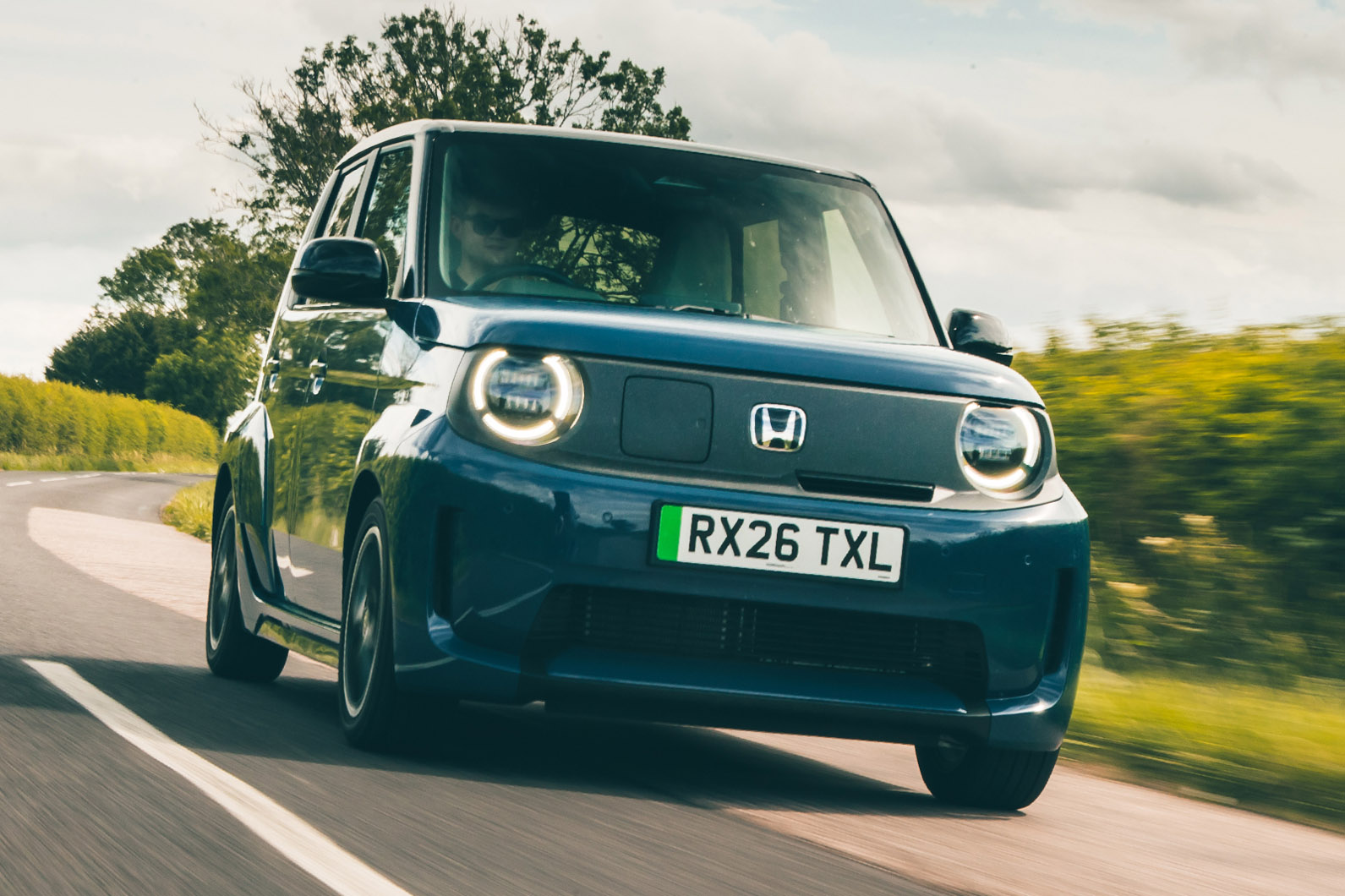
For the electric variants of the Super-N, there are notable omissions in the software suite that have drawn critique from early adopters. Currently, the system lacks dedicated EV route planning and, perhaps more critically, does not offer a way to set charging limits or schedule charging sessions via the onboard interface. In a market where energy management is increasingly important for EV owners, these software limitations represent an area for future improvement.
Storage and Functional Design
The dashboard features a funky, three-tier design that emphasizes utility. The middle tier provides a shallow shelf for small items, while a dedicated cupholder is conveniently located to the right of the steering wheel. Below the dashboard, a relatively large glovebox and floor-level storage bins provide additional space for personal effects.
One minor criticism regarding the interior storage is the reliance on hard plastic for the bins and shelves. Without rubberized mats or dividers, items such as smartphones or keys tend to slide and rattle during cornering. This is a common characteristic of vehicles in this class, but one that could be easily rectified with aftermarket accessories or future mid-cycle refreshes.
Chronology of the Honda N-Series
To understand the significance of the Super-N, it is essential to look at the timeline of Honda’s "N" (Norimono, or "vehicle") series:
- 1967: Honda launches the N360, its first mass-produced kei car, which set the tone for space-efficient design.
- 2011: The modern N-Series is revived with the launch of the N-BOX, which quickly became one of Japan’s best-selling vehicles.
- 2012: The N-ONE is introduced, featuring retro styling inspired by the original N360.
- 2020: The second-generation N-ONE debuts, focusing on improved safety tech and the introduction of a manual transmission in the RS trim.
- 2023-2024: Honda announces the expansion of the N-Series into the electric vehicle sector, leading to the development of the Super-N concept and the N-Van e:.
The Super-N is the culmination of this lineage, blending the retro-modern aesthetic of the N-ONE with the performance-oriented "RS" DNA and the forward-looking technology of Honda’s emerging EV platform.
Market Context and Industry Implications
The Super-N arrives at a pivotal moment for the Japanese automotive industry. Kei cars account for approximately 40% of the domestic market in Japan, making them essential for the country’s goal of achieving carbon neutrality by 2050. The transition of this segment to electric power is fraught with challenges, primarily regarding the cost of batteries and the limited space for energy storage.
By focusing on high-quality interior packaging and physical controls—such as chunky buttons for climate control and heated seats—Honda is appealing to a demographic that values tactile functionality over the "screen-only" approach favored by some modern EV manufacturers. The decision to retain physical switchgear for volume, mirrors, and drive modes is a direct response to consumer feedback regarding the distractions of touch-sensitive interfaces.
Expert Analysis: The Path Forward
The Super-N serves as a bridge between the analog past and the digital future. Its success depends on its ability to offer a "premium-small" experience. While the lack of advanced EV charging software is a hurdle, the vehicle’s mechanical packaging remains world-class.
Industry analysts suggest that if Honda can refine the digital ecosystem of the Super-N, it could become a template for urban EVs globally. The "Magic Seat" system and the use of high-quality materials in key contact areas provide a level of character and utility that is often missing in the commoditized small-car market. As urban centers become more congested, the Super-N’s ability to offer BMW-level legroom in a package half the size of a standard SUV may prove to be its most compelling selling point.
In conclusion, the Honda Super-N is more than just a "cheap" car; it is a sophisticated exercise in spatial geometry. By prioritizing the driver’s environment and maintaining the legendary versatility of the Magic Seat system, Honda has created a vehicle that feels substantial and purposeful. It stands as a testament to the idea that small dimensions do not necessarily require small ambitions.