Methane is a colorless, odorless, and highly potent greenhouse gas that currently serves as the second most significant driver of human-induced climate change, trailing only carbon dioxide in its overall warming impact. While often overshadowed by the global discourse surrounding CO2 emissions, methane possesses a radiative forcing capacity that is significantly more intense, making its management a critical lever in the immediate effort to stabilize global temperatures. As primary components of natural gas—which generates roughly one-quarter of the world’s electricity—methane emissions are intricately woven into the fabric of the modern global energy system, agricultural production, and waste management practices.
Understanding the mechanics of this hydrocarbon, which consists of four hydrogen atoms bonded to a single carbon atom, requires a dual perspective: the biological and the geological. Biologically, methane is produced through methanogenesis, a process wherein archaea—microorganisms thriving in oxygen-deprived environments—break down organic matter. This occurs naturally in wetlands, digestive tracts of ruminants, and decomposing biomass. Geologically, methane is the byproduct of heat and pressure acting upon organic deposits over millions of years, forming the natural gas reserves that have powered industrial development since the mid-19th century.
A Chronology of Rising Concerns

The trajectory of atmospheric methane has accelerated sharply since the onset of the Industrial Revolution. Before 1750, atmospheric concentrations hovered around 700 parts per billion (ppb). By 2023, that number had surged to over 1,900 ppb, representing a 265 percent increase. This rise is not uniform; it has been punctuated by periods of relative stability followed by sudden spikes.
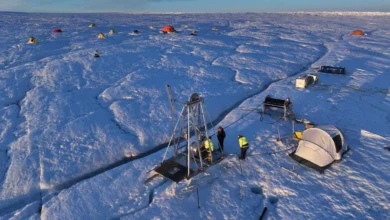
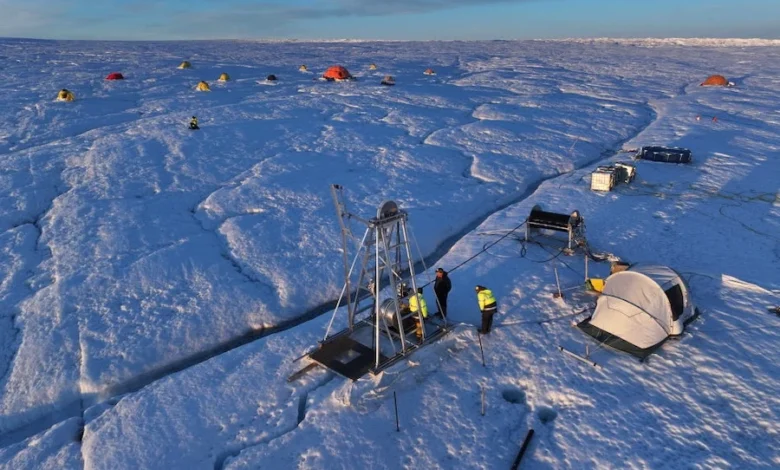
The 1980s and 1990s saw a slowing growth rate in atmospheric methane, leading some scientists to believe the threat might be stabilizing. However, this trend reversed abruptly around 2007. Since 2014, the growth rate has increased with alarming frequency. Research indicates that this recent surge is driven by a combination of factors: the expansion of shale gas extraction through hydraulic fracturing (fracking), an increase in livestock production, and, more concerningly, a positive feedback loop from thawing Arctic permafrost and shifting tropical wetland precipitation patterns.
Measuring the Invisible: Bottom-Up vs. Top-Down
The difficulty in controlling methane stems from the challenge of quantification. Historically, "bottom-up" inventories were the standard. These rely on calculating emissions based on activity data—for example, multiplying the number of cattle by an average methane emission factor per head, or multiplying the number of wellheads by an estimated leak rate.

However, these inventories have consistently underestimated the true scope of the problem. "Top-down" methods, utilizing satellite imagery, high-altitude aircraft, and ground-based sensors, have revealed a stark reality: "super-emitters." These are individual facilities or events—such as a catastrophic pipeline leak or a landfill fire—that account for a disproportionate share of total emissions. Studies have shown that the largest 5 percent of leaks are responsible for more than 50 percent of total gas-industry leakage volume. When these high-magnitude events are factored in, real-world emissions have been measured at 60 percent higher than those reported in official EPA inventories.
The Climate Multiplier: Why Methane Matters Now
Methane’s atmospheric lifespan is relatively brief—approximately 12 years—compared to the centuries that carbon dioxide remains in the atmosphere. While this may seem like an advantage, it is precisely what makes methane a high-priority target for immediate climate action. Over a 20-year horizon, methane is 86 times more effective at trapping heat than CO2. Over a 100-year horizon, that potency factor is reduced to 28, but the short-term impact is critical for avoiding "tipping points."
If global temperatures exceed the 1.5 degrees Celsius threshold set by the Paris Agreement, irreversible damage to the cryosphere and biosphere is projected to occur. According to the Intergovernmental Panel on Climate Change (IPCC), cutting methane emissions by 34 percent by 2030 is essential to keeping the 1.5-degree goal within reach. Because of its short lifespan, a reduction in methane leads to a rapid cooling effect, offering a "down payment" on climate stability while decarbonization of the broader energy system continues.

Sources of Emissions: A Tripartite Problem
Human-caused methane emissions account for approximately 60 percent of the total, with the remainder coming from natural sources. The human-driven portion is dominated by three sectors:
- Agriculture: Responsible for roughly 40 percent of anthropogenic emissions. Livestock enteric fermentation (ruminant digestion) and manure management are the primary culprits. Additionally, rice cultivation in flooded paddies creates ideal conditions for methanogenic bacteria.
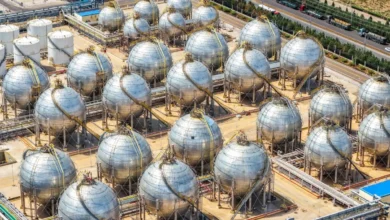
- Fossil Fuels: Comprising 35 percent of human-caused emissions. This includes venting (the intentional release of gas during drilling) and fugitive emissions (leaks) from oil, gas, and coal mining infrastructure.
- Waste: Landfills and wastewater treatment facilities account for about 20 percent of emissions. As urban populations grow in developing economies, this sector is projected to see the fastest growth in emissions through 2030.
The "Bridge Fuel" Fallacy
For years, natural gas was marketed as a "bridge fuel," a cleaner alternative to coal that would facilitate the transition to renewables. While burning gas produces less CO2 per kilowatt-hour than coal, this argument is increasingly viewed as flawed when methane leakage is considered. Data from recent years suggests that if methane leakage rates exceed 3 percent, the climate benefit of switching from coal to gas is entirely negated. When accounting for 20-year warming potential, some LNG operations are now calculated to be 33 percent more climate-damaging than coal. The ongoing build-out of LNG export infrastructure threatens to "lock in" fossil fuel dependency for decades, effectively canceling out emissions reductions achieved in other sectors.

Public Health and Secondary Impacts
Methane does not merely impact the climate through heat retention; it also acts as a precursor to ground-level ozone, a potent respiratory irritant. Ozone is formed through chemical reactions between methane, nitrogen oxides, and sunlight. Ground-level ozone is linked to roughly 500,000 premature deaths annually due to respiratory and cardiovascular disease. Furthermore, ozone damage to crops—including wheat, soy, and maize—results in significant annual economic losses. Consequently, methane mitigation is as much a public health initiative as it is an environmental policy.
Strategies for Mitigation: Technology and Policy
The path forward involves a combination of regulatory frameworks and technological innovation. In the agricultural sector, dietary additives for cattle, such as specific seaweed strains (Asparagopsis), have shown the potential to reduce methane emissions from livestock by up to 80 percent. Improved manure management through anaerobic digesters can capture methane to generate biogas, though this requires stringent oversight to prevent secondary leaks.

For the energy sector, the International Energy Agency (IEA) has stated that 70 percent of methane emissions could be mitigated using existing technology. Mandating leak detection and repair (LDAR) programs, banning routine venting and flaring, and capping abandoned wells represent the "low-hanging fruit" of climate policy.
Global Responses and the Implementation Gap
The Global Methane Pledge, launched at COP26 in 2021, represents the most significant international effort to date, with 159 nations committing to a 30 percent reduction by 2030. Despite this, progress remains stagnant. Emissions in 2023 set a new record, and only 13 percent of global methane emissions are currently covered by comprehensive regulatory policies.
The gap between pledges and implementation is profound. Governments and corporations continue to expand fossil fuel infrastructure, often prioritizing short-term economic output over long-term climate targets. Climate experts, including Bill McKibben and various NGO coalitions, have emphasized that without aggressive, legally binding enforcement, the "methane bomb" of current and proposed gas projects will overwhelm any progress made through individual behavioral changes.

Conclusion: A Call for Urgent Action
Addressing methane is a race against time. Because of its potent, short-lived nature, the decisions made in the next five years will dictate the temperature trajectory for the next half-century. While individual efforts—such as reducing meat consumption, minimizing food waste, and transitioning home heating to electric heat pumps—are valuable, they are insufficient without systemic reform. The focus must shift to structural changes: ending the expansion of LNG infrastructure, implementing rigorous, satellite-monitored oversight of fossil fuel operations, and incentivizing sustainable agricultural practices. Methane represents a critical inflection point; by curbing its release, humanity can secure the time necessary to achieve the deeper, long-term transition away from fossil fuels required to avert the worst impacts of the climate crisis.