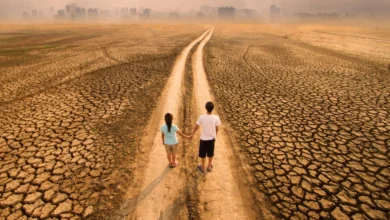
Russia, Saudi Arabia and COP31 co-president Australia are the largest exporters of carbon dioxide emissions in history.


The global conversation surrounding climate responsibility has long been dominated by the metric of "territorial emissions"—the volume of greenhouse gases produced within a nation’s physical borders. However, new data from senior researcher Robbie Andrew at the Norwegian climate institute CICERO, published by Carbon Brief, shifts this narrative by applying an extraction-based accounting model. By attributing historical responsibility to the countries that pulled fossil fuels from the earth—rather than solely the countries where they were eventually burned—a different hierarchy of climate culpability emerges.
Since 1850, the dawn of the industrial era, the global economy has been fueled by the extraction and combustion of coal, oil, and gas. Under this new analytical lens, the world’s major fossil-fuel exporters, including Russia, Saudi Arabia, and Australia, take center stage. When factoring in the emissions generated by the fuels these nations have shipped abroad for consumption, their historical responsibility for global warming increases significantly, challenging the traditional focus on manufacturing-heavy nations or high-consumption economies.

The Evolution of Climate Responsibility
To understand the scale of this shift, one must consider the primary methods for calculating historical responsibility. Traditionally, analysts have looked at territorial emissions—where a chimney stack actually releases CO2. Others have favored consumption-based accounting, which tracks the carbon footprint of imported goods, effectively holding the end-user responsible.
The extraction-based approach, however, highlights the supply side of the fossil fuel crisis. It posits that the act of bringing carbon-intensive fuels into the global market is a prerequisite for the subsequent warming. As humanity faces a record-breaking period of climatic volatility—with 2026 expected to tie 2024 as the warmest year on record and projections suggesting a 1.7C increase in global temperatures next year—the question of who "owns" these emissions has become more than an academic exercise. It is central to the geopolitical negotiations taking place at the ongoing COP31 summit in Antalya, Turkey.
Historical Chronology of Extraction
The timeline of global industrialization is inextricably linked to the geography of natural resources. In the late 19th and early 20th centuries, coal was the primary driver of development. As the mid-20th century progressed, oil and gas became the lifeblood of global transport, heating, and petrochemicals.
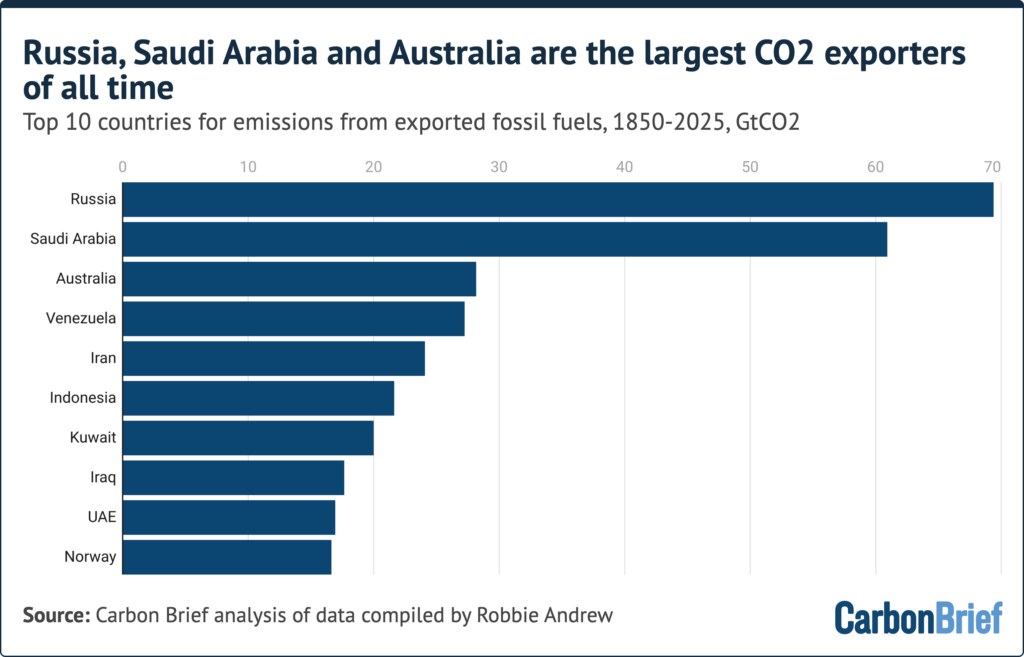
Throughout this 175-year period, specific nations built their sovereign wealth and national infrastructure on the export of these commodities. Russia’s vast reserves of oil and gas, Saudi Arabia’s dominance in the petroleum market, and Australia’s massive coal exports have allowed these nations to play an outsized role in the global carbon budget.
According to the analysis, when we adjust for exports:
- Saudi Arabia’s historical contribution to global warming is effectively quadrupled compared to its territorial emissions alone.
- Australia’s contribution more than doubles, placing it firmly in the upper echelon of global emitters, a fact that has drawn sharp criticism from environmental advocates ahead of its co-presidency at COP31.
- Russia maintains its position as one of the top three global contributors, with its responsibility compounded by the sheer volume of fossil fuels it has supplied to international markets since the tsarist and Soviet eras.
The Paradox of Import-Dependent Economies
Conversely, the extraction-based model reveals a surprising reduction in the perceived historical culpability of nations that are heavily reliant on energy imports. Japan, for example, is often cited as a significant emitter due to its industrial output and population density. However, when the accounting is switched to an extraction basis, Japan drops from being one of the world’s largest emitters to the 34th position.
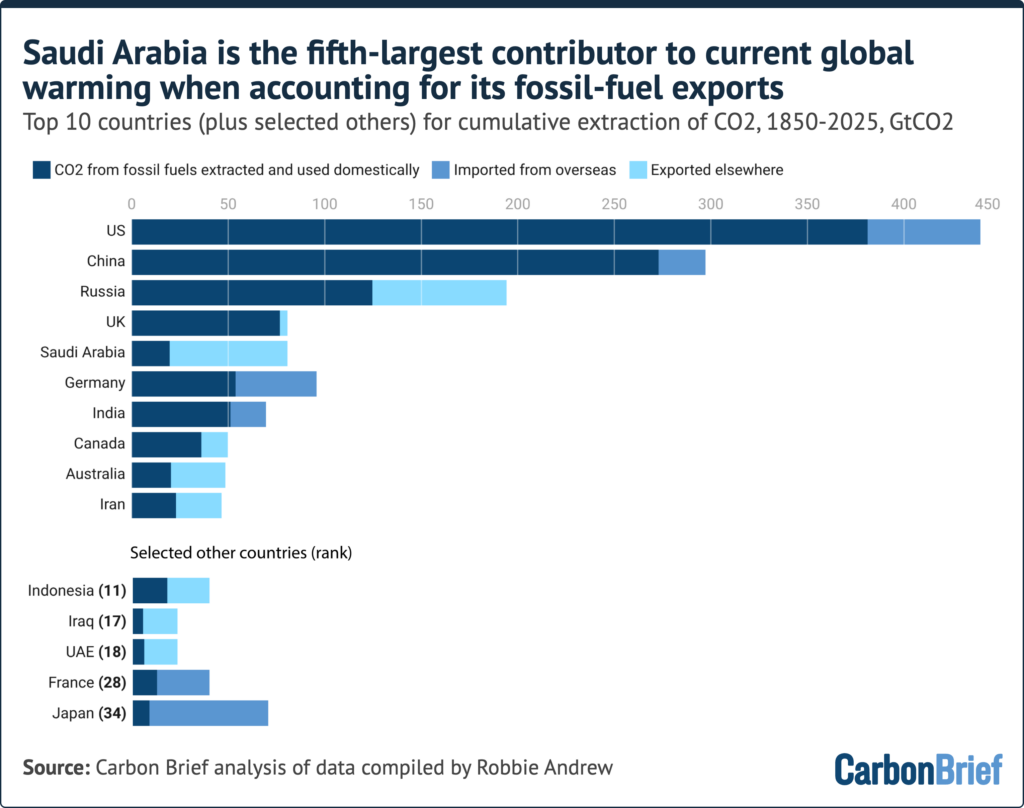
Similarly, Germany and France, which have historically imported the vast majority of their fossil energy, see their ranking in the "historical responsibility" table decline. This suggests that the current global carbon accounting system, which favors territorial reporting, may be inadvertently shielding exporters while placing the burden of mitigation entirely on the shoulders of importers.
The Complexity of Shared Responsibility
Despite the focus on exporters, the data serves as a reminder that no single nation bears the burden alone. The United States and China, despite being massive net importers of certain fossil fuels during various phases of their development, remain the largest contributors to historical warming. The United States, which was a primary fossil fuel exporter for much of the early 20th century, saw its profile shift significantly during the shale gas revolution of the early 2000s.
Robbie Andrew, the researcher behind the dataset, emphasizes that the extraction-based model is not a definitive "blame game" but rather a tool for understanding the supply chain of global warming. "At the end of the day," Andrew notes, "it is not solely the responsibility of extracting countries that fuels are combusted; it is a joint responsibility between extractors, producers, and consumers."
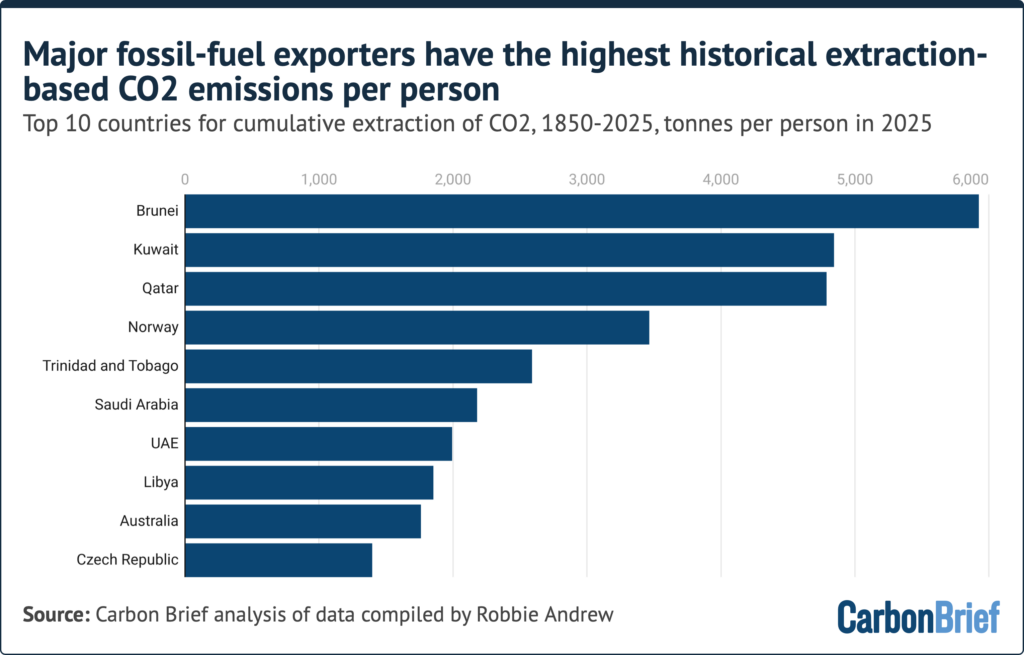
He further highlights that the development of these industries was often a collaborative effort. Much of the infrastructure for oil extraction in the Middle East, for instance, was developed by and for Western powers during the 20th century. This historical nuance is essential for COP31 negotiators, who must grapple with the fact that today’s climate crisis is the result of a global industrial system that functioned in tandem.
Implications for COP31 and Beyond
The timing of this analysis is critical as nations gather for COP31. Australia’s position as a co-president, coupled with its status as a major fossil-fuel exporter, has placed the nation in an uncomfortable spotlight. Critics argue that a country actively expanding its fossil fuel production capacity cannot credibly lead global climate negotiations.
The implications of this study are profound for the "Loss and Damage" funds and climate finance pledges being discussed at the summit. If historical responsibility is reassessed to include extraction, it could shift the expectations regarding who should pay for the climate adaptation costs of the Global South.

Furthermore, the data underscores a harsh reality: even as renewable energy adoption accelerates, the "carbon debt" accumulated by exporting nations continues to manifest in the form of extreme weather, rising sea levels, and biodiversity loss. The political pressure on these nations to transition their economies away from fossil fuel dependency is mounting, not just from environmental groups, but from the data itself.
A New Framework for Policy
As the world looks toward 2030 and the fulfillment of the Paris Agreement targets, the use of extraction-based accounting may become increasingly prevalent. Policymakers are beginning to recognize that managing demand alone—through carbon taxes or efficiency standards—is insufficient if the supply side remains unchecked.
The dataset, which covers 1850 to 2025 and uses current national borders for allocation, provides a transparent, if sobering, roadmap of how humanity arrived at this climate precipice. By accounting for the billions of tonnes of CO2 that were extracted, exported, and ultimately burned in foreign markets, the global community gains a more complete picture of the climate crisis.

The challenge for the remainder of the COP31 summit, and for the decade to follow, will be to reconcile this shared history with the urgent need for a clean, equitable, and rapid energy transition. Whether this data will lead to new international climate finance frameworks or simply fuel further geopolitical tension remains to be seen. However, one thing is clear: the era of ignoring the role of fossil-fuel exporters in the climate narrative is over. The data is now firmly on the table, and with it, the necessity for a more comprehensive and nuanced approach to global climate accountability.
Related posts: