Middle East Tensions Escalate as US Intelligence Warns of Imminent Iranian Threat and Bitcoin Slips Below $80,000


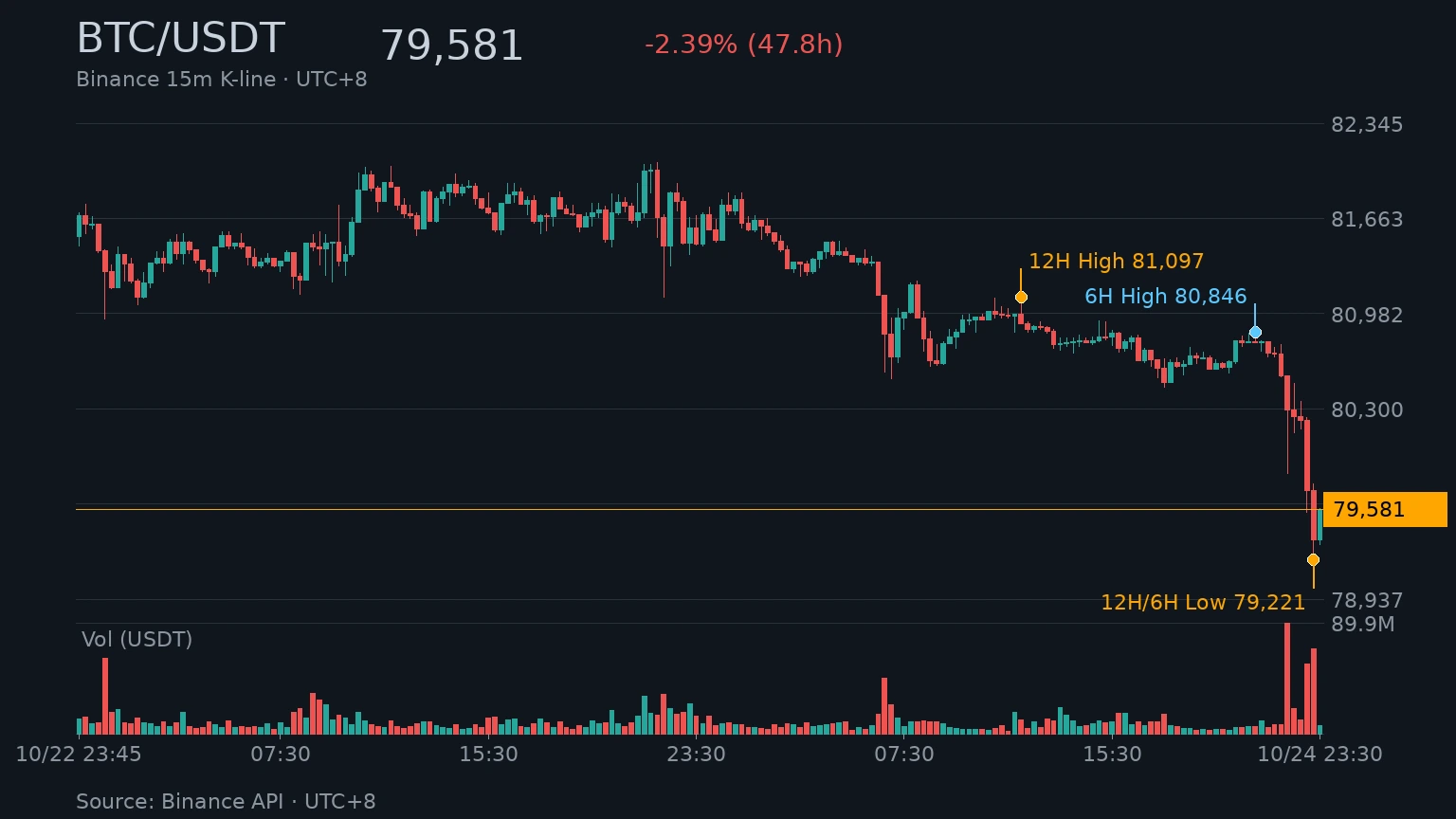
Geopolitical anxieties in the Middle East have intensified sharply, sending immediate shockwaves through global financial markets and the cryptocurrency sector. Recent intelligence assessments from Washington indicate that regional tensions have reached a critical juncture, prompting the United States to implement emergency diplomatic and security protocols. As fears of a broader military confrontation mount, major risk assets have experienced significant downward pressure, with Bitcoin notably breaking below the psychological $80,000 threshold.
The latest market correction reflects a broader flight to safety among institutional and retail investors alike. Over a recent 24-hour trading window, market benchmarks recorded declines exceeding 2.2%, while major alternative assets such as Ethereum, XRP, and Solana suffered deeper losses ranging between 3% and 4%. This synchronized market pullback underscores the delicate sensitivity of digital assets to macroeconomic shocks and unexpected geopolitical escalations.
Intelligence Memos Reveal Heightened Threat Levels
The catalyst behind the latest wave of market instability stems from an increasingly volatile security landscape in the Middle East. According to recent reports citing high-level intelligence briefings, U.S. national security agencies have issued stern warnings regarding active planning by regional actors. Officials familiar with the matter have characterized the current situation using terms such as "active planning," "elevated threat," and "lethal plotting" reaching advanced stages.

These assessments suggest that the threat landscape is no longer limited to routine posturing; rather, intelligence agencies have observed concrete preparations that require immediate defensive posture adjustments. The disclosures have prompted swift action across diplomatic missions and military outposts in the region, reflecting the gravity with which Washington views the current strategic environment.
Evacuation Measures and Strategic Military Posture
Parallel to the intelligence warnings, the United States has initiated targeted evacuations and repositioning of personnel across several Middle Eastern outposts. According to reporting by major financial publications, these measures represent a calculated, systemic defense strategy rather than a routine precautionary step.
In recent weeks, the U.S. military has conducted comprehensive reviews of its operational readiness in the region. These reviews include specific contingency planning designed to safeguard American service members and regional allies against potential asymmetric threats. Defense analysts note that while the primary objective remains deterrence, the scale of the repositioning indicates that command structures are preparing for multiple eventualities, including a worst-case scenario involving prolonged regional instability.
Cryptocurrency Markets Bear the Brunt of Risk Aversion
The resurgence of geopolitical risk has fundamentally altered market sentiment, abruptly ending a period of relative optimism within the digital asset ecosystem. Bitcoin, which had previously demonstrated remarkable resilience and pushed toward record highs near the $85,000 mark, experienced a sharp correction as risk-off sentiment took hold.

Market data indicates that Bitcoin slid from approximately $85,000 down to test support levels near $79,700, representing a single-day drop of over 2%. Broader market metrics reflect a similar trajectory across top-tier altcoins. Trading desks report an uptick in liquidations as leveraged long positions were systematically unwound, forcing traders to reevaluate their risk exposure in real time.
Historical market analysis shows that during periods of acute geopolitical stress, digital assets often experience heightened volatility before establishing a clear direction. While proponents of cryptocurrencies frequently champion the asset class as a decentralized hedge against traditional financial instability, short-term correlation with broader risk assets remains pronounced. The intersection of macro-level geopolitical headlines and algorithmic trading execution has amplified intraday price swings, creating a challenging environment for short-term market participants.
Broader Economic Implications and Institutional Perspectives
Financial institutions have closely monitored the interplay between traditional safe-haven assets and digital currencies as the situation in the Middle East unfolds. Traditionally, capital flows heavily into gold, U.S. treasuries, and the U.S. dollar during times of military conflict. However, the growing institutionalization of Bitcoin has introduced a complex dynamic where digital assets frequently trade in tandem with equities during initial panic phases.
Economic analysts point out that sustained instability in key shipping lanes and energy corridors could introduce secondary inflationary pressures, further complicating monetary policy outlooks for central banks. Energy markets remain particularly vulnerable to disruptions in the region, which could directly impact global supply chains and consumer price indices. Consequently, macroeconomic strategists are advising institutional clients to maintain diversified portfolios with robust hedging strategies to weather potential tail risks.
Chronology of Events and Market Response
To understand the current market downturn, it is essential to examine the sequence of events leading up to the recent price action. Over the preceding weeks, diplomatic channels between international stakeholders and regional governments faced persistent roadblocks. Intelligence agencies began detecting anomalous movements within hostile command structures, prompting emergency security evaluations.
As the timeline progressed into the critical 48-to-72-hour window, market participants began pricing in the probability of a military escalation. This anticipation triggered a cascading effect across trading venues, culminating in the breach of crucial technical support levels. Financial analysts emphasize that market recovery will largely depend on de-escalation signals from diplomatic fronts in the coming days. Until a definitive resolution or ceasefire framework is established, market volatility is expected to remain elevated, with algorithmic trading systems reacting dynamically to real-time news developments.