Peer-Reviewed Study Confirms Pesticide Exposure as Primary Driver of Mass Western Monarch Butterfly Die-Off in California

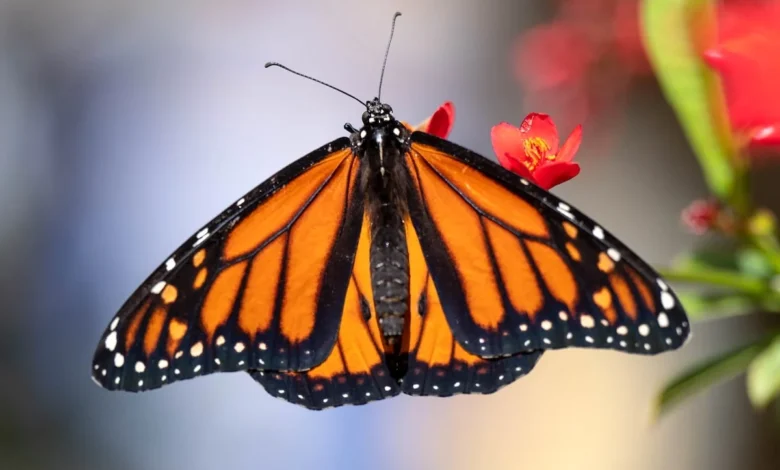
A newly released peer-reviewed study has provided definitive evidence linking a devastating mass mortality event among Western monarch butterflies to a toxic cocktail of commercial pesticides. The research, published in the journal Environmental Toxicology and Chemistry, investigates a specific incident in January 2024 near the Pacific Grove Monarch Sanctuary in California, where hundreds of butterflies were found dead or paralyzed. The findings underscore a growing crisis for the Western monarch (Danaus plexippus), a subspecies whose population has plummeted by approximately 95% since the 1980s and now faces a significant risk of total extinction within the coming decades.
The study, led by specialists from the Xerces Society for Invertebrate Conservation, utilized advanced forensic techniques to determine the cause of the die-off. Researchers discovered that the butterflies were subjected to a lethal combination of insecticides, herbicides, and fungicides, many of which were present at levels sufficient to cause immediate neurotoxic failure. This scientific confirmation comes at a critical juncture for conservationists, who have long warned that the proximity of overwintering sites to agricultural and urban chemical use creates a "deadly trap" for the migratory insects.
The January 2024 Incident: A Forensic Investigation
The catalyst for the study occurred in early 2024 when local observers and researchers at the Pacific Grove Monarch Sanctuary—often referred to as "Butterfly Town, USA"—discovered hundreds of monarchs littering the ground. Unlike the natural attrition typically seen during the winter months, these individuals exhibited clear signs of neurotoxic poisoning, including tremors, inability to fly, and rapid paralysis.
To identify the specific cause of the mortality, the research team collected samples and subjected them to rigorous testing using liquid and gas chromatography paired with mass spectrometry. These methods allow scientists to detect minute chemical residues within organic tissue. The results were startling: the butterflies were contaminated with a total of 15 different pesticides. On average, each individual butterfly carried a residue of seven different chemical compounds.
Staci Cibotti, the study’s lead author and a pesticide risk prevention specialist at the Xerces Society, noted that the presence of multiple insecticides at highly toxic levels left little doubt regarding the cause of death. While an investigation by Monterey County officials was unable to pinpoint the exact geographic source of the application, the high concentrations suggested a recent and potent exposure, likely through direct spray drift or contaminated moisture in the immediate environment.
The "Chemical Cocktail": Identifying the Lethal Agents
The study highlighted the prevalence of synthetic pyrethroids, a class of human-made insecticides designed to mimic natural chemicals found in chrysanthemum flowers but engineered to be far more persistent and toxic. Specifically, three pyrethroids—bifenthrin, cypermethrin, and permethrin—were found at or near their known lethal doses in the majority of the samples.
Bifenthrin and cypermethrin were detected in every single butterfly tested. Permethrin was present in all but two samples. These chemicals work by disrupting the nervous system of insects, causing repeated nerve impulses that eventually lead to paralysis and death. For a migratory species like the monarch, which relies on precise muscle control and thermoregulation to survive the winter, even sub-lethal doses can be catastrophic, preventing them from reaching nectar sources or escaping predators.
Beyond insecticides, the butterflies also carried residues of various herbicides and fungicides. While these chemicals are not always immediately lethal to insects on their own, recent toxicological research suggests that "synergistic effects" can occur. When an insect is exposed to a fungicide and an insecticide simultaneously, the fungicide can inhibit the insect’s ability to detoxify the insecticide, making the poison significantly more potent than it would be in isolation.
Historical Context and Population Trends
The 2024 die-off is not an isolated tragedy but rather a symptom of a decades-long decline. In the 1980s, the Western monarch population was estimated to be in the millions, with clouds of orange and black wings filling the eucalyptus and cypress groves along the California coast. However, the population has experienced a precipitous collapse.
According to data from the Xerces Society’s annual Western Monarch Count, the population reached its second-lowest recorded level in 2024. By early 2025, the overwintering count revealed a staggering reality: only 9,119 individual butterflies were recorded across the entire state of California. This represents a fractional remnant of the historical population.

The International Union for Conservation of Nature (IUCN) currently lists migratory monarch butterflies as endangered. Furthermore, the U.S. Fish and Wildlife Service has produced modeling suggesting that the Western monarch has a 99% probability of reaching "quasi-extinction" by the year 2080 if current trends are not reversed. Quasi-extinction refers to a point where so few individuals remain that the population can no longer recover or perform its ecological role.
Geographical Vulnerability and the Migration Cycle
The Western monarch’s unique life cycle makes it particularly vulnerable to localized pesticide applications. Unlike Eastern monarchs, which migrate to high-altitude forests in central Mexico, Western monarchs spend their winters in small, concentrated groves along the Pacific coast, from Mendocino County down to Baja California.
During this overwintering phase, the butterflies cluster together to conserve heat. This concentration means that a single poorly timed pesticide application in a nearby residential garden, a public park, or a commercial farm can impact a significant percentage of the total population.
Emily May, co-author of the study and agricultural conservation lead at the Xerces Society, emphasized that these butterflies are at the mercy of their surroundings. "Western monarchs are vulnerable to pesticide residue and drift from nearby farms and urban areas," May stated. "Protecting monarchs from pesticides will require both public education and policy change."
The study also drew parallels to a similar event in North Dakota in September 2020. In that instance, hundreds of monarchs were found dead following an aerial mosquito control spray that coincided with their peak migration window. These recurring events highlight a fundamental conflict between modern pest management practices and the survival requirements of migratory pollinators.
Implications for Conservation and Policy
The findings of the Environmental Toxicology and Chemistry study have led to urgent calls for policy reform. The Xerces Society and other conservation groups are advocating for a multi-pronged approach to prevent future mass mortality events. Key recommendations include:
- Pesticide-Free Buffer Zones: Establishing mandatory no-spray zones around known overwintering sites, particularly during the months of November through March.
- Public Education: Informing homeowners and landscaping companies in coastal communities about the risks that common retail pesticides pose to monarchs. Many consumers are unaware that "structural pest control" or "mosquito abatement" treatments can drift into sensitive habitats.
- Enhanced Regulatory Oversight: Requiring public officials to better track and coordinate pesticide applications in regions known to host endangered species.
- Conservation Integration: Ensuring that federal and state recovery plans for the monarch butterfly include specific, enforceable protections against chemical exposure, rather than focusing solely on habitat restoration (planting milkweed).
While habitat loss and climate change remain significant long-term threats, the 2024 study proves that acute pesticide poisoning is a "clear and present danger" that can wipe out years of conservation progress in a single afternoon.
A "Canary in the Coal Mine" for Pollinators
The plight of the monarch butterfly is often viewed by scientists as a "canary in the coal mine" for the broader health of the ecosystem. As a high-profile and relatively well-studied insect, the monarch provides a window into the challenges facing thousands of other less-visible pollinator species, including native bees, moths, and beetles.
If a large, charismatic insect like the monarch—which benefits from significant public sympathy and dedicated conservation funding—is being decimated by routine pesticide use, the implications for more obscure species are likely even more severe. The presence of 15 different chemicals on a single butterfly suggests an environment that is increasingly hostile to invertebrate life.
As the Western monarch population teeters on the edge of extinction, the 2024 Pacific Grove die-off serves as a stark reminder of the environmental costs of chemical dependency in agriculture and urban management. Conservationists argue that without immediate changes to how pesticides are regulated and applied near sensitive habitats, the iconic migration of the Western monarch may soon become a thing of the past, leaving a permanent void in the biological heritage of the American West.