
Report Explosion Injury Us Kadena Air Base Japans Okinawa
Kadena Air Base Explosion Injury: Understanding the Incident and Its Aftermath
On October 13, 2023, a significant explosion occurred at Kadena Air Base, a crucial United States military installation located in Okinawa, Japan. The incident, which involved a fuel truck, resulted in multiple injuries and raised immediate concerns regarding base safety protocols and the potential environmental impact. This article aims to provide a comprehensive and SEO-friendly overview of the Kadena Air Base explosion injury event, covering its immediate cause, the nature of the injuries sustained, the emergency response, ongoing investigations, and the broader implications for both the military community and the surrounding Okinawan population.
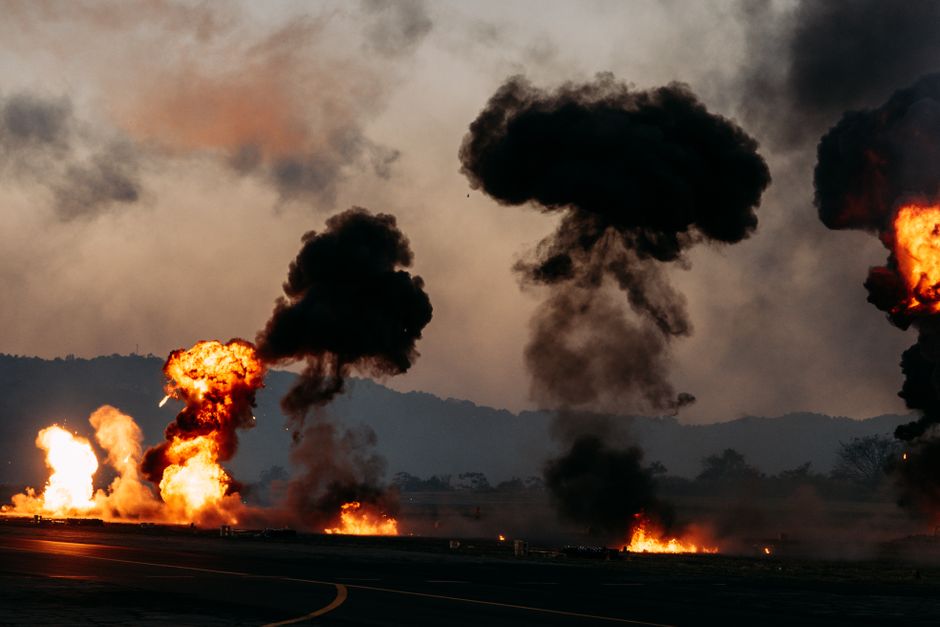
The explosion originated from a fuel truck that was reportedly involved in routine operations at the base. While specific details regarding the exact ignition source remain under thorough investigation, preliminary reports suggest a mechanical failure or an accidental discharge of static electricity could have been contributing factors. Kadena Air Base, being one of the largest and strategically vital U.S. Air Force installations in the Pacific, houses extensive logistical and operational capabilities, including large quantities of aviation fuel and other hazardous materials. The inherent risks associated with handling such substances necessitate stringent safety measures, and this incident has inevitably prompted a re-evaluation of these protocols. The immediate vicinity of the explosion experienced a significant concussive force, contributing to the injuries sustained by personnel in close proximity. The fiery nature of the explosion also introduced the risk of severe burns.
The impact of the explosion was felt by personnel working in the immediate area. Reports indicate that several individuals sustained injuries requiring medical attention. The severity of these injuries varied, with some experiencing minor abrasions and contusions, while others suffered more serious trauma, including burns and potential hearing damage due to the concussive blast. Emergency medical services were immediately deployed on-site to provide initial care. Those with more critical injuries were swiftly transported to Kadena’s on-base medical facilities or, if necessary, to civilian hospitals in Okinawa for advanced treatment. The swift response of the medical teams was crucial in stabilizing the injured and initiating their recovery process. The psychological impact of such an event on those directly involved and the wider base community is also a significant consideration, with support services likely being made available.
The emergency response to the Kadena Air Base explosion was rapid and multifaceted. Firefighting units were immediately dispatched to contain and extinguish the blaze, which was fueled by the volatile contents of the truck. Simultaneously, security forces established perimeters to ensure the safety of personnel and to facilitate the movement of emergency responders. Medical teams, as previously mentioned, were instrumental in providing immediate aid to the injured. The base’s established emergency management plan was activated, coordinating the efforts of various departments, including the fire department, medical personnel, security, and civil engineering units responsible for assessing and mitigating any structural damage or environmental hazards. The collaboration between U.S. military personnel and Japanese emergency services, if applicable, would also be a critical component of the response, highlighting the integrated nature of base operations and community safety in Okinawa.
Investigations into the root cause of the Kadena Air Base explosion are being conducted by both U.S. military authorities and potentially relevant Japanese agencies. These investigations are crucial for determining liability, preventing future occurrences, and enhancing safety protocols. Forensics teams are meticulously examining the wreckage of the fuel truck and the surrounding area to gather evidence. This includes analyzing fuel samples, mechanical components, and any potential ignition sources. The goal is to establish a definitive timeline of events leading up to the explosion. Transparency in these investigations is vital for maintaining public trust and for ensuring that lessons learned are effectively implemented. The findings of these investigations will likely lead to revisions in training procedures, maintenance schedules, and the handling of hazardous materials on Kadena Air Base and potentially other U.S. military installations globally.
The environmental implications of the explosion are a significant concern, given the nature of the materials involved. While the immediate focus was on human safety, the potential for fuel leaks or the release of hazardous byproducts into the soil and water requires thorough assessment. Environmental response teams would have been tasked with monitoring air and water quality in the vicinity of the base and implementing containment and remediation strategies if any contamination was detected. The proximity of Kadena Air Base to residential areas and the sensitive marine environment of Okinawa necessitates a cautious and comprehensive approach to environmental protection. The long-term impact on the local ecosystem and the potential for any residual hazards will need to be closely monitored.
The incident at Kadena Air Base underscores the inherent risks associated with military operations, particularly those involving the storage and transport of volatile substances. The strategic importance of Kadena Air Base in the Indo-Pacific region means that its operational readiness is paramount. However, this readiness must be balanced with an unwavering commitment to safety. The explosion serves as a stark reminder of the need for continuous vigilance in hazard identification, risk assessment, and the implementation of robust safety management systems. Regular drills, comprehensive training programs, and the regular inspection and maintenance of equipment are all critical components of preventing such incidents.
The psychological impact on the Kadena Air Base community, including service members, civilian employees, and their families, cannot be understated. Experiencing such a traumatic event can lead to anxiety, stress, and other mental health challenges. The base’s mental health support services would have been crucial in providing counseling and resources to those affected. Creating an environment where individuals feel safe and supported is essential for maintaining morale and operational effectiveness. Open communication about the incident and the steps being taken to ensure future safety can also contribute to a sense of security within the community.
The Kadena Air Base explosion injury event also has broader implications for U.S.-Japan relations. The presence of U.S. military bases in Okinawa has long been a subject of debate and concern among the local population. Incidents that raise safety or environmental issues can exacerbate these concerns. Demonstrating a commitment to transparency, accountability, and responsible environmental stewardship is crucial for maintaining positive relations between the U.S. military and the Okinawan people. Collaborative efforts in disaster preparedness and emergency response between U.S. forces and Japanese authorities can further strengthen this relationship.
In conclusion, the explosion at Kadena Air Base on October 13, 2023, was a serious incident that resulted in injuries and prompted a comprehensive investigation into its cause and aftermath. The rapid response of emergency services, the ongoing commitment to safety investigations, and the attention to environmental protection are all critical aspects of addressing this event. The incident serves as a significant case study in military base safety, highlighting the need for continuous improvement in protocols, training, and risk management. The long-term implications for the Kadena Air Base community, the U.S.-Japan relationship, and the broader military sector will be shaped by the thoroughness of the investigations and the implementation of lessons learned. Ensuring the well-being of personnel and the surrounding environment remains the paramount objective as the base moves forward from this unfortunate incident. The continuous monitoring of safety standards and the proactive identification and mitigation of potential hazards will be essential in preventing similar occurrences in the future, reinforcing the importance of a culture of safety at all levels of operation. The focus on recovery for the injured and the restoration of full operational capacity, while prioritizing safety, will define the path forward for Kadena Air Base.
