Ryan Reynolds Shares Hilarious Pokémon Method and Real Diet Secrets While Stars Reveal Go-To Snacks

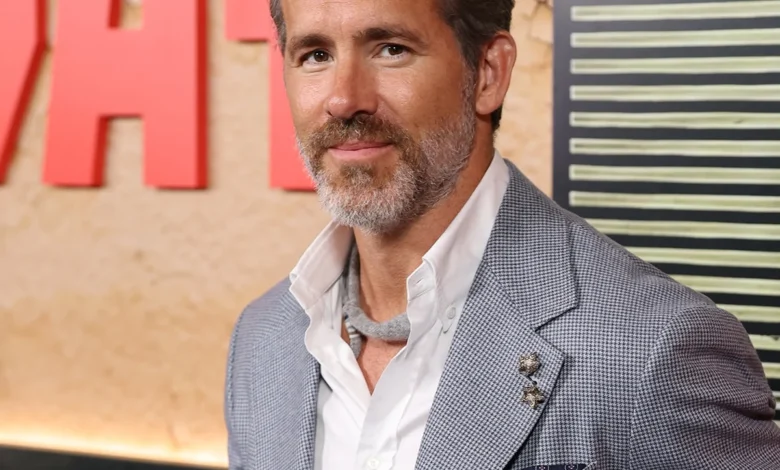
Hollywood actor Ryan Reynolds recently combined his trademark wit with a behind-the-scenes look at the rigorous physical discipline required for major motion picture roles. Known as much for his self-deprecating humor on social media as for his blockbuster cinematic presence, the star recently poked fun at his preparation for the 2019 fantasy mystery film Pokémon Detective Pikachu. Yet, beneath the punchlines lies a disciplined approach to physical health, nutrition, and dietary adaptation that has sustained his career across decades of action-heavy blockbusters.
This deep dive into celebrity wellness routines also opens a broader conversation about how prominent public figures manage their nutrition, balancing intense on-set physical transformations with everyday snacking habits that range from ultra-clean superfoods to comforting childhood treats.
A Method Actor’s Ketchup Diet and the Pokémon Legacy
In a recent social media post shared on November 10, the 50-year-old actor quipped that he "prepped for months" for what he jokingly described as his "most emotional performance to date." Alongside the text, Reynolds posted a lighthearted clip of himself singing the iconic Pokémon theme song from Detective Pikachu, a film in which he voiced the titular,
coffee-loving, electric mouse.
True to his comedic style, Reynolds joked about the extreme lengths he went to in order to embody the character, writing on Instagram that he "sheltered [himself] from the outside world on a diet of ketchup alone"—a playful nod to Pikachu’s well-documented penchant for the tomato-based condiment. "But it was all worth it for this moment," he added.
While the notion of a strictly ketchup-based diet is purely fictional satire, Reynolds has a well-documented history of making severe, medically supervised, and nutritionally calculated adjustments to his diet and exercise regimens when preparing for physically demanding characters. Over a career spanning more than twenty-five years, the actor has evolved from lean romantic-comedy leads to hyper-muscular action heroes, demonstrating that physical preparation is an essential, highly calculated component of modern filmmaking.
From Blade to Deadpool: The Evolution of On-Set Nutrition
Jokes aside, maintaining a cinematic physique requires immense dedication. In past interviews, Reynolds has been transparent about the grueling schedules and precise caloric intake necessary to achieve specific body compositions for various roles.
Reflecting on his preparation for the 2009 action-horror film Blade: Trinity—where he played vampire hunter Hannibal King—Reynolds revealed that he consumed approximately 3,200 calories daily to offset the sheer volume of his physical training.
"I had a goal, and for three to four months leading up to it, I would train six days a week," Reynolds explained in a 2019 interview with fitness publication Fighters Only. "I gained 25 pounds of muscle while keeping my body fat low. That time taught me so much. Now my training is more functional and less aesthetic—although that certainly comes with it."
The actor noted that the structured nature of film preparation can often make strict health regimens easier to manage than in everyday life, where work, family, and social obligations frequently disrupt routines. Reynolds, who shares four children—James, Inez, Betty, and Olin—with his wife, fellow actor Blake Lively, emphasizes that lifestyle transformations require absolute seriousness and full personal investment.
Because different characters demand distinct physical archetypes, Reynolds’ dietary playbook has evolved over time. For lean, muscular, and athletic roles—most notably his tenure as the wisecracking mercenary in the Deadpool franchise—his dietary staples shift toward lean proteins, complex carbohydrates, and healthy fats.
His typical daily menu during intense filming blocks often features eggs, tuna wraps, chicken and salad dishes, avocados, and almond butter. To sustain his energy throughout grueling 12-hour shooting days, he incorporates brown rice, high-protein bars, protein shakes mixed with whey and water, raw almonds, fresh apples, and broiled fish or chicken, paired generously with fresh vegetables and leafy greens. These core ingredients are typically divided into roughly six balanced meals a day, ensuring his metabolism remains elevated and muscle recovery is optimized.
The Broader Landscape of Celebrity Snacking Habits
While high-profile actors like Reynolds undergo dramatic, supervised dietary overhauls for specific cinematic projects, day-to-day nutrition often looks quite different. Away from the intense glare of the Hollywood gym and the strict demands of action choreography, celebrities maintain their energy through a diverse array of everyday snacks. A cross-section of public figures reveals that personal preferences range from nutrient-dense superfoods to nostalgic comfort foods.
Fresh produce and natural fats frequently anchor the daily routines of many public personalities. Lauren Conrad, for instance, relies on fresh fruit and raw nuts to maintain steady energy levels between scheduled meals. Similarly, Kate Hudson turns to sliced apples during long days at home, noting the satisfying crunch appeals to both herself and her children. Padma Lakshmi and Madison Prewett share a classic favorite in green apples paired with peanut butter, while Dorit Kemsley favors carrots and hummus complemented by a handful of raw almonds or cashews.
Avocados also hold a prominent place in celebrity kitchens. Genevieve Padalecki enjoys simple avocado with salt, occasionally elevating it with a poached egg and hot sauce. Merle Dandridge opts for half an avocado drizzled with olive oil, a squeeze of lemon, and a dash of truffle salt for an "extremely satisfying" bite. Whitney Port embraces a comprehensive wellness approach, leaning on roasted unsalted almonds, sourdough bread with cashew butter and sliced bananas, and nutrient-packed green smoothies.
For others, snacking serves as a moment of indulgence or a nod to childhood nostalgia. Kelsey Owens admits a fondness for Flavor Blasted Goldfish crackers, while Gabby Douglas reaches for pretzels and salt-and-vinegar chips. Raye Boyce prepares an inventive, quick alternative to crêpes by melting salted butter in a pan with a flour tortilla and topping it with Nutella. Meanwhile, Lana Condor embraces an unconventional favorite: canned oysters eaten straight from the tin or paired with crackers for a protein-rich, magnesium-heavy boost.
Industry Implications and the Reality of Wellness Culture
The juxtaposition between Ryan Reynolds’ calculated, high-calorie superhero preparations and the diverse everyday snacking habits of public figures highlights an important cultural shift in how society views health and fitness. Experts note that public transparency regarding the realities of physical transformations helps demystify the cinematic illusions seen on the big screen.
When actors openly discuss the months of grueling gym sessions, precise macro-tracking, and professional culinary support required for roles like Deadpool or Blade, it serves to counter unrealistic expectations. It reinforces the message that hyper-muscular physiques are professional occupational requirements rather than standard, easily attainable baselines for everyday health.
Furthermore, the varied dietary choices of public figures underscore the growing movement toward intuitive, sustainable eating rather than restrictive fad diets. Whether an individual prefers raw macadamia nuts like Brooke Burke, light popcorn like Janel Parrish, or specialized honeycrisp apple and peanut butter preparations like Chloe Trautman, modern nutritional philosophy increasingly emphasizes personal preference, balance, and whole foods.
As Ryan Reynolds continues to balance family life, high-profile media engagements, and upcoming cinematic ventures, his ability to laugh at the absurdity of Hollywood diet culture remains one of his most enduring traits. By bridging the gap between rigorous physical discipline and self-aware humor, he reminds audiences that while health and wellness should be taken seriously, a little perspective—and perhaps a touch of ketchup—makes the journey far more enjoyable.