The final week of July 2026 has ushered in a period of intense competition among global technology giants, creating a unique market environment characterized by aggressive discounting and high-value promotional bundles. As the industry recalibrates following major summer product launches, consumers are witnessing a convergence of "Back-to-School" seasonal promotions and post-launch inventory adjustments. From the integration of advanced artificial intelligence in wearable technology to the continued evolution of foldable mobile devices, this week’s retail landscape reflects a broader trend of manufacturers prioritizing ecosystem loyalty through significant financial incentives. Market analysts observe that the current pricing strategies, particularly from Samsung and Microsoft, suggest a concerted effort to capture market share in the high-performance segment before the traditional autumn hardware refresh cycles begin.
The Samsung Unpacked Aftermath: A Shift in Mobile Pricing
Following the highly anticipated July Unpacked event, Samsung has initiated a series of aggressive pre-order incentives for its latest flagship hardware. The focal point of these promotions involves the eighth generation of its foldable series: the Galaxy Z Fold 8, the Z Fold 8 Ultra, and the Z Flip 8. These devices represent the pinnacle of current mobile engineering, featuring refined hinge mechanisms and enhanced integrated AI capabilities.
To stimulate early adoption, Amazon and other major retailers have introduced gift card incentives that significantly offset the high entry cost of these premium devices. Pre-orders for the Galaxy Z Fold 8 series currently include Amazon gift cards valued at up to $350, a figure that exceeds Samsung’s own direct-to-consumer credits of $200. This disparity indicates a competitive push among third-party retailers to dominate the distribution of Samsung’s foldable ecosystem.
Simultaneously, the standard flagship market is seeing unprecedented volatility. The Samsung Galaxy S25+, widely regarded as one of the premier Android handsets of 2026, has seen a price reduction of $300, bringing the cost down to $699.99. This adjustment effectively positions the "Plus" model at a lower price point than the base Galaxy S25, a move that industry experts believe is intended to clear inventory as the market pivots toward the newly released foldables. The S25+ remains a highly competitive option, offering a balance of battery longevity and processing power that remains relevant despite the arrival of newer models.
Wearable Technology: The 5,000-Nit Threshold and AI Integration
The wearable sector has seen a major leap forward with the introduction of the Samsung Galaxy Watch 9 and the Galaxy Watch Ultra 2. The Ultra 2, in particular, has set a new industry benchmark with its 5,000-nit AMOLED display. This level of brightness is designed to ensure legibility in the harshest direct sunlight, addressing a long-standing pain point for outdoor enthusiasts and professional athletes.
Under the hood, the Ultra 2 is powered by Qualcomm’s Snapdragon Wear Elite chip, a processor specifically architected for AI-heavy workloads. This allows for more sophisticated health tracking, real-time voice translation, and predictive fitness coaching without the latency issues associated with cloud processing. Despite the inclusion of a larger battery, the device features a chassis that is 12% thinner than its predecessor, achieved through the use of high-grade titanium alloys.
For those entering the wearable market at a lower price point, the standard Galaxy Watch 9 is currently bundled with a $50 Amazon gift card for both the 40mm and 44mm variants. In contrast, the budget-conscious consumer is being directed toward the Garmin Forerunner 55. Historically recognized as the premier value choice for runners, the Forerunner 55 has reached a historical price low of $129. This pricing strategy from Garmin appears to be a direct response to the encroaching features of entry-level smartwatches from tech conglomerates, emphasizing Garmin’s specialized focus on biometric accuracy and battery endurance.
The Microsoft-Sony Strategic Partnership: A High-Value Bundle
In a move that has surprised many industry observers, Microsoft has partnered with Sony to offer a high-value hardware bundle for the mid-2026 season. Consumers purchasing eligible configurations of the Surface Pro tablet, the 13.8-inch Surface Laptop, or the 15-inch Surface Laptop are currently receiving a pair of Sony 1000XM6 noise-canceling headphones at no additional cost.
Valued at $449.99, the Sony 1000XM6 headphones are currently rated as the top-tier premium audio choice for 2026. This promotion, which is scheduled to expire on July 31, represents one of the most significant "gift-with-purchase" offers in the history of the Surface line. Analysts suggest that this bundle is designed to bolster the appeal of Microsoft’s flagship hardware as it competes with Apple’s dominant MacBook Pro lineup during the critical education buying window. By pairing the Surface’s productivity features with Sony’s industry-leading audio technology, Microsoft is targeting a demographic that values both professional utility and high-end lifestyle tech.

Apple’s Seasonal Strategy: AirPods Max 2 and Education Credits
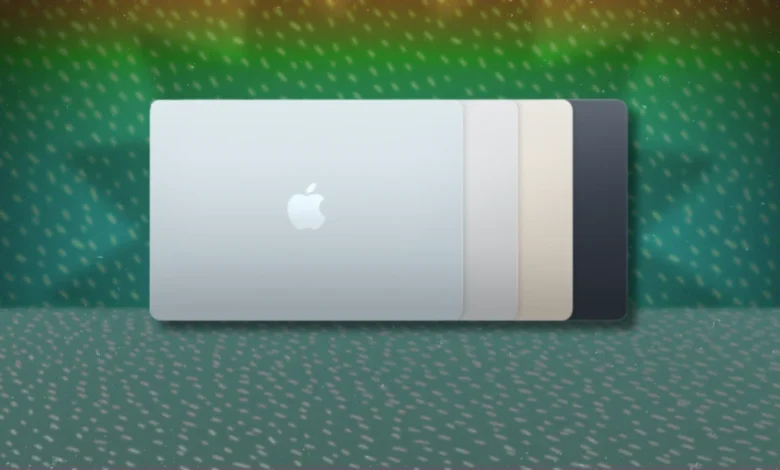
Apple has maintained its traditional approach to the "Back-to-School" season, but with more substantial incentives than in previous years. Eligible customers, including students, faculty, and staff, can currently receive an Apple Gift Card worth up to $150 when purchasing a MacBook Pro. Smaller credits of $100 are being applied to the MacBook Air, iPad Air, and iPad Pro.
Crucially, these gift card offers are stackable with Apple’s standard educational discount, which provides up to 10% off the retail price. This dual-incentive structure effectively brings the cost of high-end Apple hardware to its lowest point of the year.
Furthermore, the recently released AirPods Max 2 have seen their first major price reduction. Currently retailing for $449.99—a $100 discount from the launch price—these headphones feature Apple’s H2 chip and a new "dynamic range" amplifier. The H2 chip enables more efficient computational audio, improving active noise cancellation and spatial audio transparency. While the original AirPods Max remained at their launch price for a significant duration, the faster discounting of the second generation suggests a more competitive landscape in the premium audio space, particularly with the aforementioned Sony 1000XM6 gaining market traction.
Automation in the Home: The Evolution of Robot Mowers
Beyond personal electronics, the smart home and outdoor automation sector is experiencing a period of rapid technological maturation. The Neomow X SE Robot Lawn Mower is a primary example of this trend, currently available at a $700 discount, bringing the price to $1,499.
Unlike earlier generations of robot mowers that required the installation of physical perimeter wires, the Neomow X SE utilizes a combination of 3D LiDAR and AI-driven computer vision. This technology, mirrored in high-end vacuum robots, allows for precise mapping of complex landscapes and reliable obstacle avoidance. The inclusion of front-wheel drive and all-terrain wheels enables the unit to traverse obstacles up to 1.6 inches high, making it suitable for unrefined residential lawns.
The device’s IPX5 waterproof rating and 4G connectivity reflect the industry’s move toward "set-and-forget" appliances. As labor costs for traditional landscaping continue to rise, the ROI on such automated systems has become increasingly attractive to homeowners, leading to the aggressive price cuts seen this week as manufacturers compete for dominance in the burgeoning outdoor robotics market.
Market Analysis and Future Outlook
The sheer volume of high-value deals available in late July 2026 indicates a tech industry that is both highly innovative and fiercely competitive. The integration of AI across all hardware categories—from watches to lawnmowers—is no longer a luxury feature but a baseline expectation.
The strategy of utilizing gift cards and high-value bundles (such as the Microsoft-Sony deal) highlights a shift in consumer behavior. Shoppers in 2026 are increasingly looking for ecosystem value rather than just individual product discounts. By providing credits that encourage further spending within a retailer’s ecosystem or a partner’s brand, companies are securing long-term customer engagement.
As the industry moves toward the final quarter of the year, these mid-summer deals provide a clear indicator of the technological standards for the upcoming holiday season. The transition to 5,000-nit displays, wire-free outdoor automation, and H2-level audio processing is now firmly established. For consumers, the current window represents a rare opportunity where the newest hardware is being discounted almost immediately after launch, a trend driven by the overlapping cycles of global tech giants.