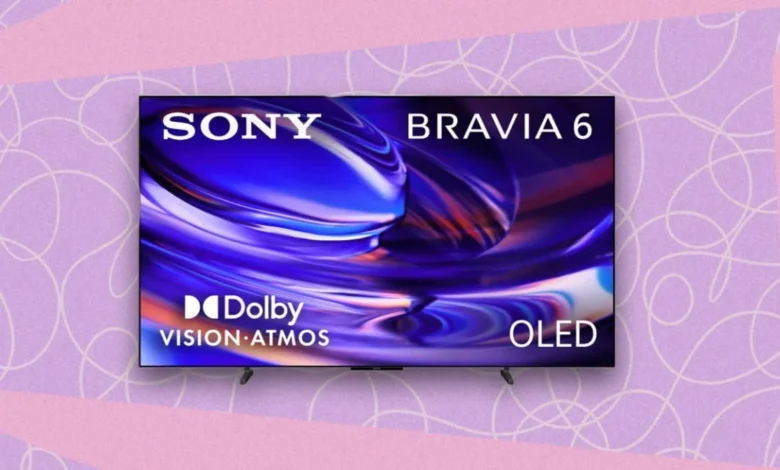
Technical Specifications and Hardware Architecture
The Sony Bravia 6 represents a strategic pivot for the electronics giant, focusing on balancing high-end image processing with a more accessible price point. At the heart of the television is the MediaTek Pentonic 800 chipset. This specific integration is noteworthy because it provides the television with four dedicated HDMI 2.1 ports.
In the competitive landscape of OLED displays, this is a significant advantage. Historically, even some of Sony’s higher-tier flagship models have been criticized for offering only two full-bandwidth HDMI 2.1 ports, which often forces users to choose between eARC (Enhanced Audio Return Channel) and high-refresh-rate gaming inputs. By equipping the Bravia 6 with four ports, Sony has addressed a primary grievance among home theater enthusiasts and console gamers alike.
The display supports a 120Hz refresh rate at 4K resolution, ensuring smooth motion for modern gaming and cinematic playback. Furthermore, the inclusion of Variable Refresh Rate (VRR), Auto Low Latency Mode (ALLM), and eARC makes the Bravia 6 a robust candidate for users operating complex ecosystems involving high-end gaming consoles, such as the PlayStation 5 or current-generation Xbox hardware, alongside premium soundbars or receiver systems. The television also features DTS:X surround sound compatibility, rounding out a comprehensive technical package.
Chronology of the Bravia Series Evolution
The release of the Bravia 6 in mid-2026 marked the culmination of a multi-year effort by Sony to recalibrate its product tiers. Following the success of the Bravia 7 and Bravia 9 models, which cater to the ultra-premium segment with extreme peak brightness and advanced mini-LED backlighting, the Bravia 6 was engineered to fill the gap for consumers seeking the infinite contrast ratio of OLED technology without the price premium associated with the "Master Series" branding.
Throughout the first half of 2026, market analysts observed a tightening of the OLED segment, with LG and Samsung both introducing aggressive pricing strategies for their mid-range panels. Sony’s decision to release the Bravia 6 with a focus on chipset efficiency and port density was viewed by industry observers as a tactical response to this encroachment. The subsequent price reduction, arriving just months after the product launch, indicates a concerted effort to capture market share during the competitive Q4 retail window.
Comparative Analysis: Bravia 6 vs. Bravia 8
When evaluating the Bravia 6 against its sibling, the Bravia 8, distinct trade-offs become apparent. The Bravia 8 is positioned as a higher-tier product, primarily distinguished by superior peak brightness capabilities and more sophisticated local dimming algorithms. For users operating in brightly lit living environments, the Bravia 8 provides a more resilient picture that maintains color accuracy despite ambient light interference.
However, the Bravia 6 manages to retain the core benefits of OLED technology—specifically the deep blacks and near-infinite contrast—at a significantly lower cost. While it lacks the sheer luminance output of the 8-series, its ability to render color and movement remains consistent with Sony’s reputation for high-fidelity image processing. For the average consumer who utilizes their television for a mix of streaming media, casual gaming, and film, the Bravia 6 offers a performance-per-dollar ratio that is currently difficult to match in the brand’s existing catalog.

Broader Market Implications
The reduction in price for the Bravia 6 is reflective of a wider trend in the consumer electronics sector, where the "entry-level premium" category is becoming the primary battleground for major manufacturers. As OLED manufacturing processes have matured, the cost of production has decreased, allowing companies to pass savings to the consumer.
However, this price volatility also signals the rapid pace of technological obsolescence. The integration of the Pentonic 800 chipset is evidence that hardware-level features are now driving purchase decisions more than panel aesthetics alone. As streaming services push for higher bitrates and gaming consoles demand greater bandwidth, the connectivity features of a television—such as those four HDMI 2.1 ports—have become just as critical as the resolution or color depth of the screen.
Consumer Considerations and User Experience
For potential buyers, the integration of Google TV provides a familiar and expansive ecosystem for content consumption. The interface remains one of the most fluid in the industry, offering deep integration with Google’s library of streaming services, apps, and smart home controls.
When considering the purchase of an OLED display, consumers should be cognizant of the specific strengths of the technology. OLED panels are inherently susceptible to image retention if static elements are left on screen for extended periods; however, the Bravia 6 utilizes modern mitigation software to minimize these risks. Furthermore, the inclusion of Dolby Vision support ensures that the television is well-equipped to handle the high dynamic range (HDR) standards used by major studios, providing a cinematic experience that remains true to the director’s original vision.
Official Positioning and Strategic Outlook
Sony has not issued a formal statement regarding the duration of this promotional pricing, though such discounts are often tied to end-of-year sales cycles. From a strategic perspective, the move allows Sony to maintain a presence in the volume-heavy segment of the market. By providing an OLED option that is priced within the range of high-end LED/LCD TVs, the company is effectively encouraging consumers to migrate to the superior display technology of OLED.
The impact of this discount is likely to be felt by competitors who rely on traditional retail pricing models. If the $998 price point for the 55-inch model becomes the new standard for the Bravia 6, it effectively lowers the barrier to entry for consumers who were previously sidelined by the high costs of premium display technology.
Summary of Value
In summary, the Sony Bravia 6 represents a convergence of hardware power and price-conscious engineering. While it may sacrifice some peak brightness compared to the more expensive Bravia 8, the inclusion of four HDMI 2.1 ports, the MediaTek Pentonic 800 chipset, and a robust Google TV integration makes it a compelling value proposition. For those currently in the market for a new display, the current 40% discount represents a significant opportunity to acquire high-performance display technology at a price point that was previously unattainable for this tier of Sony hardware. Whether utilized for high-fidelity gaming or high-definition streaming, the Bravia 6 stands as a testament to the maturation of the OLED market in 2026.