Selecting the appropriate smartwatch as a gift in the current technological climate requires a nuanced understanding of device ecosystems, as the interoperability between a wearable and a smartphone remains the primary determinant of user satisfaction. As of September 2026, the market has reached a point of maturity where incremental hardware updates often prioritize battery efficiency and specialized sensor integration over radical design shifts. Consumers are increasingly moving away from the "latest and greatest" narrative, favoring devices that offer long-term stability, robust health-tracking suites, and seamless integration with their existing mobile infrastructure.
The Landscape of Wearable Technology in 2026
The current market is defined by a distinct consolidation among three major players: Apple, Google, and Samsung, with Garmin maintaining a dominant niche in the performance-athletic sector. This year’s hardware cycle, characterized by the release of the Apple Watch Series 12, Ultra 4, Pixel Watch 5, and Galaxy Watch 9, has seen a stabilization in pricing and features. However, analysts note that the "sweet spot" for consumers often lies in the previous generation of these devices—models that have received software parity through recent operating system updates while benefiting from more accessible price points.
Strategic Selection for Apple Ecosystem Users
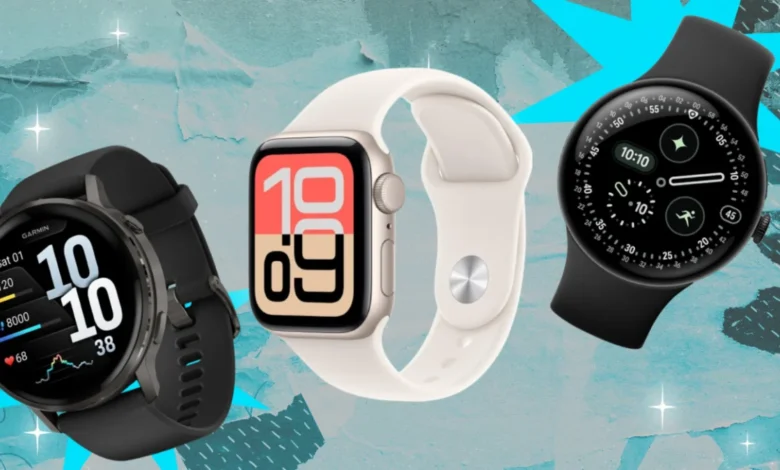
For the vast majority of consumers within the Apple ecosystem, the Apple Watch SE 3 remains the most practical recommendation. While the Series 12 and Ultra 4 introduce high-end features such as advanced vitals tracking and the S11 chip, the SE 3 provides 90% of the daily utility required by the average user.
Chronologically, Apple has maintained a steady cadence of "budget" wearables that prioritize core functionality—heart rate monitoring, sleep tracking, and cellular integration—over the experimental sensor suites found in their flagship models. The SE 3, powered by the S10 chip, remains fully compatible with watchOS 26 and 27, ensuring that users have access to Apple Intelligence and advanced AI-driven Siri interactions. Data suggests that the 18-hour battery life, while seemingly modest, remains sufficient for the majority of users, especially when utilizing the fast-charging capability that restores 80% capacity in 45 minutes.
For the professional athlete or the outdoor enthusiast, the paradigm shifts toward the Apple Watch Ultra 4. While the transition from the Ultra 3 to the Ultra 4 was marked by minor iterations—specifically a battery improvement to 50 hours and the integration of the "Readiness" app—the primary driver for this recommendation is availability. New, unopened Ultra 3 inventory has become increasingly scarce, making the Ultra 4 the only reliable option for a premium gift. Its 3,000-nit display and ruggedized chassis are designed for environments where durability is a prerequisite, not a luxury.
Google and Samsung: Navigating the Android Divide
The Android wearable market is currently bifurcated by the specific phone model a user owns. For those embedded in the Pixel ecosystem, the Pixel Watch 4 presents a compelling case for value over the newer Pixel Watch 5.
The Pixel Watch 4, equipped with the Snapdragon W5 Gen 2 chip and a 3,000-nit AMOLED display, offers a near-identical feature set to its successor. Crucially, Google has ensured that its most sought-after software innovations—such as the Workout Builder, Health Guardian, and advanced insulin resistance tracking—are fully supported on the Pixel 4 hardware. The implication here is that the marginal performance gains of the Pixel 5’s "Accelerated" chip are largely imperceptible to the average user, making the Pixel 4 a more economically sound gift without sacrificing the user experience.

Samsung’s strategy for the Galaxy Watch 8 mirrors this trend. By utilizing the Exynos W1000 chip, Samsung has created a device that handles intensive health metrics—including sleep apnea detection and the "Energy Score" readiness metric—with high efficiency. Although the Galaxy Watch 9 introduces exclusive software tweaks, the Galaxy Watch 8 serves as the baseline for the current Samsung health experience. The integration of Google Gemini, while present on all Android-based watches, is optimized within the Galaxy ecosystem, providing a cohesive interface that links seamlessly with Samsung’s broader suite of connected home and mobile devices.
The Garmin Factor: Performance-First Engineering
While Apple, Google, and Samsung focus on smart features and phone-centric notifications, Garmin continues to appeal to a demographic that prioritizes biometric accuracy and battery longevity. The Garmin Venu 4 represents a departure from the "smart-first" philosophy.
With battery performance capable of reaching 12 days without an Always-On display, the Venu 4 addresses the most common criticism of modern smartwatches: the requirement for daily charging. Its sensor array, which captures pulse data at one-second intervals and provides granular VO2 max and recovery analysis, caters to a data-driven athlete. However, there is a clear trade-off: Android users enjoy deeper functionality, such as image viewing and complex text responses, while iPhone users are restricted by the limitations of Apple’s walled garden regarding third-party wearables.
Broader Implications and Market Analysis
The decision to purchase a previous-generation smartwatch in 2026 is supported by broader economic and technical trends. With the integration of AI-driven health metrics, hardware longevity has become less dependent on the processor and more reliant on the software’s ability to interpret data.
Industry analysts observe that manufacturers are increasingly shifting their focus from hardware-centric selling points to service-based value. The inclusion of "Readiness" scores and "Health Coaches" across all major brands suggests that the industry has reached a plateau in physical sensor innovation. Consequently, the value of a gift today is measured by the ecosystem compatibility.
Furthermore, from a sustainability perspective, the preference for devices like the SE 3, Pixel Watch 4, and Galaxy Watch 8 aligns with a growing consumer interest in the circular economy. These devices retain their value longer than ever before, and their continued support through major software updates ensures that a gift purchased in late 2026 will remain relevant for several years.
Summary of Considerations for Gift-Givers
When selecting a device, it is essential to consider the following criteria:
- Platform Lock-in: The device must match the user’s phone. A Samsung watch on an iPhone, or a Pixel watch on a Galaxy phone, will result in lost functionality and a subpar user experience.
- Usage Profile: Sedentary or moderate users are better served by the SE 3 or Pixel 4, which offer all essential health tracking without the bulk or price premium of flagship rugged models.
- Battery Requirements: For users who travel or dislike daily charging rituals, the shift toward Garmin’s architecture or the ultra-efficient power modes of the latest Apple and Samsung iterations is critical.
Ultimately, the choice of a smartwatch in 2026 is no longer about finding the most expensive piece of hardware, but about finding the device that best integrates into the recipient’s daily life. Whether for the casual user who requires simple text notifications and basic fitness tracking, or the endurance athlete needing multi-day battery life and granular performance statistics, the current market provides a diverse array of options that prioritize longevity and utility over superficial upgrades. By focusing on the previous generation of flagship models, buyers can secure high-performance technology that balances cost-effectiveness with the sophisticated capabilities required by modern users.