The High Financial and Social Costs of the Houston Independent School District Academic Transformation

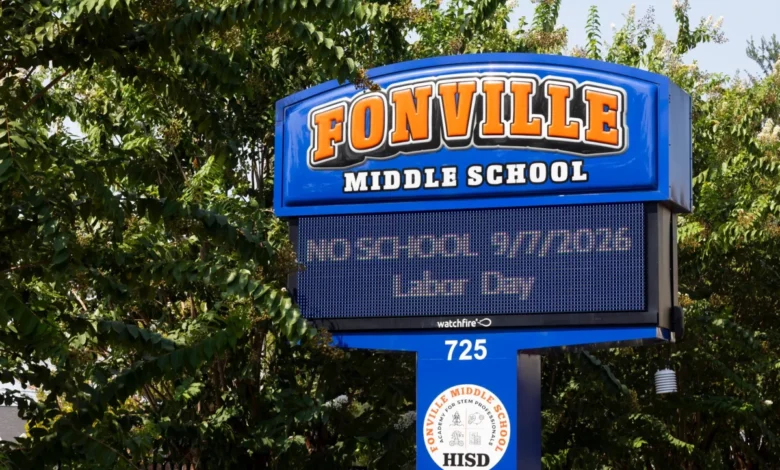
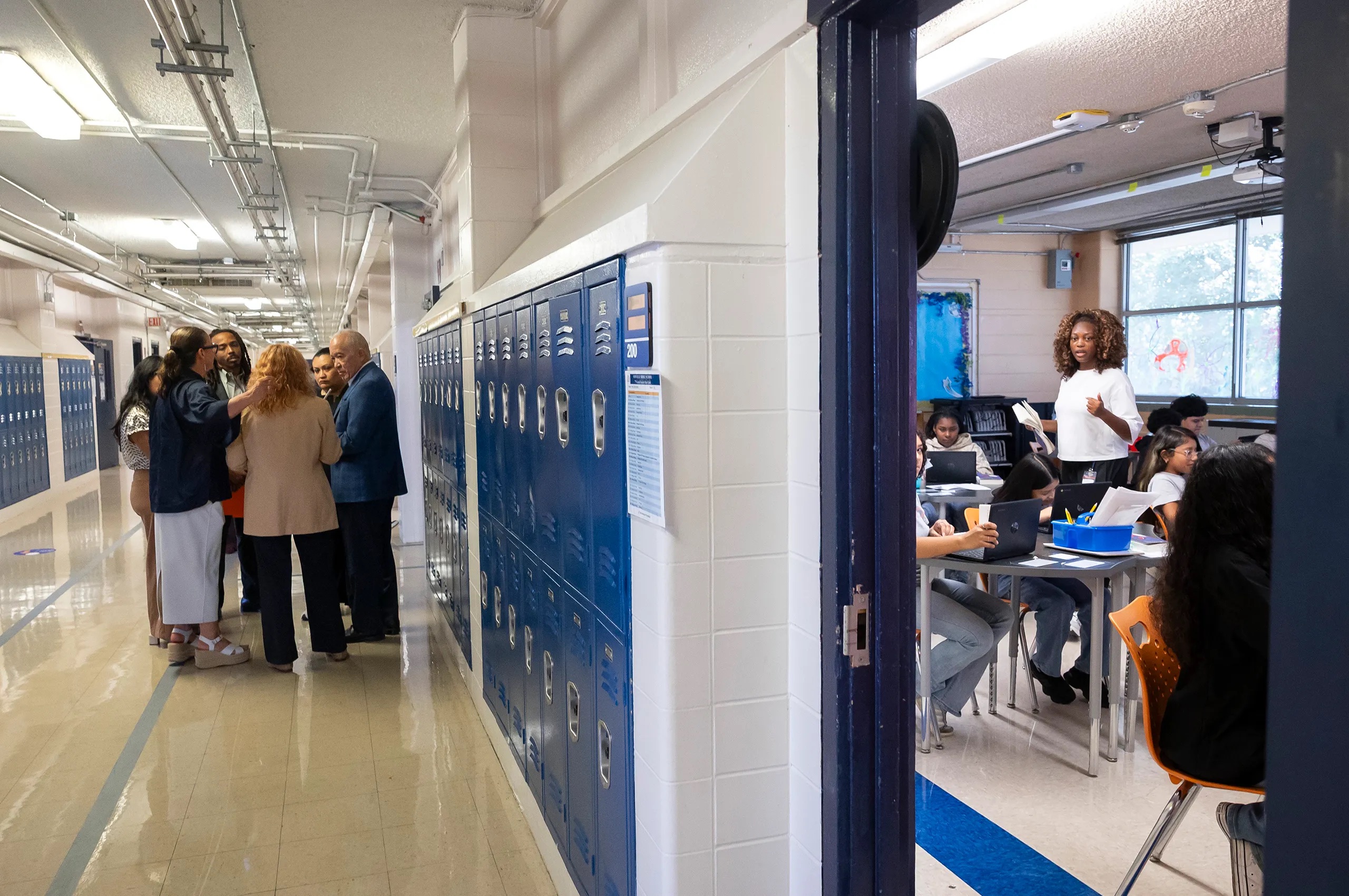
At Fonville Middle School in North Houston, the atmosphere is defined by precision and speed. Students navigate their day under the watchful eyes of learning coaches, utilize advanced interactive whiteboards, and adhere to a schedule extended beyond the traditional school day. This rigid, high-intensity environment has yielded tangible results: the campus, which was labeled with a failing grade three years ago following a state-mandated takeover of the Houston Independent School District (HISD), has achieved its first-ever A rating. For state leaders, Fonville serves as the flagship of a bold, transformative model. For critics and some parents, however, it represents a cautionary tale of a system that prioritizes standardized test scores at the expense of fiscal stability and community cohesion.
The state’s intervention in Houston began in 2023, when the Texas Education Agency (TEA) ousted the locally elected school board and the district’s superintendent, replacing them with state-appointed officials. The move was justified by chronic underperformance at specific campuses and systemic governance issues. The architect of this turnaround, Superintendent Mike Miles, implemented the New Education System (NES), a framework characterized by aggressive instructional pacing, heavy reliance on standardized testing, and the integration of highly paid, specialized support staff.
The Financial Blueprint and Its Consequences
The NES model is expensive. According to internal HISD budget documents, the adoption of these reforms costs approximately $700,000 per school in the inaugural year, with an ongoing annual cost of roughly $2,200 per student. To fund these initiatives, the district has been forced to tap into its "rainy day" reserves—a financial cushion previously built up over years of fiscal management. In just three years, the district has depleted nearly $450 million of these savings.

While Superintendent Miles argues that this is a necessary expenditure to "prioritize" academic achievement, school finance experts warn that such a strategy is unsustainable. Jonathan Travers, CEO of Education Resource Strategies, characterized the reliance on reserves for recurring expenses as a gamble. "You’re just gambling that you’re going to somehow be able to raise revenue—ongoing revenue from taxpayers, from the state—in a few years to cover the gap that you’re using up your reserves to cover," Travers noted.
The district’s financial burden is further exacerbated by a significant decline in enrollment. Since the takeover began in 2023, HISD has lost approximately 21,000 students. Because Texas public school funding is tied directly to student attendance, this exodus has cost the district an estimated $190 million in state funding. The rate of decline has accelerated annually, with 5,800 students leaving in the first year, 7,400 in the second, and nearly 8,000 in the most recent academic year.

The Human Element: Parent Dissatisfaction and Community Exodus
The impact of the NES model extends beyond balance sheets. For many families, the shift toward a "test-first" culture has been deeply alienating. Brooke Longoria, a parent who withdrew her children from an HISD school to enroll them in a private Montessori program, described the transition as a loss of the "joy of learning." She pointed to the frequent, timed testing—known as Demonstrations of Learning (DOLs)—as a primary driver for her decision.
Similarly, Angie Kemp, who moved her family 20 miles to the Klein school district to escape the NES environment, reported that her young daughter began experiencing anxiety, even talking about school quizzes in her sleep. These anecdotes reflect a broader trend: the highest rates of student departure are occurring at the roughly 130 campuses that have fully adopted the NES model. While urban districts often face enrollment fluctuations due to changing demographics and competition from charter schools, the intensity of the departures in HISD is unmatched by its peers.

Chronology of the Takeover and Its Export
The Houston takeover has become a centerpiece of Texas education policy. Since 2023, the state has intervened in seven districts, frequently installing administrators with direct experience under the Miles administration. The strategy is being exported to districts like Fort Worth, where the reform model has been rebranded as "ELEVATE."
The rollout in Fort Worth has mirrored the early days of the Houston transition:

- Initial Implementation: 24 campuses have adopted the ELEVATE model, mirroring the high-intensity, high-testing structure of HISD.
- Fiscal Strain: The district allocated $25 million for these reforms, forcing budget cuts elsewhere.
- Teacher Turnover: In the first three months of the takeover, Fort Worth saw a massive resignation of approximately 800 teachers, a trend that echoes the 33% turnover rate experienced by HISD in the 2025-26 school year.
Texas Education Commissioner Mike Morath maintains that the Houston model is replicable, asserting that all districts operate under the same state finance system. However, experts like Lori Taylor from Texas A&M University argue that Houston’s size provides a unique "economy of scale" that smaller districts, such as Austin ISD, do not possess. Austin, currently facing the prospect of a state takeover, is already grappling with a $105 million deficit and has a much thinner financial buffer to absorb the costs of such an aggressive transformation.
Analyzing the Sustainability of "Turnaround" Models
Historical data from other states suggests that the "Houston model" faces significant hurdles regarding longevity. In Tennessee, a similar reform effort for middle schoolers saw immediate gains in test scores, only for those gains to vanish once the initial funding and leadership focus moved on. In Denver, a reform strategy centered on school choice and the consolidation of low-performing campuses initially resulted in higher graduation rates. However, a decade later, the policy was largely reversed following massive community pushback and the eventual realization that the system could not sustain the rapid pace of school closures and changes.

Lam Pham, a researcher at North Carolina State University, emphasizes that academic intervention is not a "one-shot and done" process. "There does need to be a lot of careful thinking about how we’re going to sustain this," Pham said. "Or else, as we’ve seen in many places, it just dissipates after the intense focus goes away."
The Road Ahead: A Uncertain Transition
As the state prepares to eventually return control of HISD to an elected board, the district faces a precarious future. The "sticky" policies Miles is attempting to implement—such as long-term teacher incentive pay structures—are designed to outlast his tenure. However, these policies require recurring funding that the district currently lacks.

The rejection of a $4.4 billion bond in 2024 served as a clear indicator of public sentiment, representing the largest failed school bond in Texas history. Parents and community advocates, such as those within the organization Community Voices for Public Education, argue that if the state is determined to use Houston as a test case, it must provide the necessary funding rather than cannibalizing the district’s existing resources.
Superintendent Miles remains confident, viewing the current fiscal austerity as a necessary "right-sizing" of the organization. He maintains that once academic excellence is firmly established, student enrollment will stabilize and eventually grow, as families will be drawn back to high-performing schools. "Parents don’t want to send their kids to a D or F school if they can help it," Miles told reporters. "We’re bringing the pride back."

Whether the district can reach that point of stability before its reserves are fully exhausted remains the central question. With the district projecting continued budget gaps and the looming uncertainty of the return to local governance, the Houston Independent School District serves as a high-stakes laboratory. The outcome will likely determine the future of state-led school interventions not only in Texas but across the United States. For now, the district remains caught between the promise of improved test scores and the reality of a shrinking, financially strained system, leaving parents, teachers, and policymakers to debate whether the price of the current "success" is one the community can afford to pay in the long term.