The Invisible Climate Threat: Understanding Methane and the Path to Global Decarbonization

Methane is a colorless, odorless, and highly potent greenhouse gas that has emerged as the second most significant driver of human-induced climate change, trailing only carbon dioxide. While often overshadowed by the global focus on CO2 emissions, methane possesses a heat-trapping capacity that is approximately 86 times greater than carbon dioxide over a 20-year period. As global temperatures rise, the urgency to address this "short-lived climate pollutant" has intensified, leading scientists, policymakers, and industry leaders to reevaluate the role of methane in the global energy, agricultural, and waste management sectors.
The Science of Methanogenesis and Natural Cycles
At its core, methane (CH4) is a simple hydrocarbon consisting of one carbon atom bonded to four hydrogen atoms. Its presence in the atmosphere is the result of both geological and biological processes. Biologically, the gas is produced through methanogenesis—a process where archaea microorganisms decompose organic matter in anaerobic (oxygen-free) environments. This occurs naturally in wetlands, digestive tracts of ruminant animals, and deep-sea sediment. Geologically, methane is formed when intense heat and pressure act upon buried organic material over millions of years, resulting in the natural gas reserves currently exploited for industrial energy production.

While natural sinks—such as soil microbes and atmospheric chemical reactions—have historically balanced these natural emissions, human activity since the Industrial Revolution has fundamentally disrupted this equilibrium. Today, approximately 60 percent of atmospheric methane is directly attributable to anthropogenic sources, including fossil fuel extraction, intensive livestock farming, and the accumulation of organic waste in landfills.
A Chronology of Rising Concentrations
The trajectory of atmospheric methane over the past two centuries is a clear indicator of the scale of human impact. Before the Industrial Revolution, atmospheric concentrations of methane were relatively stable. Since that time, levels have surged by 265 percent, reaching 1,934 parts per billion (ppb) by 2023.
- 1800s–1950s: Industrialization and the expansion of global agriculture began a gradual, steady climb in methane output.
- 1990s–2000s: A period of relative stabilization was observed, leading some researchers to believe the methane growth rate was plateauing.
- 2007–Present: A sudden and sustained increase in atmospheric methane has baffled some researchers, with data suggesting a significant "wetland feedback" where warming temperatures stimulate microbes in tropical and Arctic wetlands to release more gas.
- 2021: At the COP26 summit, the Global Methane Pledge was launched, with over 100 countries committing to reduce emissions by 30 percent below 2020 levels by 2030.
- 2023: Methane levels reached record highs, highlighting a widening gap between international climate commitments and real-world implementation.
The Measurement Challenge: Top-Down vs. Bottom-Up
Accurately quantifying methane emissions has historically been a significant hurdle for climate scientists. Traditionally, "bottom-up" inventories were used, which rely on multiplying activity data (such as the number of cattle or the volume of gas produced) by standardized emission factors. However, these models frequently underestimate the impact of "super-emitters"—a small percentage of equipment or facilities responsible for the majority of leak volume.

In recent years, the rise of "top-down" monitoring, utilizing satellite imagery and high-altitude sensors, has revolutionized transparency. Agencies like the International Energy Agency (IEA) and organizations like GHGSat now provide real-time data that exposes massive, unintended leaks in oil and gas infrastructure. A landmark study revealed that U.S. oil and gas methane emissions were 60 percent higher than previous EPA estimates, underscoring the necessity of moving beyond self-reported data toward remote, satellite-based verification.
Sectoral Analysis: Agriculture, Energy, and Waste
Human-caused methane emissions originate primarily from three distinct sectors, each requiring tailored mitigation strategies:
1. Agriculture
Agriculture accounts for approximately 40 percent of human-caused methane. Enteric fermentation in livestock—the digestion process of cattle, sheep, and goats—is the leading sub-sector, contributing 32 percent of global anthropogenic emissions. Beyond livestock, flooded rice paddies create ideal anaerobic conditions for methane-producing bacteria. As global demand for protein grows, the pressure on this sector to adopt sustainable practices, such as seaweed-based feed supplements or improved manure management, has reached a critical juncture.

2. Fossil Fuels
The energy sector contributes roughly 35 percent of human-caused emissions. Methane is often released during the venting of unwanted gas at oil wells, accidental leaks in pipeline infrastructure, and coal mining operations. Despite the "bridge fuel" narrative—which posits that natural gas is a cleaner alternative to coal—data suggests that methane leakage rates as low as 0.2 percent can render liquefied natural gas (LNG) as climate-warming as coal. The ongoing buildout of LNG export terminals poses a significant risk to meeting global 1.5°C climate targets.
3. Landfills and Waste
Waste management systems account for 20 percent of human-caused emissions. As global urbanization increases, the amount of solid waste deposited in landfills is projected to rise by 73 percent by 2050. Without a shift toward circular economies and enhanced wastewater treatment that captures biogas, this sector is poised to see the fastest growth in methane emissions over the next decade.
Official Responses and Policy Implications
The International Panel on Climate Change (IPCC) has stated that a 34 percent reduction in methane emissions by 2030 is essential to limit global warming to 1.5°C. While the Global Methane Pledge has gained significant momentum with 159 nations currently signed on, the effectiveness of these pledges remains under scrutiny. Environmental groups and scientific bodies have pointed out that most nations lack the robust regulatory frameworks necessary to enforce these goals.

Industry reactions have been mixed. While some energy majors have pledged to achieve "near-zero" methane intensity, others argue that rapid decarbonization threatens energy security. However, economic analysis suggests that the cost-benefit ratio of methane mitigation is highly favorable. The IEA estimates that 40 percent of methane emissions from the oil and gas sector could be mitigated at no net cost, given that the captured gas can often be sold back into the market.
Broader Impacts: Public Health and Climate Feedbacks
The implications of high methane concentrations extend beyond global warming. Methane is a precursor to ground-level ozone, a harmful pollutant that damages human respiratory health and reduces agricultural yields. Current estimates suggest that methane-induced ozone contributes to roughly 500,000 premature deaths annually.
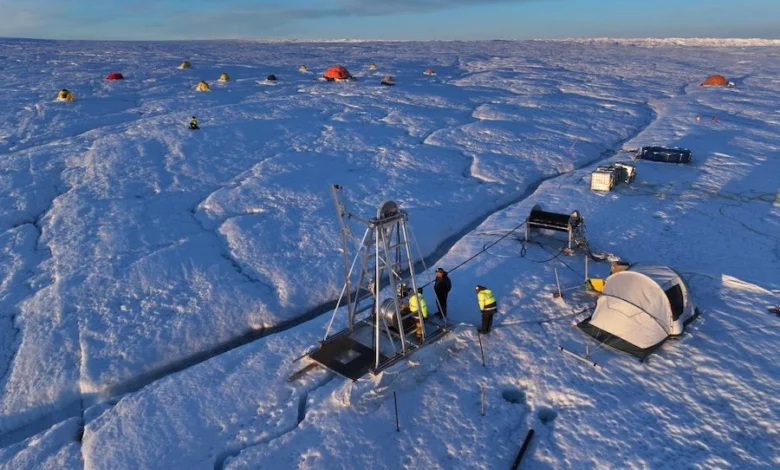
Furthermore, methane is deeply tied to positive climate feedback loops. The "wetland methane feedback" and the thawing of Arctic permafrost represent potential tipping points. As temperatures rise, frozen methane hydrates and carbon-rich organic matter in the Arctic are released, further accelerating warming. This creates a cycle where the very warming caused by human emissions triggers natural releases of methane, potentially outpacing our ability to curb the crisis through industrial regulation alone.

A Path Toward Mitigation
Addressing the methane crisis requires a multi-pronged approach. For the energy sector, immediate priorities include rigorous leak detection and repair (LDAR) programs and the elimination of routine venting and flaring. In agriculture, dietary shifts toward more plant-based consumption in high-income nations, combined with the implementation of methane-inhibiting feed additives for livestock, offer the most promising pathways for reduction.
For individuals, the transition is equally impactful. Electrifying home heating and cooking—moving away from gas furnaces and stoves—reduces household-level methane emissions and improves indoor air quality. On a systemic level, supporting policies that mandate the capture of landfill gas and incentivizing regenerative agricultural practices can create the structural changes necessary to bend the emissions curve.
Ultimately, methane represents a unique opportunity in the climate fight. Because of its relatively short atmospheric lifespan of roughly 12 years, aggressive action to curb methane emissions will produce measurable results within our lifetimes, providing the cooling effect needed to stabilize the climate while longer-term carbon dioxide reduction strategies take hold. The technology to achieve these reductions exists today; the primary challenge remains the political and industrial will to prioritize these solutions over the short-term profits of status-quo energy and food production systems.