The relationship between human physiology and the marine environment has emerged as a significant field of study within psychological and environmental sciences, revealing that "blue spaces"—defined as areas featuring prominent water bodies such as oceans, lakes, and rivers—exert a measurable positive influence on mental and physical health. As global tourism continues to expand, reaching record levels in coastal regions, a critical tension has developed between the pursuit of personal restoration and the preservation of the very ecosystems that provide these benefits. Professional researchers and environmental advocates now emphasize a dual-priority approach: leveraging the therapeutic qualities of the ocean while implementing rigorous conservation-focused travel habits to mitigate the environmental footprint of coastal visits.
The Science of Blue Mind: Health Benefits of Coastal Environments
The concept of "Blue Mind," a term popularized by the late marine biologist Wallace J. Nichols, refers to the mildly meditative state characterized by calm, peacefulness, unity, and a sense of general happiness and satisfaction with life in the moment, triggered by proximity to water. Scientific data increasingly supports these anecdotal claims. A landmark study conducted by the University of Exeter’s European Centre for Environment and Human Health found that individuals living closer to the coast report better health and well-being than those living further inland, even when accounting for socio-economic factors.
The physiological mechanisms behind this effect are multifaceted. Exposure to coastal environments has been linked to a significant reduction in cortisol, the primary stress hormone. The rhythmic sound of waves acts as a form of "white noise," which can help regulate brain wave patterns and promote deeper sleep cycles. Furthermore, the air near the ocean is often charged with negative ions, which are believed to improve oxygen absorption and balance levels of serotonin, a chemical linked to mood and stress.
Physical health is similarly bolstered by coastal proximity. The buoyancy of seawater allows for low-impact exercise, which is particularly beneficial for individuals with joint pain or mobility issues. Engaging in activities such as swimming, paddleboarding, or surfing provides cardiovascular benefits while fostering a "flow state," a psychological condition where an individual is fully immersed in an activity, leading to enhanced focus and reduced anxiety.
The Environmental Cost of Traditional Coastal Tourism
Despite the health benefits afforded to humans, the ecological health of global coastlines is under unprecedented pressure. Traditional tourism models often prioritize high-volume occupancy and convenience over environmental integrity, leading to several critical points of degradation.
- Habitat Fragmentation and Erosion: The construction of large-scale resorts frequently involves the clearing of mangroves and coastal vegetation. These plants serve as natural barriers against storm surges and are essential for stabilizing shorelines. Without them, beach erosion accelerates, and nesting sites for species such as sea turtles are permanently lost.
- Chemical Contamination: A significant yet often overlooked threat is the introduction of synthetic chemicals into the marine ecosystem. Standard sunscreens often contain oxybenzone and octinoxate, UV filters that have been scientifically proven to cause coral bleaching and DNA damage in larval coral. Additionally, "forever chemicals" (PFAS) found in various consumer products and industrial runoff are increasingly detected in coastal waters, posing long-term risks to both marine life and human seafood consumers.
- Plastic Pollution and Waste Management: Coastal areas are often the final destination for mismanaged plastic waste. It is estimated that over 8 million metric tons of plastic enter the ocean annually. In many popular tourist destinations, local infrastructure is insufficient to handle the surge in waste generated during peak seasons, resulting in overflow that enters the marine food chain.
Chronology of the Shift Toward Sustainable Travel
The evolution of coastal travel from unrestricted exploitation to conservation-minded management has followed a distinct timeline over the past several decades:
- 1970s–1980s: The rise of mass international tourism. Coastal development was largely unregulated, focusing on maximum capacity and the "all-inclusive" resort model.
- 1990s: Emergence of "ecotourism." The term began to gain traction as travelers expressed interest in visiting undisturbed natural areas. However, this period also saw significant "greenwashing," where businesses adopted environmental labels without substantive changes in practice.
- 2000s: Introduction of formal certification programs. Organizations such as the Global Sustainable Tourism Council (GSTC) established criteria for sustainable management, social-economic impacts, and environmental preservation.
- 2010s–Present: The "Regenerative Travel" movement. Moving beyond "sustainability" (doing no harm), this model focuses on "regeneration" (actively improving the destination). This includes reforestation projects, carbon-neutral operations, and direct financial support for local conservation.
Costa Rica: A Global Case Study in Coastal Stewardship
Costa Rica has frequently been cited by international environmental bodies, including the United Nations, as a gold standard for balancing tourism with conservation. The nation’s approach provides a blueprint for how coastal travel can be restructured to protect natural resources.
The country’s success is rooted in legislative action and a national ethos of "Pura Vida." In the 1980s, Costa Rica faced one of the highest deforestation rates in Latin America; today, it has successfully doubled its forest cover, with over 25% of its land protected within national parks and reserves. This reforestation has had a direct impact on coastal health, as healthy forests prevent sediment runoff from choking coral reefs.
Furthermore, Costa Rica’s energy grid is a marvel of modern engineering, consistently running on more than 98% renewable energy sourced from hydro, wind, geothermal, and solar power. This allows tourists to enjoy modern amenities with a carbon footprint significantly lower than in most other regions of the world. By integrating conservation into the national economy, Costa Rica has demonstrated that protecting the ocean is a viable and profitable long-term strategy.
Analyzing the Role of Small-Scale and Specialized Operators
The shift toward sustainable coastal travel is largely driven by small-scale, specialized operators who adopt a "low-volume, high-value" model. Unlike massive resorts that rely on high turnover, these operations often integrate education and conservation into the guest experience.
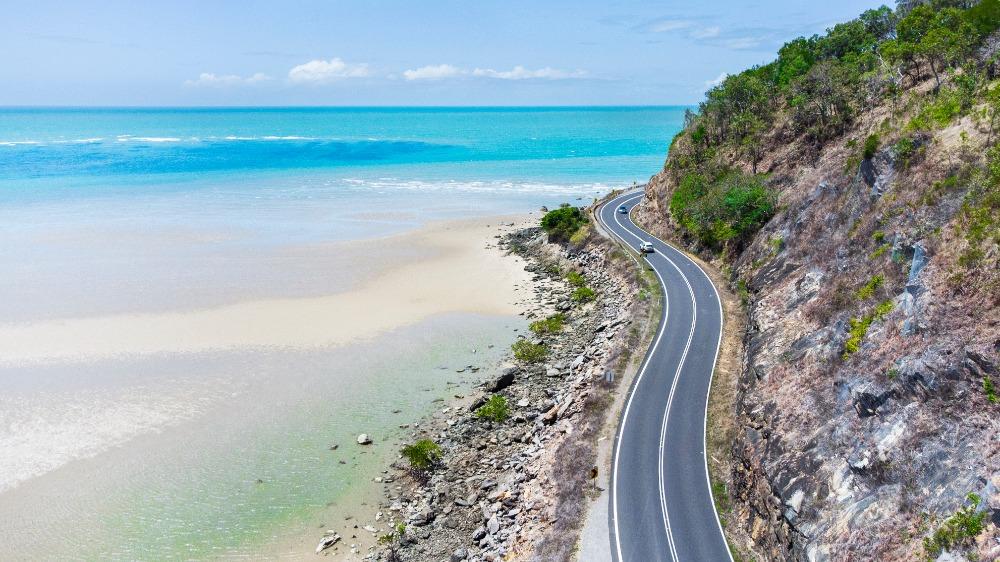
For instance, boutique surf camps and eco-lodges, such as Kalon Surf in Costa Rica, utilize an all-inclusive model that differs significantly from the traditional buffet-and-plastic-straw version. By providing a controlled, small-group environment, these operators can precisely manage waste, source food from local organic farmers, and minimize the use of motorized transport. This "concentrated stay" approach reduces the foot traffic on fragile beaches and ensures that a higher percentage of tourism revenue remains within the local community to fund environmental protection.
Industry analysts suggest that this model is the future of luxury travel. Modern travelers are increasingly willing to pay a premium for "guilt-free" experiences that align with their personal values. The data indicates that properties with verifiable sustainability credentials see higher guest loyalty and more consistent occupancy rates compared to traditional competitors.
Practical Guidelines for the Conscious Traveler
To ensure that coastal visits remain a source of health without becoming a source of harm, environmental experts recommend a set of standardized practices for all travelers.
Product Selection: Travelers are encouraged to switch to mineral-based sunscreens containing non-nano zinc oxide or titanium dioxide. These substances provide effective UV protection without the coral-killing chemicals found in traditional brands. Additionally, reducing the use of single-use plastics—such as water bottles, straws, and toiletries—is considered a baseline requirement for coastal visits.
Site Respect and Wildlife Interaction: Maintaining a respectful distance from wildlife is crucial. Human interference can disrupt the feeding and mating habits of shorebirds, sea turtles, and marine mammals. Staying on designated paths and avoiding the trampling of sand dunes is also vital, as dunes act as the first line of defense against coastal erosion.
Water Quality Advocacy: At home and abroad, the fight for clean water is continuous. Supporting legislation that limits the discharge of industrial waste and "forever chemicals" into waterways is essential. Travelers are encouraged to research how their chosen accommodations handle wastewater treatment, as poorly managed sewage is a primary cause of reef degradation in the Caribbean and Pacific.
Implications for the Future of Global Tourism
The future of the tourism industry is inextricably linked to the health of the ocean. As climate change leads to rising sea levels and more frequent, intense storm events, the vulnerability of coastal destinations will only increase. A 2022 report by the World Travel & Tourism Council (WTTC) highlighted that "Nature-Positive" tourism could generate trillions of dollars in economic value while helping to protect the biodiversity upon which the industry depends.
The transition from extractive tourism to regenerative travel is no longer a niche preference but a logistical necessity. As the science of "blue spaces" continues to prove that our mental and physical wellbeing depends on healthy oceans, the mandate for travelers and the industry alike is clear: the sea must be left in better condition than it was found. By choosing responsible operators, advocating for clean water, and adopting low-impact habits, the global community can ensure that the ocean remains a source of healing for generations to come.