University of Minnesota Faces Difficult Choices and Slashes Operating Budget Amid Escalating Financial Pressures

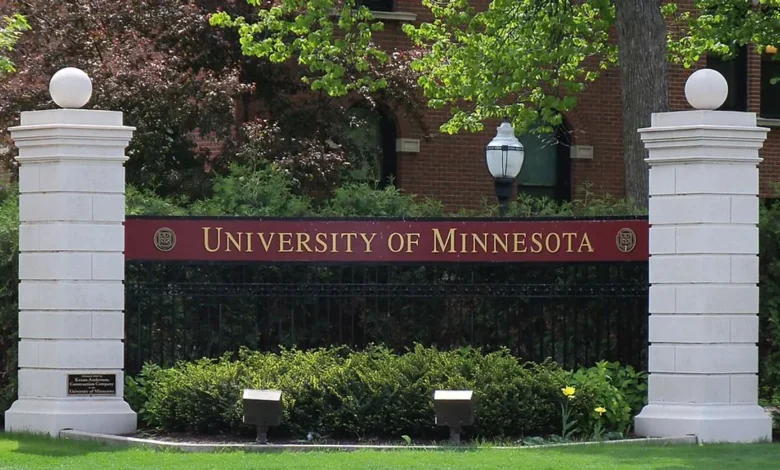
The University of Minnesota system is bracing for a turbulent period of fiscal restructuring as senior leadership confronts a combination of shifting enrollment trends, volatile government funding, and escalating operational costs. Following years of incremental belt-tightening, the public institution is signaling that comprehensive, structural changes are unavoidable if it hopes to eliminate a substantial portion of its operating budget. University officials, including President Rebecca Cunningham and Provost Gretchen Ritter, have warned faculty, staff, and students that difficult conversations and hard choices lie ahead as the administration seeks to streamline both academic programs and administrative portfolios.
This latest financial reckoning is not an isolated event but rather the culmination of years of mounting economic pressures that have strained higher education institutions across the United States. For the University of Minnesota, the challenges underscore a broader national trend where traditional revenue streams are failing to keep pace with inflation, wage growth, facility maintenance, and technological advancements. As public universities grapple with these compounding burdens, administrators are increasingly forced to look inward, identifying redundancies and evaluating the core missions of their sprawling campuses.
Chronology of Financial Strain and Prior Budgetary Interventions
The path to the current fiscal crisis has been marked by progressive measures aimed at maintaining financial stability without severely disrupting the student experience. However, as deficits have widened, the scope of these interventions has necessarily expanded.
In the lead-up to the 2025 fiscal year, the university attempted to offset budgetary shortfalls by implementing a notable 6.5% tuition hike at its flagship Minneapolis-St. Paul campus, alongside a sweeping 7% reduction in programmatic budgets. While these actions generated temporary relief, they also highlighted the delicate balancing act university leaders must perform between maintaining affordability for students and covering the escalating costs of institutional operations.
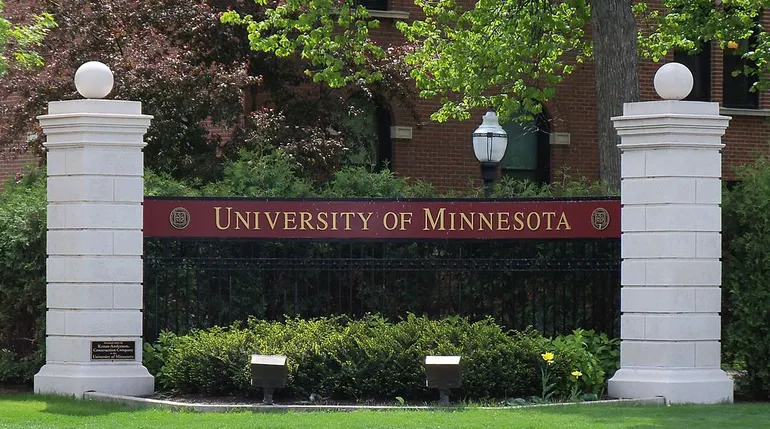
The situation intensified moving into mid-2026. In June of that year, the University of Minnesota’s Board of Regents formally approved a strategy to utilize $98.6 million in internal savings and alternative revenue streams to balance the budget for fiscal year 2027. Crucially, that blueprint relied heavily on workforce reductions, targeting 165 academic positions and 64 support staff jobs for elimination. Despite these structural contractions, institutional leadership has acknowledged that further cutbacks are necessary to achieve long-term fiscal health.
By the Numbers: Enrollment Dynamics and Economic Realities
A granular examination of the university’s data reveals a complex landscape of enrollment fluctuations and financial obligations that help explain the current urgency.
Institutional records indicate that systemwide enrollment reached 72,010 students in the fall of 2025, representing a resilient 7.8% increase compared to five years prior. This overall growth, however, masks localized vulnerabilities. While the flagship campus and certain programs have seen steady or rising interest, regional campuses—most notably Duluth and Morris—have experienced overall enrollment declines across the same five-year window, despite experiencing modest upticks in the fall of 2025. These regional variations complicate revenue projections, as tuition dollars remain a primary driver of operating income.
On the expenditure side, the financial figures underscore the depth of the challenge. Between fiscal years 2024 and 2025, the university’s operational loss expanded by $76.9 million—a 4.9% increase—bringing the total operating loss to approximately $1.7 billion. While federal and state appropriations, philanthropic gifts, and nonoperating revenues have historically cushioned these blows, allowing the institution to post modest overall surpluses of hundreds of thousands of dollars, leadership maintains that relying on nonoperating revenue to cover fundamental operational deficits is no longer a viable long-term strategy.
Furthermore, discussions surrounding deeper fiscal contraction suggest that future cuts could translate to roughly 15% of the university’s allocated operating revenue, a reduction that would fundamentally alter the institutional landscape if enacted.

Official Responses and the Demand for Transparency
As rumors and anxieties regarding potential layoffs circulate across campus, university leadership has attempted to strike a collaborative tone. In a joint message issued by President Cunningham and Provost Ritter, administrators emphasized that the upcoming phase of budget planning would prioritize transparency and shared governance.
The leaders noted that the institution has heard a clear and consistent desire from faculty and staff for greater engagement, understanding, and direct input into how financial decisions are made. Rather than imposing top-down edicts without warning, the administration has framed the current initiative as an opportunity to work collaboratively across departments to identify inefficiencies.
"This next phase requires deliberate choices about how to reduce expenses and redundancy while we simplify and focus how we work across both our administrative and academic portfolios," Cunningham and Ritter stated in their communication. They explicitly acknowledged the human cost of these deliberations, reiterating that "difficult choices and conversations ahead" will require patience and mutual respect from all university stakeholders.
Notably, while previous budget iterations directly quantified specific job eliminations—such as the 229 positions targeted in earlier rounds—leadership has yet to specify the exact number of layoffs or structural job cuts that will emerge from this latest comprehensive review. This uncertainty has left campus labor unions, faculty senates, and student advocacy groups on high alert, closely monitoring administrative announcements for details on how departments will be prioritized or protected.
Broader Impact and Implications for Higher Education
The budgetary crisis at the University of Minnesota serves as a microcassette of the broader anxieties currently gripping public higher education nationwide. State funding for higher education has largely stagnated or failed to keep pace with inflation over the past decade, placing a heavier financial burden on students and institutional endowments. At the same time, federal funding remains unpredictable, subject to shifting political landscapes and policy priorities.

For students, the ongoing restructuring raises legitimate concerns regarding course availability, class sizes, student support services, and potential tuition increases. When universities cut academic positions and support staff, the immediate consequence is often a contraction of the curriculum, reduced advising capacity, and increased pressure on remaining faculty members. This dynamic risks diminishing the overall student experience, potentially counteracting the very enrollment growth that institutions rely on for tuition revenue.
For faculty and staff, the situation highlights the precarious nature of employment within higher education, even at prestigious flagship research institutions. The tension between maintaining a robust research and educational mission and balancing a ledger sheet has forced universities to reconsider traditional administrative bloat and duplicate program offerings. Shared services models, cross-departmental collaborations, and programmatic consolidation are increasingly becoming standard tools for survival.
As the University of Minnesota moves forward with its comprehensive review, the outcomes will likely be closely watched by peer institutions across the country. How leadership navigates the delicate balance between fiscal responsibility and academic integrity will set a critical precedent for how large public university systems adapt to the structural realities of twenty-first-century higher education.