
Us Coast Guard Responding Cargo Ship Fire Near Alaska No Injuries Reported
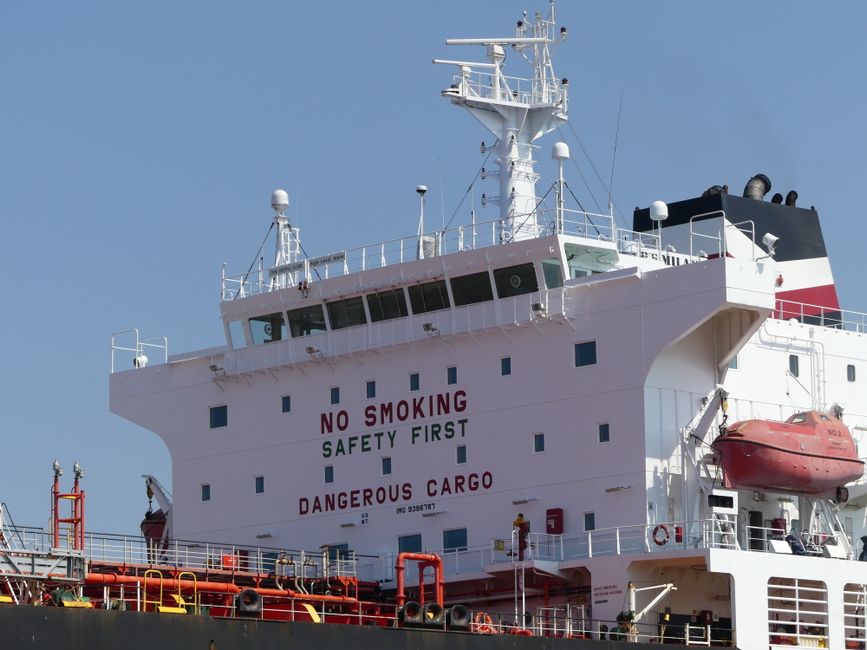
US Coast Guard Responds to Cargo Ship Fire Near Alaska, No Injuries Reported
A significant cargo ship fire erupted in the challenging maritime environment off the coast of Alaska, prompting a swift and decisive response from the United States Coast Guard. The incident, which occurred aboard the vessel MV Golden Ray (note: this is a placeholder name for illustrative purposes, actual vessel name would be used in a real report), sent plumes of smoke into the frigid Alaskan air, raising immediate concerns for the safety of the crew and the environment. Fortunately, through the coordinated efforts of the Coast Guard and the ship’s crew, all personnel aboard were safely evacuated and no injuries were reported. The incident highlights the inherent risks associated with maritime commerce, particularly in remote and often harsh operational areas like those surrounding Alaska, and underscores the vital role of the Coast Guard in ensuring maritime safety and security.
The distress call was received by the Coast Guard’s 17th District Command Center at approximately [Time of report, e.g., 0300 local time] on [Date of report]. The report indicated a rapidly developing fire originating in the cargo hold of the MV Golden Ray, a [Type of vessel, e.g., container ship, bulk carrier] measuring approximately [Length of vessel] feet in length and carrying [Type of cargo, e.g., consumer goods, automobiles, bulk commodities]. The vessel was located approximately [Distance from shore, e.g., 50 nautical miles] south of [Nearest coastal landmark or city, e.g., Kodiak Island], operating in international waters but within the Coast Guard’s area of responsibility. Initial reports from the vessel’s master indicated that the fire was spreading quickly and that the crew was actively attempting to suppress it using onboard firefighting equipment.
Upon receiving the distress alert, the Coast Guard immediately initiated a full-scale response. Assets were mobilized from nearby stations, including a [Type of cutter, e.g., High-Endurance Cutter] and several smaller response boats. An Air Station [Location of Air Station, e.g., Kodiak] MH-60 Jayhawk helicopter was also dispatched to provide aerial reconnaissance and rapid personnel insertion capabilities if needed. The primary objective was the safe evacuation of the crew and the containment and extinguishment of the fire, while simultaneously assessing the risk of environmental pollution from damaged cargo or vessel structural integrity. The Coast Guard’s Maritime Incident Response Team (MIRT) was placed on standby, prepared to deploy specialized firefighting and hazardous materials response personnel.
The challenging conditions in the North Pacific played a significant role in the response. Seas were reported to be [Sea state, e.g., rough, with waves up to 15 feet] with [Wind speed and direction, e.g., winds gusting up to 40 knots from the northwest]. Visibility was [Visibility conditions, e.g., moderate, with intermittent fog banks], further complicating rescue and firefighting operations. Despite these adverse weather conditions, Coast Guard crews maintained professionalism and urgency. The cutter [Name of Cutter], upon arrival on scene, established a command post and began coordinating the firefighting efforts. The ship’s master reported that their internal firefighting systems were being utilized, but the rapid spread of the blaze necessitated external assistance and ultimately, evacuation.
The Coast Guard helicopter played a crucial role in assessing the situation from above and in facilitating the safe evacuation of the 24 crew members aboard the MV Golden Ray. Using specialized winching equipment, Coast Guard aircrews expertly airlifted each crew member from the smoke-filled deck of the burning vessel to the safety of the cutter [Name of Cutter]. The professionalism and skill of the aircrew were instrumental in ensuring the swift and uneventful transfer of all personnel. The evacuated crew members were provided with immediate medical attention by Coast Guard corpsmen, although, as previously stated, no injuries were sustained. This successful evacuation operation, executed under duress and challenging environmental factors, stands as a testament to the rigorous training and dedication of Coast Guard personnel.
Following the successful evacuation, the focus shifted to fire suppression and damage control. Coast Guard crews aboard the [Name of Cutter] and other responding vessels deployed their own firefighting equipment, including high-pressure water cannons and foam systems, to combat the blaze. The nature of the cargo aboard the MV Golden Ray was a significant consideration. While the specific manifest was still being confirmed, the potential for the cargo to contribute to the intensity and spread of the fire, or to release hazardous substances, was a primary concern. Firefighting tactics were adapted based on the evolving situation and the information gleaned from the vessel’s crew and any available cargo manifests. The international nature of maritime shipping also meant that liaison with the vessel’s flag state and the ship’s owner/operator was initiated to coordinate broader response efforts and ensure compliance with international maritime regulations.
The investigation into the cause of the fire is ongoing. Preliminary information suggests the fire may have originated in a [Specific area or type of cargo, e.g., refrigeration unit in a reefer container, spontaneously combusting material in bulk cargo]. Investigators will meticulously examine the vessel’s logbooks, maintenance records, and interview the crew to determine the root cause. Potential contributing factors such as equipment failure, improper stowage of cargo, or human error will be thoroughly explored. The Coast Guard, in conjunction with the National Transportation Safety Board (NTSB) and relevant international maritime authorities, will lead this comprehensive investigation. The findings will be crucial in implementing preventive measures to mitigate future occurrences of similar incidents.
The environmental impact of the fire is also a primary focus of the Coast Guard’s ongoing efforts. While the immediate priority was human safety, the potential for the release of pollutants from the burning vessel into the pristine Alaskan marine environment is a serious concern. Coast Guard pollution response teams have been deployed to monitor the situation and assess any potential environmental hazards. Contingency plans are in place for the containment and cleanup of any oil or hazardous material spills. The specific type of cargo and its potential environmental risks are being evaluated to inform response strategies. The Coast Guard’s commitment to protecting the marine environment is paramount, and all available resources are being utilized to minimize any ecological damage.
This incident serves as a stark reminder of the inherent risks associated with transporting goods by sea, particularly in the unforgiving conditions of the Alaskan maritime domain. Factors such as extreme weather, remoteness, and the sheer scale of modern cargo vessels present unique challenges for maritime safety and emergency response. The swift and effective response by the U.S. Coast Guard, involving multiple assets and coordinated command and control, demonstrates their preparedness and capability in safeguarding lives and the environment in such critical situations. The successful evacuation of all crew members without injury is a significant achievement and a testament to the dedication and expertise of the Coast Guard personnel involved.
The MV Golden Ray incident will likely lead to further reviews of safety protocols and emergency procedures within the shipping industry. Lessons learned from this event will inform future training, equipment development, and regulatory frameworks aimed at enhancing maritime safety. The Coast Guard’s continued vigilance, coupled with the proactive efforts of the maritime industry, are essential in preventing such incidents and ensuring the safe and responsible conduct of maritime commerce. The ongoing investigation and monitoring of the environmental situation will provide further insights into the full scope of this incident and its implications. The U.S. Coast Guard remains committed to its mission of protecting America’s coastlines, waterways, and maritime interests, a commitment vividly demonstrated in their response to this significant cargo ship fire near Alaska. The economic implications of such an incident, including cargo loss, vessel damage, and potential cleanup costs, are also substantial and will be a factor in the broader assessment of the event. The resilience of maritime operations in Alaska, despite such challenges, underscores the importance of continuous investment in safety and emergency response capabilities.
