Comedian Carrot Top Released From Hospital Following Suicide Attempt and Begins Recovery

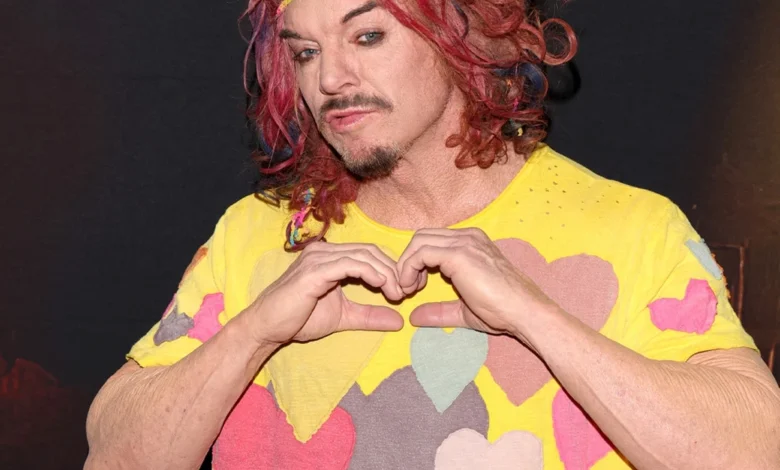
Comedian Carrot Top, whose legal name is Scott Thompson, has been officially discharged from a Las Vegas hospital nearly a week after he was admitted following a suicide attempt. The update regarding the 61-year-old entertainer’s health was confirmed by his representative to major news outlets on September 26, 2026. While specific details regarding his ongoing medical status and subsequent treatment plan remain private, the announcement marks a significant milestone in his recovery process after a harrowing week that prompted an outpouring of support from the entertainment industry and fans alike.
The incident occurred on September 18, 2026, leading to the immediate hospitalization of the longtime Las Vegas headliner. Initially, details surrounding his condition were sparse, but subsequent updates provided a more reassuring picture of his trajectory. By September 20, his representative shared that Thompson was awake, breathing independently, and showing steady signs of improvement while surrounded by his family and close friends.
During his initial days in the hospital, reports indicated that the comedian was in good enough spirits to engage with his medical staff, occasionally cracking jokes with the nurses and doctors overseeing his care. Furthermore, representatives noted that Thompson was deeply moved by the influx of well-wishes, encouraging messages, and personal anecdotes sent by fans recounting how his decades-long career in comedy had provided solace during their own difficult times.
A Detailed Chronology of Events
The unfolding of events began abruptly on September 18 when emergency intervention was required, resulting in Thompson’s hospitalization in Las Vegas. The severity of the situation necessitated the immediate cancellation of his scheduled live comedy performances at the Luxor Hotel and Casino, where he has maintained a permanent residency since 2005.
On September 20, the first official health bulletin was released to the public, confirming that the worst of the acute crisis had passed. The statement emphasized that the comedian was breathing on his own and responding well to medical interventions. By September 26, approximately eight days after his initial admission, his representative announced that Thompson had cleared medical benchmarks required for discharge and was continuing his recovery outside of the hospital environment.
In light of his medical leave, the Luxor Hotel and Casino adjusted its performance calendar. While his shows for the week of his hospitalization were immediately canceled, resort officials and ticketing platforms indicate that his return to the stage is tentatively scheduled for October 19, 2026, allowing him nearly a month to focus on rest, rehabilitation, and personal well-being.
Official Responses and Industry Support
The news of Carrot Top’s hospitalization and subsequent release reverberated throughout the Las Vegas entertainment community and the broader comedy world. As one of the longest-tenured resident performers on the Las Vegas Strip, Thompson holds a prominent place in the local hospitality and entertainment ecosystem.
Executives and management at the Luxor Hotel and Casino and MGM Resorts were quick to voice their solidarity. In an official statement provided to local media outlets, representatives for the Luxor expressed profound relief regarding his recovery. They underscored his status as a beloved and foundational member of the resort’s family, emphasizing that the primary focus remains on affording him the necessary time, privacy, and support to heal fully.
Fans and fellow comedians also utilized social media platforms to express their support, sharing memories of his iconic prop-comedy routines and highlighting his resilience throughout a career spanning more than three decades. In response, Thompson’s representative conveyed the family’s deep appreciation for the extraordinary kindness shown by the public, while reiterating earnest requests for privacy as the comedian navigates his recovery.
Background and Career Context
Scott Thompson rose to national prominence in the late 1980s and 1990s, distinguishing himself through a unique brand of physical comedy centered around an elaborate collection of homemade props. Armed with his signature bright red hair and high-energy stage persona, he became a ubiquitous presence on late-night television talk shows, comedy specials, and cinematic ventures, including a memorable appearance in the 1998 feature film Dennis the Menace Strikes Again.
In 2005, Thompson cemented his legacy in the entertainment capital of the world by launching his permanent residency at the Luxor Hotel and Casino in Las Vegas. Over the past two decades, his nightly show has become a staple of the Las Vegas Strip, attracting generations of tourists and loyal fans. Despite his decades in the spotlight, Thompson has maintained a relatively focused lifestyle centered primarily on his residency, continually refining his craft and writing new material.
In a 2023 interview on the Whiskey Ginger podcast, Thompson reflected candidly on his enduring passion for stand-up comedy and the creative process. He discussed the necessity of taking artistic risks, noting that trying out untested material—even when jokes fall flat—is an essential component of professional growth. "I hate when comics just do the same s–t forever and don’t try to be creative," he stated during the podcast appearance. "Eating it is part of growing as a comic."
Broader Implications and Mental Health Awareness
The public nature of Carrot Top’s medical emergency has once again drawn national attention to the pervasive issue of mental health struggles within the entertainment industry. Performers, musicians, and comedians frequently face unique psychological pressures, including the demands of grueling touring schedules, the vulnerability of public scrutiny, and the expectation to maintain high-energy personas regardless of personal circumstances.
Mental health advocates and industry observers note that high-profile disclosures of crises and subsequent recoveries can play a dual role in public discourse. On one hand, they highlight the universal nature of psychological distress, demonstrating that wealth, professional success, and public adoration do not insulate individuals from mental health challenges. On the other hand, transparent reporting and public support networks help destigmatize conversations surrounding depression, anxiety, and crisis intervention.
Public health organizations consistently emphasize that resources are widely available for individuals experiencing acute mental health crises or suicidal ideation. In the United States, confidential support is accessible around the clock through services such as the Suicide & Crisis Lifeline by dialing or texting 988.
As Carrot Top transitions into the next phase of his recovery away from the hospital setting, the primary focus among his family, management, and supporters remains centered on holistic healing and long-term well-being. While his return to the stage at the Luxor Hotel and Casino in mid-October represents a potential professional milestone, the immediate priority remains the health and stability of Scott Thompson the individual, far removed from the spotlight of the comedy stage.