Jaguar Land Rover (JLR) has officially announced a recall affecting more than 23,000 vehicles across its premium lineup due to a persistent electrical issue involving the DC-to-DC converter. This component, which is responsible for managing voltage regulation between the vehicle’s primary high-voltage battery and the 12-volt auxiliary system, has been identified as a potential point of failure. If the converter ceases to function, the vehicle is unable to maintain the necessary charge for its 12-volt systems, leading to a cascading failure of essential electronics and, ultimately, a loss of propulsion.
According to filings submitted to the National Highway Traffic Safety Administration (NHTSA), the recall encompasses a total of 23,677 vehicles. While modern automotive engineering has shifted toward highly complex electrical architectures, this specific incident serves as a reminder of the challenges manufacturers face in ensuring the long-term reliability of power electronics. Unlike historical instances where electrical failures were often attributed to antiquated wiring harnesses or connectors, this issue is rooted in the digital management of power distribution.
The Mechanism of Failure
The DC-to-DC converter is a mission-critical component in contemporary electrified and mild-hybrid vehicles. Its primary function is to step down the high voltage generated by the traction battery to the 12-volt power level required by standard vehicle components such as the instrument cluster, safety sensors, infotainment systems, and, crucially, the engine management computer.
When the converter fails, the 12-volt battery is no longer supplied with a continuous charge. As the battery depletes, the vehicle’s electronic control units (ECUs) begin to lose functionality. Drivers may initially notice warning lights on the dashboard as individual systems drop offline. As the voltage drops further, the vehicle will lose engine power—an event that poses a significant safety risk if it occurs while the vehicle is in motion. Furthermore, the loss of exterior lighting, such as headlamps and turn signals, creates an additional hazard for the driver and other motorists.
Scope of the Recall
The recall affects a wide range of Jaguar and Land Rover models, primarily those produced for the 2023 and 2024 model years. The breadth of the recall highlights the ubiquity of this specific converter architecture across the company’s platform strategy.
The distribution of affected units is as follows:
- Range Rover Sport: 10,958 vehicles
- Range Rover: 6,664 vehicles
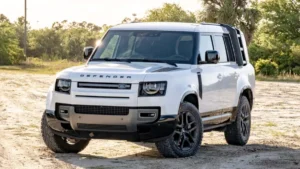
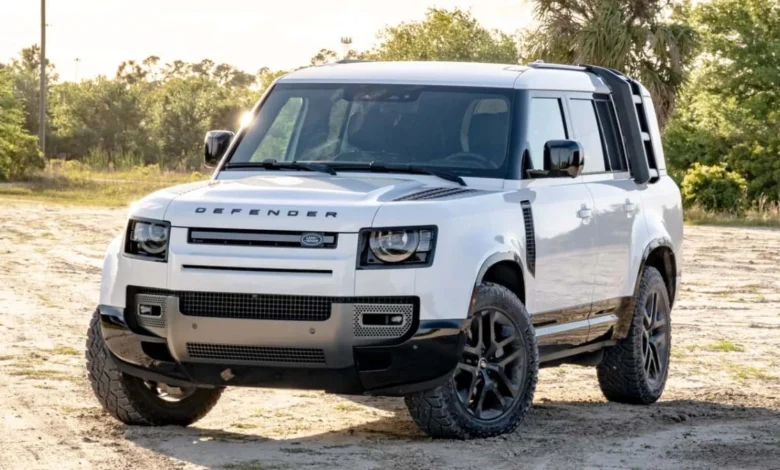
- Defender: 5,477 vehicles
- Discovery Sport: 3 vehicles
- E-Pace: 575 vehicles
The disparity in numbers—ranging from nearly 11,000 units for the Range Rover Sport to a mere three for the Discovery Sport—reflects production volume and the specific integration timelines of these models during the manufacturing window. Owners of these vehicles are expected to receive notification via mail by November 13, 2024.
Chronology and Regulatory Response
The recall process began with JLR’s internal monitoring systems, which track field reports and warranty claims. Once the manufacturer identified a pattern of DC-to-DC converter malfunctions, the engineering team conducted a root-cause analysis. It was determined that a software error within the converter’s control module could lead to the device shutting down unexpectedly.
By identifying that the root cause was a software-based logic error rather than a physical degradation of the hardware, JLR has been able to offer a streamlined solution. The remedy does not require the replacement of the converter or labor-intensive mechanical work; instead, authorized dealerships will perform a software update to the DC-to-DC converter module. This update corrects the logic error, ensuring that the converter maintains proper voltage output under all operating conditions.
Implications for Owners and Dealerships
For owners, the recall process is relatively straightforward. Because the repair is a software-based update, it can be completed by a technician in a fraction of the time required for a hardware recall. JLR has stated that the update will be provided free of charge to all affected customers.
However, the logistical challenge for JLR and its dealer network remains significant. Coordinating the service appointments for over 23,000 vehicles requires careful management of service bays and technician availability. Furthermore, until the software patch is applied, owners are encouraged to remain vigilant for any signs of electrical instability. Should a vehicle display warning lights related to the electrical or charging system, owners should contact their local dealer immediately rather than waiting for the formal notification letter.
Broader Industry Context
The JLR recall is indicative of a broader trend in the automotive industry: as vehicles become more "software-defined," the distinction between a mechanical recall and a digital update becomes increasingly blurred. While software updates offer a faster and more cost-effective method of resolving safety issues compared to physical part replacements, they also highlight the increasing reliance on complex code to manage basic vehicle operations.
In recent years, major manufacturers, including Ford, Toyota, and Volkswagen, have issued large-scale recalls related to software glitches, sensor malfunctions, and electronic control issues. The JLR case is particularly notable because it directly impacts the vehicle’s ability to maintain power while in operation, placing it in a high-priority category for safety regulators.
Manufacturer Commitment and Future Reliability
In response to the recall, Jaguar Land Rover has emphasized its commitment to vehicle safety and long-term quality. A company representative noted that while the electrical issue is concerning, the prompt identification of the software error allows for a rapid resolution that minimizes inconvenience to the owner.
The company is also utilizing this event as an opportunity to review its diagnostic protocols. By analyzing the data gathered from the affected vehicles, JLR aims to improve the resilience of its electrical systems against similar software-related failures in future models. As the automotive industry transitions toward fully electric platforms, the stability of power management systems will become an even more critical metric for consumer confidence and regulatory approval.
Recommendations for Affected Owners
Owners of the affected Jaguar and Land Rover models are advised to take the following steps:
- Verify Eligibility: Owners can visit the NHTSA website or the official Jaguar/Land Rover recall portal and input their vehicle identification number (VIN) to confirm if their specific vehicle is included in the recall.
- Monitor Dashboard Warnings: Be particularly aware of any messages regarding the "Electrical System" or "Charging System." If such a warning appears, pull over in a safe location and contact roadside assistance.
- Schedule Service: Once the official notice is received, contact an authorized dealer to schedule the complimentary software update.
- Stay Informed: Keep an eye on official communication from JLR. While the fix is software-based, there may be additional documentation or service bulletins released in the coming weeks.
While the "Prince of Darkness" moniker—a historical, albeit somewhat affectionate, jab at the reliability of Lucas electrical components used in British vehicles throughout the 20th century—continues to haunt discussions regarding JLR, this recall demonstrates that modern manufacturers are moving toward more agile, digital-first solutions. A software update, while still a deviation from perfect operation, represents a vastly different—and much more manageable—challenge than the electrical gremlins of the past. For the thousands of JLR owners impacted, this incident serves as a brief disruption rather than a mechanical catastrophe.