Pesticide Exposure Linked to Catastrophic Western Monarch Butterfly Die-Off in California

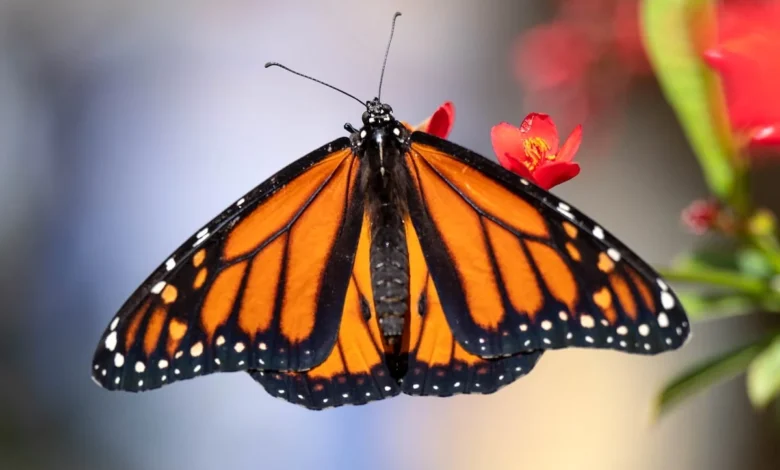
The fragile existence of the Western monarch butterfly has been dealt another severe blow, as a landmark peer-reviewed study published in the journal Environmental Toxicology and Chemistry has confirmed that chemical poisoning was the likely catalyst for a mass mortality event in 2024. In January of that year, researchers at the Pacific Grove Monarch Sanctuary—a critical overwintering site on the California coast—discovered hundreds of monarchs dead or in the throes of neurological distress. This investigation provides the most definitive evidence to date that modern agricultural and structural pesticides are pushing an already endangered species toward the brink of total collapse.
Chronology of a Conservation Crisis
The incident at Pacific Grove serves as a grim case study in the vulnerability of migratory pollinators. In early January 2024, field observers noticed an abnormal accumulation of deceased monarchs on the forest floor, a sight that contrasted sharply with the typical behavior of the colony. The butterflies, which rely on the sanctuary’s microclimate to survive the winter, exhibited symptoms consistent with severe neurotoxic exposure, including tremors and paralysis.
Following the initial discovery, researchers from the Xerces Society for Invertebrate Conservation mobilized to collect samples for toxicological analysis. Utilizing advanced diagnostic tools, including liquid and gas chromatography combined with mass spectrometry, the team screened the remains for a wide array of synthetic chemicals. The findings were startling: the specimens contained a "cocktail" of 15 different insecticides, herbicides, and fungicides.
This event is not an isolated anomaly. It mirrors a 2020 tragedy in North Dakota, where hundreds of monarchs were decimated following an aerial mosquito-control spraying operation during their migration. The recurring nature of these events highlights the persistent danger posed by the intersection of migratory routes and chemical-intensive land management.
Toxicological Findings and Chemical Analysis
The depth of the chemical contamination revealed by the study is unprecedented. On average, each butterfly tested contained seven distinct pesticides. Most alarming was the detection of human-made pyrethroids—specifically bifenthrin, cypermethrin, and permethrin—at or near concentrations known to be lethal to invertebrates.
Bifenthrin and cypermethrin were present in every single sample tested, while permethrin was found in all but two. These substances are widely utilized in various sectors, from large-scale industrial agriculture to residential gardening and urban mosquito abatement. The presence of these chemicals suggests that the butterflies are not merely encountering singular threats but are navigating an environment saturated with cumulative toxins.
Staci Cibotti, the study’s lead author and a pesticide risk prevention specialist at the Xerces Society, emphasized that the high levels of these specific insecticides indicate they were the primary drivers of the mortality event. While Monterey County officials could not pinpoint a single specific source for the runoff or drift, the nature of these pesticides—which are designed to be highly effective against insects—leaves little room for alternative explanations regarding the cause of death.
The Precarious State of the Western Monarch
The 2024 die-off occurs against a backdrop of long-term population decline. Since the 1980s, the Western monarch population has plummeted by approximately 95%. The downward trajectory has been relentless; by 2025, annual counts reported a total of just 9,119 individuals across their overwintering range. This represents the second-lowest population count ever recorded, signaling that the species is struggling to maintain a viable reproductive core.

The International Union for Conservation of Nature (IUCN) has formally listed the migratory monarch as an endangered species, a classification that underscores the urgency of current threats. Projections from the U.S. Fish and Wildlife Service are even more dire, estimating a 99% probability that the Western monarch population will face extinction by the year 2080 if current environmental stressors, including habitat loss, climate change, and chemical exposure, remain unmitigated.
Official Responses and Strategic Recommendations
In the wake of the study’s publication, conservation organizations are calling for a systemic shift in how pesticides are regulated and applied, particularly near sensitive ecological hotspots. The Xerces Society has outlined a multi-tiered approach to mitigate future risks, emphasizing that education is as critical as legislation.
Recommendations include:
- Establishment of Pesticide-Free Zones: Implementing buffer zones around known overwintering sites where the application of toxic chemicals is strictly prohibited.
- Enhanced Regulatory Coordination: Improving communication between agricultural departments and conservationists to track pesticide use patterns in relation to monarch migration windows.
- Integrated Pest Management (IPM): Promoting the use of non-chemical alternatives and natural pest control methods to reduce the reliance on synthetic neurotoxins in landscapes surrounding monarch habitats.
Emily May, co-author of the study and agricultural conservation lead at the Xerces Society, stressed the necessity of a unified effort. "Protecting monarchs from pesticides will require both public education and policy change," May stated. "We are committed to working with communities and decision-makers to ensure that overwintering sites are healthy refuges for these butterflies."
Broader Implications for Biodiversity
The implications of this study extend well beyond the monarch butterfly. As a flagship species, the monarch serves as a biological indicator for the health of the broader pollinator community. If these insects are suffering from lethal levels of pesticide exposure, it is highly probable that other essential pollinators—such as native bees, hoverflies, and moths—are also being impacted, albeit with less public visibility.
The diversity of chemicals found in the 2024 samples highlights the "hidden" nature of the threat. These pesticides are ubiquitous, appearing in home gardening products, structural pest control, and forest management. Because monarchs gather in massive, dense clusters during their overwintering phase, a single, localized application of a pesticide can result in a disproportionately high number of casualties, potentially wiping out a significant percentage of a local population in a matter of hours.
Moving Toward a Resilient Future
The path to recovery for the Western monarch is fraught with challenges, yet the scientific community remains focused on actionable solutions. The recent study provides the empirical basis necessary to lobby for stricter regulations on pyrethroid use. By recognizing that migration and overwintering are high-sensitivity phases in the monarch’s life cycle, conservationists argue that temporary bans on certain pesticides during these windows could prevent catastrophic, acute mortality events.
As the 2025 data confirms, the window of opportunity for preventing the extinction of the Western monarch is rapidly closing. The 9,119 butterflies counted this year are not just a statistic; they are a population teetering on the edge. Ensuring that their overwintering sites are truly "refuges"—free from the chemical hazards of the modern world—is no longer a matter of elective conservation, but a fundamental necessity for the survival of the species.
The findings from Pacific Grove have effectively shifted the conversation from a general concern about habitat loss to a specific, urgent demand for chemical accountability. Whether this evidence will lead to the sweeping policy changes required to protect these iconic insects remains to be seen, but the scientific record is now clear: for the Western monarch, the environment is increasingly becoming a toxic landscape, and the time for meaningful intervention is running out.