COP17 Biodiversity Talks in Yerevan Conclude with Urgent Call to Accelerate Nature Protection Amid Financing Deadlocks


Nations gathered in Yerevan, Armenia, for the COP17 biodiversity summit have concluded a high-stakes two-week negotiation period, marking the halfway point of the Kunming-Montreal Global Biodiversity Framework. The summit, which serves as the most critical checkpoint for the 2030 mission to reverse nature loss, resulted in a sobering "global review" that warns the international community is currently off-track to meet its twenty-three established targets. Delegates departed with a clear, albeit challenging, mandate: to rapidly accelerate implementation, address the systemic funding gap, and reconcile the widening divide between developed and emerging economies over the responsibility for nature finance.
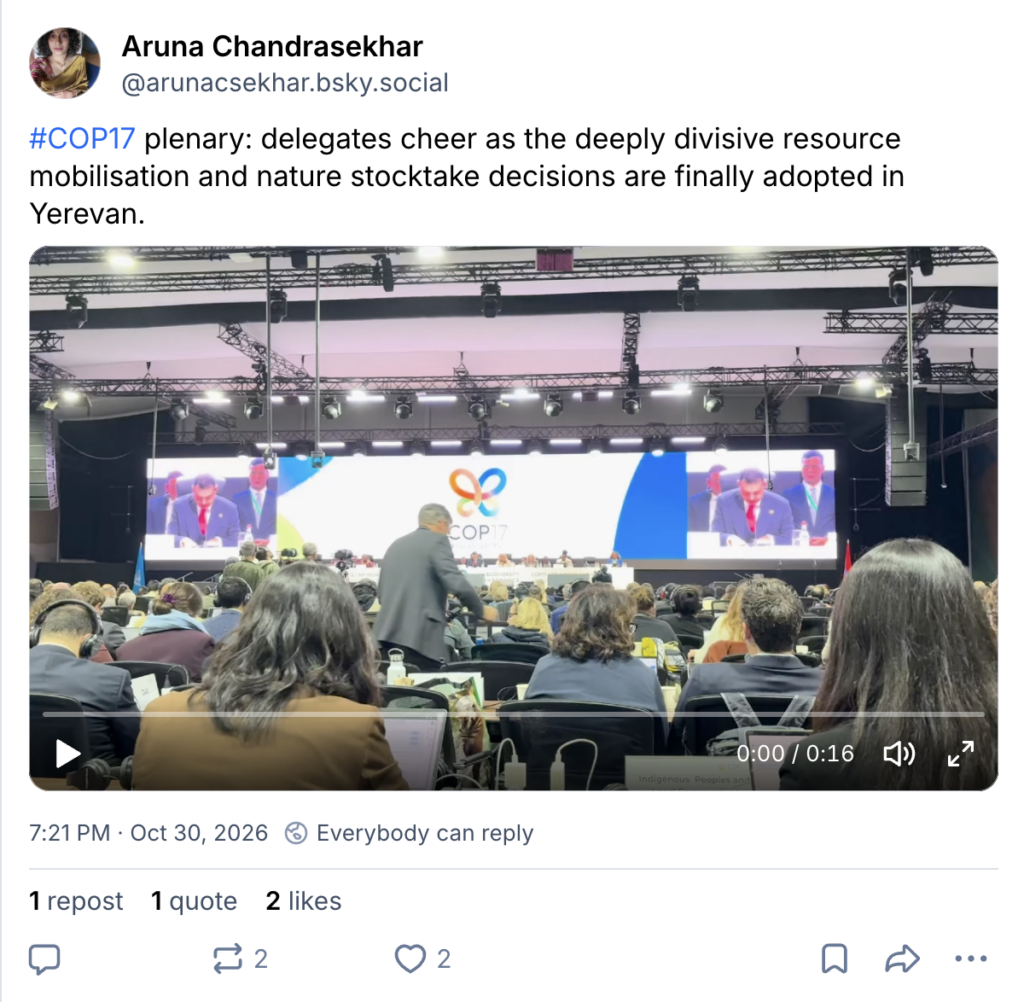
The summit reached a significant procedural milestone by successfully signing off on major negotiation texts, a performance that stood in stark contrast to the chaotic conclusion of COP16 in Cali, Colombia, which suffered from a loss of quorum and required a resumed session in Rome. The selection of Quito, Ecuador, as the host for COP18 in 2028 suggests a continued shift in focus toward the biodiversity-rich Global South, reflecting the ongoing pressure to decentralize environmental leadership.
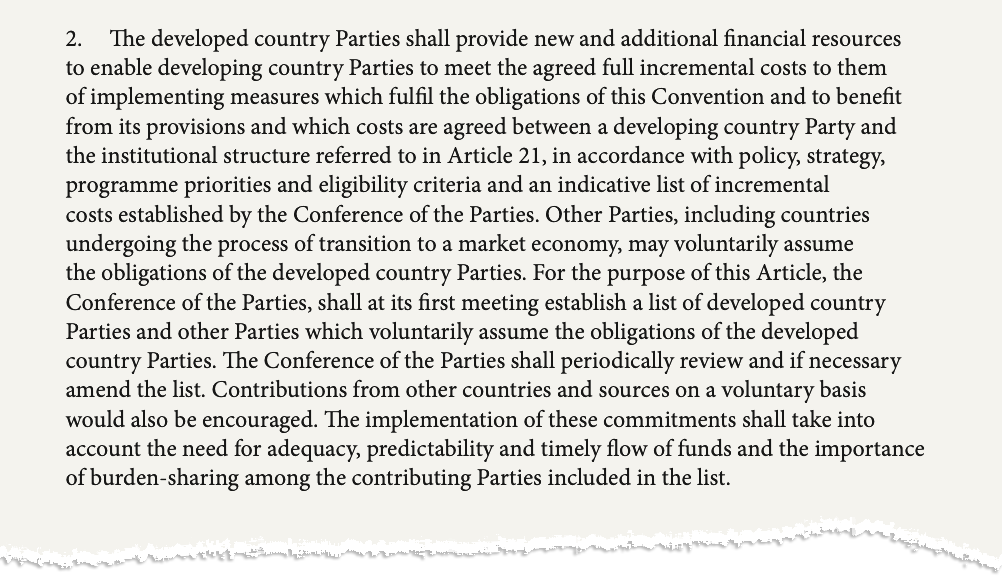
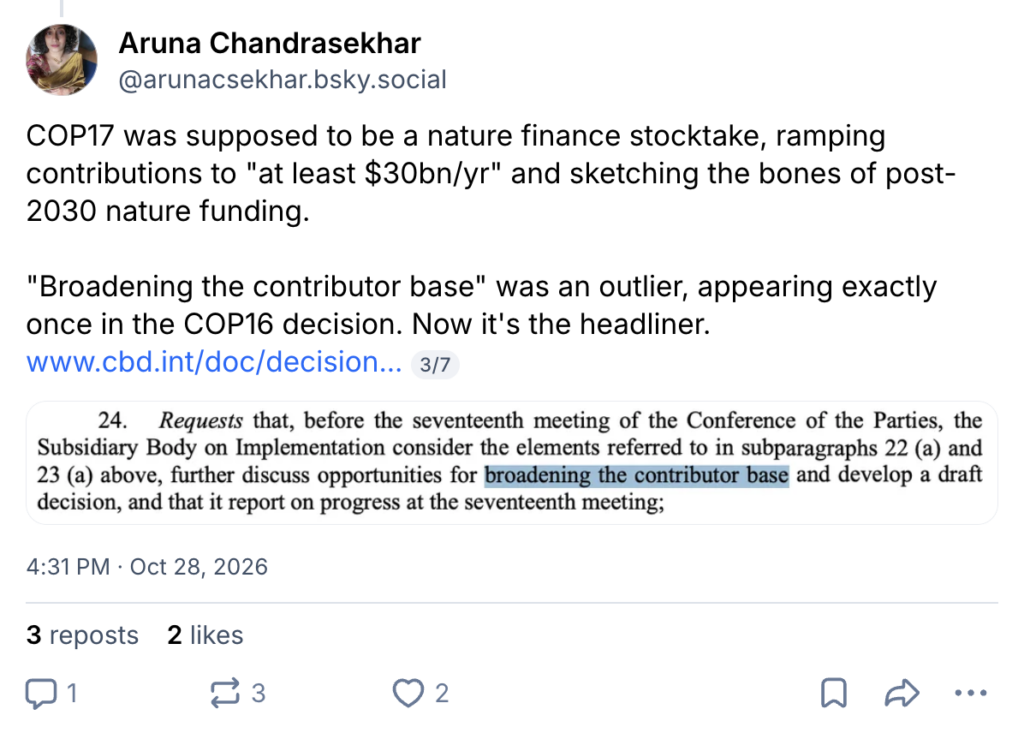
The core of the Yerevan discussions was defined by the "resource mobilization" deadlock. Under the Kunming-Montreal Framework, the world is committed to mobilizing at least $200 billion per year by 2030. However, the reality of the situation remains grim. Developed nations failed to meet their interim commitment of providing $20 billion annually by 2025, and projections suggest a sharp 27 percent decline in environmental funding for the 2026-30 period. This shortfall turned the debate over the "contributor base" into the most contentious issue of the summit. Developed countries, spearheaded by the JUSCANZ bloc, argued that the list of nations expected to provide finance must be expanded to include emerging economies such as China, India, Saudi Arabia, and Qatar.
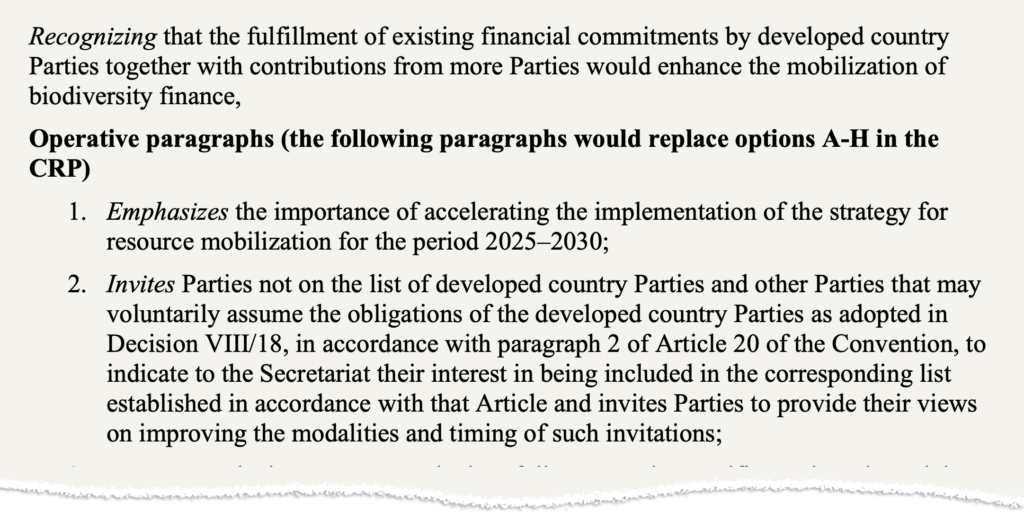
This push for an expanded donor base triggered intense debate regarding the historical responsibilities outlined in Article 20 of the UN Convention on Biological Diversity. Critics, including representatives from the Third World Network, labeled the pressure on developing nations as hypocritical, pointing to the billions spent on defense and the ongoing global debt crisis as proof that fiscal priorities remain skewed against environmental survival. The final compromise reached by ministers was, as Swiss delegates described it, "super, mega-delicate." It allows non-donor nations to "signal interest" in contributing through confidential consultations, effectively kicking the can down the road to COP18 while avoiding an immediate, formal expansion of the donor list.
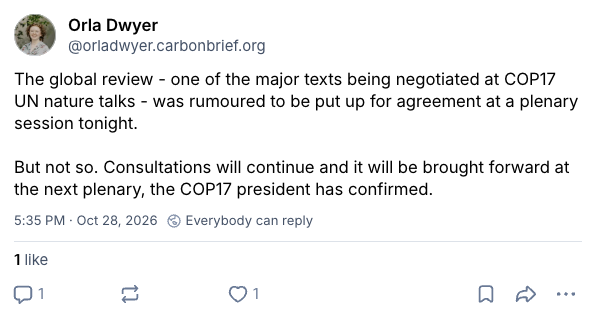
Beyond the finance debate, the "global review" stood as the intellectual bedrock of the Yerevan talks. This stocktake was informed by a damning UN report released just ahead of the summit, which found that 22 out of 23 nature targets for 2030 are currently failing. The final text adopted in Yerevan does not mince words, noting with "deep concern" that the 2050 nature goals are at risk if the current pace of action is not accelerated. While the term "increased ambition" was initially met with resistance from developing countries—who argued that higher ambition is impossible without increased funding—the final text includes the phrase while acknowledging that developing nations require significantly more support to turn pledges into reality.
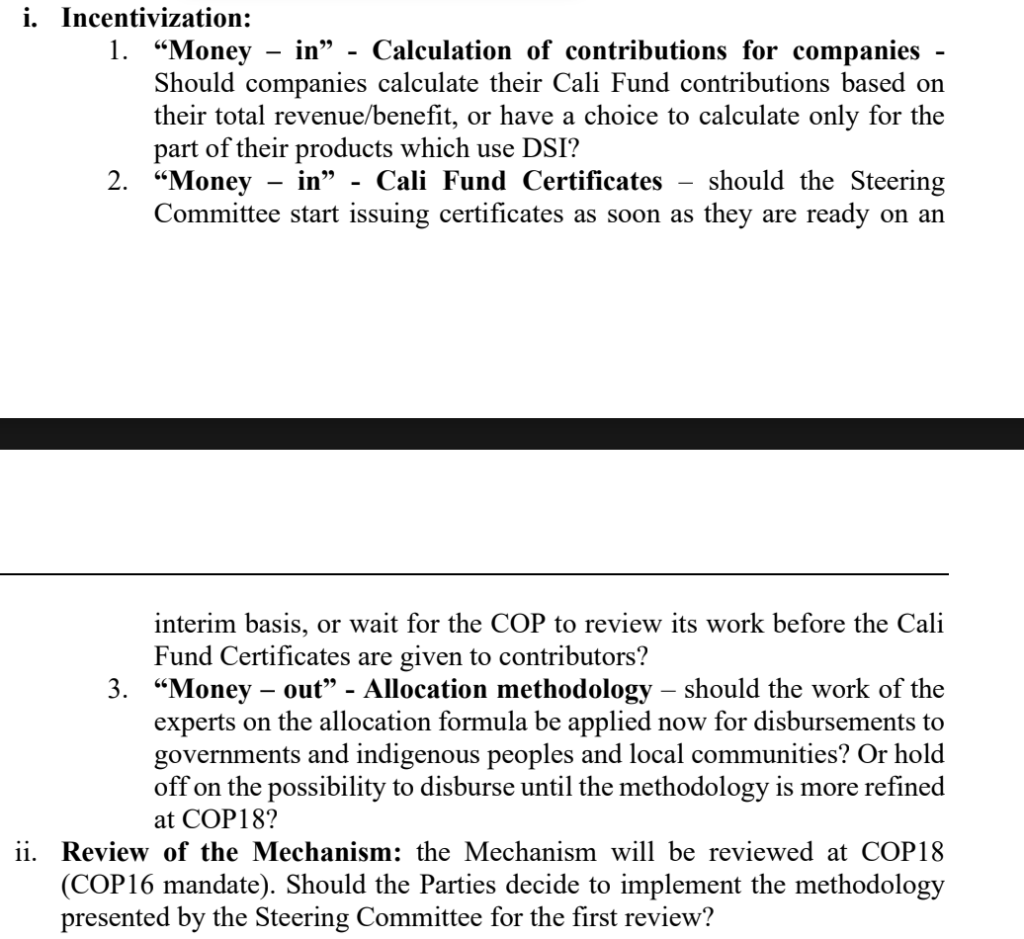
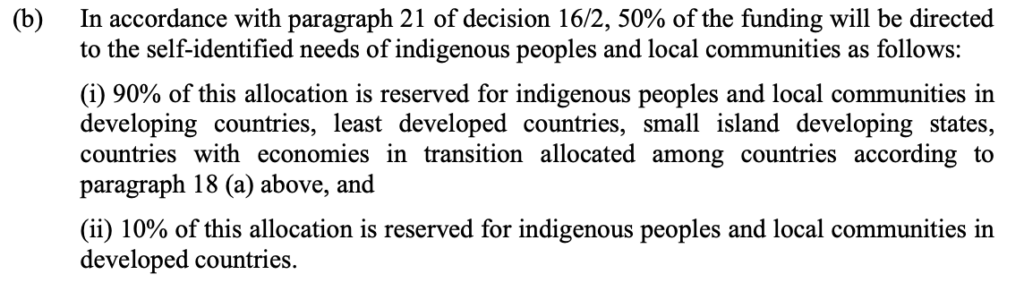
Digital Sequence Information (DSI) on genetic resources represented another significant hurdle. Genetic data derived from nature is vital to the pharmaceutical and agribusiness sectors, yet the "Cali Fund," established at COP16 to facilitate benefit-sharing, remains essentially empty. By the close of COP17, the fund held roughly $10,565 in deposits, a figure dwarfed by the scale of the industries utilizing this data. The Yerevan decision sought to create a more robust methodology for "money in" and "money out," but the details remain unresolved. The final agreement sets an allocation framework for Indigenous peoples and local communities, but the fundamental issue—getting large-scale industry contributions into the fund—remains tied to an open-ended working group scheduled to report back in 2028.
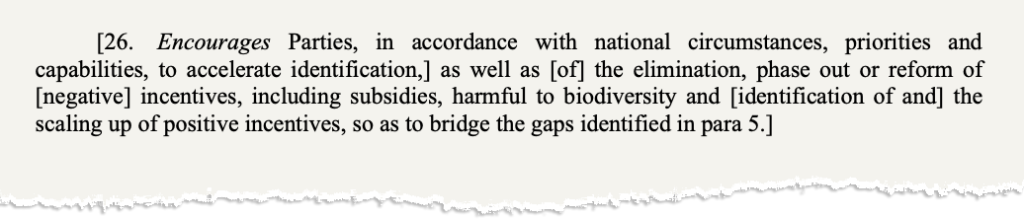
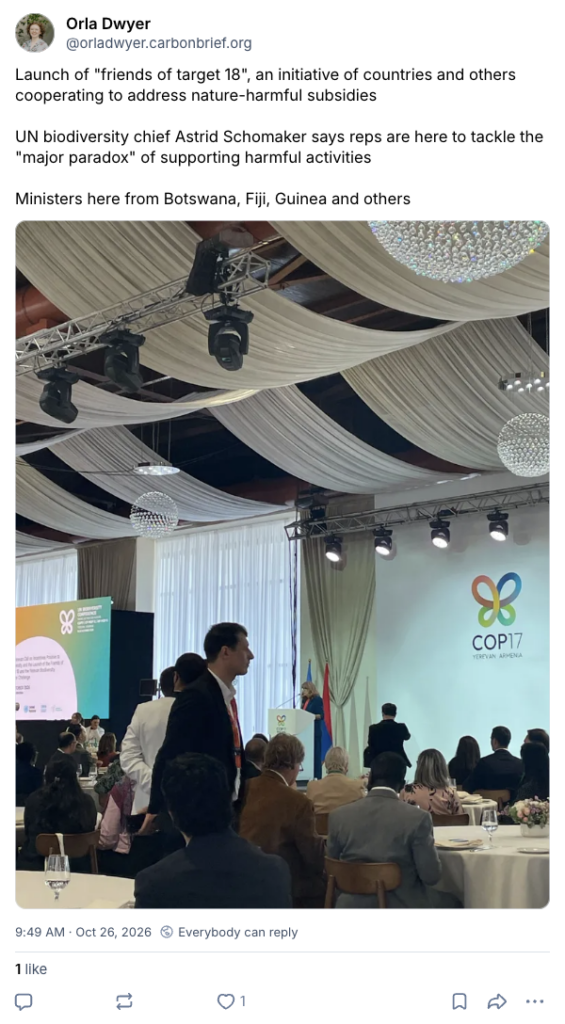
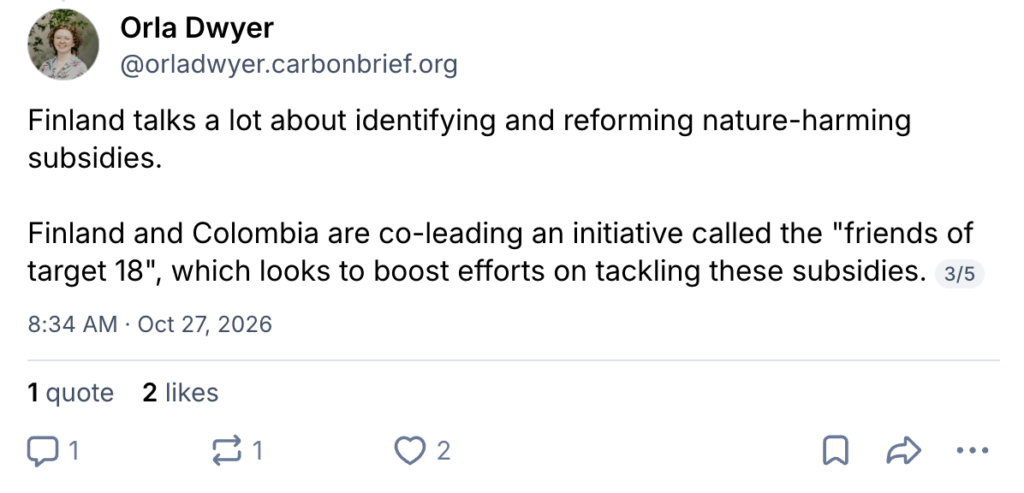
The issue of "harmful subsidies" provided a rare moment of alignment, albeit with significant caveats. Governments globally spend approximately $1.8 trillion annually on subsidies that harm the environment, ranging from fossil fuel support to destructive agricultural practices. While Target 18 of the framework aims to reform or eliminate these by 2030, 84 percent of nations missed the 2025 identification deadline. In Yerevan, the "Friends of Target 18" initiative was launched, co-chaired by Colombia and Finland, to help nations identify and reform these incentives. Despite this, the language in the final document was softened to "encourage" rather than "mandate" reform, reflecting the immense political sensitivity of changing domestic agricultural and energy subsidies.
The marine and coastal biodiversity negotiations were similarly marked by geopolitical friction. The BBNJ Agreement—the "High Seas Treaty"—has been ratified by over 100 countries, yet its implementation remains a point of contention. Russia remained a primary blocker in Yerevan, opposing direct references to the treaty in the final text. Ultimately, the summit had to settle for "taking note of" the treaty’s entry into force, a compromise that many delegates, including those from Chile, publicly lamented as a regressive step that undermines the hard-won progress made in ocean governance.
The Armenian presidency, led by Environment Minister Hambardzum Matevosyan, faced its own scrutiny regarding the nation’s environmental record, specifically the launch of a large-scale gold mine near Amulsar just before the summit. Activists were barred from entering the venue for wearing protest t-shirts, leading to sharp criticism from the UN special rapporteur for environmental defenders. These incidents highlighted the growing tension between national economic development priorities—often reliant on extractive industries—and the global commitment to biodiversity. The protest, while muted compared to climate summits, signaled a growing frustration among local civil society groups who believe the discourse on nature is being co-opted by corporate interests.
The implications of the Yerevan summit are clear: the window of opportunity to meet the 2030 targets is narrowing rapidly. The "Yerevan pathway," a series of priorities identified during the conference, provides a roadmap, but it lacks the binding regulatory teeth required to force compliance. The reliance on "voluntary" contributions, "voluntary" guidelines, and "voluntary" subsidy reform places the entire Global Biodiversity Framework in a precarious position.
As delegates return to their home countries, the success of COP17 will be measured not by the texts signed in Yerevan, but by the tangible shifts in domestic policy and the actual flow of funds into the Cali Fund. If the next two years before COP18 in Quito do not yield a significant increase in both public finance and private sector accountability, the 2030 goals will likely remain an aspirational, rather than an achievable, outcome. The summit has effectively moved the focus from "what" needs to be done to "how" it will be paid for, confirming that the future of global biodiversity is now irrevocably tethered to the complexities of international finance, debt restructuring, and the political will of major economies to move beyond domestic interests for the sake of planetary health.